

 My Account

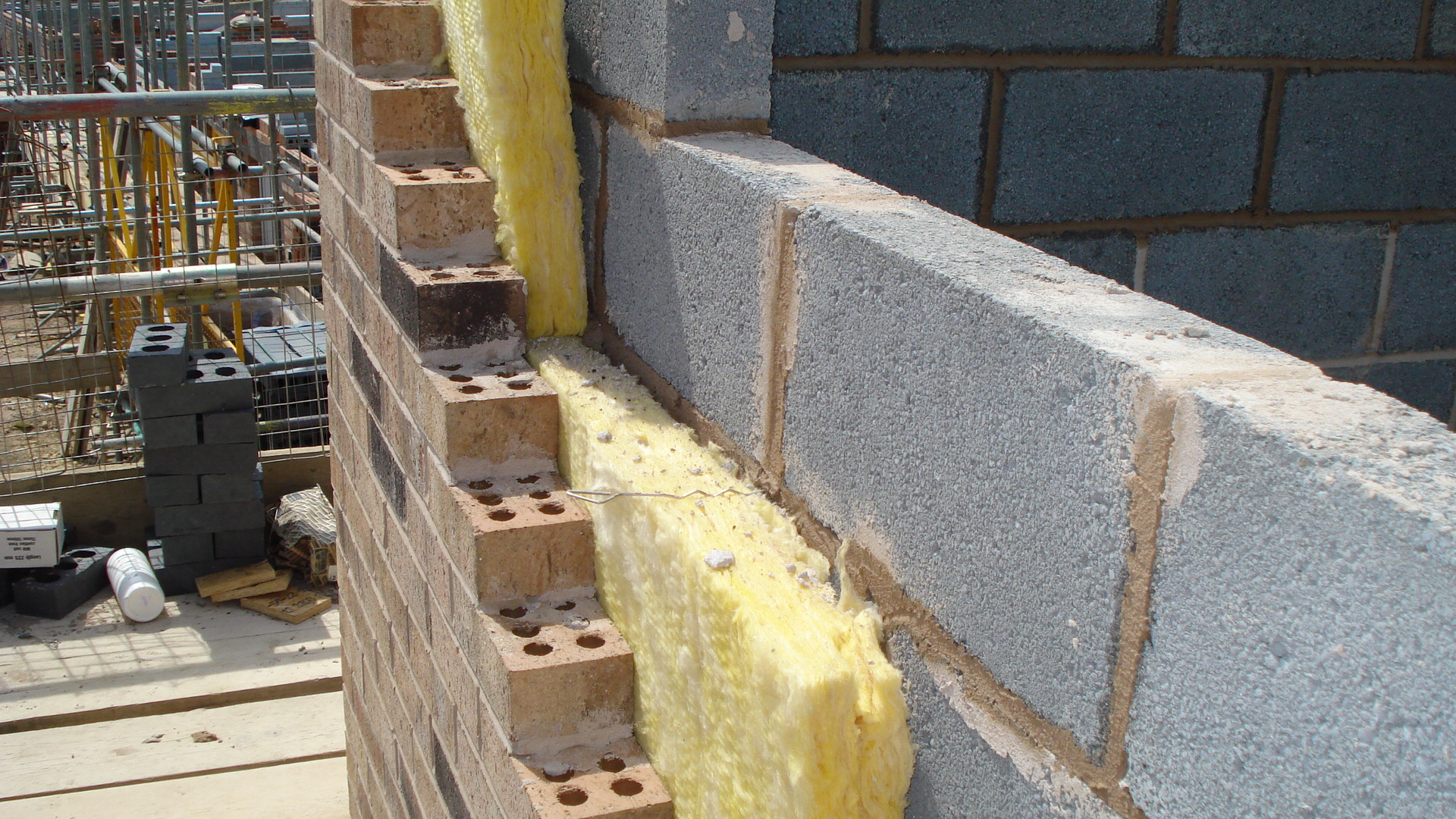
Top Risks in Brick & Block Manufacturing (And How Insurance Covers Them)
Brick and block manufacturing is a tough, high-output business. You’re running heavy machinery, handling heat and dust, storing large volumes of raw materials and finishe…
Brick and block manufacturing is a tough, high-output business. You’re running heavy machinery, handling heat and dust, storing large volumes of raw materials and finished stock, and relying on consistent energy supply and transport. When something goes wrong, the impact is rarely small: production stops, orders slip, customers get frustrated, and costs stack up quickly.
This guide breaks down the most common (and most expensive) risks in brick and block manufacturing, plus the types of insurance that typically respond. It’s written for UK manufacturers, whether you produce clay bricks, concrete blocks, paving blocks, or specialist products.
Manufacturing sites often have multiple fire triggers: kilns, dryers, electrical panels, fuel storage, forklifts, packaging, and dust. A small incident can spread fast across a large building with high stock values.
Common causes
Insurance that typically helps
Practical tip: Business interruption is often where claims succeed or fail. Your indemnity period (e.g., 12/18/24 months) should match how long it would realistically take to rebuild, replace machinery, re-commission, and win back production levels.
Brick and block production depends on continuous, reliable plant: mixers, presses, extruders, conveyors, kilns, dryers, palletisers, compressors, and control systems. A single failure can halt the whole line.
Typical breakdown scenarios
Insurance that typically helps
Watch-outs: Standard property policies may exclude “mechanical or electrical breakdown” unless you add engineering cover. Also check whether wear and tear is excluded (it usually is) and whether you have the right maintenance and inspection routines.
Many manufacturing processes are sensitive to loss of power, gas, or water. Outages can damage work-in-progress, create quality issues, and cause missed delivery windows.
Insurance that may respond
Practical tip: If your site is heavily exposed, consider resilience planning (backup power for critical systems, surge protection, controlled shutdown procedures) and make sure your insurance wording matches your real dependencies.
Dust is a daily reality in brick and block manufacturing—especially during cutting, grinding, mixing, and handling. Long-term exposure can lead to serious health issues, and UK employers must manage risks under health and safety law.
Where claims can arise
Insurance that typically helps
Note: Insurance supports legal defence and compensation where you’re liable, but it doesn’t replace robust controls: extraction, PPE, monitoring, training, and documented risk assessments.
Manufacturing sites combine people, forklifts, loaders, HGVs, and automated lines. Common incidents include crush injuries, entanglement, slips on wet surfaces, and falls from height.
Insurance that typically helps
Practical tip: Insurers often look closely at traffic management plans, guarding, lockout/tagout procedures, and incident reporting.
If a batch is out of spec—strength, dimensions, moisture content, curing, or material mix—it can cause project delays, rework, or even structural issues. Claims can come from builders, developers, merchants, or end clients.
Typical triggers
Insurance that typically helps
Important limitation: Many policies won’t cover the cost to repair/replace your own defective product unless it has caused damage or injury. If product recall is a concern, ask about product recall/rectification cover.
Manufacturers often supply time-critical projects. Late delivery can trigger contractual penalties, loss of preferred supplier status, or claims for consequential losses.
Insurance reality check
Insurance that can help indirectly
Practical tip: Review supply contracts for insurance clauses, liability caps, and delivery terms. Insurance should match what you’ve agreed in writing.
Brick and block products are bulky, but theft still happens—especially fuel, tools, copper, and sometimes pallets or high-value specialist stock. Vandalism can also cause costly downtime.
Insurance that typically helps
Watch-outs: Insurers may require specific protections (CCTV, alarms, gates, lighting, key control). If conditions aren’t met, claims can be reduced or declined.
Manufacturing sites often have large footprints and outdoor storage. Flooding can damage stock, electrical systems, and foundations, and can make sites inaccessible.
Insurance that typically helps
Practical tip: If you’re in a flood-prone area, talk to your broker early. Risk improvements (bunds, raised electrics, drainage maintenance, flood barriers) can improve terms.
Spills and contamination can happen from fuel tanks, oils, chemicals, wash-down water, and waste handling. Even a small leak can lead to clean-up costs and third-party claims.
Insurance that typically helps
Practical tip: Pollution claims can be expensive because they involve investigation, clean-up, and regulatory involvement. If you store fuel or chemicals, dedicated environmental cover is worth discussing.
Modern manufacturing relies on IT: production scheduling, stock control, invoicing, customer portals, and sometimes connected machinery. Ransomware or a simple breach can stop operations.
Insurance that typically helps
Practical tip: Cyber insurers often ask about backups, MFA, patching, and staff training. A few improvements can materially change terms.
Clay, aggregates, cement, additives, packaging, and pallets all have supply risks. Transport shortages and supplier failures can also disrupt output.
Insurance reality check
Possible options
Every manufacturer is different, but a common UK brick/block manufacturing insurance programme may include:
If you manufacture bricks, concrete blocks, paving blocks, or specialist masonry products, the right insurance should reflect your exact plant, throughput, storage, and delivery model.
If you want, share:
…and I’ll outline a sensible cover structure and the key questions to ask your insurer or broker.
Brick and block manufacturing is a tough, high-output business. You’re running heavy machinery, handling heat and dust, storing large volumes of raw materials and finishe…