Storm Damage & Flood Risk: Why Caravan Parks Pay Higher Premiums
Introduction: why caravan parks are priced differently
If you run a caravan park, you’ve probably noticed that insurance pricing can feel tougher than for many other hospitality businesses. That’s not because insurers “don’t like” the sector. It’s because storm damage and flood risk can create large, sudden losses that affect multiple caravans, shared facilities, and your income all at the same time.
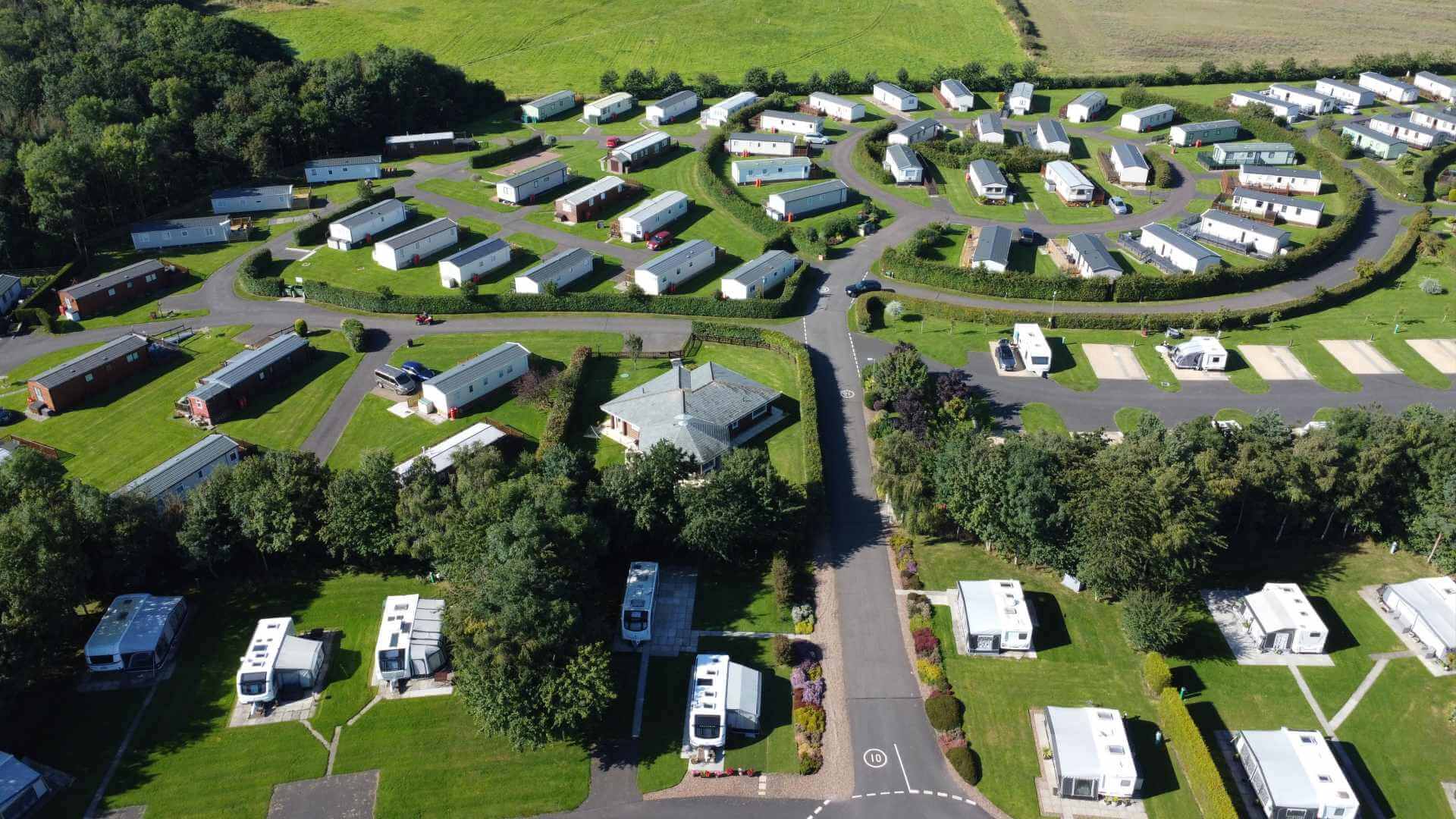
Caravan parks often sit in exposed locations (coastal, riverside, rural, or elevated ground), rely on seasonal trading, and have a high concentration of assets in one place. When the weather turns, the claim can be complex: property damage, business interruption, guest refunds, and liability issues can all stack up.
This guide explains the main reasons caravan parks pay higher premiums, what insurers look at when assessing storm and flood exposure, and practical steps that can help you reduce risk and present your park better at renewal.
The core issue: “accumulation” risk (many losses in one event)
One of the biggest pricing drivers for caravan parks is accumulation risk. A single storm can damage:
-
Multiple caravans or lodges (roofing, cladding, windows, awnings)
-
Park infrastructure (roads, drainage, lighting, signage)
-
Shared buildings (reception, shop, bar/restaurant, laundry blocks)
-
Utilities (electric hook-ups, gas storage, water supply)
For an insurer, that’s very different from a single building claim. Even if individual caravans are relatively low value, the total loss from one event can be high.
Insurers price for worst-case scenarios: wind-driven debris, trees down, prolonged rain, and flooding that affects a large part of the park. That’s why premiums can rise sharply after major weather events, even if your park didn’t claim.
Why storms hit caravan parks hard
Storm claims in caravan parks are often expensive because of how damage occurs and how quickly it spreads.
1) Wind vulnerability of units and add-ons
Static caravans, park homes, and lodges can be vulnerable to high winds, especially where:
-
Roof fixings or tie-down systems are older
-
Skirting and underfloor areas allow wind uplift
-
Awnings, decking, and verandas act like “sails”
-
Trees, fences, and loose items become projectiles
Insurers will ask about unit types, age profile, anchoring, and maintenance. A park with modern units and documented tie-down checks will usually present better than a park with mixed ages and limited records.
2) Debris and impact damage
Storms don’t just damage roofs. They throw things around. Common claim drivers include:
-
Falling trees and branches
-
Roof tiles and signage becoming airborne
-
Loose furniture, bins, and gas bottle cages moving in high winds
Impact damage can create multiple claims across the park. That increases the insurer’s expected loss and can lead to higher excesses for storm.
3) Water ingress and “hidden” damage
Even when the storm passes, water ingress can cause:
Insurers price for the likelihood that a claim escalates after initial inspection.
Flood risk: the premium multiplier
Flood is often the single biggest factor behind high premiums for caravan parks.
1) Location and topography
Many parks are located where people want to holiday: near the coast, lakes, rivers, and scenic lowlands. Unfortunately, these are also areas with higher flood exposure.
Insurers will assess:
-
Proximity to rivers, the sea, and surface water pathways
-
Elevation and slope
-
Local drainage capacity
-
History of flooding in the area
Even if your park has never flooded, the modelled risk may still be high.
2) Surface water flooding (not just rivers)
A common misconception is that flood only means rivers bursting their banks. Surface water flooding (intense rainfall overwhelming drains) is a major driver of claims.
Caravan parks can be vulnerable if:
-
Hardstanding areas shed water towards units
-
Drainage is undersized or poorly maintained
-
Ditches and culverts silt up
-
Ground is compacted and can’t absorb heavy rain
Surface water events can be frequent and localised, which makes them hard to predict and expensive over time.
3) Tidal and coastal surge
Coastal parks can face storm surge and wave overtopping. Even where sea defences exist, insurers consider:
-
Defence condition and maintenance responsibility
-
Distance from the shoreline
-
Exposure to prevailing winds
-
Potential for access routes to be cut off
Coastal flood risk can also create longer business interruption because clean-up and access issues may last beyond the initial damage.
Business interruption: why income risk pushes premiums up
Caravan parks are often seasonal. A storm or flood at the wrong time can wipe out peak trading.
Insurers look at:
-
Seasonality of revenue (how much is earned in a short window)
-
Dependency on facilities (if the shower block is closed, can you operate?)
-
Time to repair (specialist contractors, parts lead times)
-
Access issues (roads flooded, power outages)
If your policy includes business interruption (BI), the insurer is pricing not just physical damage, but lost profit, ongoing costs, and potential refunds.
A key point: underinsurance is common. If your declared gross profit or revenue is too low, you may not get the payout you expect. But if you increase BI sums insured without improving resilience, the premium can rise.
Liability risk: guests, owners, and third parties
Storms and flooding also increase liability exposures.
Public liability after extreme weather
Typical scenarios include:
-
Slips and trips on flooded paths
-
Falling branches injuring guests
-
Loose structures (awnings, signage) causing injury
-
Carbon monoxide risks if temporary heating is used incorrectly after outages
Insurers will want to see inspection routines, closure procedures, and how you communicate hazards to guests.
Tenant/owner arrangements
Some parks have a mix of:
This can complicate who is responsible for what. If responsibilities are unclear, disputes can follow a loss, increasing claims costs.
Clear written agreements, rules on storm preparation, and documented maintenance responsibilities can reduce friction and help your insurance presentation.
Claims history and “market memory”
Even if your park is well run, the sector’s claims experience affects pricing. After major weather years, insurers may:
-
Increase storm/flood rates across the board
-
Apply higher excesses
-
Restrict cover in high-risk postcodes
-
Require more evidence of risk management
If you’ve had previous storm or flood claims, expect underwriters to ask:
-
What changed since the last loss?
-
What mitigation was installed?
-
What maintenance regime is now in place?
A strong “lessons learned” narrative can make a real difference.
What insurers typically ask (and why)
To price storm and flood risk, insurers often request detailed information. Being prepared helps you avoid delays and can improve terms.
Common questions include:
-
Exact site address and postcode (for flood modelling)
-
Site map showing unit layout, elevations, and drainage
-
Number and type of units (static, lodge, touring), plus age profile
-
Construction details of buildings (roof type, cladding)
-
Flood history (on-site and nearby)
-
Details of flood defences, bunds, ditches, pumps, non-return valves
-
Maintenance logs (trees, gutters, drains, culverts)
-
Storm preparation procedures (loose items, awnings, tie-down checks)
-
Emergency plan and guest communication process
-
Business interruption figures and indemnity period
If you can provide this in a clear pack, you look like a lower-risk operator.
Practical ways to reduce storm and flood exposure
You can’t change the weather, but you can reduce the likelihood and severity of a claim.
1) Improve drainage and document it
-
Schedule routine clearing of gullies, ditches, and culverts
-
Keep written logs and photos (before/after)
-
Consider CCTV drain surveys if problems repeat
-
Install non-return valves where backflow is a risk
Documentation matters. Underwriters like evidence, not just assurances.
2) Tree management and windbreak planning
-
Commission periodic arborist inspections
-
Remove deadwood and high-risk trees near units and buildings
-
Maintain windbreak fencing where appropriate
-
Secure signage and external fixtures
Tree-related claims are common and often preventable.
3) Unit anchoring, skirting, and awning rules
-
Implement tie-down/anchoring checks on a schedule
-
Set rules for awnings and decking (wind ratings, fixings)
-
Require removal or securing of loose items during storm warnings
-
Keep records of inspections and any remedial work
4) Flood resilience measures
Depending on your site, consider:
-
Raising electrical points and critical equipment
-
Flood barriers for key buildings
-
Sump pumps with alarms and backup power
-
Sacrificial ground-floor finishes in vulnerable buildings
-
Clear evacuation and closure triggers
Even small measures can help your risk story.
5) Emergency planning and guest comms
A well-run response can reduce both damage and liability.
-
Written severe weather plan (who does what, when)
-
Templates for SMS/email updates and on-site signage
-
Clear closure procedures for facilities and unsafe areas
-
Contractor call-out lists and priority agreements
Insurers often ask for this after a claim. Having it upfront is a plus.
How to present your park to get better insurance terms
Premium isn’t only about postcode. It’s also about how you present the risk.
A strong submission usually includes:
-
A one-page overview of the park, facilities, and unit count
-
A site plan with drainage features and any flood defences
-
A short claims summary with improvements made
-
Maintenance schedules (trees, drains, roofs)
-
Photos of key areas (drainage points, sea/river boundary, plant rooms)
-
Business interruption figures with a clear explanation
If you’re working with a broker, this pack helps them negotiate. It also reduces the chance of assumptions being made against you.
Common mistakes that push premiums up
-
Unclear split of responsibility between park and unit owners
-
No documented maintenance regime
-
Understated business interruption figures (then corrected late)
-
No evidence of flood mitigation in a modelled high-risk area
-
Poor housekeeping (loose items, unsecured storage, cluttered compounds)
-
Not reviewing sums insured after upgrades or new units
Fixing these doesn’t guarantee a lower premium, but it increases your chances of better terms and fewer coverage restrictions.
Choosing cover: what to check in your policy
Storm and flood pricing is also affected by how your cover is structured.
Key areas to review:
-
Storm and flood excesses (often higher than standard)
-
Any flood exclusions or sub-limits
-
Business interruption indemnity period (is it long enough?)
-
Cover for park infrastructure (roads, services, lighting)
-
Cover for loss of rent/pitch fees (where relevant)
-
Liability limits and any event-related exclusions
-
Claims preparation costs (helpful for complex losses)
If the policy doesn’t match how your park operates, you can end up paying a lot and still be exposed.
Final thoughts: higher premiums, but not a lost cause
Caravan parks pay higher premiums because storms and flooding can create large, multi-part losses: property damage across many units, disrupted trading, and increased liability exposure. Add in coastal and riverside locations, seasonal income, and complex ownership arrangements, and the risk profile becomes more challenging.
The good news is that you can influence how insurers see you. Strong drainage management, tree control, unit anchoring rules, flood resilience measures, and a clear emergency plan all help. Just as importantly, presenting that work clearly at renewal can improve terms and reduce the chance of surprise restrictions.
Call to action
If you’d like a review of your caravan park insurance, including storm and flood exposure, business interruption needs, and practical risk improvements, speak to a specialist commercial broker. A well-prepared submission can make a real difference to both price and cover.


 My Account