

 My Account

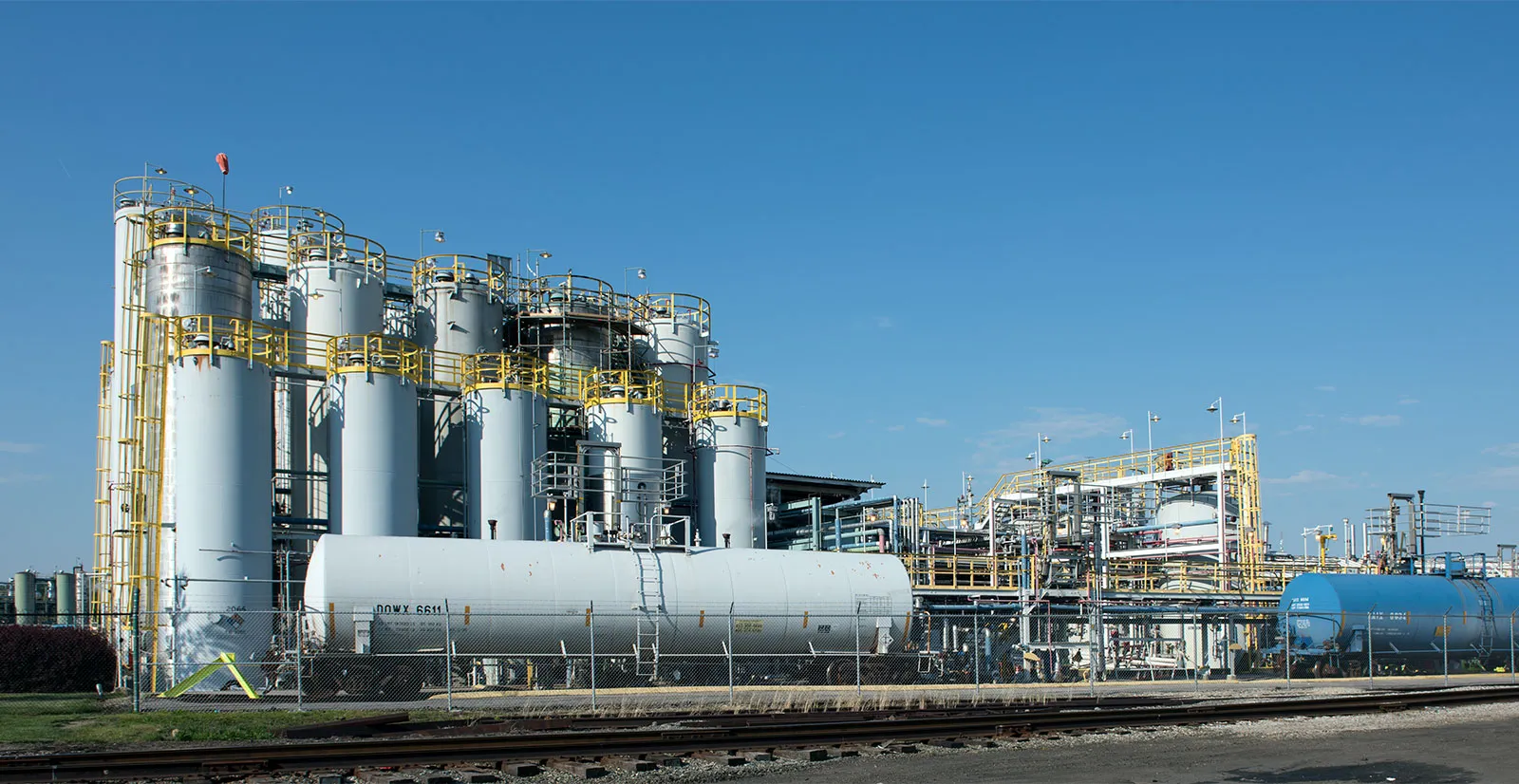
Storage Risks for Hazardous Chemicals (Tanks, Warehousing & Compliance)
Why hazardous chemical storage is a high-risk area
Storing hazardous chemicals is one of those business activities that can look “quiet” day to day, until something…
Storing hazardous chemicals is one of those business activities that can look “quiet” day to day, until something goes wrong. A small leak can become a major clean-up. A minor compatibility mistake can trigger a reaction. And a fire in a chemical store can escalate quickly, affecting people, property, the environment, and your ability to trade.
For UK businesses, the risk isn’t only operational. It’s also regulatory and financial. Investigations, enforcement action, remediation costs, third-party claims, and business interruption can be significant. That’s why storage risk management needs to be designed in from the start — not added after an incident.
This guide focuses on the main storage risks for hazardous chemicals across tanks and warehousing, and the practical controls that reduce the chance of a loss.
Most chemical storage incidents fall into a few repeating patterns:
A strong storage system assumes that people make mistakes and equipment degrades — then builds layers of protection.
Tank systems can be robust, but they concentrate large volumes in one place. The risk profile depends on the chemical, temperature, pressure, and how often you transfer product.
Overfills often happen during deliveries or transfers when level monitoring is inaccurate, alarms are ignored, or procedures are unclear.
Controls to consider:
Corrosion can be internal (from the product) or external (from weather, salt air, or chemical vapours). Material compatibility issues can cause swelling, cracking, or rapid failure of seals and gaskets.
Controls:
Many losses occur at the “edges” — flanges, valves, couplings, and loading/unloading points.
Controls:
Bunds are critical, but they fail when:
Controls:
Warehousing introduces different hazards: mixed products, frequent handling, racking, forklifts, and higher likelihood of incompatible storage.
A warehouse may hold acids, alkalis, oxidisers, flammables, aerosols, and cleaning chemicals within the same footprint. If a spill occurs, incompatibility can turn a “spill” into a reaction.
Controls:
Forklift impacts, poor pallet condition, and over-stacking can puncture containers or cause collapse.
Controls:
Flammable vapours and solvent odours are warning signs. In enclosed spaces, vapours can accumulate and find an ignition source.
Controls:
Even if chemicals don’t ignite, a warehouse fire can cause toxic smoke, contaminated run-off, and major property damage.
Controls:
This is not legal advice, but these are the UK frameworks that commonly apply to hazardous chemical storage:
A practical way to approach compliance is to build a single “chemical storage management system” that links:
When an incident happens, the question becomes: what did you do to prevent it, and can you evidence it?
Keep these up to date:
Good documentation doesn’t replace controls — but it proves your controls are real.
If you want a simple starting point, work through these questions:
From an insurance perspective, hazardous chemical storage losses often involve multiple cost types:
Insurers and loss adjusters typically focus on:
If you’re unsure how your storage setup will be viewed, a pre-renewal review can help you address issues before they become exclusions or higher premiums.
Bring in specialist support if you have:
A short, focused review can identify the highest-impact improvements quickly.
If your business stores hazardous chemicals — whether in tanks, IBCs, or a mixed warehouse — it’s worth pressure-testing your setup before an incident forces the issue.
At Insure24, we help UK businesses review their chemical storage risk profile and arrange insurance that matches the real exposures, not just the tick-box description. If you’d like a quick, no-obligation chat, call 0330 127 2333 or visit https://www.insure24.co.uk/.
Storing hazardous chemicals is one of those business activities that can look “quiet” day to day, until something…
Chemical manufacturing is a broad label. A small blending unit making cleaning products, a specialist lab producing low-volume reagents, and a large COMAH-regulated plan…
Chemical manufacturing is one of the most tightly controlled and risk-exposed industries in the UK. You’re dealing with hazardous substances, complex processes, strict envir…
Transporting hazardous chemicals is high-stakes work. A small error in packaging, labelling, route planning or driver training can lead to spills, fires, …
If you manufacture chemicals, a recall is rarely “just” a logistics problem. It can become a multi-layered inci…
Employee exposure to hazardous substances is one of the most common and costly sources of employers’ liabi…
A chemical incident rarely stops at physical damage. Even a small spill, leak, or release of fumes can …
In a chemical plant, “a machine failure” rarely stays a simple maintenance issue. A failed pump can stop…
A single contaminated batch can turn a “normal” operational issue into a fast-moving commercial crisis. Whether you manufacture food, cosmetics, chemical…
A toxic gas release is one of the fastest-moving, highest-impact incidents a chemical manufacturer can face. Even a small leak can trigger emergency services attend…
Fire and explosion are among the most severe loss events a chemical plant can face. They can cause catastrophic injury, long shutdowns, environmental damage, and complex third…
A chemical spill can start small: a split IBC in a yard, a leaking drum in a van, a burst pipe in a plant room, or a forklift puncture in a warehouse. But the c…
Chemical manufacturing is one of the most risk-intensive industries in the UK. You’re handling hazardous substances, complex processes, high temperatures and pressures, and a supp…