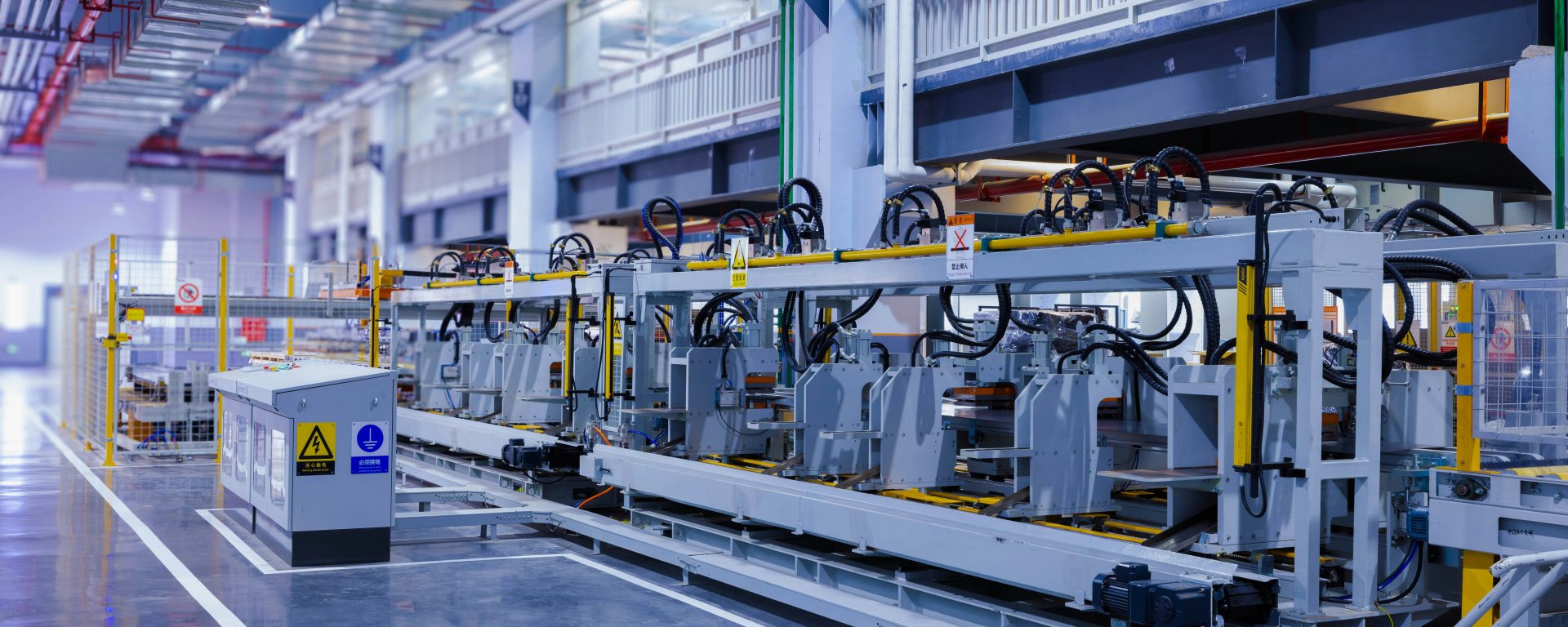
Sterile Compounding Facilities Manufacturing Insurance: A Complete Guide
Introduction
Sterile compounding facilities play a critical role in the pharmaceutical and healthcare industries, preparing customized medications in controlled, contamination-free environments. These specialized facilities face unique operational risks that demand comprehensive insurance coverage tailored to their exacting standards and regulatory requirements.
From contamination incidents and equipment failures to regulatory compliance challenges and product liability claims, sterile compounding facilities operate in a high-stakes environment where even minor errors can have serious consequences. Understanding the insurance landscape for these facilities is essential for protecting your business, your staff, and the patients who depend on your products.
This comprehensive guide explores the essential insurance coverage options for sterile compounding facilities, the specific risks they face, and how to build a robust insurance program that safeguards your operations.
Understanding Sterile Compounding Facilities
Sterile compounding facilities manufacture customized pharmaceutical preparations that must be free from viable microorganisms. These facilities produce medications such as intravenous solutions, ophthalmic preparations, injectable drugs, and other sterile products that are administered directly into the body or sensitive areas.
Operating under strict regulatory oversight from bodies such as the Medicines and Healthcare products Regulatory Agency (MHRA) in the UK, these facilities must maintain ISO-classified cleanrooms, implement rigorous quality control procedures, and adhere to Good Manufacturing Practice (GMP) standards.
The complexity of sterile compounding operations creates a unique risk profile that standard commercial insurance policies often fail to address adequately. Specialized insurance coverage is not just recommended—it's essential for responsible facility management.
Key Risks Facing Sterile Compounding Facilities
Contamination and Product Quality Issues
Contamination represents the most significant risk for sterile compounding facilities. Even microscopic breaches in sterile technique can introduce bacteria, fungi, or particulates into products, potentially causing serious patient harm. Contamination incidents can result from equipment failures, human error, environmental control system malfunctions, or raw material defects.
The consequences of contamination extend beyond immediate product recalls. Facilities may face regulatory sanctions, temporary closures, reputational damage, and costly remediation efforts to restore operations.
Equipment Breakdown and Technology Failures
Sterile compounding facilities depend on sophisticated equipment including laminar flow hoods, autoclaves, isolators, environmental monitoring systems, and specialized HVAC systems. Equipment failures can halt production, compromise product sterility, and require expensive emergency repairs or replacements.
Temperature-sensitive inventory stored in refrigeration units faces spoilage risks during power outages or equipment malfunctions. The specialized nature of compounding equipment often means extended lead times for repairs and limited availability of replacement parts.
Regulatory Compliance and Inspection Failures
Regulatory compliance is non-negotiable in sterile compounding. Facilities undergo regular inspections from regulatory authorities, and failures can result in warning letters, consent decrees, or facility shutdowns. Non-compliance issues may stem from documentation deficiencies, inadequate environmental monitoring, insufficient staff training, or deviations from approved procedures.
The cost of addressing regulatory deficiencies—including consultant fees, remediation efforts, and lost production time—can be substantial. In severe cases, facilities may lose their licenses to operate.
Product Liability and Patient Harm
When sterile compounded products cause patient injury or death, the resulting liability claims can be catastrophic. Product liability lawsuits may allege contamination, incorrect formulation, labeling errors, or inadequate stability testing. Even when facilities follow proper procedures, they may face claims if patients experience adverse reactions.
The specialized nature of compounded medications means that injuries can be severe, and settlements or judgments can reach into the millions of pounds.
Professional Errors and Omissions
Pharmacists and technicians working in sterile compounding facilities make critical decisions about formulations, ingredient selection, and quality verification. Professional errors—such as incorrect calculations, ingredient substitutions, or failure to identify contraindications—can lead to patient harm and professional liability claims.
Supply Chain Disruptions
Sterile compounding facilities depend on reliable supplies of active pharmaceutical ingredients (APIs), excipients, and packaging materials. Supply chain disruptions can halt production, force costly expedited shipping, or require reformulation efforts. Quality issues with supplied materials can necessitate product recalls and create liability exposures.
Cyber Security and Data Breaches
Modern compounding facilities rely on electronic systems for formulation records, batch documentation, quality control data, and patient information. Cyberattacks can compromise sensitive data, disrupt operations, and create regulatory compliance issues under data protection laws such as GDPR.
Business Interruption
Any event that forces a sterile compounding facility to suspend operations—whether contamination, equipment failure, fire, or regulatory action—creates significant financial losses. Beyond lost revenue, facilities face continuing expenses for staff salaries, facility maintenance, and regulatory compliance activities.
Essential Insurance Coverage for Sterile Compounding Facilities
Product Liability Insurance
Product liability insurance is the cornerstone of protection for sterile compounding facilities. This coverage responds to claims alleging that compounded products caused patient injury or death. It covers legal defense costs, settlements, and judgments arising from contamination incidents, formulation errors, labeling mistakes, or other product defects.
Given the potential severity of claims, sterile compounding facilities should carry substantial product liability limits—often £5 million to £10 million or higher, depending on production volume and distribution scope. Policies should cover both known and unknown contamination incidents, with extended reporting periods to address claims that may emerge years after product distribution.
Professional Indemnity Insurance
Professional indemnity insurance protects pharmacists and other licensed professionals against claims of negligence, errors, or omissions in their professional services. This coverage is essential for addressing claims that professional judgment errors led to patient harm.
Professional indemnity policies typically cover legal defense costs, settlements, and regulatory defense expenses. Coverage limits of £2 million to £5 million are common for sterile compounding facilities, though larger operations may require higher limits.
Public Liability Insurance
Public liability insurance covers third-party bodily injury and property damage claims arising from facility operations. While product liability addresses harm from compounded products, public liability covers other scenarios such as visitor injuries on premises, damage to client property, or accidents during product delivery.
Most sterile compounding facilities carry public liability limits of £2 million to £5 million, with higher limits for facilities with significant visitor traffic or complex distribution networks.
Employers Liability Insurance
Employers liability insurance is legally required in the UK and covers claims from employees who suffer work-related injuries or illnesses. In sterile compounding facilities, staff may face exposure to hazardous chemicals, repetitive strain injuries, or occupational illnesses.
The minimum legal requirement is £5 million, though many facilities carry higher limits given the specialized nature of their workforce and potential for serious occupational exposures.
Property and Equipment Insurance
Property insurance protects the facility building, specialized equipment, and inventory against damage from fire, flood, theft, and other covered perils. Given the high value of cleanroom construction, specialized HVAC systems, and compounding equipment, adequate property coverage is essential.
Equipment breakdown insurance provides additional protection for mechanical and electrical failures not covered under standard property policies. This coverage can include costs for emergency repairs, temporary equipment rental, and expedited shipping of replacement parts.
Business Interruption Insurance
Business interruption insurance replaces lost income and covers continuing expenses when operations are suspended due to covered property damage. For sterile compounding facilities, business interruption coverage should account for extended restoration periods required to rebuild cleanrooms, recertify environmental controls, and obtain regulatory approval to resume operations.
Contingent business interruption coverage extends protection to losses caused by disruptions at key suppliers or customers. Given the specialized nature of pharmaceutical supply chains, this coverage provides valuable protection against upstream and downstream disruptions.
Contamination and Recall Insurance
Specialized contamination insurance addresses the unique risks facing sterile compounding facilities. This coverage can include costs for product recalls, disposal of contaminated inventory, facility decontamination, third-party testing, crisis management, and regulatory compliance activities.
Recall insurance specifically covers expenses associated with retrieving distributed products, including notification costs, logistics, product destruction, and investigation expenses. Given that recalls can easily cost hundreds of thousands of pounds, dedicated recall coverage provides essential financial protection.
Cyber Insurance
Cyber insurance protects against data breaches, ransomware attacks, system failures, and other technology-related incidents. Coverage typically includes breach notification costs, credit monitoring services, regulatory fines, legal expenses, and business interruption losses from system downtime.
For sterile compounding facilities handling sensitive patient data and relying on electronic batch records, cyber insurance with limits of £1 million to £3 million provides appropriate protection.
Directors and Officers Insurance
Directors and officers (D&O) insurance protects company leadership against personal liability for management decisions. In the event of regulatory actions, shareholder disputes, or allegations of mismanagement following contamination incidents, D&O insurance provides essential protection for individual executives.
Environmental Liability Insurance
Sterile compounding facilities that handle hazardous chemicals or generate regulated waste may require environmental liability insurance. This coverage addresses pollution incidents, waste disposal issues, and environmental remediation costs.
Factors Affecting Insurance Costs
Facility Size and Production Volume
Larger facilities with higher production volumes face greater exposure to product liability claims and contamination incidents, resulting in higher insurance premiums. Insurers assess annual production volume, number of unique formulations, and distribution scope when calculating premiums.
Quality Management Systems
Facilities with robust quality management systems, comprehensive standard operating procedures, and strong track records of regulatory compliance typically receive more favorable insurance terms. Documented quality systems demonstrate risk management commitment and reduce the likelihood of claims.
Regulatory Compliance History
Facilities with clean inspection records and no history of warning letters or regulatory sanctions are viewed more favorably by insurers. Conversely, facilities with compliance issues may face higher premiums, coverage restrictions, or difficulty obtaining coverage.
Claims History
Previous product liability claims, contamination incidents, or recalls significantly impact insurance costs. Facilities with adverse claims history may face substantial premium increases or coverage limitations.
Risk Management Practices
Insurers reward facilities that implement comprehensive risk management practices, including regular equipment maintenance, environmental monitoring programs, staff training initiatives, and contamination prevention protocols. Facilities that can demonstrate proactive risk management often secure better insurance terms.
Geographic Location
Facility location affects insurance costs, with considerations including local regulatory environment, natural disaster exposure, and regional claim trends. Facilities in areas with higher litigation rates or severe weather risks may face elevated premiums.
Building a Comprehensive Insurance Program
Conduct a Thorough Risk Assessment
Begin by identifying all potential risks your facility faces, considering operational processes, regulatory requirements, supply chain dependencies, and potential failure modes. Engage staff from quality assurance, operations, and regulatory compliance in the assessment process.
Work with Specialized Insurance Brokers
Sterile compounding facility insurance requires specialized expertise. Work with insurance brokers who understand pharmaceutical manufacturing, regulatory requirements, and the unique risks of sterile operations. Specialized brokers can access insurers with pharmaceutical industry experience and negotiate appropriate coverage terms.
Ensure Adequate Coverage Limits
Avoid underinsurance by carefully assessing potential loss scenarios. Consider worst-case contamination incidents, major equipment failures, and extended business interruptions when determining appropriate coverage limits. Remember that defense costs for product liability claims can be substantial even when claims lack merit.
Review Policy Exclusions and Limitations
Carefully review policy exclusions, sub-limits, and coverage restrictions. Common exclusions may include known contamination issues, intentional acts, or specific types of products. Ensure that exclusions don't create unexpected coverage gaps.
Coordinate Coverage Across Multiple Policies
Ensure that different insurance policies work together without gaps or unnecessary overlaps. Clarify how product liability, professional indemnity, and public liability policies interact, and confirm that business interruption coverage coordinates with property insurance.
Implement Strong Risk Management Practices
Insurance is most effective when combined with robust risk management. Implement comprehensive quality systems, maintain rigorous environmental monitoring, provide ongoing staff training, and document all procedures thoroughly. Strong risk management not only reduces claim likelihood but also demonstrates insurability to underwriters.
Review and Update Coverage Regularly
As your facility grows, adds new products, or modifies processes, insurance needs change. Conduct annual insurance reviews to ensure coverage remains adequate and aligned with current operations.
Regulatory Considerations
MHRA Requirements
The Medicines and Healthcare products Regulatory Agency oversees sterile compounding facilities in the UK. Facilities must maintain appropriate insurance coverage as part of their licensing requirements. Ensure that insurance coverage meets or exceeds regulatory expectations.
GMP Compliance
Good Manufacturing Practice standards require facilities to maintain systems that ensure product quality and safety. Insurance programs should support GMP compliance by providing resources for quality improvements, contamination investigations, and regulatory response.
GDPR Compliance
Facilities handling patient data must comply with General Data Protection Regulation requirements. Cyber insurance should include coverage for GDPR-related fines and breach notification obligations.
Conclusion
Sterile compounding facilities operate in a complex, high-risk environment where comprehensive insurance coverage is essential for business sustainability. The unique risks these facilities face—from contamination and equipment failures to product liability and regulatory compliance challenges—demand specialized insurance solutions that go beyond standard commercial policies.
By understanding the specific risks your facility faces, working with experienced insurance professionals, and implementing robust risk management practices, you can build an insurance program that provides comprehensive protection while supporting operational excellence and regulatory compliance.
Insurance should be viewed not as a mere regulatory requirement but as a strategic investment in business continuity, reputation protection, and long-term sustainability. The cost of adequate insurance coverage is minimal compared to the potential financial devastation of uninsured contamination incidents, product recalls, or liability claims.
Whether you're establishing a new sterile compounding facility or reviewing coverage for an existing operation, take time to assess your risks thoroughly, engage specialized insurance expertise, and build a comprehensive insurance program that protects your facility, your staff, and the patients who depend on your products.
For expert guidance on sterile compounding facility insurance tailored to your specific operations, contact Insure24 at 0330 127 2333 or visit www.insure24.co.uk to discuss your coverage needs with our specialized team.


 My Account