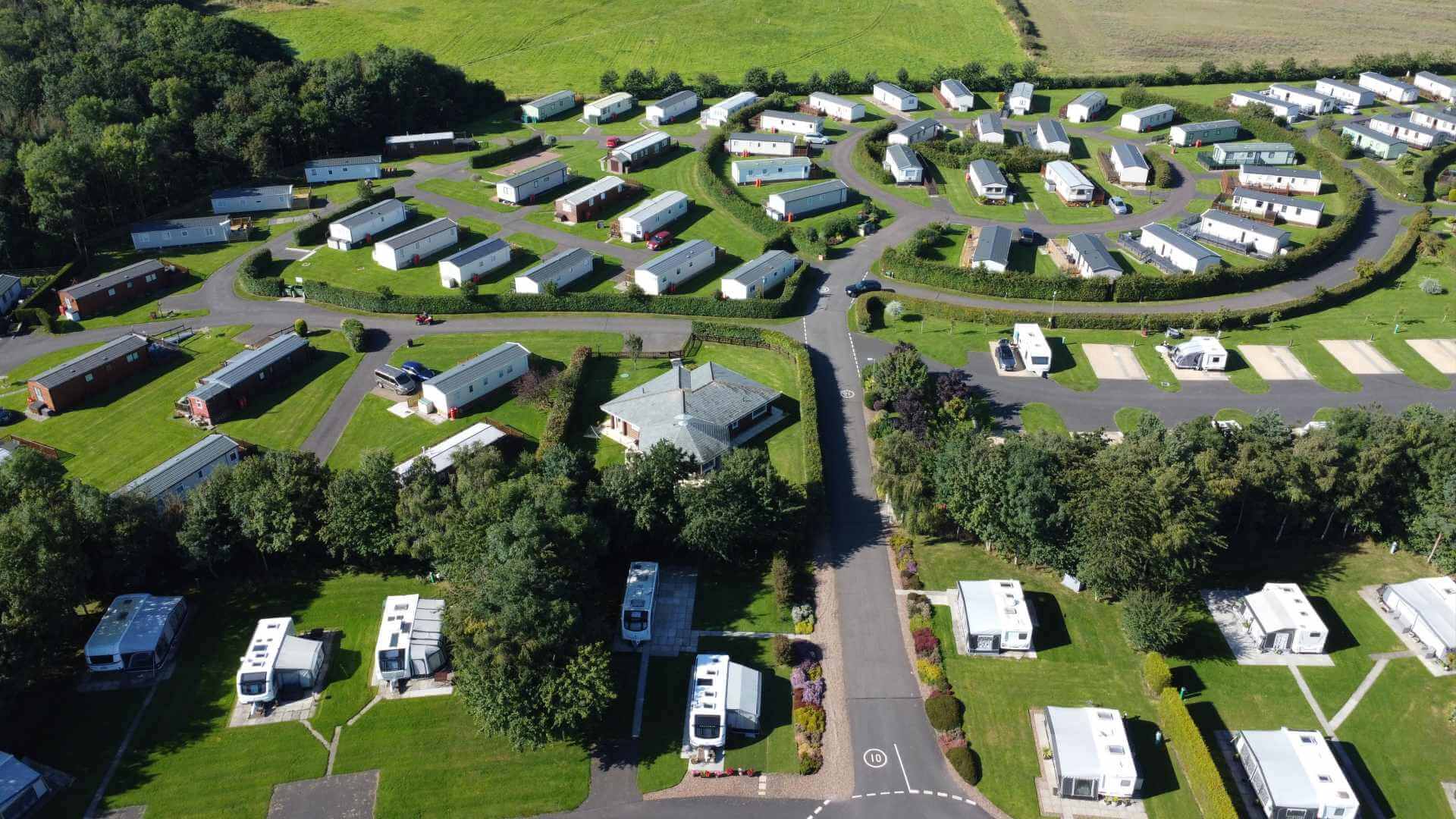
Static vs Touring Caravan Insurance – What’s the Difference?
Introduction
If you own a caravan (or you’re about to buy one), you’ll quickly notice there are two very different “types” in the eyes of insurers: static caravans and touring caravans.
They might both be used for holidays, but the risks, how they’re stored, where they’re used, and how they’re valued can be completely different. That’s why insurance is structured differently too.
In this guide, we’ll break down:
-
What counts as a static vs a touring caravan
-
The main differences in insurance cover
-
Typical exclusions and add-ons
-
What affects the price
-
How to choose the right policy (and avoid common mistakes)
If you want a quick quote or you’re unsure which category your caravan falls into, speak to a specialist broker—getting the classification wrong can cause delays or even problems with a claim.
What is a static caravan?
A static caravan (sometimes called a “holiday home” caravan) is designed to stay in one place.
Typical features:
-
Sited on a holiday park or private land
-
Usually delivered to the pitch and then not moved (or moved very rarely)
-
Often larger than touring caravans and may have decking, skirting, or other fixed additions
-
Connected to services like electricity, water, and drainage
From an insurance perspective, a static caravan is closer to a small property than a vehicle. The biggest risks tend to be storm damage, fire, theft, escape of water, and liability (for example, someone slipping on your steps or decking).
What is a touring caravan?
A touring caravan is designed to be towed behind a vehicle.
Typical features:
-
Used across multiple sites and locations
-
Stored at home, in a storage compound, or on a seasonal pitch
-
Exposed to “on the move” risks like road accidents, towing incidents, and transit theft
From an insurance perspective, touring caravan cover needs to account for both:
-
Risks while it’s parked (on a site, at home, in storage)
-
Risks during transit (towing, loading, unloading)
The big picture: why insurance differs
Insurers price risk based on frequency and severity of claims. Static and touring caravans have different claim patterns:
-
Static caravans are more exposed to weather events (wind, flood), fixed-site theft, and property-style losses.
-
Touring caravans are more exposed to transit damage, towing accidents, and higher theft risk when travelling.
That’s why the cover wording, conditions, and optional extras can vary a lot.
Static caravan insurance: what it typically covers
Static caravan insurance is usually built around “property” style cover.
Common cover sections include:
-
Caravan structure: the unit itself (walls, roof, windows, fixed fittings)
-
Contents: furniture, appliances, personal belongings kept inside
-
Awnings and outdoor items: depending on the policy (some treat these as optional)
-
Storm and flood: often included, but may have higher excesses or specific conditions
-
Fire and explosion: including accidental fire
-
Theft and vandalism: usually with security requirements (locks, park security, etc.)
-
Escape of water: e.g., burst pipes, water heater issues (often with winterisation conditions)
-
Public liability: if someone is injured or property is damaged and you’re legally responsible
Common static caravan add-ons
Depending on the insurer, you may be able to add:
-
Accidental damage (more comprehensive cover for mishaps)
-
Loss of rent / alternative accommodation (if you rent it out or can’t use it after an insured event)
-
Decking, skirting, and annexes (these can be excluded unless declared)
-
Garden/outdoor cover (storage boxes, BBQs, outdoor furniture)
-
Legal expenses
Common static caravan exclusions to watch
Static caravan policies often include conditions that can catch people out:
-
Unoccupied periods: stricter rules if the caravan is left empty for long stretches
-
Winterisation requirements: draining down water systems, heating requirements, or regular checks
-
Wear and tear / gradual deterioration: rot, corrosion, damp, vermin damage
-
Poor maintenance: claims can be reduced if damage is linked to neglect
-
Flood zones: some parks in higher-risk areas may face exclusions or higher excesses
Touring caravan insurance: what it typically covers
Touring caravan insurance is often structured more like a “vehicle plus property” hybrid.
Common cover sections include:
-
Damage to the caravan: accidental damage, fire, storm, vandalism
-
Theft and attempted theft: often with strict security requirements
-
New-for-old (on newer caravans): replacement rather than market value, subject to conditions
-
Contents: personal effects and equipment (limits apply)
-
Awnings: sometimes included, sometimes optional
-
Transit risks: damage while being towed, including certain towing incidents
-
European cover: if you travel abroad (often time-limited)
-
Public liability: for incidents at a campsite
Common touring caravan add-ons
-
Breakdown/recovery assistance (sometimes offered as a bundle)
-
Extended European cover
-
Gadget cover (laptops, tablets)
-
Personal accident cover
-
No claims discount protection
Common touring caravan exclusions to watch
-
Incorrect hitching / loading: some policies exclude damage caused by improper coupling or overloading
-
Tyres: punctures and wear may not be covered unless damaged in an insured incident
-
Theft without evidence of forced entry: can be excluded
-
Leaving it unattended: conditions on how long and where it can be left
-
Security non-compliance: not using required wheel clamps, hitch locks, trackers, or approved storage
Key differences: static vs touring caravan insurance
Here are the differences that matter most when you’re choosing cover.
1) Where the caravan “lives”
Insurance impact:
-
Static policies focus on site risks and park requirements.
-
Touring policies focus on transit, theft prevention, and storage security.
2) How the caravan is valued
-
Static: may be insured on a replacement basis or market value, depending on age and policy.
-
Touring: often offers new-for-old for newer caravans, then market value for older units.
Tip: Make sure the sum insured reflects the true cost to replace the unit and any declared extras (like decking for statics).
3) Contents and personal belongings
Always check:
4) Storm, flood, and weather exposure
-
Static: higher exposure to storms and flooding because it stays in one place.
-
Touring: still exposed, but you can move it or store it differently.
Insurance impact:
5) Theft risk and security requirements
-
Static: theft risk depends heavily on the park’s security, location, and whether it’s occupied.
-
Touring: theft risk can be higher due to travel and storage compounds.
Security requirements can include:
If you don’t meet the security conditions, a theft claim can be refused.
6) Liability cover
Both can include public liability, but the scenarios differ:
-
Static: visitors, decking/steps, maintenance issues, rented-out use.
-
Touring: campsite incidents, awning trips, accidental damage to pitch facilities.
If you rent out your static caravan, tell your broker—some policies treat this differently.
Do you need insurance by law?
In the UK, caravan insurance is generally not legally required in the same way car insurance is.
However:
-
Many holiday parks require static caravan insurance as a condition of the pitch agreement.
-
If you finance a caravan, the lender may require insurance.
-
Without cover, you’re self-insuring against potentially large losses (fire, storm, theft, liability claims).
What affects the cost of static caravan insurance?
Pricing varies, but common factors include:
-
Location of the park (including flood/storm exposure)
-
Park security (gates, CCTV, wardens)
-
Caravan value, age, and construction type
-
Whether it’s used seasonally or year-round
-
Claims history
-
Sum insured for contents and add-ons (decking, annexes)
-
Excess level and optional covers (accidental damage, loss of rent)
What affects the cost of touring caravan insurance?
Common rating factors include:
-
Caravan value and age
-
Security devices used (and whether storage is approved)
-
Where it’s stored when not in use
-
How often you travel and where
-
European cover requirements
-
Claims history and no claims discount
Common mistakes that lead to underinsurance or claim issues
A few avoidable errors come up again and again.
Not declaring modifications or additions
For static caravans, additions like decking, skirting, sheds, and annexes may not be automatically included.
For touring caravans, upgrades like solar panels, movers, air conditioning units, or bespoke interiors may need to be declared.
Insuring for the wrong value
If your sum insured is too low, you could face average (a proportional reduction in claim payout). Make sure you’re insuring for a realistic replacement cost.
Missing security conditions
If the policy says you must use a wheel clamp and you don’t, theft cover may not apply.
Assuming your car insurance covers the caravan
Some motor policies include limited third-party liability while towing, but they typically do not cover:
Renting it out without telling the insurer
If you let friends, family, or paying guests use your static caravan, this can change the risk profile. Always disclose it.
How to choose the right policy (a simple checklist)
Before you buy, ask these questions:
-
Is it definitely a static or touring caravan in insurer terms?
-
Where is it kept most of the time (park name, postcode, storage type)?
-
What’s the realistic replacement cost of the caravan and any additions?
-
Do you need contents cover, and what’s inside (single-item limits)?
-
Do you need European cover or cover while in transit?
-
What security do you have (wheel clamp, hitch lock, alarm, tracker)?
-
Do you rent it out or lend it to others?
-
What excess can you comfortably afford if you claim?
If you’re unsure, a broker can help you match the cover to how you actually use the caravan.
Static vs touring: quick comparison table
|
Feature
|
Static caravan insurance
|
Touring caravan insurance
|
|
Main use
|
Fixed pitch / holiday park
|
Towed and travelled
|
|
Risk focus
|
Storm, flood, fire, site theft
|
Transit damage, theft, storage
|
|
Cover style
|
Property-style
|
Vehicle + property hybrid
|
|
Typical add-ons
|
Decking/annexes, loss of rent
|
European cover, recovery
|
|
Security emphasis
|
Park security + locks
|
Wheel clamp/hitch lock + storage
|
FAQs
Can I insure a touring caravan as a static caravan?
Usually no. If a caravan is designed to be towed and used across multiple sites, it should be insured as a touring caravan. Insuring it under the wrong category can cause problems if you need to claim.
What if my touring caravan stays on a seasonal pitch?
Many touring caravans sit on seasonal pitches for part of the year. You’ll still normally need touring caravan insurance, but you should disclose the seasonal pitch location and any periods it’s left unattended.
Does static caravan insurance cover flooding?
Some policies include flood cover, but it can come with higher excesses, exclusions, or special conditions—especially in higher-risk areas. Always check the wording and be honest about the location.
Do I need separate insurance for my awning?
It depends. Some policies include awnings as standard, while others treat them as an optional extra or apply a low limit. If your awning is expensive, make sure it’s adequately covered.
Is my caravan covered while being towed?
Touring caravan insurance often includes cover in transit, but not all policies are the same. Some exclude certain towing incidents or require that the caravan is roadworthy and correctly hitched.
Final thoughts (and next step)
Static and touring caravans might look similar at a glance, but they’re insured differently because the risks are different.
If you want to make sure you’re properly protected—without paying for cover you don’t need—get advice based on:
-
how you use the caravan
-
where it’s kept
-
what it’s worth
-
what security you have
Call to action
If you’re looking for static caravan insurance or touring caravan insurance, we can help you compare options and get the right cover in place.
Call us on 0330 127 2333 or visit insure24.co.uk to request a quote.


 My Account