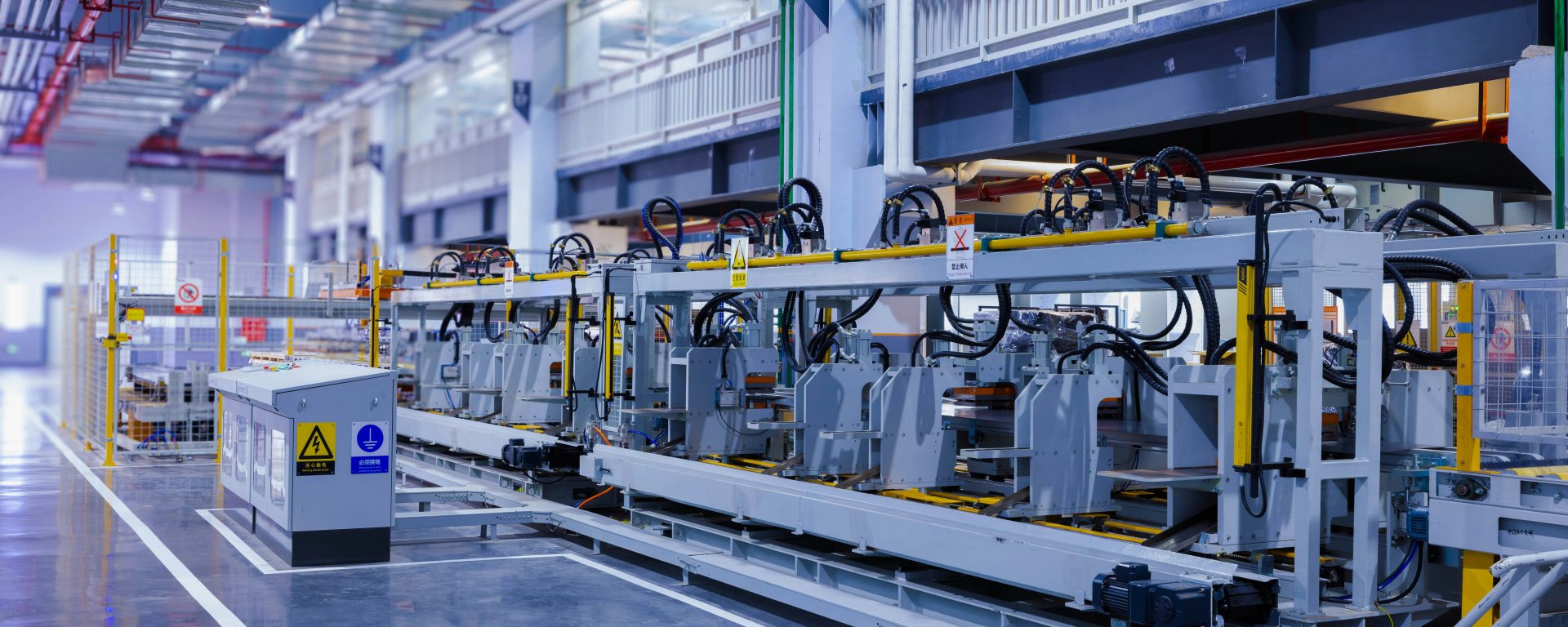
Sensor and Control Unit Facilities Manufacturing Insurance (UK)
Introduction
If you manufacture sensors, control units, PLC-based assemblies, control panels, or embedded electronics, you’re sitting at the crossroads of hardware, software, and industrial safety. That’s great for growth—but it also means your risk profile is broader than a typical “light manufacturing” business.
A single fault can trigger a chain reaction: a customer’s line goes down, a product recall starts, or a safety incident leads to legal action. Add specialist equipment, ESD-sensitive components, calibration requirements, and a supply chain that can be disrupted overnight, and it’s clear why a tailored insurance programme matters.
This guide breaks down the insurance covers UK sensor and control unit facilities manufacturers typically need, the claims we see most often, and the practical steps that can make your business more resilient (and often cheaper to insure).
What counts as a sensor and control unit manufacturing facility?
This sector includes businesses that design, assemble, test, calibrate, or manufacture:
- Industrial sensors (pressure, temperature, flow, proximity, vibration, optical)
- Control units for machinery, robotics, HVAC, process control, and building management systems
- PLC and SCADA-related hardware assemblies
- Control panels, switchgear and low-voltage assemblies (where in scope)
- Embedded electronics and firmware-driven devices
- IoT devices used in industrial or commercial environments
- Calibration and testing services (in-house or for customers)
Many firms also provide integration, commissioning, maintenance, or remote monitoring—activities that introduce additional liability exposures.
Why standard manufacturing insurance often isn’t enough
A “basic” manufacturing package can leave gaps for this industry because:
- Your products can cause downstream losses (production stoppages, rejected batches, safety incidents)
- You may have design responsibility, not just assembly
- Firmware/software elements can trigger professional indemnity-style claims
- You may handle customer specifications, drawings, and confidential data
- Your equipment can be specialist and expensive (test rigs, calibration benches, environmental chambers)
- Your customers may impose strict contract terms (including indemnities and fitness-for-purpose wording)
The goal is to build a programme that matches how you operate: what you make, where it’s used, and what you’re contractually on the hook for.
Core covers for sensor and control unit manufacturers
1) Product liability (and public liability)
Product liability protects you if a product you manufacture causes injury or property damage after it leaves your control. Public liability covers injury or property damage arising from your premises or day-to-day operations (for example, a visitor slips in your factory).
Why it matters in this sector:
- A faulty sensor could cause overheating, pressure build-up, or mechanical failure
- A control unit fault could lead to unsafe machine behaviour
- A miswired control panel could cause fire or equipment damage
Key points to check:
- Indemnity limits that match customer requirements
- Worldwide territory (if you export) and jurisdiction wording
- Inclusion of “products supplied” and “work away” if you install/commission
- Treatment of “inefficacy” or “failure to perform” (often excluded unless bought back)
2) Employers’ liability (legally required in most cases)
If you employ staff, employers’ liability is usually a legal requirement in the UK.
Typical exposures in manufacturing facilities include:
- Manual handling injuries
- Soldering fumes and chemical exposure
- Electrical hazards
- Machinery-related injuries
- Stress and repetitive strain injuries
Insurers will look closely at your health & safety management, training, and risk assessments.
3) Property insurance (buildings, contents, stock, equipment)
Property cover protects your physical assets against insured events such as fire, flood, storm, theft, and escape of water.
For sensor/control unit facilities, pay attention to:
- Specialist equipment values (test rigs, calibration tools, environmental chambers)
- Stock and components (including high-value semiconductors)
- Goods in transit (inbound components and outbound finished units)
- High-risk processes (hot works, soldering, conformal coating, battery storage)
If you lease your premises, you may still be responsible for fixtures, improvements, and contents.
4) Business interruption (BI)
Business interruption is often the difference between a bad incident and an existential one. BI covers loss of gross profit and ongoing costs following an insured property event.
Common BI triggers:
- Fire in assembly or test areas
- Flood affecting production lines
- Theft of critical equipment
- Major supplier disruption (depending on extensions)
What to get right:
- Indemnity period (often 12–24 months for manufacturers)
- Gross profit basis and correct sums insured
- Increased cost of working (outsourcing production, temporary premises)
- Supplier/customer extensions if you rely heavily on a few relationships
5) Product recall and rectification (where appropriate)
If a batch is defective, you may need to retrieve products, notify customers, and replace or repair units.
Recall-related costs can include:
- Customer notification and logistics
- Testing and analysis
- Disposal and rework
- PR and crisis management
Standard liability policies usually don’t cover recall costs unless specifically added.
6) Professional indemnity (PI) for design, specification, and advice
If you design products, provide engineering advice, produce drawings, or specify systems, professional indemnity becomes important.
PI claims in this sector often involve:
- Design errors leading to performance issues
- Incorrect specification for a customer’s environment (temperature, vibration, ingress protection)
- Firmware/logic issues causing downtime
- Failure to meet contractual performance criteria
PI is also relevant if you provide integration or commissioning services.
7) Cyber insurance
Even if you’re not a “software company”, cyber risk is real for manufacturers:
- Ransomware disrupting production
- Compromised remote access to monitoring systems
- Data breaches involving customer drawings, BOMs, or test results
- Supplier compromise (e.g., malicious firmware updates)
Cyber policies can cover incident response, business interruption from cyber events, and liability.
8) Contractors’ all risks / installation cover (if you work on-site)
If you install, commission, or modify equipment at customer sites, you may need cover for:
- Tools and equipment
- Contract works
- On-site liability exposures
This is especially relevant if you’re working in factories, plants, or construction environments.
9) Directors’ and officers’ (D&O) liability
D&O protects company directors and officers against claims alleging wrongful acts in management.
This can be relevant if:
- You have external investors
- You’re tendering for large contracts
- You’re in a regulated or safety-critical supply chain
10) Legal expenses
Legal expenses insurance can help with:
- Employment disputes
- Contract disputes
- Debt recovery nIt’s often bundled into commercial combined policies.
Common claims and risk scenarios
Insurers price risk based on what tends to go wrong. Here are scenarios that frequently drive claims in this space.
Faulty component leading to downstream damage
A batch of sensors fails early due to a supplier component issue. The customer alleges property damage to machinery and demands compensation.
Control logic error causing production stoppage
A control unit firmware issue triggers repeated line stoppages. The customer claims for downtime and wasted materials.
Fire or smoke damage from electrical fault
A fault in a control panel causes overheating and fire. Even if the fire is contained, smoke contamination can destroy stock and damage sensitive equipment.
ESD damage and latent defects
Electrostatic discharge can create latent defects that only show up after installation. This can lead to expensive investigations, returns, and reputational harm.
Calibration disputes
If calibration records are incomplete or disputed, you may face claims that products were out of tolerance and caused failures.
Contractual disputes over fitness for purpose
Customers may attempt to push liability beyond negligence—especially with “fitness for purpose” clauses. This can create uninsured exposures if not managed.
What insurers and underwriters will ask you
To get competitive terms, be ready to explain:
- What you manufacture (product list, use cases, end markets)
- Whether products are safety-critical (e.g., used in machinery guarding, pressure systems)
- Your quality management system (ISO 9001, ISO 13485 if relevant)
- Testing, traceability, and batch control
- Supplier management and incoming inspection
- ESD controls and clean/controlled environments
- Any hazardous processes (hot works, conformal coating, solvents)
- Fire protections (alarms, sprinklers, compartmentation)
- Business continuity plans and critical spares strategy
- Claims history (or lack of it)
The clearer your story, the easier it is for an underwriter to support strong limits and sensible pricing.
Practical risk management steps that can reduce claims (and premiums)
You don’t need to be perfect—but you do need to be organised. These steps often make a measurable difference.
Strengthen quality and traceability
- Maintain batch/serial traceability from components to finished units
- Record test results and calibration certificates
- Keep clear non-conformance and corrective action logs
Tighten ESD and handling controls
- ESD flooring, wrist straps, and grounded benches
- Staff training and audits
- Controlled storage for sensitive components
Review contracts and limit liability
- Avoid “fitness for purpose” where possible
- Cap liability to a sensible amount (often linked to contract value)
- Exclude consequential loss where you can
- Ensure your terms align with your insurance coverage
Protect critical equipment
- Preventative maintenance schedules
- Spare parts strategy for long lead-time items
- Environmental controls (humidity, temperature)
Improve fire and electrical safety
- PAT testing and fixed wiring inspections
- Thermal imaging for electrical panels (where appropriate)
- Proper storage for batteries and flammables
- Hot works permits and housekeeping
Build a business continuity plan
- Identify single points of failure
- Document alternative suppliers
- Plan for temporary outsourcing or shift patterns
- Back up critical data and test restores
How to choose the right limits and structure
There’s no one-size-fits-all, but these factors drive the right approach:
- Customer contracts: required liability limits and specific clauses
- Where products are used: industrial plants, healthcare, transport, consumer environments
- Export exposure: territory and jurisdiction
- Revenue and payroll: for rating and BI calculations
- Worst-case scenario thinking: fire, recall, or a major liability claim
A broker who understands manufacturing and technology risks can help you balance cost with meaningful protection.
What information to prepare for a quote
To speed up quoting and improve accuracy, gather:
- Turnover split by product/service and by territory
- Largest customers and contract requirements
- Product descriptions and end-use details
- Quality certifications and process overview
- Claims history (typically 3–5 years)
- Building details (construction, protections, occupancy)
- Values for buildings, contents, stock, and equipment
- Desired BI indemnity period and financials
- Any on-site installation/commissioning activities
FAQs: Sensor and control unit facilities manufacturing insurance
Is product liability enough if we only manufacture to a customer’s design?
Not always. Even if the customer provides the design, you can still be liable for manufacturing defects, quality control failures, and sometimes for advising on suitability.
Do we need professional indemnity if we don’t “consult”?
If you design, specify, modify, or provide technical advice (including firmware/logic), PI is worth considering. Many contracts also require it.
Are recall costs covered under standard policies?
Usually not. Recall and rectification often need a specific extension or standalone cover.
What about goods in transit and courier losses?
If you ship high-value electronics, consider goods in transit cover and ensure packaging and courier procedures meet insurer expectations.
Does cyber insurance matter for a small manufacturer?
Yes. Ransomware and business email compromise are common, and downtime can be costly even for smaller operations.
Can we insure against supplier failure?
Some BI policies offer supplier extensions, but they’re not universal. It depends on the insurer and the nature of the dependency.
Call to action
If you run a sensor or control unit manufacturing facility, the right insurance isn’t just a tick-box—it’s a practical tool to protect cashflow, contracts, and reputation.
If you’d like, share a quick overview of what you manufacture, whether you design firmware/software in-house, and where your products are used. I can help you map the right covers and the key questions to ask when comparing quotes.


 My Account