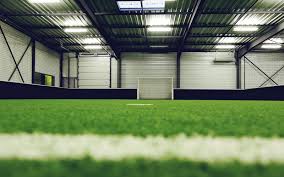
Scooter Park Sports Facility Insurance (UK): A Complete Guide
Introduction: why scooter parks need specialist insurance
Scooter parks (often called scooter parks, skateparks, or wheeled sports parks) are high-energy venues. They attract riders of different ages and abilities, run events, host coaching, and sometimes include cafés, shops, hire services, or lessons. That mix creates a unique risk profile: fast-moving participants, hard surfaces, ramps and rails, spectators, volunteers, and a steady flow of social media content.
A standard “business insurance” policy can leave gaps. Scooter parks usually need sports facility insurance designed for participant injury risk, public access, and the realities of operating a venue. The goal isn’t to over-insure; it’s to make sure the cover matches how you actually run the park.
This guide explains the main covers, common exclusions, typical claims, and practical steps to protect your scooter park in the UK.
What is scooter park sports facility insurance?
Sports facility insurance is a bundle of covers designed for venues that host sporting or recreational activity. For scooter parks, it typically combines:
- Public liability (and often participant-to-participant considerations)
- Employers’ liability (if you have staff)
- Property insurance for buildings, ramps, and contents
- Business interruption
- Personal accident (optional)
- Legal expenses (optional)
- Equipment cover (including hire fleets)
- Event insurance (as needed)
The exact mix depends on whether you’re indoor/outdoor, staffed/unmanned, council-owned/leased, and whether you run coaching or hire.
Who needs this insurance?
If you operate or manage any of the following, you should look at specialist cover:
- Indoor scooter parks and multi-use wheeled sports centres
- Outdoor scooter parks (including those with lighting and fenced perimeters)
- Parks with coaching, classes, camps, or competitions
- Venues with cafés, retail, pro shops, or vending
- Facilities with equipment hire (scooters, helmets, pads)
- Community interest companies (CICs), charities, or clubs running sessions
- Operators working under a lease/licence from a local authority
Even “free-to-use” parks can face claims if you’re responsible for maintenance, inspections, or supervision.
Key risks at scooter parks (and why insurers care)
Insurers price scooter park risk based on frequency and severity. The main risk drivers include:
- Participant injuries: falls, collisions, over-rotation on ramps, wrist/ankle fractures, head injuries
- Surface and structural hazards: cracks, loose coping, damaged rails, water pooling, poor drainage, ice
- Crowd management: busy sessions, mixed ability levels, younger riders mixing with advanced riders
- Spectator injuries: people standing too close to run-outs, children wandering into riding areas
- Third-party property damage: damage to nearby cars, buildings, fencing, lighting
- Allegations of negligence: poor signage, inadequate supervision, insufficient inspections, delayed repairs
- Safeguarding and duty of care: youth sessions, coaching, volunteers
- Theft and vandalism: tools, shop stock, hire fleet, cash, and damage to ramps
- Fire and escape of water: especially for indoor parks with cafés and electrical installations
The better you can evidence risk controls (inspections, rules, incident logs), the more comfortable insurers are.
The core covers explained
1) Public liability insurance
Public liability covers your legal liability if a third party is injured or their property is damaged due to your negligence.
For scooter parks, “third party” can include:
- Spectators and visitors
- Parents/guardians
- Contractors on site
- Other members of the public
Example claims:
- A visitor slips on a wet entrance area and fractures a wrist.
- A loose handrail causes a spectator injury.
- A rider’s scooter is damaged due to a poorly maintained surface and the owner alleges negligence.
Limit of indemnity: Many venues choose £2m, £5m, or £10m depending on footfall, contracts, and landlord/council requirements.
Important details to check:
- Does the policy treat participants as “third parties” for liability purposes?
- Are “wheeled sports” and scooter use explicitly included?
- Are events, competitions, and coaching included?
- Are volunteers covered?
2) Employers’ liability insurance (EL)
If you employ staff (including part-time, seasonal, or sometimes volunteers), UK law generally requires employers’ liability insurance with a minimum of £5m.
Example claims:
- A staff member injures their back moving portable ramps.
- A coach is injured due to a defective platform or poor lighting.
Even if you think you’re “casual” or “community-run”, EL can still be required depending on your arrangements. It’s worth checking your status and contracts.
3) Property and contents insurance
Property cover protects buildings and fixed structures. For scooter parks, this may include:
- Indoor building (if owned) or tenant’s improvements
- Fixed ramps/rails/bowls (where insurable as part of the structure)
- Lighting, fencing, gates, CCTV
- Office equipment, EPOS systems
- Café equipment and stock
- Retail stock (helmets, decks, wheels, apparel)
Key points:
- Ensure sums insured reflect rebuild/replace costs, not just book value.
- Clarify whether outdoor concrete/steel structures are covered and how they’re valued.
- Consider accidental damage cover if you frequently move modular features.
4) Business interruption (BI)
BI covers lost gross profit and ongoing expenses if you can’t operate due to an insured event (like fire, flood, or major damage).
For scooter parks, BI can be crucial because:
- Memberships may pause or cancel
- Coaching income stops
- Events are postponed
- Rent, utilities, and wages may continue
Choose an indemnity period that matches realistic rebuild/repair timelines (often 12–24 months for serious losses).
5) Equipment insurance (including hire fleets)
If you hire scooters or protective gear, you may need cover for:
- Theft (including from locked storage)
- Accidental damage
- Loss in transit (if you take equipment to events)
Also consider how you manage deposits, ID checks, and condition checks—these can affect claims.
6) Professional indemnity (PI) for coaching and instruction
If you provide coaching, lessons, or structured training, professional indemnity can cover claims alleging negligent instruction.
Example claim:
- A participant alleges a coach encouraged an unsafe progression leading to injury.
PI is often overlooked by venues that focus only on public liability.
7) Personal accident cover (optional)
Personal accident can provide fixed benefits for injuries to staff, volunteers, or sometimes participants (depending on the policy design). It’s not a substitute for liability cover, but it can help with:
- Fracture benefits
- Temporary total disablement
- Dental injury benefits (common in wheeled sports)
8) Legal expenses (optional)
Legal expenses can help with:
- Employment disputes
- Contract disputes (e.g., suppliers, landlords)
- Tax investigations
- Health & safety defence costs (where included)
9) Cyber insurance (increasingly relevant)
If you take online bookings, store member data, or run a POS system, cyber cover can help with:
- Data breach response
- Business interruption from cyber incidents
- Ransomware recovery
- Liability and regulatory support
Common exclusions and “gotchas” to watch
Insurance is all about the detail. For scooter parks, watch for:
- Exclusions for “extreme sports” or “hazardous activities” that inadvertently capture scooters
- No cover for participants (some policies only cover spectators/visitors)
- Unattended premises conditions (especially for outdoor parks with storage)
- Wear and tear / gradual deterioration (maintenance is on you)
- Defective workmanship (if ramps were installed incorrectly)
- Heat work conditions (welding repairs without proper controls)
- Alcohol-related incidents (if you host events with alcohol)
- Age restrictions (if your sessions include under-8s or under-12s)
- Unapproved events (competitions or demos not declared)
A good broker will align the policy wording with your actual operations.
How insurers assess your scooter park
Expect questions like:
- Indoor vs outdoor; size; construction materials
- Average footfall; peak times; age mix
- Supervision model (staffed sessions, marshals, CCTV)
- Coaching: qualifications, ratios, safeguarding policies
- Condition and maintenance: inspection frequency, repair logs
- Rules and signage: helmets, pads, one-way flow, run-out zones
- Incident reporting process
- Hire equipment: storage, cleaning, inspection, deposits
- Events: frequency, spectator numbers, third-party vendors
- Security: alarms, locks, shutters, CCTV, perimeter fencing
- Fire safety: extinguishers, emergency lighting, PAT testing
The more organised your documentation, the easier it is to get broad cover at sensible terms.
Risk management that reduces claims (and can reduce premiums)
You don’t need a “perfect” facility—just a well-managed one. Practical steps include:
- Daily visual checks of riding surfaces, rails, and entrances
- Formal recorded inspections weekly/monthly (with photos)
- Clear rules signage at entry points and key zones
- Session structure: beginner/intermediate/advanced slots during busy periods
- Helmet and pad policies (and how you enforce them)
- Run-out zones marked and kept clear
- First aid readiness: trained staff, stocked kits, incident forms
- Safeguarding: DBS checks where appropriate, code of conduct, reporting route
- Contractor controls: RAMS for repairs, hot works permits if welding
- Lighting and CCTV maintenance
- Weather plan for outdoor parks: wet surface closures, gritting, drainage checks
These controls also help defend claims by showing you took reasonable care.
Contracts, councils, and landlord requirements
If you lease space from a council or landlord, you may be required to carry:
- Public liability at a specified limit (often £5m+)
- Employers’ liability (if you have staff)
- Evidence of risk assessments and method statements
- Indemnities for events
Always match your policy to your contract wording. If your contract says you must cover “all activities including coaching and events,” make sure the insurer has those declared.
How much does scooter park insurance cost?
Costs vary widely, but the biggest drivers are:
- Claims history
- Footfall and participant numbers
- Supervision and coaching exposure
- Indoor vs outdoor (fire/theft risk differs)
- Sums insured for buildings/contents
- Security measures
- Events and third-party vendors
The best way to control cost is to avoid gaps (which cause disputes) and demonstrate strong risk management.
What information to prepare before getting a quote
To speed up quoting and avoid back-and-forth, gather:
- Business details: legal entity, trading name, address, years trading
- Description of activities (scooter, BMX, skate, inline—be specific)
- Opening hours and session structure
- Staff numbers and payroll estimate
- Coaching details: qualifications, ratios, age groups
- Hire equipment details: values, storage, processes
- Property sums insured and asset list
- Risk assessment and inspection schedule
- Any previous claims or incidents
FAQs: scooter park sports facility insurance
Do I need insurance if the park is free to use?
If you’re responsible for maintenance or management, you can still face liability claims. Insurance is strongly recommended.
Does public liability cover rider injuries?
Sometimes, but not always. Some policies treat participants differently. You must confirm the wording includes your activities and how participants are defined.
Do I need professional indemnity if I offer coaching?
If you provide instruction, PI is worth considering because claims can allege negligent advice or training, not just unsafe premises.
Are events automatically covered?
Not always. Many policies require you to declare events, competitions, demos, or higher-risk sessions.
What about volunteers?
Volunteers may be treated as employees for liability purposes. Confirm how they’re covered under EL/PL.
Are helmets mandatory?
That’s an operational decision, but insurers often like clear PPE policies. If you set rules, you need a realistic way to enforce them.
Can I cover multiple locations?
Yes—many policies can be arranged on a multi-site basis. Make sure each site’s activities and values are declared.
Final thoughts: protect the park and keep sessions running
Scooter parks are community hubs. The right insurance should support that mission: protect participants and visitors, safeguard your assets, and keep cashflow stable if something goes wrong.
If you want a quick, accurate quote, be clear about your activities (including coaching, events, and hire), keep your inspection records tidy, and choose limits that match your contracts.
Call to action
If you run a scooter park in the UK and want sports facility insurance that fits how you operate, speak to a specialist broker. Share your activities, footfall, and risk controls, and you’ll get terms that make sense—without nasty surprises at claim time.


 My Account