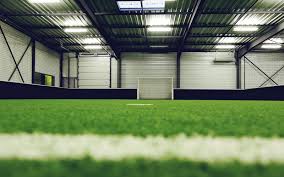
School Sports Facilities (Private Hire): Sports Facility Insurance Guide (UK)
Introduction: why school sports facilities need specialist insurance
If your school hires out its sports hall, pitches, MUGA, gym, studio, swimming pool, or changing rooms to the public, you’re effectively operating a “sports facility” as well as an education site. That creates a different risk profile: higher footfall outside normal hours, a wider range of users, more varied activities, and less direct supervision by school staff.
The right sports facility insurance helps protect the school’s budget, governors/trustees, and reputation if someone is injured, property is damaged, or an incident triggers a claim. It also supports smoother lettings: many clubs and organisers will ask for proof of cover before they sign a hire agreement.
This guide explains the key covers for UK schools offering private hire, the claims that commonly arise, and how to structure your insurance so it actually responds when you need it.
What counts as “private hire” for a school sports facility?
Private hire (often called “lettings”) is any arrangement where an external party uses your facilities outside the school’s core educational activities. Examples include:
- Local football, rugby, cricket, netball or hockey clubs hiring pitches
- Martial arts, dance, yoga, gymnastics or fitness classes using a hall or studio
- Community leagues using a sports hall or MUGA
- Swimming lessons using the pool
- Holiday camps, after-school clubs, and weekend tournaments
- One-off events such as charity matches or sports days
From an insurance perspective, the key point is this: the hirer’s activity may not be covered under the school’s standard education policy unless it’s declared and specifically included.
The core covers you should consider
Insurance needs vary by site, but most schools that hire out sports facilities should review the following covers.
1) Public liability (PL)
Public liability covers the school if a member of the public is injured or their property is damaged due to the school’s negligence.
Typical examples:
- A visitor slips on a wet floor in the sports hall corridor
- A goalpost falls because it wasn’t properly secured
- A spectator is injured by a stray ball due to inadequate barriers
- A hirer’s car is damaged by a falling branch in the car park
Key points to check:
- The policy must include “lettings” or “hirers” use
- The limit of indemnity is often £2m, £5m, or £10m (many councils and clubs expect £5m+)
- Any exclusions for specific sports (e.g., combat sports) or for use of inflatables
2) Employers’ liability (EL)
Employers’ liability is a legal requirement in the UK if you employ staff. It covers injury or illness claims from employees.
Why it matters for private hire:
- Caretakers, site managers, or lettings staff may be working evenings/weekends
- Staff may be moving equipment, unlocking areas, cleaning, or supervising
- Claims can arise from manual handling, slips/trips, or assaults
Even if the hirer “runs the session”, your staff may still be exposed to risk on-site.
3) Property/buildings insurance (including sports equipment)
Property cover protects the school’s buildings and contents against insured events such as fire, flood, storm, escape of water, vandalism, and theft.
For sports facilities, pay attention to:
- Sports hall flooring (specialist surfaces can be expensive to repair)
- Changing rooms and showers (escape of water is a common loss)
- Flood risk for pitches and low-lying buildings
- Outdoor equipment (goals, nets, storage containers)
- Portable equipment (weights, mats, sound systems)
If you hire out equipment as part of the booking, make sure it’s included and that theft cover applies when the premises are unattended.
4) Business interruption (BI)
Business interruption covers loss of income and additional costs if an insured event stops you using the facility.
For schools, BI can be relevant where:
- Lettings income is material to the budget
- You have contractual commitments to clubs
- You need to hire alternative facilities to keep programmes running
Check the “indemnity period” (often 12–24 months). Rebuilding or drying out a sports hall can take longer than you expect.
5) Legal expenses
Legal expenses insurance can help with:
- Defending health and safety prosecutions
- Contract disputes with hirers
- Employment disputes
- Property disputes nThis can be useful where lettings agreements, cancellations, and damage disputes create friction.
6) Personal accident (optional)
Personal accident can provide fixed benefits if certain injuries occur. It’s not a substitute for liability cover, but some schools add it for volunteers, coaches, or certain events.
7) Cyber insurance (if you take online bookings/payments)
If you run bookings through an online system, store personal data, or take card payments, cyber cover can help with:
- Data breach response and notification costs
- Business interruption from IT outages
- Ransomware and extortion support
- Liability claims relating to personal data
Even a “simple” lettings process can involve names, contact details, safeguarding documentation, and payment records.
Who is responsible: the school or the hirer?
This is one of the most common areas of confusion.
In practice, responsibility is shared:
- The school is responsible for the premises, maintenance, and safe condition of the facility
- The hirer is responsible for how they run their activity, supervision, coaching, and participant safety
A well-written lettings agreement should clarify:
- What areas are included/excluded (e.g., hall only, no access to classrooms)
- Who provides supervision and first aid
- Rules on equipment use and storage
- Cleaning responsibilities
- Damage reporting and charges
- Safeguarding expectations
- Insurance requirements for the hirer
Insurance should be structured to match that contract. If the contract says the hirer must carry their own public liability, make sure you actually verify it and keep evidence on file.
Common claims for school sports facilities on private hire
Knowing what typically goes wrong helps you put controls in place and avoid claims.
Slip, trip and fall injuries
Evening and weekend use increases the chance of:
- Wet entrances from rain
- Poor lighting in car parks
- Loose mats, trailing cables, or uneven thresholds
- Spills in vending areas
Controls:
- Regular inspections before each booking
- Clear reporting process for hazards
- Adequate lighting and signage
- Documented cleaning schedules
Damage to floors and surfaces
Sports hall floors are a frequent pain point. Damage can occur from:
- Incorrect footwear (studs, outdoor shoes)
- Dragging heavy equipment
- Spilled drinks
- Unapproved adhesives (tape for lines)
Controls:
- “No outdoor shoes” rules and signage
- Protective mats for heavy equipment
- Clear hire terms on prohibited items
- Pre- and post-hire condition checks
Goalpost and equipment injuries
Portable goals, basketball posts, and gym equipment can cause serious injuries if not secured.
Controls:
- Fixed anchoring where possible
- Written setup and takedown procedures
- Only trained staff to move/assemble equipment
- Regular maintenance logs
Vandalism and theft
Out-of-hours access can increase opportunistic theft or damage.
Controls:
- Controlled access (keys, fobs, codes)
- CCTV and alarm coverage
- Secure storage for portable equipment
- Clear rules on who can access changing rooms and stores
Safeguarding incidents
If children or vulnerable people attend sessions, safeguarding becomes central.
Controls:
- DBS checks where appropriate
- Clear supervision ratios
- Separate changing arrangements where needed
- Incident reporting and escalation procedures
Safeguarding failures can lead to reputational harm and, in some cases, liability claims.
Key exclusions and “gotchas” to watch for
Insurance often fails at claim time due to small details. Common issues include:
- Lettings not declared to the insurer (policy written for “education only”)
- Exclusions for certain activities (e.g., boxing, wrestling, trampolining)
- Exclusions for bouncy castles/inflatables or “events” use
- Requirements for regular inspections/maintenance not being met
- Wear and tear not covered (especially for floors and equipment)
- Theft exclusions if there’s no forcible/violent entry
- Unoccupied premises conditions during holidays
If you’re expanding into new activities (e.g., combat sports, climbing walls, trampolines, inflatables, or large tournaments), treat it as a material change and check cover before you take the booking.
How to set sensible insurance requirements for hirers
A practical approach is to require hirers to provide:
- Proof of public liability insurance (often £5m)
- Employers’ liability if they have staff
- Professional indemnity if they provide coaching/instruction (especially for higher-risk sports)
- Evidence of safeguarding policies if children are involved
You can also request:
- Risk assessments and method statements for certain activities
- First aid arrangements
- Confirmation of qualified coaches/instructors
Be careful not to create requirements you don’t enforce. If you state “insurance must be provided” but never check it, you may be left exposed.
Risk management checklist for schools offering sports lettings
Insurers like to see clear controls. Here’s a practical checklist you can adapt.
- Written lettings policy and hire agreement
- Facility inspection checklist (before and after each booking)
- Maintenance logs for goals, flooring, lighting, fire exits, alarms
- Clear rules on footwear, food/drink, and equipment use
- Access control process (keys, codes, sign-in/out)
- Incident/accident reporting procedure
- Safeguarding requirements for hirers
- Fire safety plan and evacuation routes shared with hirers
- Defibrillator access and first aid arrangements
- Clear signage for car parks, entrances, and restricted areas n Even basic documentation can make a big difference in defending a claim.
How to get the right sports facility insurance for a school
When you request quotes, be ready to share:
- Facility types (sports hall, pitches, pool, gym, MUGA)
- Activities permitted (including any higher-risk sports)
- Lettings frequency and annual income
- Typical number of users and peak events
- Supervision arrangements (school staff vs hirer)
- Equipment provided and storage arrangements
- Security measures (alarms, CCTV, locks)
- Claims history (if any)
The more accurate the information, the more reliable the cover. Underinsurance or non-disclosure can cause reduced claim payments or declined claims.
Frequently asked questions (FAQs)
Do we need separate insurance for lettings?
Not always, but you do need to ensure your existing school insurance specifically includes private hire/lettings and the activities you allow. Many policies can be extended, but it must be declared.
What public liability limit should we have?
Many hirers expect £5m as a minimum, and some councils or larger events may require £10m. The right level depends on footfall, activities, and your risk appetite.
If the hirer has insurance, do we still need ours?
Yes. The hirer’s policy covers their negligence; it won’t automatically cover the school’s negligence as premises owner. Both parties should have appropriate cover.
Are sports injuries covered under public liability?
Public liability responds when the school is legally liable (for example, due to unsafe premises or poorly maintained equipment). It does not cover “normal” sporting injuries where there’s no negligence.
Does insurance cover damage caused by the hirer?
Property insurance may cover insured events (e.g., fire, storm, escape of water). Accidental damage cover can help for one-off mishaps, but deliberate damage and wear and tear are usually excluded. Many schools also use deposits and recharge clauses.
What about safeguarding and abuse claims?
Some policies include limited cover for abuse/molestation liability; others exclude it or require specialist extensions. If children or vulnerable people use the facilities, discuss safeguarding exposures with your broker.
Conclusion: protect your school and keep lettings running smoothly
Private hire can be a valuable income stream and a great community service, but it needs the right insurance and clear processes. Start by confirming your policy includes lettings and the specific activities you allow, then tighten up your hire agreement, inspection routines, and documentation.
If you’d like, share the types of facilities you hire out (hall, pitches, pool, gym) and the activities you allow, and I’ll help you outline a simple insurance spec you can send to insurers.
Call to action
Need sports facility insurance for a school that hires out its facilities? Speak to Insure24 for a UK-based review of your lettings risks and a quote tailored to your activities, income, and safeguarding requirements.


 My Account