

 My Account

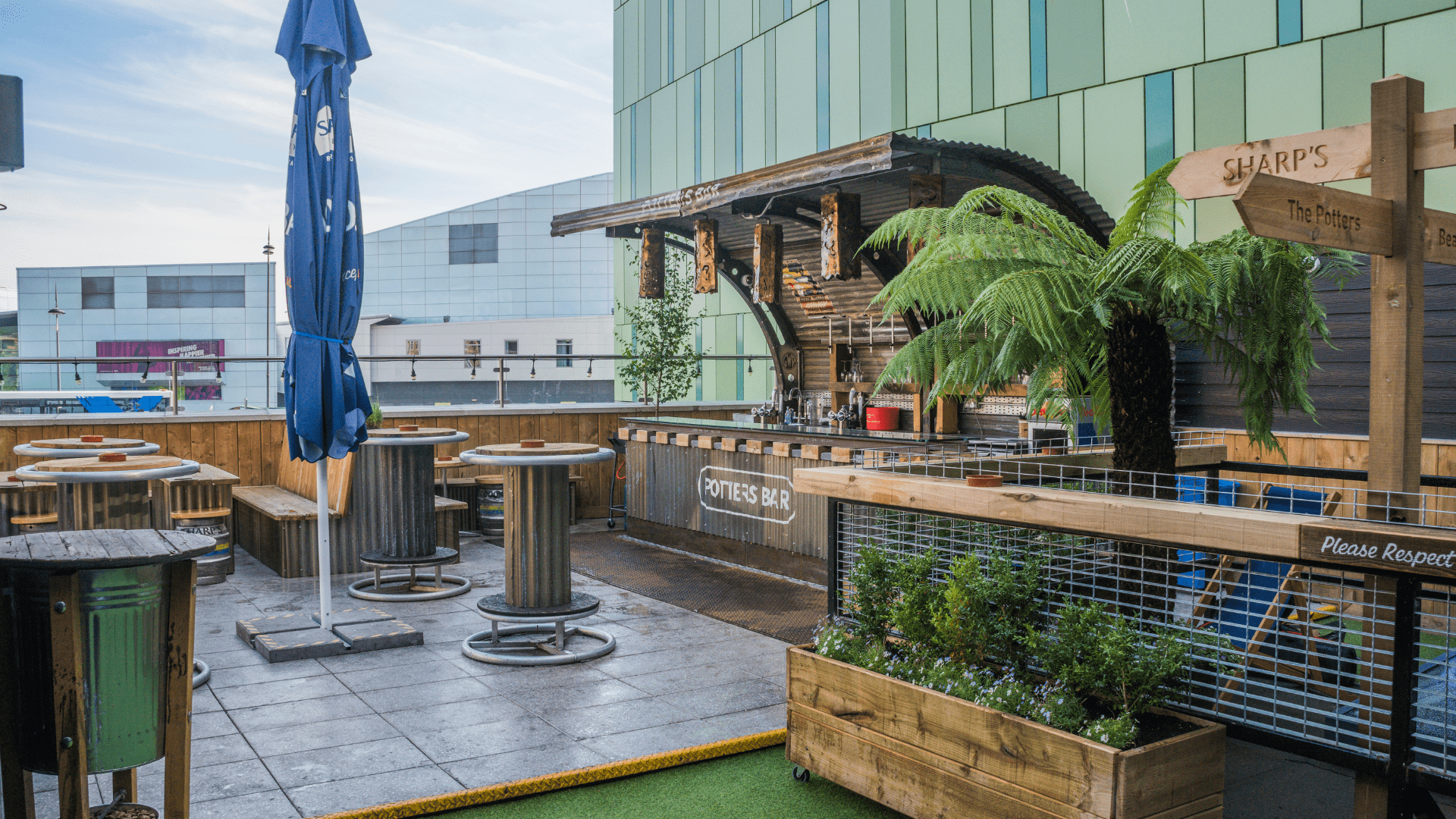
Running a bar comes with unique risks and responsibilities. From busy Friday nights with crowds of customers to quiet wee…
Rural Bar Insurance: Comprehensive Protection for Country Pubs and Village Bars
Running a rural bar or country pub presents unique challenges and risks that differ significantly from urban establishments. From seasonal fluctuations to remote locations, rural bars face distinct operational hurdles that require specialized insurance coverage. This comprehensive guide explores the essential insurance protection needed for rural bars, helping owners understand their coverage options and regulatory requirements.
Understanding Rural Bar Operations
Rural bars serve as vital community hubs, often combining traditional pub services with accommodation, dining, and event hosting. These establishments typically operate in converted historic buildings, farmhouses, or purpose-built structures in countryside locations. The remote nature of rural bars creates specific vulnerabilities including limited emergency services access, seasonal customer variations, and dependence on local tourism.
Many rural bars operate as family businesses, passed down through generations, creating emotional and financial investments that require comprehensive protection. The seasonal nature of rural tourism means these establishments often experience significant revenue fluctuations, making business interruption coverage particularly crucial.
Key Insurance Coverage Areas
Buildings and Property Insurance
Rural bars often occupy older buildings with unique architectural features that require specialized coverage. Historic structures may need heritage building insurance, while converted farmhouses require coverage for non-standard construction materials. Property insurance should cover the main building, outbuildings, beer gardens, car parks, and any accommodation facilities.
Weather-related damage poses significant risks for rural locations, including flooding, storm damage, and subsidence. Remote locations may face delayed emergency response times, potentially increasing damage severity. Coverage should include alternative accommodation costs if the premises become uninhabitable.
Contents and Equipment Protection
Bar equipment, furniture, fixtures, and stock require comprehensive coverage against theft, damage, and breakdown. Rural locations may be more vulnerable to break-ins due to reduced surveillance and longer police response times. Specialized equipment like cellar cooling systems, kitchen appliances, and point-of-sale systems need specific coverage.
Stock protection should cover alcoholic beverages, food inventory, and retail merchandise. Seasonal stock variations require flexible coverage limits to accommodate peak periods like Christmas, summer holidays, and local festivals.
Public Liability Insurance
Rural bars face unique public liability exposures including uneven outdoor surfaces, historic building features, and extensive grounds. Beer gardens, car parks, and footpaths create additional liability risks, particularly during adverse weather conditions. Coverage should protect against customer injuries, property damage claims, and legal defense costs.
Events and functions common in rural bars, such as weddings, birthday parties, and community gatherings, increase public liability exposure. Temporary structures like marquees, outdoor bars, and entertainment areas require specific coverage consideration.
Employers Liability Protection
Staff working in rural bars may face unique risks including lone working, handling deliveries in remote areas, and maintaining extensive grounds. Seasonal staff fluctuations require flexible coverage to accommodate varying employee numbers throughout the year.
Kitchen staff face standard catering risks, while maintenance staff may encounter additional hazards from older building systems and outdoor work. Coverage should include all employees, casual workers, and volunteers involved in bar operations.
Professional Indemnity Insurance
Rural bars providing advice on local attractions, accommodation recommendations, or event planning may benefit from professional indemnity coverage. This protection covers claims arising from professional advice or services provided to customers.
Establishments offering specialized services like wedding planning, tour guidance, or business consulting should consider comprehensive professional indemnity coverage to protect against negligence claims.
Business Interruption Coverage
Seasonal revenue patterns make business interruption insurance particularly important for rural bars. Coverage should account for seasonal variations, ensuring adequate protection during peak trading periods. Loss of income from accommodation, events, and catering services requires specific consideration.
Rural locations face unique interruption risks including road closures, severe weather, utility failures, and supplier access issues. Extended coverage periods may be necessary due to longer repair times in remote locations.
Licensing and Regulatory Compliance
Rural bars must maintain various licenses including premises licenses, personal licenses, and potentially accommodation licenses. Insurance should cover legal defense costs for licensing disputes and regulatory investigations.
Food hygiene, health and safety, and fire safety compliance create ongoing regulatory obligations. Professional advice and legal defense coverage help manage regulatory risks and maintain operational licenses.
Cyber Security Protection
Modern rural bars rely on digital systems for bookings, payments, and customer communications. Cyber insurance protects against data breaches, system failures, and online fraud. Remote locations may have limited IT support, making cyber protection particularly valuable.
Social media presence and online booking systems create additional cyber risks requiring comprehensive coverage. Payment card industry compliance and customer data protection obligations need specific attention.
Seasonal Risk Management
Rural bars experience significant seasonal variations affecting both risks and revenue. Summer months bring increased customer numbers, outdoor events, and tourism-related activities. Winter periods may involve reduced operations, heating system risks, and weather-related challenges.
Insurance coverage should accommodate seasonal variations in stock levels, staff numbers, and operational activities. Flexible policy terms help manage changing risk profiles throughout the year.
Claims Management and Prevention
Effective claims management requires understanding rural-specific challenges including limited supplier access, specialized repair requirements, and seasonal timing considerations. Maintaining detailed records of property conditions, safety procedures, and incident reports supports efficient claims processing.
Prevention strategies should address common rural bar risks including slip and fall incidents, fire safety, security measures, and weather preparedness. Regular maintenance schedules, staff training programs, and safety audits help minimize claim frequency and severity.
Choosing the Right Insurance Provider
Selecting an insurance provider with rural hospitality experience ensures appropriate coverage and competitive pricing. Providers should understand seasonal business patterns, rural property challenges, and specialized coverage requirements.
Local knowledge helps insurers assess risks accurately and provide relevant advice. Providers with rural claims experience can offer faster, more effective claims resolution when issues arise.
Cost Considerations and Risk Factors
Rural bar insurance costs depend on various factors including property age, location remoteness, seasonal variations, and coverage requirements. Historic buildings, extensive grounds, and specialized equipment may increase premiums but provide essential protection.
Risk management measures like security systems, fire protection, staff training, and maintenance programs can help reduce insurance costs while improving safety standards.
Conclusion
Rural bar insurance requires specialized coverage addressing unique operational challenges and risk exposures. From historic building protection to seasonal business variations, comprehensive insurance ensures rural bars can continue serving their communities while protecting against financial losses.
Working with experienced insurance professionals helps rural bar owners identify appropriate coverage levels, manage costs effectively, and maintain compliance with regulatory requirements. Regular policy reviews ensure coverage remains adequate as business operations evolve and expand.
The investment in comprehensive rural bar insurance protection provides peace of mind, allowing owners to focus on delivering exceptional customer experiences while building sustainable rural hospitality businesses.