Rubber & Plastic Components Manufacturing Insurance: Complete Guide for Hoses, Belts, and Molded Parts Producers
Manufacturing rubber and plastic components such as hoses, belts, and molded plastic parts represents a critical sector within the UK's industrial supply chain. From automotive suppliers to construction equipment manufacturers, these businesses face unique operational risks that demand specialized insurance protection. This comprehensive guide explores the insurance landscape for rubber and plastic component manufacturers, helping you understand the coverage you need to protect your business.
Understanding the Rubber & Plastic Components Manufacturing Sector
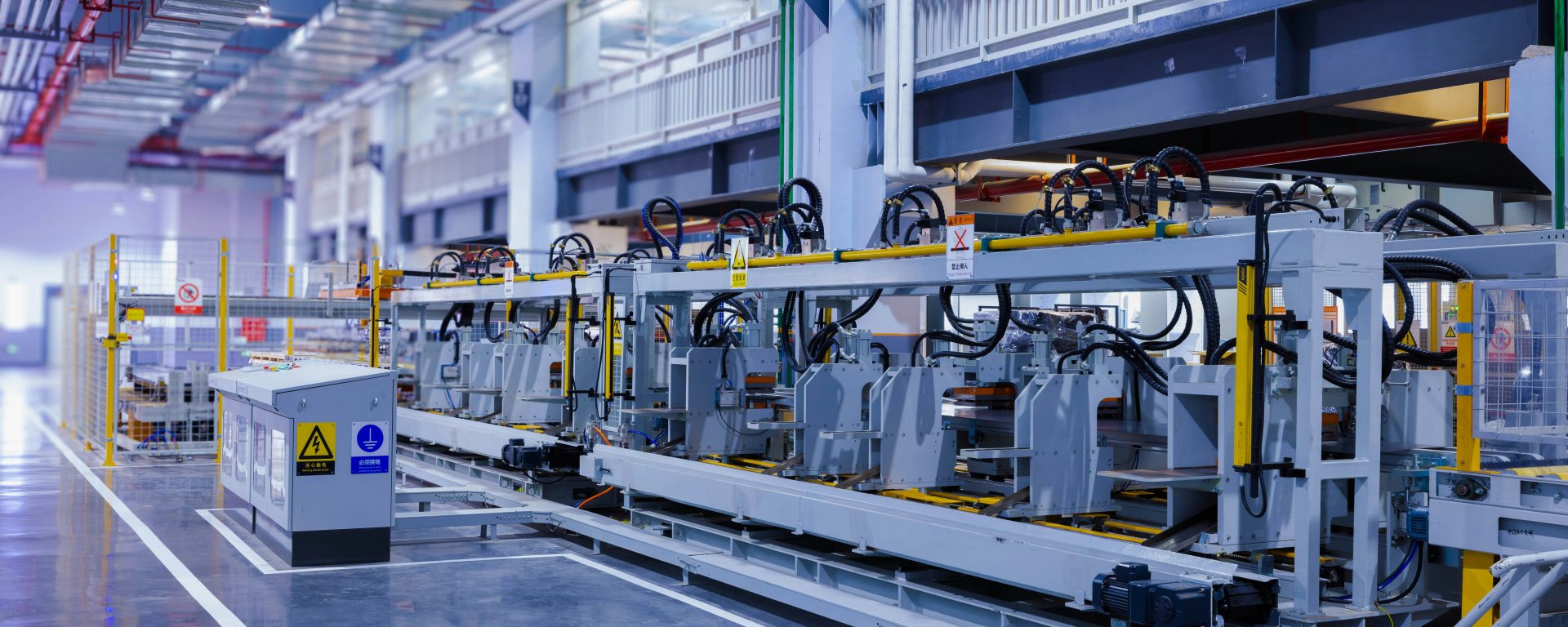
The rubber and plastic components manufacturing industry encompasses a diverse range of products including hydraulic hoses, conveyor belts, seals, gaskets, molded automotive parts, industrial plastic components, and custom-engineered solutions. These manufacturers typically operate sophisticated machinery, maintain substantial raw material inventories, and serve demanding clients across multiple industries including automotive, aerospace, construction, agriculture, and industrial equipment sectors.
Manufacturing operations in this sector often involve injection molding, extrusion, compression molding, vulcanization, and precision machining processes. The combination of high-value equipment, complex supply chains, stringent quality requirements, and potential product liability exposures creates a risk profile that requires comprehensive insurance coverage tailored specifically to the industry.
Essential Insurance Coverage for Component Manufacturers
Property and Equipment Insurance
Your manufacturing facility represents a substantial capital investment. Property insurance protects your building, machinery, and equipment against fire, flood, storm damage, theft, and vandalism. For rubber and plastic manufacturers, this coverage is particularly important due to the specialized nature of injection molding machines, extruders, vulcanizing equipment, and precision tooling that can cost hundreds of thousands of pounds to replace.
Equipment breakdown coverage extends beyond standard property insurance to cover mechanical and electrical failures of critical machinery. When an injection molding machine suffers a hydraulic failure or an extruder experiences motor burnout, this coverage pays for repairs or replacement and can include expedited shipping costs for replacement parts to minimize downtime.
Stock and Raw Materials Coverage
Rubber and plastic manufacturers typically maintain significant inventories of raw materials including polymer resins, rubber compounds, additives, colorants, and reinforcement materials. Stock insurance protects these materials against damage from fire, water, theft, and contamination. This coverage should extend to finished goods inventory, work-in-progress, and components awaiting quality inspection or shipment.
Temperature-sensitive materials require special consideration. Many polymer compounds and rubber materials must be stored within specific temperature and humidity ranges. Insurance should cover spoilage resulting from refrigeration failure, HVAC system breakdowns, or power outages that compromise storage conditions.
Business Interruption Insurance
When manufacturing operations cease due to an insured event, business interruption insurance replaces lost profits and covers continuing expenses. For component manufacturers with just-in-time delivery commitments to major clients, even brief production stoppages can result in substantial financial losses and potential contract penalties.
This coverage should account for your gross profit margin, fixed costs including rent and salaries, and potential contract penalties for late deliveries. Extended business interruption coverage can protect against losses that continue even after physical repairs are completed, such as the time required to recalibrate machinery, conduct quality testing, or regain customer confidence.
Product Liability Insurance
Product liability represents one of the most significant exposures for component manufacturers. If a hydraulic hose fails causing machinery damage, a defective belt leads to production line injuries, or a molded plastic part fractures causing product recalls, your business could face substantial claims.
Product liability insurance covers legal defense costs, settlements, and judgments arising from products that cause bodily injury or property damage. Coverage should extend to products supplied anywhere in your distribution chain, including components incorporated into finished goods by your customers. Given the potential for catastrophic failures in automotive, aerospace, or industrial applications, adequate liability limits are essential.
Professional Indemnity Insurance
Many rubber and plastic component manufacturers provide engineering consultation, custom design services, or technical specifications to clients. Professional indemnity insurance protects against claims arising from errors in design, incorrect specifications, or professional advice that leads to financial losses for your clients.
If you design a custom molded part that fails to meet performance specifications, recommend an inappropriate material for a specific application, or provide engineering calculations that prove incorrect, professional indemnity coverage responds to resulting claims. This coverage is particularly important for manufacturers offering bespoke solutions rather than standard catalog products.
Employers Liability Insurance
Employers liability insurance is legally required for UK businesses with employees. Manufacturing environments present numerous workplace hazards including machinery operation, material handling, exposure to chemicals and heat, and repetitive motion injuries. This coverage protects your business if employees suffer work-related injuries or illnesses and pursue compensation claims.
Beyond the legal minimum coverage, consider higher limits given the potential severity of manufacturing injuries. Machinery accidents can result in life-changing injuries with substantial compensation awards, making adequate employers liability coverage essential.
Public Liability Insurance
Public liability insurance covers claims from third parties who suffer injury or property damage due to your business operations. For manufacturers, this includes injuries to visitors at your facility, damage caused during delivery operations, or incidents at trade shows where you display products.
This coverage is often required by landlords, clients conducting supplier audits, and organizations hosting trade exhibitions. Adequate public liability limits demonstrate financial responsibility and can be a prerequisite for securing contracts with major customers.
Goods in Transit Insurance
Components traveling between your facility and customers face risks including vehicle accidents, theft, loading and unloading damage, and weather exposure. Goods in transit insurance covers your products from the moment they leave your premises until delivery is confirmed.
Coverage should reflect the value of typical shipments and account for high-value loads. Consider whether coverage extends to international shipments, includes loading and unloading operations, and covers temporary storage during multi-leg journeys.
Cyber Insurance
Modern manufacturing operations rely extensively on computer-aided design systems, manufacturing execution software, inventory management systems, and customer relationship databases. Cyber insurance protects against data breaches, ransomware attacks, system failures, and business interruption resulting from cyber incidents.
For manufacturers holding customer technical specifications, proprietary designs, or sensitive commercial information, cyber insurance should include coverage for regulatory fines under GDPR, notification costs, credit monitoring services for affected parties, and public relations expenses to manage reputational damage.
Industry-Specific Risks in Rubber & Plastic Manufacturing
Fire and Explosion Hazards
Rubber and plastic materials are inherently flammable, and manufacturing processes often involve heat, friction, and chemical reactions. Fires can spread rapidly through facilities containing polymer materials, and certain processes create explosion risks from dust accumulation or volatile compounds.
Insurance underwriters assess fire protection measures including sprinkler systems, fire-resistant storage, dust collection systems, and emergency response procedures. Facilities with robust fire prevention and suppression systems typically qualify for more favorable premium rates.
Quality Control Failures
Manufacturing defects can result from material inconsistencies, machinery calibration errors, process deviations, or human error. A single batch of defective components can necessitate costly recalls, replacement of products already installed in customer equipment, and potential liability claims if failures cause downstream damage.
Quality management systems, statistical process control, regular equipment calibration, and comprehensive testing protocols demonstrate risk management commitment to insurers and can help mitigate premium costs.
Supply Chain Disruptions
Rubber and plastic manufacturers depend on reliable supplies of specialized raw materials, often sourced globally. Supply chain disruptions from supplier failures, transportation issues, or geopolitical events can halt production even when your facility remains undamaged.
Contingent business interruption coverage extends protection to losses resulting from disruptions at key suppliers or major customers. This coverage becomes increasingly important as supply chains grow more complex and specialized.
Environmental Liability
Manufacturing processes generate waste materials, use chemicals and solvents, and create potential for environmental contamination. Spills, improper disposal, or historical contamination can trigger cleanup costs and regulatory penalties.
Environmental liability insurance covers pollution cleanup costs, third-party claims from contamination, and legal defense expenses. This coverage is particularly important for facilities with underground storage tanks, chemical storage areas, or operations near water sources.
Machinery Breakdown
Injection molding machines, extruders, and vulcanizing equipment represent substantial investments and operate under demanding conditions. Mechanical failures, electrical issues, and hydraulic system problems can cause extended downtime and expensive repairs.
Machinery breakdown insurance covers repair or replacement costs and can include coverage for expedited repairs, temporary equipment rental, and business interruption losses during the repair period.
Factors Affecting Insurance Premiums
Insurance costs for rubber and plastic component manufacturers vary based on numerous factors. Facility size, annual turnover, product types, manufacturing processes, quality certifications, claims history, and risk management practices all influence premium calculations.
Manufacturers with ISO 9001 quality certification, robust health and safety programs, modern equipment with safety features, comprehensive employee training, and strong fire protection systems typically qualify for more competitive premiums. Conversely, facilities with aging equipment, limited fire suppression, poor claims history, or high-risk processes face higher costs.
Geographic location affects premiums, with facilities in flood-prone areas or regions with higher crime rates facing increased costs. The scope of your operations also matters—manufacturers serving automotive or aerospace sectors with stringent quality requirements and higher liability exposures typically pay more than those producing general industrial components.
Selecting the Right Insurance Provider
Choosing an insurance provider with manufacturing sector expertise ensures your coverage addresses industry-specific risks. Providers familiar with rubber and plastic manufacturing understand the unique exposures, can offer tailored coverage options, and provide risk management guidance specific to your operations.
Look for insurers offering flexible policy structures that can accommodate business growth, product line expansions, and changing risk profiles. The ability to adjust coverage limits, add new locations, or modify coverage as your business evolves provides valuable flexibility.
Claims handling capability is crucial. When production stops due to an insured event, rapid claims processing and payment can mean the difference between a manageable disruption and a business-threatening crisis. Research insurers' claims reputation and response times before committing.
Risk Management Best Practices
Implementing comprehensive risk management practices not only reduces insurance costs but also protects your business from operational disruptions. Regular equipment maintenance, employee safety training, quality control procedures, and emergency response planning all contribute to a safer operation.
Conduct regular risk assessments to identify potential hazards and implement mitigation measures. Document safety procedures, maintain training records, and track near-miss incidents to identify trends before they result in actual losses.
Engage with your insurance broker or provider to access risk management resources. Many insurers offer safety consultations, training materials, and industry best practice guidance that can help you identify and address vulnerabilities.
The Insurance Procurement Process
Securing appropriate insurance begins with accurately assessing your exposures and coverage needs. Document your facility value, equipment inventory, typical stock levels, annual turnover, employee count, and product lines. This information forms the foundation for obtaining accurate quotes.
Work with an insurance broker specializing in manufacturing risks. Brokers access multiple insurance markets, can negotiate on your behalf, and provide guidance on appropriate coverage levels and policy structures. Their expertise helps ensure you secure comprehensive coverage at competitive rates.
Review policy documents carefully before binding coverage. Understand exclusions, conditions, deductibles, and claims procedures. Clarify any ambiguous language and ensure coverage aligns with your actual operations and risk exposures.
Maintaining Adequate Coverage
Your insurance needs evolve as your business grows and changes. Annual policy reviews ensure coverage remains adequate and reflects current operations. Notify your insurer promptly of significant changes including facility expansions, new equipment purchases, product line additions, or entry into new markets.
Maintain detailed records of your assets, inventory, and business operations. In the event of a claim, comprehensive documentation supports faster claims processing and ensures you receive appropriate compensation for losses.
Consider working with your insurer on long-term risk management initiatives. Investing in loss prevention measures, upgrading equipment, or implementing advanced quality control systems can reduce premiums over time while improving operational efficiency.
Frequently Asked Questions
What is the minimum insurance coverage required for a rubber and plastic components manufacturer?
At minimum, UK law requires employers liability insurance if you have employees. Beyond legal requirements, most manufacturers need property insurance, product liability coverage, and public liability insurance. Specific requirements depend on your operations, contracts, and risk exposures.
How much does insurance cost for a small rubber and plastic manufacturing business?
Costs vary significantly based on turnover, facility size, products manufactured, and risk factors. Small manufacturers might pay between £3,000 and £15,000 annually for basic coverage, while larger operations with comprehensive coverage can pay substantially more.
Does standard property insurance cover specialized manufacturing equipment?
Standard property insurance covers buildings and contents, but may not adequately address specialized manufacturing equipment. Equipment breakdown coverage and agreed value endorsements ensure appropriate protection for expensive machinery.
What is product recall insurance and do I need it?
Product recall insurance covers costs associated with recalling defective products including notification expenses, product retrieval, disposal, and replacement. For manufacturers supplying safety-critical components, this coverage provides valuable protection.
How does business interruption insurance calculate payouts?
Business interruption insurance typically covers lost gross profit plus continuing expenses during the interruption period. Payouts are based on your financial records and projected performance had the loss not occurred.
Are defects in raw materials covered under product liability insurance?
Product liability insurance generally covers defects in your finished products. If defects result from raw material issues, coverage typically applies, though you may have recourse against your material suppliers.
What is the difference between public liability and product liability insurance?
Public liability covers injury or damage occurring at your premises or during your operations. Product liability covers injury or damage caused by products you manufacture after they leave your control.
Does insurance cover mold and tooling?
Molds and tooling can be covered under property insurance, but often require specific scheduling or agreed value endorsements due to their specialized nature and high replacement costs.
How long does the claims process typically take?
Simple claims may be resolved in weeks, while complex claims involving significant losses, liability disputes, or technical investigations can take months. Maintaining detailed documentation expedites the process.
Can I insure products manufactured for export markets?
Yes, but ensure your product liability coverage extends to international markets. Some policies limit geographic scope, and you may need additional coverage for products sold in certain jurisdictions.
What happens if I underinsure my property or stock?
Underinsurance can result in reduced claim payments through average clauses. If you insure property for less than its actual value, claims may be proportionally reduced, leaving you to bear part of the loss.
Does insurance cover contamination of raw materials?
Stock insurance can cover contamination from insured perils like fire or water damage. Contamination from uninsured causes or gradual deterioration typically isn't covered without specific endorsements.
Are employee injuries from machinery covered?
Employers liability insurance covers employee injury claims. This is legally required coverage that protects your business if employees are injured during work activities.
How often should I review my insurance coverage?
Annual reviews are standard, but you should also review coverage when making significant business changes such as facility expansions, major equipment purchases, new product lines, or entering new markets.
What is cyber insurance and why do manufacturers need it?
Cyber insurance covers losses from data breaches, ransomware, system failures, and cyber attacks. Manufacturers increasingly rely on digital systems for design, production control, and customer data management, creating cyber risk exposures.
Does insurance cover losses from supplier failures?
Standard business interruption insurance covers losses from damage to your property. Contingent business interruption coverage extends protection to losses resulting from disruptions at key suppliers or customers.
What documentation do I need to support an insurance claim?
Maintain records including photographs of damage, financial records demonstrating losses, equipment purchase receipts, inventory records, repair estimates, and any incident reports or witness statements.
Can I reduce premiums by accepting higher deductibles?
Yes, higher deductibles typically reduce premiums. This approach makes sense if you can comfortably absorb smaller losses and want to reduce ongoing insurance costs.
What is the difference between replacement cost and actual cash value coverage?
Replacement cost coverage pays to replace damaged property with new equivalent items. Actual cash value coverage deducts depreciation, paying only the depreciated value of damaged property.
Are environmental cleanup costs covered under standard policies?
Standard policies typically exclude pollution and environmental damage. Environmental liability insurance provides specific coverage for cleanup costs, third-party claims, and regulatory penalties from contamination events.
Protecting Your Manufacturing Business
Insurance represents a critical component of risk management for rubber and plastic component manufacturers. The combination of valuable equipment, substantial inventories, product liability exposures, and operational complexities creates a risk profile that demands comprehensive coverage tailored to your specific operations.
Working with insurance professionals who understand manufacturing risks ensures you secure appropriate protection at competitive rates. Regular policy reviews, proactive risk management, and maintaining adequate coverage levels protect your business from potentially devastating losses and provide the financial security needed to operate with confidence.
For expert guidance on insurance solutions tailored to rubber and plastic component manufacturing, contact Insure24 at 0330 127 2333 or visit www.insure24.co.uk to discuss your specific requirements with our specialist team.


 My Account