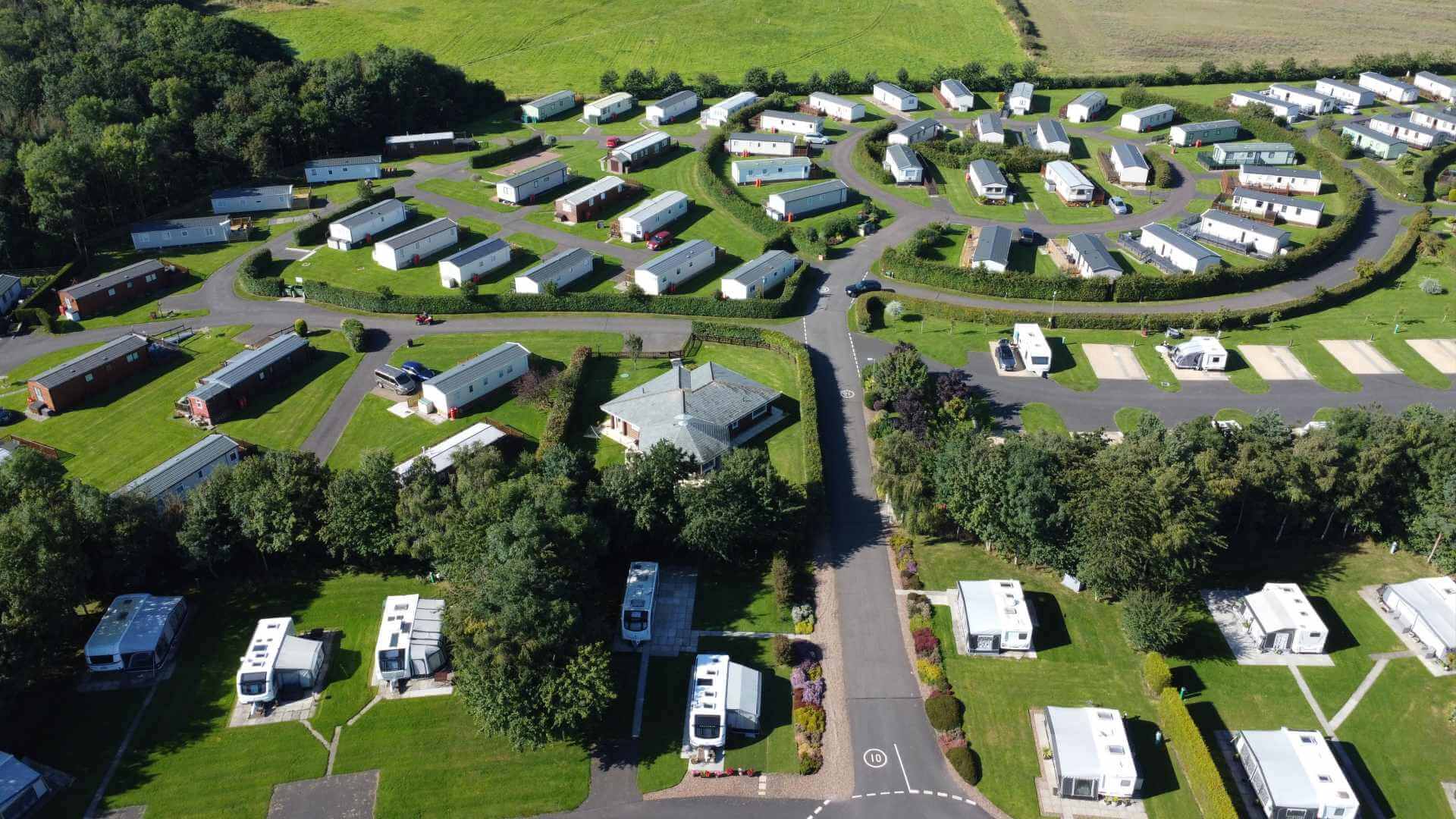
Pre-Season Caravan Park Insurance Checklist (Spring Opening Guide)
Introduction
Spring opening is when a caravan park goes from “quiet site” to “high footfall, high expectation, high risk” almost overnight. Grounds teams are back on machinery, seasonal staff return, contractors arrive for last-minute fixes, and guests start using facilities that may have been closed for months.
That combination is exactly why a pre-season insurance checklist matters. It’s not just about renewing a policy. It’s about making sure your cover matches what you actually do on site, and that your risk controls (the things insurers expect you to have in place) are up to date.
Use this guide as a practical run-through before you open the gates.
1) Confirm what you’re insuring (and what changed over winter)
Before you look at policy wording, get clear on what the park looks like today.
- List all buildings and structures: reception, shop, bar/restaurant, shower blocks, laundrette, maintenance sheds, plant rooms, play areas, fencing, gates, signage
- Count pitches and pitch types: touring, seasonal, static, glamping, campervan stopovers
- Note any new additions: hot tubs, saunas, outdoor kitchens, EV chargers, new playground equipment, new decking, new storage compounds
- Check any changes in use: longer opening season, new events, weddings, live music nights, dog-friendly upgrades
- Review any incidents from last season: near misses, complaints, small claims, recurring maintenance issues
Why this matters: if your activities, facilities, or values have changed, your cover may be out of date. Underinsurance and non-disclosure are common reasons claims become stressful.
2) Buildings and contents: are sums insured still realistic?
Many caravan parks have a mix of older buildings, newer refurbishments, and specialist structures. Your buildings sum insured should reflect rebuild cost, not market value.
Checklist:
- Re-check rebuild values (especially if you’ve refurbished, extended, or upgraded finishes)
- Confirm contents values for reception/shop/bar, laundry equipment, cleaning stock, tools, and maintenance kit
- Include outdoor assets: benches, picnic tables, signage, lighting, CCTV, barriers
- Confirm cover for storm, flood, escape of water, fire, theft, malicious damage
- Review any policy conditions (for example, minimum security standards, lock types, alarm requirements)
Tip: if you have a shop or bar, stock levels can spike before opening. Make sure your contents/stock limits reflect that.
3) Static caravans, lodges, and owner units: clarify responsibility
If you have a mix of park-owned units and privately owned statics, it’s essential to define who insures what.
- Park-owned hire fleet: confirm cover for the units themselves, contents, and loss of rental income
- Privately owned statics: confirm whether owners must hold their own insurance and what the park’s policy does/doesn’t cover
- Check agreements and site rules: are owners required to have public liability? Do you hold evidence?
- Confirm cover for communal risks: fire spread, storm damage, falling trees, impact damage
Common gap: assuming an owner’s policy will respond to something that is actually a site management liability (or vice versa).
4) Public liability: map your real guest journey
Public liability is often the policy you’ll rely on most, because it covers injury or property damage claims from third parties.
Walk the site as if you’re a guest arriving for the first time:
- Car parks, potholes, kerbs, lighting, signage
- Reception queues, wet floors, trip hazards
- Paths, steps, ramps, handrails
- Playgrounds, outdoor gyms, bouncy pillows, trampolines
- Water features, lakes, ponds, streams, drainage ditches
- Dog areas, waste bins, BBQ zones
- Shower blocks: slips, hot water, legionella controls, cleaning records
- Shop/café/bar: food safety controls, spillages, crowding
Insurance checks:
- Confirm your public liability limit (many parks choose £5m; some need £10m depending on size and contracts)
- Confirm cover includes products liability if you sell food/drink or retail goods
- Check whether you have any exclusions around specific activities (for example, inflatables, events, water sports)
5) Employer’s liability and staffing: seasonal realities
If you employ staff (including seasonal, part-time, or casual workers), employer’s liability is a legal requirement in most cases.
Pre-season checklist:
- Confirm employer’s liability is in place and certificate is current
- Review headcount and roles: cleaners, grounds staff, bar staff, lifeguards, maintenance, security
- Check any use of volunteers or work experience placements
- Confirm contractors vs employees: misclassification can cause problems in a claim
- Refresh training records: manual handling, slips/trips, machinery, COSHH, food hygiene
Practical note: insurers may expect evidence of training and supervision, especially for higher-risk tasks like chainsaws, ride-on mowers, or electrical work.
6) Business interruption: can you survive a forced closure?
Business interruption (BI) is what helps you recover lost income after an insured event (like a fire, major storm damage, or flood) that stops you trading.
Key checks:
- Confirm your indemnity period (how long BI pays for). For parks, 12 months may be tight; 18–24 months can be more realistic.
- Check what income is covered: pitch fees, rental income, shop/bar revenue, event income
- Review any seasonal trading assumptions: spring/summer revenue is often the bulk of the year
- Confirm coverage for denial of access (for example, if emergency services close the site after an incident nearby)
Scenario to test: if a storm damages your shower block and reception in March, how long until you can reopen fully?
7) Storm, flood, and subsidence: site-specific exposures
Caravan parks are often exposed: coastal locations, rural access roads, trees, and large open areas.
Checklist:
- Review flood history and any changes to local drainage
- Confirm whether flood is included and any excesses (flood excesses can be high)
- Check storm definitions and cover for fences, signage, and outbuildings
- Inspect trees and arrange any necessary arborist work (keep records)
- Review ground movement risks: subsidence/heave/landslip (especially on slopes or near water)
Insurer expectation: reasonable maintenance. If a known blocked drain contributes to flood damage, it can complicate a claim.
8) Fire safety: don’t just tick the box
Fire risk is a major concern for parks, especially with static caravans, LPG, and close spacing.
Pre-season actions:
- Review fire risk assessment and update for any layout changes
- Check fire points, extinguishers, and service dates
- Confirm hydrants (if applicable) are accessible and tested
- Check smoke/heat alarms in park-owned units
- Review LPG storage and separation distances
- Confirm clear rules on BBQs, fire pits, and smoking areas
Insurance checks:
- Make sure your insurer knows about LPG storage, any commercial kitchens, and any events involving open flames.
9) Water systems and legionella: documentation matters
Shower blocks, hot water systems, and periods of low use over winter can increase legionella risk.
Checklist:
- Flush systems before opening
- Check hot water temperatures and cold water storage
- Clean and disinfect shower heads and hoses
- Keep records of checks and any treatment
- If you have hot tubs or spa facilities, follow manufacturer guidance and maintain logs
Why it matters for insurance: liability claims often hinge on whether you can show reasonable management and records.
10) Play areas and attractions: match cover to what’s on site
If you have playgrounds, inflatables, arcades, pools, or hire activities, confirm your policy includes them.
- Playground inspections: weekly visual checks and periodic formal inspections
- Surface condition: bark, rubber, matting, drainage
- Pool safety: lifeguarding arrangements, signage, testing logs, barriers
- Activity hire: bikes, paddleboards, karts—confirm liability and any age/helmet rules
Common issue: adding a new attraction “quietly” without telling your broker/insurer.
11) Events and peak days: weddings, live music, and third-party vendors
Many parks now run events to boost revenue. These can change your risk profile.
Checklist:
- Tell your insurer about planned events (frequency, size, alcohol, live music)
- Confirm cover for temporary structures: marquees, stages, hired equipment
- Check contracts with vendors: food trucks, entertainers, inflatables providers
- Collect evidence: vendor public liability insurance, risk assessments, method statements
Tip: keep a simple event file template so you can gather documents quickly.
12) Vehicles, plant, and machinery: what’s used on site?
Grounds maintenance ramps up in spring.
- List vehicles: vans, pickups, buggies, tractors
- Check motor insurance for business use and named drivers
- Review plant cover for theft and accidental damage
- Confirm storage security for tools and fuel
- Refresh operator training for ride-on mowers and machinery
Theft risk: parks can be quieter pre-season, which can attract opportunistic theft.
13) Cyber and data: bookings, payments, and guest information
Even smaller parks hold personal data and take payments.
Checklist:
- Confirm how you take bookings: online portal, card payments, third-party booking platforms
- Review who has admin access and remove old staff accounts
- Enable multi-factor authentication where possible
- Back up booking data and key documents
- Consider cyber insurance if you rely heavily on online bookings
Why it matters: a cyber incident in spring can disrupt your busiest season.
14) Claims readiness: make it easy to prove what happened
When something goes wrong, speed and evidence matter.
Pre-season set-up:
- Create a simple incident report form (paper and digital)
- Confirm CCTV is working and retention periods are adequate
- Keep maintenance logs: paths, lighting, playground checks, water checks
- Photograph key assets and store photos securely
- Know your claims notification process and key contacts
15) Policy admin: the boring bit that saves you later
Finally, do the admin properly.
- Confirm policy start/end dates and renewal terms
- Check any warranties/conditions (security, inspections, maintenance)
- Confirm excesses (especially flood/storm) and budget for them
- Ensure your insurer has the correct trading name and legal entity
- Keep certificates accessible (employer’s liability, public liability for events)
Quick pre-season checklist (printable)
- Buildings and contents values reviewed
- Public liability limit confirmed and activities declared
- Employer’s liability certificate current; seasonal staffing updated
- Business interruption indemnity period checked
- Flood/storm exposures reviewed; drains and trees inspected
- Fire risk assessment updated; extinguishers serviced
- Water hygiene and legionella checks completed and logged
- Attractions inspected; pool/hot tub logs ready
- Events planned and declared; vendor insurance collected
- Vehicles/plant insured; operator training refreshed
- Cyber basics in place; access reviewed
- Incident reporting, CCTV, and maintenance logs ready
Closing: get the right cover before the first guest arrives
A strong spring opening isn’t just about mowing, repainting, and stocking the shop. It’s about making sure your insurance matches the real-world risks on your park—so if something happens, you can get back to trading quickly.
If you want, share a quick outline of your park (number of pitches, facilities like pool/hot tubs, and whether you have owner-owned statics). I can help you turn this checklist into a one-page “insurance summary” you can use for renewals and insurer questions.


 My Account