Pickleball Court Insurance (UK): Sports Facility Cover for a Fast-Growing Sport
Introduction: why pickleball venues need specialist insurance
Pickleball has gone from niche to mainstream fast. UK leisure centres are adding courts, tennis clubs are converting spare space, and independent operators are opening dedicated venues with coaching, leagues and social play.
That growth is great for participation and revenue, but it also increases exposure to claims. A busy court schedule means more footfall, more hires, more instructors, more events, and more chances for accidents, property damage or disputes.
Sports facility insurance for pickleball courts is designed to protect the venue owner or operator when something goes wrong. It can cover injury claims from players and spectators, damage to buildings and surfaces, loss of income after an insured incident, and the legal costs of defending allegations.
This guide explains the key risks for pickleball courts in the UK and what a sensible insurance package should look like.
What counts as a “pickleball facility” for insurance purposes?
Insurers usually assess the risk based on how the courts are operated, not just the sport itself. Common setups include:
- Leisure centres and community sports halls with marked pickleball courts
- Tennis clubs converting courts or adding temporary lines and portable nets
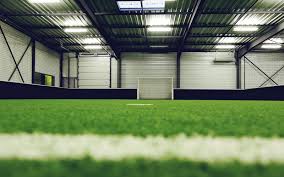
- Dedicated indoor pickleball venues (often with multiple courts)
- Outdoor court operators (parks, private clubs, schools, holiday parks)
- Multi-sport facilities offering pickleball alongside badminton, tennis, basketball or futsal
- Venues that also run coaching, leagues, tournaments, corporate bookings or parties
The more “commercial” the operation (paid memberships, hires, coaching, bar/café, pro shop), the more important it is to have a properly structured commercial sports facility policy.
The biggest risks for pickleball court operators
Pickleball is generally low barrier and accessible, which is part of the appeal. But from an insurance perspective, the risk profile can be surprisingly broad.
1) Player and spectator injuries (public liability)
Typical scenarios include:
- Slips and trips on wet floors, loose mats, uneven surfaces or poor lighting
- Collisions between players, especially in doubles and at busy open-play sessions
- Falls caused by chasing the ball into run-off areas, benches or barriers
- Spectators struck by a ball or tripping over bags and equipment
- Injuries linked to inadequate supervision for juniors or beginners
Even if you’ve done everything right, a claim can still be made. Public liability insurance is there to cover compensation and legal defence costs if you’re alleged to be responsible.
2) Court surface and building damage
Indoor and outdoor courts can be expensive to put right. Risks include:
- Damage to sports flooring, acrylic surfaces or line markings
- Water ingress, leaks and flood damage (especially to indoor sports halls)
- Storm damage to fencing, lighting columns or canopies
- Vandalism and malicious damage
- Fire and smoke damage affecting the whole venue
Property insurance can cover the building (if you own it) and/or your tenant’s improvements, fixtures and fittings.
3) Equipment loss and damage
Pickleball kit is portable, which makes it easy to steal. Common items include:
- Portable nets and posts
- Ball machines
- Coaching aids and training equipment
- Tablets/scoreboards, PA systems and event kit
- Stock for a small pro shop (paddles, balls, grips, apparel)
Equipment cover can be arranged on-site and, where needed, away from the premises (for coaches travelling to sessions or events).
4) Employers’ liability and staff risks
If you employ anyone (including part-time staff), UK law generally requires employers’ liability insurance. That includes:
- Coaches and assistant coaches
- Reception and admin staff
- Cleaners and maintenance staff
- Bar/café staff
Claims can arise from manual handling injuries, slips, trips, repetitive strain, or allegations of inadequate training and supervision.
5) Business interruption: when the courts can’t operate
If a fire, flood or other insured event forces you to close, the biggest loss may be income rather than physical damage.
Business interruption insurance can help cover lost gross profit or revenue and ongoing fixed costs (such as rent, wages and certain bills) while you recover.
For pickleball venues with memberships and booked courts, even a short closure can cause refunds, cancellations and reputational damage.
6) Liability from coaching, instruction and events
Running coaching programmes and tournaments adds extra exposures:
- Allegations of negligent instruction or inadequate warm-up/safety briefings
- Injury claims during coached sessions
- Disputes over event management, cancellations or refunds
- Increased crowding and spectator risk at tournaments
Some policies can extend to include coaching liability and event-related liability, but it needs to be clearly declared.
7) Safeguarding and junior sessions
If you run junior coaching or family sessions, you’ll want robust safeguarding procedures. While safeguarding itself is not “an insurance product”, insurers may ask about:
- DBS checks for coaches
- Supervision ratios
- Sign-in/out procedures
- First aid provision
- Incident reporting
Good governance can reduce claims and can also help your insurance presentation.
8) Contractual requirements (landlords, councils and governing bodies)
Many operators use hired venues, leased units or council facilities. Contracts often require minimum liability limits (for example, £5m or £10m public liability).
If you host events or work with schools, you may also be asked to provide evidence of cover and specific endorsements.
What sports facility insurance should include for pickleball courts
A typical insurance package can be built to match your setup. Here are the main sections to consider.
Public liability insurance
This is usually the core cover for a pickleball venue.
It can cover:
- Injury to third parties (players, spectators, visitors)
- Property damage to third parties
- Legal defence costs
Key points to check:
- Indemnity limit (commonly £2m, £5m or £10m)
- Whether it includes hired/leased premises liability
- Whether it includes events, coaching and tournaments (if applicable)
- Any exclusions for certain activities or age groups
Employers’ liability insurance
If you have employees, employers’ liability is typically required.
It can cover:
- Injury or illness claims from employees arising out of their work
- Legal costs and compensation
Most commercial policies provide £10m as standard, but always confirm.
Property insurance (buildings and/or contents)
Depending on whether you own or lease the premises, you may need:
- Buildings cover (for owners)
- Tenant’s improvements (for leaseholders)
- Contents cover (furniture, reception equipment, café equipment)
For pickleball, think beyond the obvious. Scoreboards, seating, barriers, storage cages and lighting can add up quickly.
Business interruption insurance
This can be the difference between a temporary closure and a long-term problem.
Common options include:
- Loss of gross profit or revenue
- Increased cost of working (e.g., hiring temporary space)
- Alternative accommodation costs
Choose an indemnity period that matches realistic repair times. For some premises, 12 months may be tight; 24 months can be more appropriate.
Equipment cover (on-site and away)
If you have portable nets, ball machines or coaching kit, consider:
- All risks cover (accidental damage, theft)
- Cover while in transit
- Cover at temporary venues
Insurers may require security measures (locked storage, alarms, CCTV) for theft cover.
Money and theft cover
If you take cash at the venue (reception, café, events), money cover can protect:
- Cash on premises
- Cash in transit to the bank
Theft cover can apply to stock and certain items, subject to security conditions.
Legal expenses insurance
Legal expenses can help with:
- Employment disputes
- Contract disputes
- Tax investigations (depending on cover)
- Certain property disputes
It’s often an affordable add-on and can be useful for growing venues.
Personal accident cover (optional)
Some operators add personal accident cover for owners, key staff or volunteers. It can provide a benefit if an insured person is injured and can’t work.
Cyber insurance (increasingly relevant)
Many pickleball venues use online booking systems, payment processing, membership databases and Wi-Fi for guests.
Cyber insurance can help with:
- Data breach response and notification costs
- Cyber extortion
- Business interruption from IT outages
- Liability claims related to personal data
Even small venues can be targeted, and the operational disruption can be significant.
Common questions insurers will ask (and how to prepare)
When arranging sports facility insurance for pickleball courts, expect questions like:
- Is the facility indoor, outdoor or both?
- Number of courts and typical weekly footfall
- Are courts permanent or temporary markings/nets?
- Do you run coaching? If yes, how many coaches and what qualifications?
- Do you host tournaments or events?
- Any bar/café, pro shop or additional activities on site?
- Safeguarding procedures for juniors
- First aid provision and incident reporting
- Surface type and maintenance schedule
- Security measures (locks, alarms, CCTV, lighting)
- Any previous claims or incidents
Having clear answers helps you get accurate terms and reduces the risk of cover gaps.
Risk management tips that can reduce claims (and help your insurance)
Insurance is the financial backstop, but prevention matters. Practical steps include:
- Keep run-off areas clear: benches, bags and trip hazards away from play zones
- Use clear signage: footwear guidance, warm-up advice, court etiquette
- Maintain surfaces: repair cracks, address wet patches, keep indoor floors dry
- Manage capacity: avoid overcrowding at open-play sessions
- Have a booking and waiver process: clear terms, emergency contact details
- Provide basic safety briefings for beginners
- Keep incident logs: date, time, witnesses, photos where appropriate
- Ensure first aid cover: trained staff and stocked kits
- Secure equipment: locked storage and controlled access
- Review contracts: ensure hire agreements and coach agreements are clear
These steps won’t eliminate claims, but they can reduce frequency and severity.
How much does pickleball court insurance cost in the UK?
Costs vary widely based on:
- Turnover and number of members
- Number of courts and footfall
- Whether you own the building
- Claims history
- Coaching and events exposure
- Security and risk controls
- Cover limits (especially public liability)
A small club using hired courts may need a simpler liability-focused policy. A dedicated multi-court venue with staff, café income and equipment will usually need a broader commercial package.
The key is not to chase the cheapest premium. The goal is to make sure the policy matches how you actually operate.
Common pitfalls to avoid
Pickleball is new enough in the UK that some operators fall into avoidable traps:
- Assuming a generic “sports club” policy automatically covers coaching or tournaments
- Underinsuring equipment or tenant’s improvements
- Not declaring secondary income streams (café, retail, corporate events)
- Choosing a business interruption indemnity period that’s too short
- Not meeting security conditions for theft cover
- Relying on a landlord’s policy without checking what it does (and doesn’t) include
If you’re unsure, get the policy reviewed against your activities and contracts.
Who needs this cover?
Pickleball sports facility insurance is relevant for:
- Dedicated pickleball venues
- Tennis clubs adding pickleball sessions
- Leisure centres and sports halls hosting regular pickleball
- Schools and academies running paid sessions
- Holiday parks and hospitality venues with courts
- Coaches running regular programmes (especially if hiring venues)
Even if you’re “just starting”, a single incident can be costly.
Quick checklist: building the right insurance package
Use this as a simple starting point:
- Public liability: appropriate limit (£5m/£10m if required by contracts)
- Employers’ liability: if you employ staff
- Property: buildings/tenant’s improvements/contents as needed
- Business interruption: cover for lost income and fixed costs
- Equipment: nets, ball machines, coaching kit (on-site and away)
- Money/theft: if you handle cash or hold stock
- Legal expenses: for disputes
- Cyber: if you take online bookings and store member data
Call to action
If you’re operating pickleball courts in the UK (or planning a new venue), it’s worth getting insurance arranged around your real-world setup: court type, footfall, coaching, events, equipment and income streams.
If you’d like, share a few details (indoor/outdoor, number of courts, whether you employ staff, and whether you run coaching or tournaments) and I’ll help you outline the most sensible cover structure and the key questions to ask when you request a quote.


 My Account