Parenteral Drug Production Manufacturing Insurance: A Complete Guide
Parenteral drug production represents one of the most critical and highly regulated sectors within the pharmaceutical manufacturing industry. These injectable medications, administered directly into the body bypassing the digestive system, require sterile production environments and rigorous quality controls. The specialized nature of parenteral manufacturing creates unique insurance challenges that demand comprehensive coverage solutions tailored to this high-stakes industry.
Understanding Parenteral Drug Manufacturing
Parenteral drugs include intravenous injections, intramuscular injections, subcutaneous injections, and other sterile pharmaceutical products delivered directly into body tissues or the bloodstream. Manufacturing these products requires cleanroom facilities, specialized equipment, highly trained personnel, and adherence to stringent regulatory standards set by bodies like the Medicines and Healthcare products Regulatory Agency (MHRA) and the European Medicines Agency (EMA).
The production process involves complex stages including formulation, sterilization, aseptic filling, quality control testing, and packaging. Each stage presents distinct operational risks that must be properly insured against to protect the business from potentially catastrophic financial losses.
Why Specialized Insurance Is Essential
Standard commercial insurance policies typically fall short when covering the unique exposures faced by parenteral drug manufacturers. The combination of high-value inventory, sophisticated equipment, regulatory compliance requirements, product liability risks, and business interruption vulnerabilities necessitates specialized insurance solutions designed specifically for pharmaceutical manufacturing operations.
A single contamination event, equipment failure, or regulatory compliance issue can result in product recalls costing millions of pounds, extended business interruptions, and significant legal liabilities. Without adequate insurance protection, these events could threaten the financial viability of even well-established manufacturing operations.
Core Insurance Coverage Components
Property and Equipment Coverage
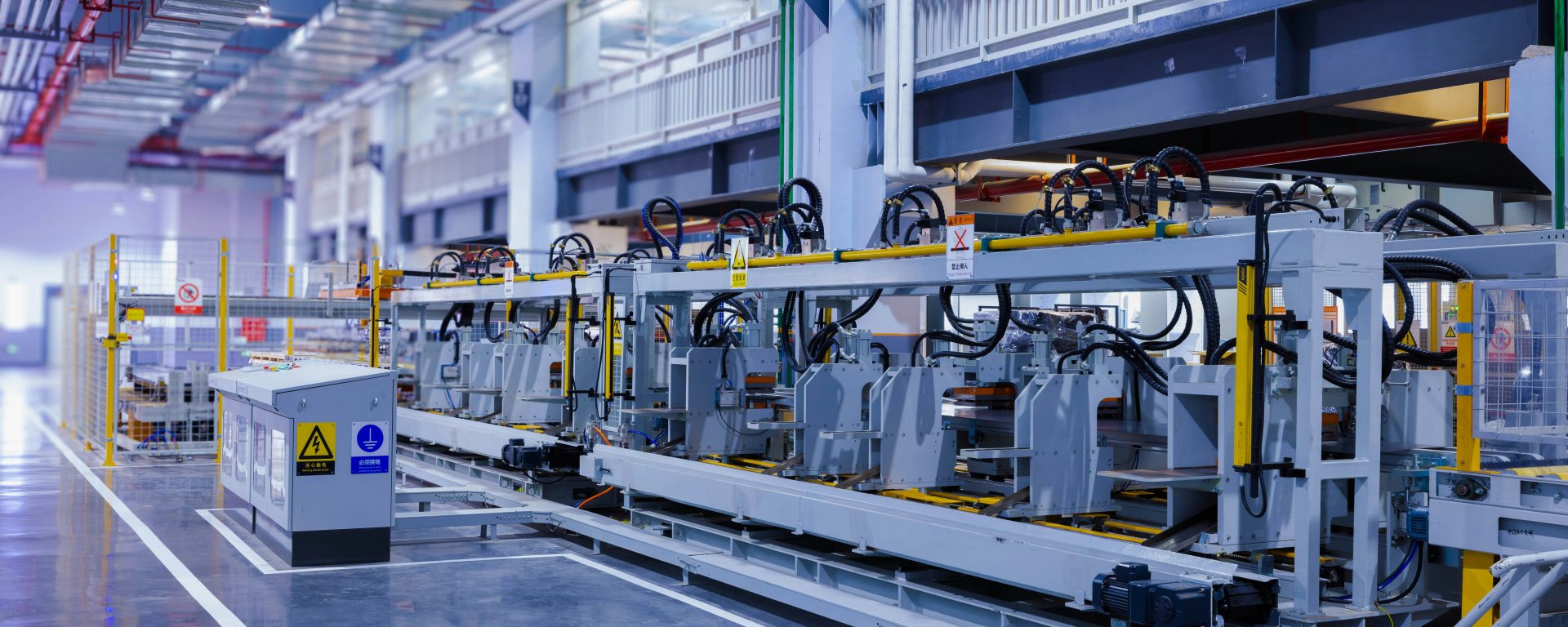
Parenteral manufacturing facilities house extraordinarily expensive specialized equipment including aseptic filling lines, lyophilizers, autoclaves, isolator systems, and environmental monitoring equipment. Property insurance must provide adequate coverage for:
Building and facility protection covering cleanroom infrastructure, HVAC systems, water purification systems, and specialized architectural features required for sterile manufacturing. Standard property policies often undervalue these specialized installations.
Manufacturing equipment coverage protecting against damage to filling machines, sterilization equipment, quality control instrumentation, and automated production systems. Replacement costs for this specialized equipment can reach millions of pounds, and standard depreciation schedules may not reflect actual replacement values.
Utility interruption coverage protecting against losses when essential utilities like electricity, water, or specialized gases are interrupted. Parenteral manufacturing depends on continuous environmental control, and even brief utility interruptions can compromise entire production batches.
Product Liability Insurance
Product liability represents perhaps the most significant insurance concern for parenteral drug manufacturers. Injectable medications pose inherent risks because they bypass the body's natural defense mechanisms and enter directly into tissues or the bloodstream.
Contamination liability covers claims arising from microbial contamination, particulate matter, or chemical impurities in finished products. Even with rigorous quality controls, contamination events can occur, potentially causing serious patient harm and triggering substantial legal claims.
Formulation error coverage protects against claims resulting from incorrect drug concentrations, wrong ingredients, or formulation mistakes that could cause patient injury or death. The consequences of formulation errors in injectable medications can be severe and immediate.
Packaging and labeling liability addresses claims arising from incorrect labeling, missing warnings, inadequate instructions, or packaging defects that could lead to medication errors or product degradation.
Product liability policies for parenteral manufacturers should include coverage for legal defense costs, settlements, judgments, and recall expenses. Policy limits should reflect the potential severity of claims, which can easily reach tens of millions of pounds for serious contamination events affecting multiple patients.
Professional Indemnity Insurance
Professional indemnity coverage protects against claims arising from professional errors, omissions, or negligent acts in the provision of pharmaceutical manufacturing services. This coverage is particularly important for contract manufacturing organizations (CMOs) producing parenteral drugs for other pharmaceutical companies.
Technical advice liability covers claims arising from formulation recommendations, process development guidance, or technical consulting provided to clients. Manufacturing expertise carries professional responsibility that extends beyond the physical production process.
Regulatory compliance errors protects against claims resulting from failures to meet regulatory requirements, inadequate documentation, or errors in regulatory submissions related to manufacturing processes.
Quality assurance failures addresses claims arising from inadequate quality control procedures, failed batch release decisions, or errors in stability testing and validation protocols.
Business Interruption Insurance
Business interruption coverage is critical for parenteral manufacturers because production stoppages can result in substantial financial losses extending far beyond property damage costs.
Lost production coverage compensates for lost revenue during periods when manufacturing operations are suspended due to covered events like equipment failures, contamination incidents, or facility damage.
Extra expense coverage reimburses additional costs incurred to minimize business interruption, such as expenses for temporary facilities, expedited equipment repairs, overtime labor, or outsourcing production to contract manufacturers.
Extended period coverage continues business interruption payments beyond the physical restoration period to account for the time needed to regain regulatory approvals, revalidate processes, and restore customer confidence after a significant incident.
Contingent business interruption protects against losses when key suppliers or customers experience interruptions affecting your operations. Parenteral manufacturers often depend on specialized raw material suppliers and may serve critical customers who cannot easily switch suppliers.
Cyber Insurance and Data Protection
Modern parenteral manufacturing facilities rely heavily on computerized systems for process control, environmental monitoring, batch records, and quality management. Cyber insurance has become essential coverage.
Data breach coverage protects against costs associated with unauthorized access to confidential formulation data, patient information, or proprietary manufacturing processes. Pharmaceutical data represents high-value targets for cybercriminals.
System restoration coverage reimburses costs to restore manufacturing execution systems, laboratory information management systems, and other critical IT infrastructure following cyber attacks or system failures.
Business interruption from cyber events compensates for lost revenue when cyber incidents disrupt manufacturing operations, even without physical damage to facilities or equipment.
Regulatory response coverage addresses costs associated with notifying regulatory authorities, patients, and business partners following data breaches, as required by GDPR and other data protection regulations.
Product Recall Insurance
Product recall coverage specifically addresses the substantial costs associated with removing defective or potentially contaminated products from the market.
Recall expense coverage reimburses direct costs including customer notifications, product retrieval, transportation, storage, and destruction of recalled products. For parenteral drugs distributed internationally, these costs can escalate rapidly.
Product replacement coverage pays for manufacturing and supplying replacement products to customers affected by recalls, helping maintain business relationships and market position.
Crisis management coverage provides funds for public relations consultants, communication specialists, and crisis management experts to protect brand reputation during recall events.
Regulatory defense coverage addresses costs associated with responding to regulatory investigations, preparing documentation, and defending against potential enforcement actions following recall events.
Industry-Specific Risk Factors
Contamination Risks
Sterility assurance represents the paramount concern in parenteral manufacturing. Despite sophisticated cleanroom technology and rigorous procedures, contamination risks persist from environmental sources, personnel, raw materials, and equipment. Insurance must adequately address the potentially catastrophic consequences of contamination events.
Regulatory Compliance Challenges
Parenteral manufacturers operate under intense regulatory scrutiny with frequent inspections, stringent documentation requirements, and potential enforcement actions for non-compliance. Insurance should cover regulatory defense costs, civil penalties where insurable, and business interruption losses resulting from regulatory actions.
Supply Chain Vulnerabilities
Parenteral manufacturing depends on specialized raw materials, components, and services that may have limited suppliers. Supply chain disruptions can halt production and trigger customer contract penalties. Contingent business interruption and supply chain insurance help mitigate these exposures.
Technology and Equipment Complexity
The sophisticated equipment required for parenteral manufacturing represents significant capital investment and creates dependencies on specialized maintenance, parts availability, and technical expertise. Equipment breakdown coverage and service interruption insurance provide essential protection.
Selecting the Right Insurance Provider
Choosing an insurance provider with pharmaceutical manufacturing expertise is crucial. Look for insurers who:
Understand pharmaceutical regulations and can provide coverage that aligns with MHRA, EMA, and FDA requirements for manufacturers serving international markets.
Offer specialized risk assessment services that evaluate your specific manufacturing processes, facility design, quality systems, and operational procedures to identify coverage gaps.
Provide adequate policy limits reflecting the true exposure levels in parenteral manufacturing, which often exceed standard commercial insurance limits.
Include experienced claims handlers familiar with pharmaceutical manufacturing who can facilitate efficient claims resolution during critical business interruptions.
Offer risk management support including loss prevention services, safety training, regulatory compliance assistance, and crisis management planning.
Cost Considerations and Premium Factors
Insurance premiums for parenteral drug manufacturing vary significantly based on multiple factors:
Manufacturing volume and complexity with higher production volumes and more complex processes typically commanding higher premiums reflecting increased exposure.
Product types and therapeutic categories with certain high-risk products like cytotoxic drugs or biologics requiring additional coverage and higher premiums.
Quality management systems with robust quality systems, strong compliance records, and certifications potentially qualifying for premium discounts.
Claims history significantly impacts premiums, with manufacturers maintaining clean claims records often receiving more favorable rates.
Risk management practices including comprehensive training programs, preventive maintenance schedules, and business continuity planning can help reduce insurance costs.
Implementing Comprehensive Coverage
Developing adequate insurance protection for parenteral drug manufacturing requires a strategic approach:
Conduct thorough risk assessments identifying all potential exposures specific to your manufacturing operations, products, and business model.
Work with specialized insurance brokers who understand pharmaceutical manufacturing and can access markets offering appropriate coverage.
Review coverage annually as your operations evolve, production volumes change, new products are introduced, or regulatory requirements are updated.
Coordinate multiple policies ensuring that property, liability, professional indemnity, cyber, and recall coverages work together without gaps or unnecessary overlaps.
Document risk management efforts maintaining records of training, maintenance, quality improvements, and compliance activities that demonstrate commitment to loss prevention.
Conclusion
Parenteral drug production manufacturing insurance represents a critical business protection tool for companies operating in this highly specialized pharmaceutical sector. The unique combination of regulatory scrutiny, product liability exposure, business interruption vulnerability, and operational complexity demands comprehensive insurance solutions tailored specifically to parenteral manufacturing operations.
Adequate insurance protection enables manufacturers to operate with confidence, knowing that contamination events, equipment failures, regulatory issues, or other unforeseen circumstances will not threaten business survival. By working with specialized insurance providers who understand the pharmaceutical industry, implementing robust risk management practices, and maintaining comprehensive coverage across all exposure areas, parenteral drug manufacturers can protect their operations, their customers, and their financial stability.
The investment in proper insurance coverage represents not merely a regulatory or contractual requirement but a fundamental business strategy ensuring long-term operational resilience in an industry where the stakes—both financial and human—could not be higher.
For expert guidance on parenteral drug production manufacturing insurance tailored to your specific operations, contact Insure24 at 0330 127 2333 or visit www.insure24.co.uk to discuss your coverage needs with our specialized team.


 My Account