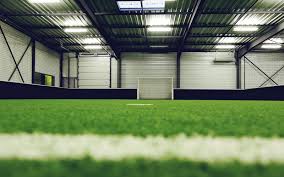
Padel Tennis Courts Sports Facility Insurance: Complete Guide for Facility Owners
Introduction
Padel tennis has experienced explosive growth across the United Kingdom, transforming from a niche sport into a mainstream recreational activity. As facility owners rush to meet the surging demand for padel courts, understanding the insurance requirements and risks associated with operating these venues has become essential. Whether you manage a standalone padel centre, a multi-sport complex, or are converting existing tennis facilities, comprehensive sports facility insurance protects your business from the unique challenges this dynamic sport presents.
This guide examines the specific insurance needs of padel tennis court facilities, covering everything from public liability and property damage to equipment protection and business interruption. Understanding these coverage areas ensures your facility operates with confidence while providing a safe, enjoyable environment for players.
Understanding Padel Tennis Facility Risks
Padel tennis combines elements of tennis and squash, played on enclosed courts with glass walls and wire mesh fencing. This unique structure creates specific risk factors that differ from traditional tennis facilities.
Structural and Property Risks
The glass walls that define padel courts represent a significant investment and potential liability. These tempered glass panels can crack or shatter from impact, weather conditions, or manufacturing defects. A single panel replacement can cost thousands of pounds, and damage to multiple panels following severe weather or vandalism can result in substantial repair bills.
The wire mesh fencing that completes the court enclosure faces its own vulnerabilities. Regular ball impact, weather exposure, and general wear can compromise the mesh integrity, creating safety hazards and requiring replacement. The specialized court surface, typically artificial turf with sand infill, requires specific maintenance and can suffer damage from improper use, weather events, or equipment failure.
Lighting systems represent another critical component. Padel facilities often operate during evening hours, making adequate lighting essential for both play quality and safety. Electrical failures, storm damage, or vandalism affecting lighting systems can force court closures and revenue loss.
Player and Visitor Liability
The enclosed nature of padel courts creates unique injury risks. Players move rapidly within confined spaces, with glass walls and metal structures in close proximity. Common injuries include collisions with walls, trips over court edges, ball impacts, and strains from the sport's quick directional changes.
Spectators watching from viewing areas face risks from errant balls leaving the court, slips on wet surfaces, or accidents in communal areas. The social nature of padel means facilities often include café areas, changing rooms, and equipment shops, each presenting additional liability exposures.
Equipment and Asset Protection
Beyond the courts themselves, padel facilities house valuable equipment including rackets available for hire, balls, maintenance equipment, booking systems, and point-of-sale technology. Theft, vandalism, or damage to these assets can disrupt operations and create unexpected costs.
Many facilities invest in coaching equipment, video analysis systems, and training aids that represent significant capital expenditure requiring protection.
Essential Insurance Coverage for Padel Tennis Facilities
Public Liability Insurance
Public liability insurance forms the foundation of padel facility protection, covering claims from third parties who suffer injury or property damage on your premises. This coverage is essential given the active nature of the sport and the number of people using your facilities.
Standard public liability policies typically provide coverage from one million to ten million pounds, with many facilities opting for higher limits given the potential severity of injury claims. The policy responds when your facility is found legally liable for accidents, covering legal defense costs, compensation payments, and associated expenses.
For padel facilities, public liability insurance addresses scenarios including players injured by defective equipment, spectators struck by balls, visitors slipping on wet surfaces, and injuries resulting from inadequate maintenance or supervision. The policy also covers damage to third-party property, such as personal belongings damaged in changing rooms or vehicles in your car park.
Employers Liability Insurance
If you employ staff, employers liability insurance is legally required in the UK. This coverage protects your business when employees suffer work-related injuries or illnesses, covering compensation claims and legal costs.
Padel facilities employ various staff including receptionists, coaches, maintenance personnel, café workers, and cleaners. Each role carries specific risks, from coaches demonstrating techniques and risking injury, to maintenance staff working with equipment and chemicals, to reception staff facing repetitive strain injuries.
Employers liability insurance typically provides minimum coverage of five million pounds, though many facilities opt for ten million pounds given potential claim values. The policy covers medical expenses, lost wages, rehabilitation costs, and compensation for permanent disability or disfigurement.
Property and Buildings Insurance
Property insurance protects the physical structure of your facility and its contents against damage or loss. For padel centres, this coverage is particularly important given the specialized nature of court construction and the significant investment in glass panels, surfaces, and infrastructure.
Buildings insurance covers the permanent structure including walls, roofs, glass panels, wire mesh, court surfaces, lighting installations, and fixed equipment. The policy responds to damage from fire, storm, flood, vandalism, malicious damage, and other specified perils.
Contents insurance protects movable assets including furniture, computers, booking systems, coaching equipment, hire rackets, balls, maintenance equipment, café fixtures, and stock. This coverage extends to equipment temporarily removed from premises, such as coaching equipment used at external events.
Accurate valuation is critical for property insurance. Underinsuring your facility can result in proportionate claim settlements, where insurers reduce payments based on the degree of underinsurance. Professional valuations ensure your coverage reflects true replacement costs.
Business Interruption Insurance
Business interruption insurance provides financial protection when insured events force temporary closure or reduced operations. For padel facilities dependent on consistent court bookings and membership fees, this coverage maintains cash flow during recovery periods.
The policy covers lost revenue, ongoing fixed costs including rent and utilities, staff wages, and additional expenses incurred to minimize disruption or expedite reopening. Coverage typically begins after a specified excess period, often 24 to 72 hours, and continues until operations return to normal or the policy limit is reached.
Common business interruption scenarios for padel facilities include fire damage requiring extensive repairs, storm damage to glass panels or roofs, flooding affecting courts and electrical systems, and vandalism necessitating court closure. The policy can also cover loss of revenue from cancelled events, tournaments, or coaching programs.
Equipment Breakdown Insurance
The specialized equipment essential to padel facility operations, including lighting systems, heating and cooling systems, booking software servers, and maintenance equipment, can fail unexpectedly. Equipment breakdown insurance covers repair or replacement costs and associated business interruption losses.
This coverage is particularly valuable for facilities with significant technology investments, including automated booking systems, access control technology, and video analysis equipment. The policy typically covers sudden and unforeseen breakdown, including electrical or mechanical failure, operator error, and power surges.
Professional Indemnity Insurance
Facilities offering coaching services, fitness assessments, or sports therapy should consider professional indemnity insurance. This coverage protects against claims arising from professional advice or services, including allegations of inadequate instruction, inappropriate training programs, or negligent advice causing injury or financial loss.
Professional indemnity insurance covers legal defense costs, compensation payments, and associated expenses when clients claim your professional services caused harm. For padel facilities, this might include claims that coaching led to injury, that fitness assessments missed health conditions, or that advice about equipment or technique proved negligent.
Cyber Insurance
Modern padel facilities rely heavily on technology for bookings, payments, membership management, and communications. Cyber insurance protects against data breaches, system failures, and cyber attacks that could compromise customer information or disrupt operations.
The policy covers costs including forensic investigation, legal notification requirements, credit monitoring for affected customers, regulatory fines, legal defense, and business interruption losses. With GDPR requirements mandating strict data protection, cyber insurance has become increasingly important for sports facilities handling personal and payment information.
Specialist Considerations for Padel Facilities
Glass Panel Coverage
The glass walls that define padel courts require specific insurance consideration. Standard property policies may include glass coverage, but facilities should verify that limits adequately reflect replacement costs for multiple panels.
Some insurers offer specialist glass coverage with reduced or eliminated excess payments for glass damage, recognizing that panel damage is a foreseeable risk in padel operations. This coverage may extend to accidental damage beyond standard policy perils, providing broader protection.
Tournament and Event Coverage
Facilities hosting tournaments, corporate events, or coaching camps face additional exposures requiring specialist coverage. Event-specific insurance can cover cancellation costs, additional liability exposures from increased attendance, and damage to hired equipment or temporary structures.
Tournament insurance typically covers scenarios including event cancellation due to weather or facility damage, injury to participants or spectators, and damage to third-party property. For facilities regularly hosting events, annual event coverage may prove more cost-effective than individual event policies.
Seasonal Variations
Outdoor padel courts face seasonal risks that may affect insurance costs and coverage. Winter weather increases risks of storm damage, flooding, and ice-related accidents, while summer brings increased usage and associated liability exposures.
Facilities should discuss seasonal variations with insurers, ensuring coverage adequately reflects year-round operations and peak-season risks. Some insurers offer seasonal adjustment options that align premiums with actual exposure periods.
Multi-Sport Facility Considerations
Facilities offering padel alongside other sports require comprehensive coverage addressing all activities. Insurers assess risk based on the full range of activities, with premiums reflecting the combined exposure.
Multi-sport facilities should ensure their policy specifically lists all activities, avoiding coverage gaps that could arise from unlisted sports or activities. The policy should also address shared spaces, including changing rooms, cafés, and reception areas used by participants in various sports.
Risk Management and Loss Prevention
Effective risk management reduces insurance costs and creates safer environments for players and staff. Insurers often offer premium discounts for facilities demonstrating strong risk management practices.
Maintenance Programs
Regular maintenance prevents many common claims. Facilities should implement scheduled inspections of glass panels, wire mesh, court surfaces, lighting systems, and safety equipment. Documented maintenance records demonstrate due diligence and can support insurance claims when incidents occur despite proper care.
Court surfaces require particular attention, with regular brushing, sand infill replenishment, and seam inspections preventing deterioration that could cause trips or falls. Glass panels should be cleaned regularly and inspected for cracks or chips requiring repair before failure occurs.
Safety Protocols
Clear safety rules and effective communication reduce injury risks. Facilities should display rules prominently, provide safety briefings for new players, and ensure staff can enforce rules consistently. Safety protocols should address appropriate footwear, warm-up requirements, court capacity limits, and emergency procedures.
Staff training ensures team members can identify hazards, respond to injuries appropriately, and maintain safe environments. Regular training updates keep safety knowledge current and demonstrate organizational commitment to risk management.
Security Measures
Theft and vandalism represent significant risks for padel facilities, particularly those in accessible locations or operating unstaffed hours. Security measures including CCTV systems, alarm systems, secure storage for equipment, and perimeter fencing deter criminal activity and provide evidence supporting insurance claims.
Access control systems that restrict court access to paid users prevent unauthorized use and associated liability exposures. Adequate lighting in car parks and external areas improves security and reduces accident risks.
Emergency Preparedness
Emergency action plans ensure staff respond effectively to injuries, fires, or other incidents. Plans should cover first aid procedures, emergency contact protocols, evacuation routes, and communication systems. Regular drills ensure staff familiarity with procedures and identify areas requiring improvement.
First aid equipment should be readily accessible, properly stocked, and regularly inspected. Staff with first aid training should be available during operating hours, with training refreshed according to certification requirements.
Choosing the Right Insurance Provider
Selecting an appropriate insurer requires consideration of several factors beyond premium cost. The right provider understands padel facility operations, offers comprehensive coverage, and provides responsive claims service.
Specialist Sports Facility Insurers
Insurers specializing in sports facilities often provide more comprehensive coverage and competitive premiums compared to general commercial insurers. Specialist providers understand the unique risks padel facilities face and structure policies accordingly, reducing coverage gaps and disputes.
Specialist insurers may offer additional benefits including risk management support, access to industry-specific loss prevention resources, and claims handlers familiar with sports facility operations. These advantages can prove valuable when incidents occur and claims require processing.
Policy Comparison
Comparing policies requires examination of coverage breadth, policy limits, excess amounts, exclusions, and additional benefits. The cheapest premium may not represent the best value if coverage proves inadequate or excess payments create significant out-of-pocket costs.
Key comparison factors include public liability limits, property coverage basis (new replacement cost versus indemnity value), business interruption coverage periods, equipment breakdown inclusions, and cyber insurance provisions. Facilities should also review exclusions carefully, ensuring the policy covers all activities and risks relevant to their operations.
Claims Service Quality
An insurer's claims handling quality becomes apparent only when claims arise, making research into claims service reputation important. Facilities can review insurer ratings, seek recommendations from other sports facility operators, and ask potential insurers about their claims process and typical settlement timeframes.
Responsive claims service minimizes disruption when incidents occur, with efficient processing enabling faster repairs and return to normal operations. Insurers offering 24-hour claims reporting, dedicated claims handlers, and approved contractor networks typically provide superior claims experiences.
Cost Factors and Premium Management
Padel facility insurance costs vary based on numerous factors including facility size, location, activities offered, claims history, and risk management practices. Understanding these factors enables facilities to manage costs effectively.
Premium Determinants
Insurers assess risk using factors including the number of courts, annual visitor numbers, whether facilities are indoor or outdoor, additional activities offered, staff numbers, annual turnover, security measures, and maintenance programs. Facilities in high-crime areas or flood zones typically face higher premiums reflecting increased risks.
Claims history significantly impacts premiums, with facilities maintaining claims-free records often qualifying for no-claims discounts. Conversely, multiple claims can result in premium increases or coverage restrictions.
Cost Management Strategies
Several strategies can help manage insurance costs without compromising coverage. Implementing robust risk management programs demonstrates commitment to loss prevention, often qualifying for premium discounts. Installing security systems, maintaining documented maintenance schedules, and providing staff safety training all contribute to reduced premiums.
Increasing voluntary excess amounts reduces premiums by transferring more risk to the facility. This approach suits facilities with financial reserves to cover higher excess payments, trading increased claim costs for reduced annual premiums.
Bundling multiple coverage types with a single insurer often generates multi-policy discounts. Facilities requiring public liability, property, business interruption, and employers liability insurance may achieve cost savings by purchasing all coverage from one provider.
Regulatory Compliance and Legal Requirements
Operating padel facilities involves compliance with various regulations affecting insurance requirements and risk management obligations.
Health and Safety Obligations
The Health and Safety at Work Act 1974 requires employers to ensure, so far as reasonably practicable, the health, safety, and welfare of employees and others affected by their operations. For padel facilities, this includes maintaining safe premises, providing adequate training, implementing safety procedures, and conducting risk assessments.
Regular risk assessments identify hazards and implement control measures, with documented assessments demonstrating compliance and supporting insurance arrangements. Facilities must also comply with specific regulations covering electrical safety, manual handling, and first aid provision.
Data Protection Requirements
The General Data Protection Regulation (GDPR) and Data Protection Act 2018 impose strict requirements on organizations handling personal data. Padel facilities collecting customer information for bookings, memberships, and payments must implement appropriate security measures, obtain proper consent, and respond to data subject requests.
Cyber insurance supports GDPR compliance by covering costs associated with data breaches, including notification requirements, regulatory investigations, and potential fines. However, insurance complements rather than replaces proper data protection practices.
Building and Planning Regulations
Facilities must comply with building regulations covering structural safety, fire safety, accessibility, and energy efficiency. Planning permissions may impose conditions affecting operations, including operating hours, noise levels, and parking provision.
Insurance coverage should align with regulatory compliance, with facilities ensuring their operations remain within permitted parameters. Operating outside planning permissions or building regulation requirements could void insurance coverage or provide insurers with grounds to decline claims.
Conclusion
Comprehensive insurance protection enables padel tennis facility owners to operate with confidence, knowing their business, assets, and stakeholders are protected against the diverse risks this growing sport presents. From the glass panels and specialized surfaces that define padel courts to the liability exposures arising from active play, appropriate coverage addresses the full spectrum of potential losses.
Selecting the right insurance involves understanding your facility's specific risks, comparing coverage options from specialist providers, and implementing risk management practices that reduce both claims frequency and insurance costs. By combining comprehensive coverage with proactive risk management, padel facilities create safe, sustainable operations positioned for long-term success in this dynamic and expanding market.
Whether you operate a dedicated padel centre or incorporate padel courts within a broader sports facility, partnering with knowledgeable insurance professionals ensures your coverage evolves with your business, providing protection that matches your ambitions and safeguards your investment in this exciting sport.
For expert advice on padel tennis court insurance tailored to your facility's specific needs, contact Insure24 at 0330 127 2333 or visit www.insure24.co.uk.


 My Account