Multi-Use & Community Facilities Sports Facility Insurance: A Complete Guide
Introduction
Multi-use and community sports facilities form the backbone of local recreation and social cohesion across the UK. From village halls hosting badminton clubs to purpose-built leisure centres offering swimming, fitness classes, and indoor sports, these venues serve diverse communities with varied needs. However, the very nature of multi-use facilities—accommodating different activities, user groups, and operational models—creates a complex insurance landscape that operators must navigate carefully.
Whether you manage a community centre with a sports hall, a multi-sport complex, or a facility that combines recreational activities with social events, understanding the specific insurance requirements is essential. This comprehensive guide explores the insurance considerations for multi-use and community sports facilities, helping you protect your venue, staff, users, and financial stability.
Understanding Multi-Use & Community Sports Facilities
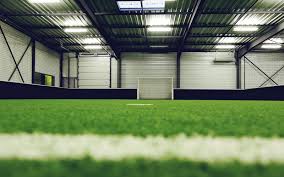
Multi-use and community sports facilities encompass a broad range of venues that serve multiple purposes and user groups. These include community centres with sports halls, leisure centres offering various activities, village halls hosting sports clubs, school facilities available for community use, and purpose-built multi-sport complexes.
The defining characteristic of these facilities is their versatility. A typical community sports facility might host children's football training in the morning, adult fitness classes at midday, elderly exercise groups in the afternoon, and social events in the evening. This diversity creates unique operational challenges and insurance considerations that single-purpose facilities don't face.
Key Insurance Risks for Multi-Use Sports Facilities
Public Liability Risks
Public liability represents the most fundamental insurance concern for any facility welcoming members of the public. In multi-use sports facilities, the risk exposure is particularly high due to the volume and diversity of users. Slip and fall accidents on wet floors after swimming sessions, injuries from sports equipment, collisions between users during activities, and accidents in changing rooms or common areas all present potential liability claims.
The varied nature of activities increases complexity. A facility hosting both gentle yoga classes and competitive basketball faces different risk profiles throughout the day. Public liability insurance protects against claims from injured visitors, covering legal costs and compensation payments that could otherwise devastate a community facility's finances.
Employers Liability Coverage
Most multi-use sports facilities employ staff ranging from facility managers and sports coaches to cleaners, receptionists, and maintenance personnel. Employers liability insurance is a legal requirement when you employ staff, protecting against claims from employees injured during their work.
In sports facilities, staff face particular risks including injuries from manual handling of equipment, accidents during facility maintenance, exposure to cleaning chemicals, and injuries sustained while supervising activities. Coaches and instructors face additional risks from demonstrating techniques or participating in activities. Comprehensive employers liability coverage ensures your facility can meet its legal obligations while protecting employees.
Property and Buildings Insurance
Community sports facilities often represent significant capital investments, whether owned by local authorities, charitable trusts, or community organizations. Buildings insurance protects the physical structure against fire, flood, storm damage, vandalism, and other perils.
For multi-use facilities, buildings insurance must account for specific features including sports halls with specialized flooring, swimming pools with complex mechanical systems, changing rooms and shower facilities, storage areas for equipment, and social spaces like cafeterias or meeting rooms. The replacement cost of specialized sports surfaces and facilities can be substantial, making adequate buildings cover essential.
Contents and Equipment Insurance
Multi-use sports facilities typically house considerable equipment and contents including sports equipment for various activities, fitness machines and weights, audio-visual equipment, furniture for social spaces, office equipment, and maintenance tools. Contents insurance protects against theft, damage, or loss of these items.
The diverse range of equipment in multi-use facilities increases both value and vulnerability. A facility offering multiple sports may have thousands of pounds worth of equipment that needs protection. Equipment insurance should cover replacement at current market value, accounting for the specialized nature of sports equipment.
Business Interruption Insurance
For facilities generating revenue through memberships, class fees, facility hire, or events, business interruption insurance provides crucial financial protection. If your facility becomes unusable due to fire, flood, or other insured perils, business interruption cover replaces lost income and helps maintain ongoing expenses like staff salaries and loan repayments.
Community facilities often operate on tight margins, making them particularly vulnerable to interruption. A swimming pool closure for repairs or a sports hall damaged by fire could mean weeks or months without income. Business interruption insurance provides a financial lifeline during these challenging periods.
Professional Indemnity Insurance
Facilities employing coaches, fitness instructors, or sports therapists should consider professional indemnity insurance. This covers claims arising from professional advice or services provided, such as injuries resulting from inappropriate training programs, claims of negligent instruction or supervision, or advice given about nutrition or exercise that causes harm.
While public liability covers general accidents, professional indemnity specifically addresses claims related to professional services and expertise. For facilities offering structured programs and professional instruction, this additional layer of protection is valuable.
Equipment Breakdown Insurance
Multi-use sports facilities rely on various mechanical and electrical equipment including heating and ventilation systems, swimming pool filtration and heating, refrigeration for cafeterias, lighting systems, and fitness equipment. Equipment breakdown insurance covers repair or replacement costs and associated business interruption when this equipment fails.
The specialized nature of sports facility equipment means repairs can be expensive and time-consuming. Pool heating systems, for example, are complex and costly to repair. Equipment breakdown cover provides financial protection against these unexpected expenses.
Cyber Insurance
Modern sports facilities increasingly rely on digital systems for bookings, membership management, payment processing, and communications. Cyber insurance protects against data breaches exposing member information, ransomware attacks disrupting operations, payment card fraud, and liability from data protection violations.
With GDPR requirements and increasing cyber threats, facilities holding personal data face real risks. A data breach could result in regulatory fines, compensation claims, and reputational damage. Cyber insurance helps manage these modern risks.
Specific Coverage Considerations
Swimming Pool Coverage
Facilities with swimming pools face unique insurance considerations. Pool-specific risks include drowning or near-drowning incidents, slip accidents on wet surfaces, chemical exposure from pool treatment, equipment failure affecting water quality, and Legionella contamination. Insurance for pool facilities must address these specific hazards with appropriate coverage limits.
Changing Room and Shower Facilities
Changing rooms present particular liability risks including slip accidents on wet floors, theft of personal belongings, privacy and safeguarding concerns, and injuries from falls or collisions. Adequate coverage for these areas, combined with robust operational procedures, helps manage these risks.
Multi-Activity Spaces
Spaces used for different activities throughout the day require flexible risk management. A hall used for children's gymnastics, adult martial arts, and evening social events faces varying risk profiles. Insurance should account for the full range of activities, with clear communication to insurers about all uses of the facility.
Outdoor Facilities
Many community sports facilities include outdoor areas such as playing fields, tennis courts, outdoor fitness equipment, car parks, and playgrounds. These areas require coverage for weather-related damage, vandalism, user injuries, and maintenance issues. Outdoor spaces may face different risk exposures than indoor facilities, requiring specific coverage considerations.
Regulatory and Compliance Requirements
Health and Safety Obligations
Sports facilities must comply with extensive health and safety regulations. Insurance works alongside, not instead of, robust health and safety practices. Key obligations include regular risk assessments, equipment maintenance and inspection, staff training on safety procedures, emergency response planning, and incident recording and reporting.
Insurers often require evidence of health and safety compliance, and failure to maintain standards can void coverage. Demonstrating strong safety practices may also reduce insurance premiums.
Safeguarding Requirements
Facilities serving children and vulnerable adults must implement safeguarding policies. Insurance should cover safeguarding-related claims, but insurers expect facilities to have appropriate policies including DBS checks for staff and volunteers, safeguarding training, clear reporting procedures, and appropriate supervision ratios.
Data Protection Compliance
Facilities holding member data must comply with GDPR and data protection legislation. This includes secure data storage, privacy policies, consent management, and breach notification procedures. Cyber insurance complements compliance efforts but doesn't replace the need for robust data protection practices.
Accessibility Requirements
Community facilities must meet accessibility standards under the Equality Act. This includes physical access for disabled users, adapted equipment where appropriate, accessible information and communications, and reasonable adjustments for users with disabilities. Insurance should cover claims related to accessibility, but facilities must demonstrate efforts to meet legal requirements.
Factors Affecting Insurance Costs
Facility Size and Capacity
Larger facilities with higher user numbers typically face higher insurance costs due to increased risk exposure. A small community hall hosting 50 users weekly presents different risks than a large leisure centre with thousands of weekly visitors.
Range of Activities
The diversity and nature of activities affect premiums. Higher-risk activities like martial arts, trampolining, or climbing increase costs compared to lower-risk activities like yoga or table tennis. Insurers assess the full activity mix when calculating premiums.
Claims History
Previous claims significantly impact insurance costs. Facilities with frequent claims face higher premiums, while those with clean claims histories may benefit from reduced costs. Effective risk management that prevents claims delivers long-term financial benefits.
Security Measures
Strong security reduces theft and vandalism risks, potentially lowering premiums. Effective security includes CCTV systems, alarm systems, secure storage for equipment, controlled access systems, and security lighting.
Maintenance Standards
Well-maintained facilities present lower risks. Regular maintenance of buildings, equipment, and grounds demonstrates responsible management and may result in more favorable insurance terms.
Staff Qualifications
Qualified, trained staff reduce accident risks. Facilities employing appropriately qualified coaches, lifeguards, and supervisors may benefit from lower premiums. Ongoing training and professional development further demonstrate commitment to safety.
Choosing the Right Insurance Provider
Specialist Sports Facility Insurers
Working with insurers experienced in sports and leisure facilities ensures appropriate coverage. Specialist insurers understand the unique risks, offer tailored policies, provide risk management support, and understand regulatory requirements specific to sports facilities.
Coverage Adequacy
Ensure policies provide sufficient coverage limits for your facility's needs. Consider the replacement cost of buildings and equipment, potential liability claim values, business interruption requirements, and specific risks associated with your activities.
Policy Exclusions
Understand what's not covered. Common exclusions include wear and tear, gradual deterioration, certain high-risk activities without additional premium, and claims resulting from non-compliance with safety requirements. Clarify exclusions before purchasing coverage.
Claims Support
Evaluate insurers' claims handling processes. Look for responsive claims teams, clear claims procedures, support during the claims process, and fair settlement practices. The value of insurance is ultimately determined by claims experience.
Risk Management Best Practices
Regular Inspections
Conduct regular facility inspections to identify and address hazards. This includes daily checks of high-use areas, weekly equipment inspections, monthly building checks, and annual comprehensive assessments.
Staff Training
Invest in comprehensive staff training covering health and safety procedures, emergency response, safeguarding, customer service, and activity-specific skills. Well-trained staff prevent accidents and respond effectively when incidents occur.
User Communication
Clear communication with users about safety expectations, facility rules, emergency procedures, and appropriate behavior helps prevent accidents and manage risks.
Incident Management
Implement robust incident recording and management systems. Document all accidents and near-misses, investigate causes, implement corrective actions, and report to insurers as required. Good incident management prevents recurring problems and supports insurance claims when necessary.
Maintenance Schedules
Establish and follow preventive maintenance schedules for buildings, equipment, and grounds. Regular maintenance prevents equipment failures, extends asset life, and demonstrates responsible facility management to insurers.
Frequently Asked Questions
Do I need different insurance for different activities in my facility? Most comprehensive sports facility policies cover multiple activities, but you must declare all activities to your insurer. Some high-risk activities may require additional premium or specific endorsements.
What happens if a user is injured using our facility? Your public liability insurance covers claims from injured users, provided you've met your duty of care and maintained appropriate safety standards. Report incidents to your insurer promptly.
Is insurance required by law for community sports facilities? Employers liability insurance is legally required if you employ staff. While other coverage isn't legally mandated, it's essential for protecting your facility and is often required by landlords, funding bodies, or governing bodies.
How much public liability cover do we need? Most facilities carry £5-10 million public liability coverage. Consider your user numbers, activity types, and any requirements from landlords or governing bodies when determining appropriate limits.
Does insurance cover volunteer workers? Employers liability typically covers volunteers as well as paid staff, but confirm this with your insurer. Public liability also covers claims from volunteers injured while using your facility.
What if we hire out our facility to external groups? Ensure your insurance covers facility hire arrangements. You may require hirers to have their own insurance, but your policy should provide underlying coverage. Clarify responsibilities in hire agreements.
How does claims history affect our premiums? Frequent claims typically increase premiums, while claim-free periods may reduce costs. Effective risk management that prevents claims delivers long-term financial benefits.
Can we reduce insurance costs? Yes, through effective risk management, staff training, security improvements, regular maintenance, and shopping around for competitive quotes from specialist insurers.
Conclusion
Multi-use and community sports facilities provide invaluable services to local communities, but they face complex insurance challenges due to their diverse activities and user groups. Comprehensive insurance coverage—including public liability, employers liability, property, contents, business interruption, and specialized coverage for specific risks—protects these vital community assets.
Effective insurance combines adequate coverage with strong risk management practices. Regular facility inspections, staff training, maintenance schedules, and safety procedures prevent accidents and demonstrate responsible management to insurers. By understanding the specific risks your facility faces and working with specialist insurers who understand the sports and leisure sector, you can secure appropriate protection at competitive rates.
Whether you manage a small community hall or a large multi-sport complex, investing in comprehensive insurance and risk management protects your facility, staff, users, and the community you serve. The peace of mind that comes from knowing your facility is properly protected allows you to focus on your core mission: providing quality sports and recreation opportunities that enhance community wellbeing.
For expert advice on insuring your multi-use or community sports facility, contact Insure24 at 0330 127 2333 or visit www.insure24.co.uk. Our specialist team understands the unique challenges facing community sports facilities and can tailor coverage to your specific needs.


 My Account