mRNA Vaccine Facilities Manufacturing Insurance: A Comprehensive Guide
Introduction
The rapid development and deployment of mRNA vaccine technology during the COVID-19 pandemic has transformed the pharmaceutical manufacturing landscape. Facilities producing these cutting-edge vaccines face unique operational challenges, regulatory requirements, and risk exposures that demand specialized insurance coverage. Understanding the insurance needs of mRNA vaccine manufacturing facilities is essential for protecting these critical operations and ensuring business continuity in an industry where the stakes have never been higher.
mRNA vaccine manufacturing represents a significant departure from traditional vaccine production methods. The technology requires sophisticated cold chain management, specialized equipment, stringent quality control measures, and compliance with evolving regulatory frameworks. These factors create a complex risk profile that standard manufacturing insurance policies may not adequately address.
Understanding mRNA Vaccine Manufacturing Risks
Specialized Equipment and Technology Risks
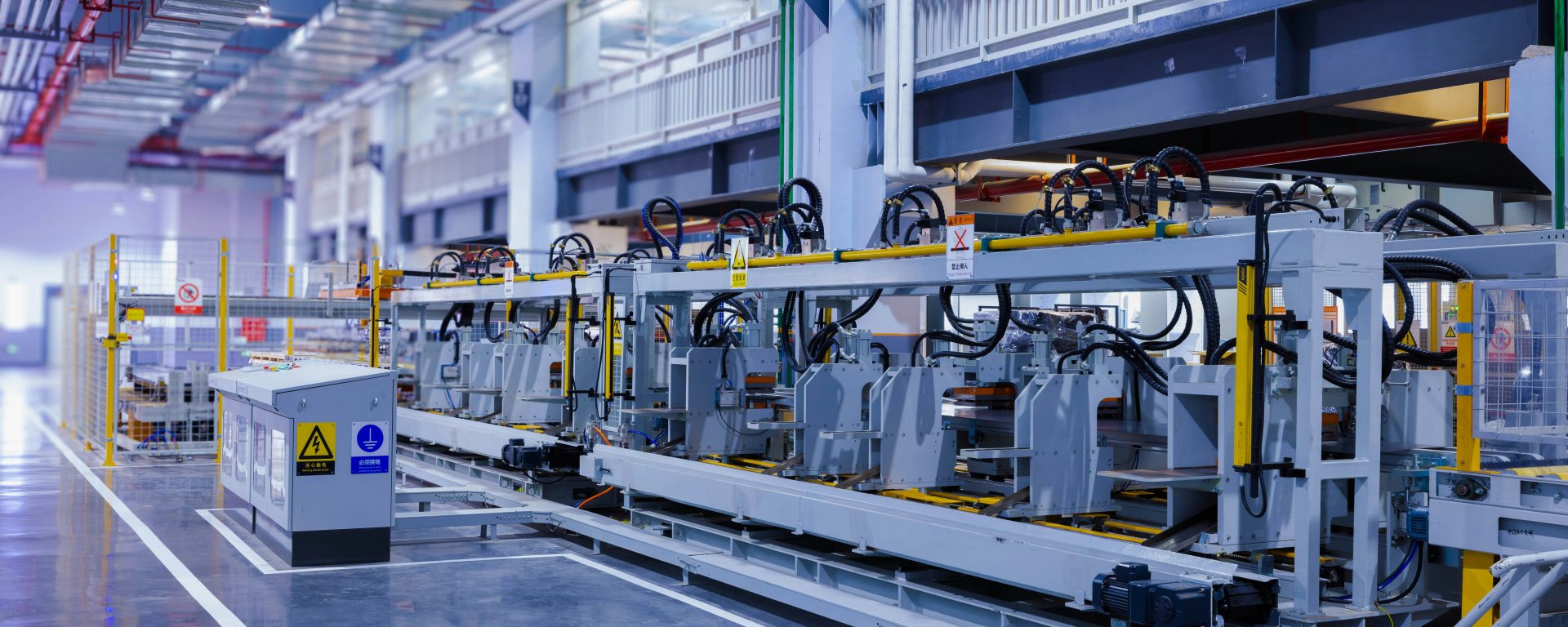
mRNA vaccine facilities rely on highly specialized equipment including bioreactors, lipid nanoparticle formulation systems, sterile filling lines, and ultra-cold storage units. This equipment represents substantial capital investment and requires precise calibration and maintenance. Equipment breakdown can halt production, leading to significant financial losses and potential public health implications.
The technology itself is relatively new, meaning that equipment failure patterns may not be fully understood. Insurance coverage must account for the replacement cost of specialized machinery, the expense of emergency repairs, and the potential for extended business interruption while equipment is sourced and installed.
Cold Chain Management Vulnerabilities
One of the most critical aspects of mRNA vaccine manufacturing is maintaining the cold chain. These vaccines must be stored at ultra-low temperatures, with some requiring storage at -70°C or colder. Power failures, refrigeration system malfunctions, or human error can compromise entire batches worth millions of pounds.
Temperature excursions can occur during manufacturing, storage, or distribution. Even brief deviations from required temperature ranges can render products unusable. Insurance coverage must address the value of spoiled inventory, the cost of disposal, and the business interruption resulting from lost production capacity.
Contamination and Quality Control Risks
The sterile manufacturing environment required for mRNA vaccine production is vulnerable to contamination from biological, chemical, or particulate sources. A single contamination event can necessitate facility shutdown, comprehensive cleaning and validation, batch destruction, and regulatory investigation.
Cross-contamination between different vaccine products or research materials presents additional risks. Manufacturing facilities often produce multiple products or conduct research alongside commercial production, increasing the complexity of contamination prevention and the potential scope of losses.
Regulatory Compliance and Recall Exposure
mRNA vaccine manufacturers operate under intense regulatory scrutiny from agencies including the Medicines and Healthcare products Regulatory Agency (MHRA), the European Medicines Agency (EMA), and the US Food and Drug Administration (FDA). Regulatory violations can result in warning letters, production holds, facility shutdowns, and substantial fines.
Product recalls represent one of the most significant financial risks facing vaccine manufacturers. Whether triggered by contamination, labeling errors, potency issues, or adverse event reports, recalls involve direct costs for product retrieval and destruction, notification expenses, regulatory response, and potentially devastating reputational damage.
Cyber Security Threats
Modern pharmaceutical manufacturing facilities are highly digitized, with interconnected systems controlling production processes, quality management, supply chain logistics, and research data. This digital infrastructure creates vulnerability to cyber attacks that could disrupt operations, compromise sensitive intellectual property, or manipulate production data.
Ransomware attacks targeting pharmaceutical manufacturers have increased significantly, with attackers recognizing the critical nature of vaccine production and the pressure to restore operations quickly. Data breaches can expose proprietary formulations, clinical trial information, and personally identifiable information from clinical studies.
Supply Chain Disruptions
mRNA vaccine manufacturing depends on a complex global supply chain providing raw materials, specialized lipids, nucleotides, enzymes, and single-use manufacturing components. Disruptions to this supply chain can halt production even when the facility itself remains operational.
The COVID-19 pandemic highlighted the vulnerability of pharmaceutical supply chains to global events. Geopolitical tensions, natural disasters, supplier failures, and transportation disruptions all pose risks that can impact manufacturing continuity.
Essential Insurance Coverage for mRNA Vaccine Facilities
Property and Equipment Insurance
Comprehensive property insurance forms the foundation of protection for mRNA vaccine manufacturing facilities. This coverage should extend beyond basic building and contents to include:
Specialized Manufacturing Equipment: Coverage must reflect the replacement cost of sophisticated bioreactors, formulation systems, filling lines, and analytical equipment. Standard depreciation-based policies may significantly undervalue these assets.
Ultra-Cold Storage Infrastructure: The specialized refrigeration and cryogenic storage systems essential for mRNA vaccine production require specific coverage addressing both the equipment itself and its contents.
Improvements and Betterments: Manufacturing facilities often occupy leased space with substantial tenant improvements. Coverage should protect investments in cleanroom construction, HVAC systems, and facility modifications.
Business Interruption: Extended business interruption coverage is critical, as equipment replacement and facility restoration can take months. Coverage should include extra expense provisions for expedited equipment delivery, temporary facility rental, and increased operational costs during recovery.
Stock and Inventory Coverage
The value of raw materials, work-in-progress, and finished vaccine inventory can reach substantial levels. Specialized stock coverage should address:
Temperature-Sensitive Inventory: Standard property policies may not adequately cover losses from temperature excursions. Specific coverage for refrigerated and frozen inventory is essential.
Contamination Coverage: Protection against losses from contamination events, including the cost of batch destruction, facility decontamination, and revalidation.
Raw Material and Component Inventory: Coverage for specialized lipids, nucleotides, and other materials that may have long lead times for replacement.
Finished Product: Protection for completed vaccines awaiting distribution, including coverage during temporary storage and staging for shipment.
Product Liability Insurance
Given the public health significance and widespread use of vaccines, product liability coverage is paramount. This insurance protects against claims arising from:
Adverse Reactions: Coverage for claims alleging injury or illness resulting from vaccine administration, even when products meet all specifications and regulatory requirements.
Manufacturing Defects: Protection against claims arising from contamination, incorrect formulation, or other manufacturing errors that result in defective products.
Failure to Warn: Coverage for allegations that product labeling, package inserts, or healthcare provider communications inadequately warned of potential risks.
Defense Costs: Product liability claims in the pharmaceutical sector often involve extensive litigation. Coverage should include substantial defense cost provisions separate from policy limits.
Policy limits for vaccine manufacturers should be substantial, often ranging from £50 million to £500 million or more, depending on production volume and distribution scope.
Professional Indemnity Insurance
Professional indemnity coverage protects against claims arising from professional services and advice provided by the manufacturing organization, including:
Formulation and Development Errors: Coverage for claims alleging errors in vaccine design, formulation selection, or development processes.
Quality Control Failures: Protection against allegations that quality assurance or quality control processes failed to detect defects or deviations.
Regulatory Submission Errors: Coverage for claims arising from errors or omissions in regulatory filings, clinical trial protocols, or compliance documentation.
Technical Advice: Protection when technical guidance provided to healthcare providers, distributors, or regulatory agencies is alleged to be incorrect or inadequate.
Product Recall Insurance
Dedicated product recall coverage addresses the unique costs associated with vaccine recalls:
Direct Recall Costs: Coverage for expenses related to product retrieval, transportation, storage, and destruction of recalled products.
Notification Expenses: Costs for communicating with healthcare providers, distributors, patients, and regulatory agencies about the recall.
Crisis Management: Professional fees for public relations, legal counsel, and recall coordination specialists.
Replacement Product Costs: Some policies can be structured to cover the cost of manufacturing replacement products for recalled batches.
Regulatory Response: Expenses associated with regulatory investigations, inspections, and compliance activities triggered by the recall event.
Cyber Insurance
Comprehensive cyber insurance has become essential for pharmaceutical manufacturers:
Business Interruption: Coverage for income losses resulting from cyber attacks that disrupt manufacturing operations or prevent product distribution.
Data Breach Response: Costs for forensic investigation, legal counsel, regulatory notification, credit monitoring for affected individuals, and public relations.
Cyber Extortion: Coverage for ransom payments and negotiation expenses in ransomware attacks, along with costs to restore systems and data.
Intellectual Property Theft: Protection against losses from theft of proprietary formulations, manufacturing processes, or research data.
System Restoration: Costs to repair or replace damaged systems, restore data from backups, and validate system integrity following an attack.
Employers Liability and Workers Compensation
Manufacturing facilities must maintain adequate coverage for employee injuries and occupational illnesses:
Standard Employers Liability: Required coverage for employee injury claims, with limits typically starting at £10 million.
Occupational Disease: Specific coverage for illnesses potentially resulting from exposure to biological materials, chemicals, or other workplace hazards.
Key Person Insurance: Protection against the loss of critical personnel with specialized expertise in mRNA technology, regulatory affairs, or quality systems.
Environmental Liability Insurance
Pharmaceutical manufacturing creates environmental exposures requiring specialized coverage:
Pollution Liability: Coverage for environmental contamination from chemical spills, waste disposal, or air emissions.
Biological Material Release: Protection against claims arising from the release of biological materials or genetically modified organisms.
Waste Disposal: Coverage for claims related to the disposal of pharmaceutical waste, including sharps, contaminated materials, and expired products.
Remediation Costs: Expenses for environmental cleanup, site remediation, and regulatory compliance following a pollution event.
Risk Management Strategies
Preventive Maintenance Programs
Implementing comprehensive preventive maintenance schedules for critical equipment reduces the likelihood of unexpected failures. Regular calibration, performance qualification, and predictive maintenance using sensors and analytics can identify potential issues before they cause production disruptions.
Maintenance programs should be documented thoroughly, as insurers often consider maintenance records when underwriting policies and evaluating claims. Facilities with robust maintenance programs may qualify for premium discounts.
Redundancy and Backup Systems
Building redundancy into critical systems minimizes single points of failure:
Backup Power: Uninterruptible power supplies (UPS) and emergency generators ensure continuous operation of critical refrigeration and manufacturing systems.
Redundant Equipment: Maintaining backup units for critical manufacturing equipment allows rapid restoration of production capacity following equipment failure.
Alternative Suppliers: Qualifying multiple suppliers for critical raw materials and components reduces vulnerability to supply chain disruptions.
Data Backup and Recovery: Regular backups of manufacturing data, batch records, and quality documentation enable rapid recovery from cyber incidents or system failures.
Quality Management Systems
Robust quality management systems prevent defects and contamination while demonstrating due diligence to insurers and regulators:
Process Validation: Comprehensive validation of manufacturing processes ensures consistent product quality and reduces the risk of batch failures.
Environmental Monitoring: Continuous monitoring of cleanroom conditions, temperature, humidity, and particulate levels enables rapid detection and response to deviations.
Change Control: Formal change control procedures ensure that modifications to equipment, processes, or materials are properly evaluated, approved, and documented.
Deviation Management: Systematic investigation and resolution of deviations from standard procedures prevents recurrence and demonstrates commitment to quality.
Cyber Security Measures
Protecting digital infrastructure requires a multi-layered approach:
Network Segmentation: Isolating manufacturing systems from corporate networks and the internet limits the potential impact of cyber attacks.
Access Controls: Implementing role-based access controls and multi-factor authentication prevents unauthorized access to critical systems.
Regular Updates: Maintaining current security patches and software updates addresses known vulnerabilities.
Employee Training: Regular cyber security awareness training helps employees recognize phishing attempts and social engineering tactics.
Incident Response Planning: Developing and testing incident response plans enables rapid, coordinated response to cyber events.
Supply Chain Management
Proactive supply chain management reduces vulnerability to disruptions:
Supplier Qualification: Thorough qualification and auditing of suppliers ensures reliability and quality.
Strategic Inventory: Maintaining strategic reserves of critical materials with long lead times provides buffer against supply disruptions.
Supply Agreements: Formal supply agreements with key vendors can include provisions for priority allocation during shortages.
Alternative Sourcing: Identifying and qualifying alternative sources for critical materials provides flexibility when primary suppliers face difficulties.
Working with Insurance Providers
Selecting Appropriate Coverage
Choosing the right insurance coverage requires careful assessment of facility-specific risks:
Risk Assessment: Conduct comprehensive risk assessments identifying potential loss scenarios, their likelihood, and potential financial impact.
Coverage Gaps: Review existing policies to identify gaps in coverage that could leave the facility exposed to uninsured losses.
Policy Limits: Ensure policy limits are adequate to cover realistic worst-case scenarios, including extended business interruption and major product recalls.
Deductibles and Retentions: Balance premium costs against acceptable levels of self-insured risk through appropriate deductible selection.
Specialized Insurance Brokers
Working with insurance brokers specializing in pharmaceutical manufacturing provides significant advantages:
Industry Expertise: Specialized brokers understand the unique risks of mRNA vaccine manufacturing and can identify appropriate coverage options.
Market Access: Established brokers have relationships with insurers willing to underwrite pharmaceutical risks and can negotiate favorable terms.
Claims Advocacy: Experienced brokers advocate for policyholders during the claims process, helping to maximize recovery and minimize disputes.
Risk Management Resources: Many specialized brokers provide risk management consulting, helping facilities implement loss prevention measures that can reduce premiums.
Policy Review and Updates
Insurance needs evolve as facilities expand, technologies change, and new risks emerge:
Annual Reviews: Conduct annual policy reviews to ensure coverage remains adequate as facility operations, production volumes, and asset values change.
Expansion Coverage: Update policies promptly when adding new equipment, expanding facilities, or launching new products.
Regulatory Changes: Monitor regulatory developments that may create new compliance obligations or liability exposures requiring coverage adjustments.
Claims Experience: Review claims history to identify patterns suggesting areas where additional coverage or risk management measures may be beneficial.
Conclusion
mRNA vaccine manufacturing facilities face a complex array of risks requiring comprehensive, specialized insurance coverage. From equipment breakdown and contamination to product liability and cyber threats, the potential for significant financial losses demands careful risk assessment and appropriate insurance protection.
Effective insurance programs for these facilities extend beyond simply purchasing policies. They require ongoing risk management, preventive maintenance, quality systems, supply chain resilience, and cyber security measures that reduce the likelihood and severity of losses. By combining comprehensive insurance coverage with proactive risk management, mRNA vaccine manufacturers can protect their operations, fulfill their critical public health mission, and maintain financial stability in the face of inevitable challenges.
As mRNA technology continues to evolve and expand beyond COVID-19 vaccines to other therapeutic applications, insurance needs will continue to develop. Facilities must work closely with specialized insurance brokers and risk management professionals to ensure their coverage keeps pace with technological advancement, regulatory evolution, and emerging risk landscapes. The investment in comprehensive insurance protection is not merely a cost of doing business—it is essential infrastructure enabling these facilities to continue their vital work developing and manufacturing vaccines that protect public health worldwide.


 My Account