Marelli Automotive: Electronic Systems and Lighting Manufacturing Insurance
Introduction to Marelli Automotive Manufacturing Insurance
Marelli Automotive stands as one of the world's leading tier-one suppliers of automotive electronic systems and lighting components, serving major vehicle manufacturers across the globe. The company's sophisticated manufacturing operations encompass advanced driver assistance systems, electronic control units, infotainment systems, LED lighting assemblies, and cutting-edge automotive technologies. Operating in this highly specialized sector requires comprehensive insurance coverage that addresses the unique risks inherent in automotive electronics and lighting manufacturing.
The automotive supply chain faces unprecedented challenges in today's market. Component manufacturers like Marelli must navigate complex production processes, stringent quality requirements, just-in-time delivery pressures, and rapidly evolving technology standards. A single production disruption, quality issue, or supply chain failure can cascade through multiple vehicle assembly lines, resulting in substantial financial exposure. Specialized manufacturing insurance provides essential protection against these multifaceted risks while supporting business continuity and contractual obligations.
This comprehensive guide explores the insurance requirements specific to electronic systems and lighting manufacturing for automotive applications. We examine the coverage types essential for protecting manufacturing facilities, production equipment, intellectual property, supply chain operations, and liability exposures unique to tier-one automotive suppliers.
Understanding the Marelli Manufacturing Risk Profile
Electronic Systems Manufacturing Risks
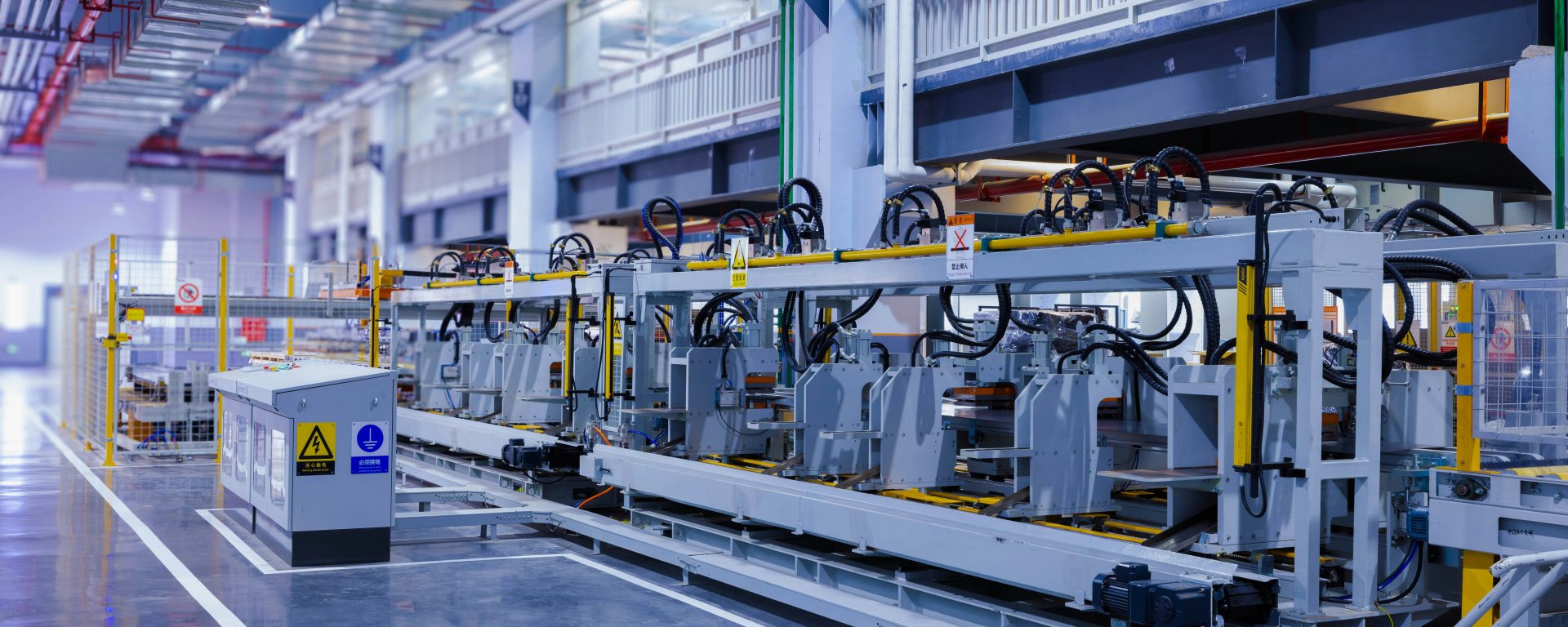
Electronic systems manufacturing for automotive applications presents distinct risk characteristics. Production facilities house sophisticated clean rooms, precision assembly equipment, automated testing systems, and specialized calibration tools worth millions of pounds. These facilities operate under strict environmental controls to prevent contamination that could compromise electronic component reliability.
Manufacturing processes involve handling sensitive components including microprocessors, sensors, circuit boards, and proprietary software systems. Even minor environmental fluctuations, power surges, or contamination events can damage entire production batches. The high value density of electronic components means relatively small physical losses can translate into substantial financial impacts.
Quality control failures represent particularly serious exposures. A defective electronic control unit or sensor that passes quality inspection could be installed in thousands of vehicles before detection. The resulting recall costs, liability claims, and reputational damage can reach tens of millions of pounds.
Lighting Manufacturing Risks
Automotive lighting manufacturing involves different but equally significant risk factors. Production processes include injection molding of plastic housings, precision optics manufacturing, LED assembly, reflector coating, and complex sealing operations. These processes require specialized equipment including molding machines, coating chambers, automated assembly lines, and photometric testing equipment.
Lighting components must meet rigorous performance standards for brightness, beam pattern, durability, and regulatory compliance across multiple markets. Manufacturing defects can result in inadequate illumination, glare issues, premature failure, or non-compliance with vehicle safety regulations. The liability exposure from lighting defects that contribute to accidents can be substantial.
Fire risk in lighting manufacturing facilities warrants particular attention. Processes involving plastics, coatings, adhesives, and electrical systems create multiple ignition sources. A significant fire could destroy specialized tooling, disrupt production for extended periods, and trigger substantial business interruption losses.
Essential Insurance Coverage for Automotive Electronics Manufacturing
Property and Equipment Coverage
Comprehensive property insurance forms the foundation of protection for electronic systems and lighting manufacturing facilities. Coverage must extend beyond basic building protection to encompass the full range of specialized manufacturing assets.
Manufacturing equipment coverage should include precision assembly robots, automated optical inspection systems, environmental control equipment, clean room facilities, testing and calibration equipment, and specialized tooling. Replacement cost valuation ensures equipment can be replaced with current technology rather than depreciated value, which is essential given the rapid evolution of manufacturing technology.
Stock and work-in-progress coverage protects raw materials, component inventory, semi-finished goods, and finished products awaiting shipment. Given the high value of electronic components and the just-in-time nature of automotive supply chains, adequate inventory coverage prevents financial strain from material losses.
Breakdown insurance provides crucial protection against mechanical and electrical equipment failure. Manufacturing equipment operates continuously under demanding conditions, and unexpected breakdowns can halt production. Coverage should include repair costs, expedited replacement, and associated business interruption losses.
Business Interruption Insurance
Business interruption coverage represents perhaps the most critical protection for automotive component manufacturers. Vehicle assembly lines operate on precise schedules with minimal buffer inventory. A production stoppage at a tier-one supplier can force multiple assembly plants to halt operations within hours.
Standard business interruption coverage compensates for lost profits and continuing expenses during periods when manufacturing operations are suspended due to insured property damage. Coverage should extend for sufficient periods to allow for equipment replacement, facility reconstruction, and production restart, which can extend twelve months or longer for specialized manufacturing operations.
Contingent business interruption coverage extends protection to losses resulting from disruptions at key suppliers or customer facilities. If a critical raw material supplier experiences a fire, or if a major customer's assembly plant shuts down, the resulting impact on your manufacturing operations triggers coverage.
Extended indemnity periods ensure coverage continues beyond physical restoration until production volumes and profitability return to pre-loss levels. Automotive customers may shift sourcing to alternative suppliers during extended disruptions, making recovery of full production volumes challenging even after facilities are rebuilt.
Liability Insurance for Automotive Component Manufacturers
Product Liability Coverage
Product liability insurance provides essential protection against claims arising from defective electronic systems or lighting components. Automotive applications create significant liability exposure because component failures can contribute to vehicle accidents resulting in serious injuries or fatalities.
Coverage must be substantial, typically ranging from ten million to fifty million pounds or more, reflecting the potential severity of automotive product liability claims. Policies should cover legal defense costs, settlements, and judgments arising from allegations of defective design, manufacturing defects, inadequate warnings, or failure to meet specifications.
Recall coverage addresses the costs associated with product recalls, which represent a major financial exposure for automotive component manufacturers. Coverage should include notification costs, logistics expenses, component replacement, and associated business interruption. Given that automotive recalls can involve millions of vehicles, adequate recall coverage limits are essential.
Contractual liability provisions ensure coverage extends to liability assumed under supply agreements with vehicle manufacturers. Automotive supply contracts typically include extensive indemnity provisions, and insurance coverage must respond to these contractual obligations.
Professional Indemnity Insurance
Professional indemnity coverage protects against claims arising from design errors, engineering mistakes, specification failures, or inadequate technical advice. Electronic systems manufacturers provide substantial engineering services in developing components to customer specifications.
Design defects that result in component failures, performance shortfalls, or integration problems can trigger substantial claims from vehicle manufacturers. Coverage should include costs to redesign components, retrofit existing systems, and compensate customers for development delays or production disruptions.
Intellectual property coverage within professional indemnity policies addresses claims of patent infringement, copyright violation, or misappropriation of trade secrets. The automotive electronics sector involves complex intellectual property landscapes, and inadvertent infringement claims can arise despite careful engineering practices.
Employers Liability and Public Liability
Employers liability insurance, required by law, protects against employee injury claims. Manufacturing environments present various hazards including machinery operation, chemical handling, repetitive strain injuries, and slip and fall risks. Coverage should meet statutory requirements with limits typically set at ten million pounds or higher.
Public liability insurance covers third-party injury or property damage claims arising from business operations. This includes injuries to visitors, damage caused by delivery vehicles, or harm resulting from products before they enter the automotive supply chain. Standard limits range from five million to ten million pounds depending on operational scale and contractual requirements.
Cyber Insurance for Connected Automotive Manufacturing
Manufacturing Systems Cyber Risks
Modern automotive manufacturing operations rely extensively on connected systems, creating substantial cyber risk exposure. Production networks connect design systems, manufacturing execution platforms, quality control databases, supply chain management systems, and customer portals. A cyber attack can disrupt production, compromise proprietary designs, or expose confidential customer information.
Ransomware attacks represent a growing threat to manufacturing operations. Attackers encrypt production systems and demand payment for restoration. Even with robust backup systems, recovery can require days or weeks, triggering substantial business interruption losses. Cyber insurance provides coverage for ransom payments, forensic investigation, system restoration, and associated business interruption.
Data breach coverage addresses exposures from unauthorized access to confidential information. Automotive component manufacturers maintain extensive databases containing proprietary designs, customer specifications, supply chain information, and employee records. A data breach triggers notification obligations, credit monitoring costs, regulatory fines, and potential liability claims.
Intellectual Property and Trade Secret Protection
Cyber insurance increasingly includes coverage for theft of intellectual property and trade secrets. Electronic systems and lighting designs represent substantial investments in research and development. Cyber criminals or state-sponsored actors may target manufacturing networks to steal proprietary technology, providing competitors with unfair advantages.
Coverage should address the costs of forensic investigation to determine what information was accessed, legal expenses in pursuing remedies, and business interruption losses resulting from competitive disadvantage. While quantifying losses from intellectual property theft presents challenges, specialized cyber policies increasingly provide meaningful protection.
Supply Chain and Transit Insurance
Goods in Transit Coverage
Automotive components frequently move between manufacturing facilities, warehousing locations, and customer assembly plants. Goods in transit insurance protects against loss or damage during transportation, whether by company vehicles, common carriers, or international shipping.
Electronic components require particular care during transit due to sensitivity to shock, vibration, temperature extremes, and electrostatic discharge. Coverage should extend to all transportation modes including road, rail, sea, and air freight. Adequate limits reflect the high value of electronic systems and lighting assemblies.
International shipments require special attention to coverage terms. Marine cargo insurance provides protection for ocean freight, while air cargo coverage addresses aviation risks. Political risk insurance may be appropriate for shipments to unstable regions or where expropriation risks exist.
Supply Chain Disruption Coverage
Supply chain disruption insurance extends beyond traditional contingent business interruption to address broader supply chain risks. Coverage can protect against losses from supplier failures, port closures, transportation disruptions, or regional catastrophes affecting multiple suppliers.
This coverage proves particularly valuable for automotive manufacturers given the global, interconnected nature of component supply chains. A natural disaster affecting semiconductor production in Asia, port congestion in Europe, or political instability in a key supplier region can disrupt manufacturing operations despite having no direct property damage at your facilities.
Specialized Coverage Considerations
Environmental Liability Insurance
Manufacturing operations involve various materials that create environmental liability exposures. Coating processes, cleaning solvents, adhesives, and electronic waste all require proper handling and disposal. Environmental liability insurance covers cleanup costs, third-party claims, and regulatory penalties arising from pollution events.
Coverage should address both sudden and gradual pollution conditions. A chemical spill represents an acute event, while improper waste disposal over time creates gradual pollution exposure. Comprehensive environmental coverage addresses both scenarios.
Directors and Officers Insurance
Directors and officers insurance protects company leadership against personal liability for management decisions. In the event of product recalls, supply chain failures, or financial difficulties, directors may face claims from shareholders, customers, or regulatory authorities. Coverage provides legal defense and indemnifies against personal financial exposure.
Employment practices liability insurance addresses claims of wrongful termination, discrimination, harassment, or other employment-related allegations. Manufacturing operations employ substantial workforces, creating exposure to employment claims that can prove costly even when allegations lack merit.
Trade Credit Insurance
Trade credit insurance protects against customer insolvency or payment default. Automotive manufacturers represent major customers with substantial credit exposures. If a vehicle manufacturer experiences financial difficulties and fails to pay for delivered components, trade credit insurance compensates for the loss.
This coverage proves particularly valuable during economic downturns when automotive demand fluctuates significantly. The protection supports financial stability and enables continued operations despite customer payment failures.
Risk Management Best Practices
Loss Prevention Strategies
Effective risk management extends beyond insurance coverage to encompass comprehensive loss prevention. Fire protection systems including early detection, automatic suppression, and compartmentalization limit potential fire losses. Regular equipment maintenance prevents breakdowns and extends asset life. Redundant manufacturing capacity provides business continuity options.
Quality management systems reduce product liability exposure. Rigorous testing protocols, statistical process control, and traceability systems identify defects before components reach customers. When issues do arise, robust quality systems enable rapid identification of affected production batches, limiting recall scope.
Cybersecurity measures including network segmentation, access controls, regular security assessments, and employee training reduce cyber risk exposure. Incident response planning ensures rapid, coordinated responses to cyber events, minimizing disruption duration.
Insurance Program Structure
Optimal insurance programs balance coverage breadth, policy limits, deductibles, and premium costs. Working with insurance brokers specializing in automotive manufacturing ensures access to appropriate coverage and competitive pricing. Annual insurance reviews adjust coverage as operations evolve, ensuring continued adequacy.
Captive insurance arrangements may benefit larger manufacturing operations. Captives provide greater control over insurance programs, potential cost savings, and tax advantages. However, captives require substantial capital commitment and sophisticated management.
Regulatory Compliance and Contractual Requirements
Automotive Industry Standards
Automotive component manufacturers must maintain insurance coverage meeting customer contractual requirements. Vehicle manufacturers typically specify minimum coverage limits for product liability, professional indemnity, and other coverages. Failure to maintain required insurance can trigger contract breaches and jeopardize customer relationships.
IATF 16949 quality management standards, while not directly addressing insurance, emphasize risk management and business continuity planning. Comprehensive insurance programs support compliance with these quality standards by demonstrating systematic approaches to operational risk management.
International Operations Considerations
Manufacturing operations spanning multiple countries require careful coordination of insurance coverage. Policies must comply with local insurance regulations while providing consistent protection across all locations. Master policies with local admitted policies in each jurisdiction provide efficient, compliant coverage structures.
Currency fluctuations, differing legal systems, and varying liability standards across countries complicate international insurance programs. Specialized brokers with global capabilities help navigate these complexities, ensuring comprehensive, compliant coverage.
Conclusion
Insurance for Marelli Automotive electronic systems and lighting manufacturing operations requires sophisticated, comprehensive coverage addressing the unique risks inherent in tier-one automotive supply. From property and equipment protection through product liability, cyber insurance, and supply chain coverage, multiple insurance layers work together to protect manufacturing operations, financial stability, and business continuity.
The automotive industry's evolution toward electric vehicles, autonomous driving systems, and connected technologies continues to transform the risk landscape for component manufacturers. Insurance programs must evolve correspondingly, addressing emerging exposures while maintaining protection against traditional manufacturing risks.
Working with insurance professionals who understand automotive manufacturing complexities ensures appropriate coverage, competitive pricing, and responsive claims handling. Regular insurance reviews, proactive risk management, and comprehensive coverage combine to protect your manufacturing operations and support long-term business success in the dynamic automotive supply sector.
Frequently Asked Questions
What insurance coverage is essential for automotive electronics manufacturing? Essential coverage includes property insurance for manufacturing equipment and facilities, business interruption insurance, product liability with substantial limits, professional indemnity for design services, cyber insurance for connected manufacturing systems, and goods in transit coverage for component shipments.
How much product liability coverage do automotive component manufacturers need? Product liability limits typically range from ten million to fifty million pounds or more, depending on production volumes, component types, and customer contractual requirements. Automotive applications create significant liability exposure due to potential contribution to vehicle accidents.
Does standard business interruption insurance cover supply chain disruptions? Standard business interruption covers losses from direct property damage at your facilities. Contingent business interruption extends coverage to supplier or customer disruptions, while supply chain disruption insurance provides broader protection against various supply chain risks.
What cyber risks do automotive manufacturers face? Key cyber risks include ransomware attacks disrupting production systems, data breaches exposing confidential customer or employee information, theft of proprietary designs and intellectual property, and supply chain cyber attacks affecting connected supplier networks.
How does recall coverage work for automotive components? Recall coverage addresses costs associated with product recalls including customer notification, logistics expenses, component replacement, and associated business interruption. Coverage limits should reflect potential recall scope given that automotive recalls can involve millions of vehicles.
What is contingent business interruption insurance? Contingent business interruption covers profit losses and continuing expenses when disruptions at key suppliers or major customers force suspension of your manufacturing operations, even though your facilities experience no direct property damage.
Do I need environmental liability insurance for electronics manufacturing? Yes, manufacturing operations involving coatings, solvents, adhesives, and electronic waste create environmental liability exposures. Environmental insurance covers cleanup costs, third-party claims, and regulatory penalties from pollution events.
How does professional indemnity insurance protect component manufacturers? Professional indemnity covers claims arising from design errors, engineering mistakes, specification failures, or inadequate technical advice. Coverage includes costs to redesign components, retrofit systems, and compensate customers for development delays.
What factors affect insurance premiums for automotive manufacturing? Premium factors include manufacturing processes, production volumes, component types, quality management systems, loss history, property protection systems, customer base, geographic locations, and coverage limits selected.
Should automotive component manufacturers consider captive insurance? Larger manufacturers may benefit from captive insurance arrangements providing greater program control, potential cost savings, and tax advantages. However, captives require substantial capital and sophisticated management expertise.
How often should insurance coverage be reviewed? Annual insurance reviews ensure coverage remains adequate as operations evolve. Additional reviews should occur when launching new products, entering new markets, acquiring facilities, or experiencing significant operational changes.
What is the difference between named perils and all-risk property coverage? Named perils policies cover only specifically listed causes of loss, while all-risk coverage protects against all causes except those specifically excluded. All-risk coverage provides broader protection and is generally recommended for manufacturing operations.


 My Account