

 My Account

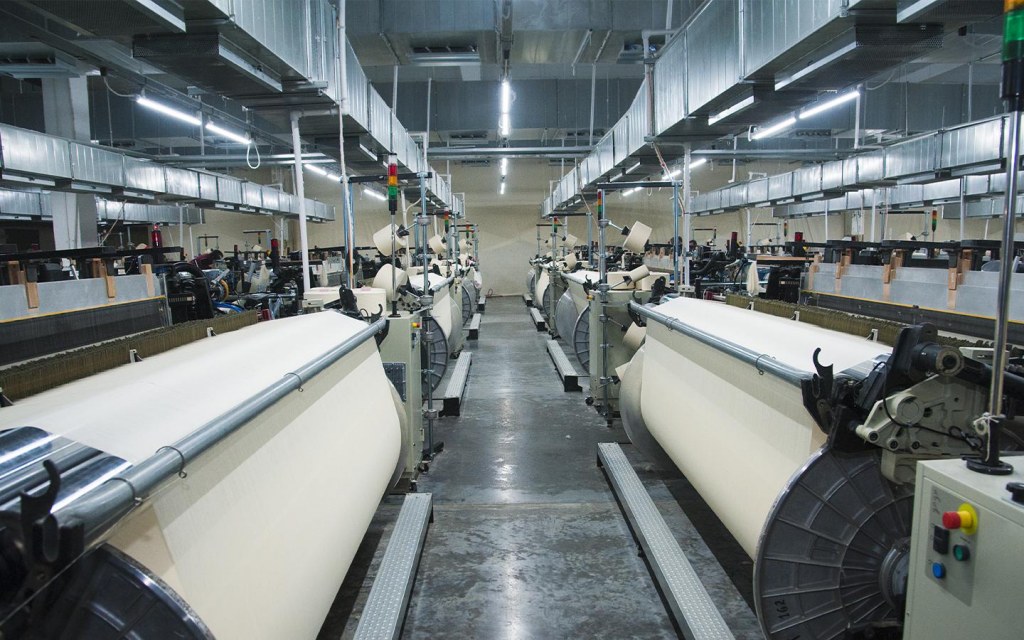
Machinery Breakdown in Sports Equipment Production (UK Guide)
Introduction
If you manufacture sports equipment—whether that’s gym rigs, protective padding, climbing holds, bikes, boards, balls, or specialist components—your machinery …
If you manufacture sports equipment—whether that’s gym rigs, protective padding, climbing holds, bikes, boards, balls, or specialist components—your machinery is the heartbeat of the business. CNC routers, injection moulders, presses, ovens, compressors, laser cutters, conveyors, and test rigs keep orders moving and quality consistent. When one critical machine fails, the impact is rarely limited to the repair bill. Production stops, deadlines slip, overtime rises, and customer confidence can take a hit.
This guide explains machinery breakdown risk in sports equipment production from a practical UK perspective: what typically goes wrong, why it’s expensive, how to reduce the likelihood of failure, and how insurance can help protect cashflow when the worst happens.
Machinery breakdown is sudden and unexpected physical damage to plant and equipment that causes it to stop working or operate unsafely. It’s different from gradual wear and tear, and it’s not the same as a standard property policy that focuses on fire, flood, theft, and storm.
In manufacturing, breakdown often involves:
Sports equipment manufacturing is a mix of materials, processes, and tight tolerances. That creates a few common risk patterns:
A breakdown has direct and indirect costs. The indirect costs are often the bigger problem.
If your margin depends on throughput, even a short outage can create a cashflow squeeze. This is where the right insurance structure matters: it’s not just about fixing the machine, it’s about keeping the business financially stable while you recover.
Below are typical examples we see across UK manufacturing environments.
Impact: high repair cost, specialist parts, and downtime while re-calibrating.
Impact: production stops and material waste can be significant.
Impact: potential secondary damage to tooling and fixtures.
Impact: interrupted curing can ruin batches and create scrap.
Impact: multiple machines may depend on compressed air, so one failure can stop a whole line.
Impact: bottlenecks that stop dispatch even if manufacturing continues.
Most breakdowns are a combination of stress, environment, and maintenance gaps.
You can’t eliminate breakdown risk, but you can reduce frequency and shorten recovery time.
Machinery breakdown insurance (often called engineering insurance) is designed to cover sudden and unforeseen damage to insured plant and machinery. Policies vary, but commonly include:
The exact cover depends on the policy wording and how the machinery is scheduled.
A good insurance setup starts with understanding your production dependencies.
Create a simple register:
Ask:
Business interruption cover should match your realistic “maximum downtime” scenario, not your best-case repair time.
Some businesses reduce risk by having contingency options:
Insurance can support this, but planning comes first.
If you ever need to claim, clear documentation helps.
The goal is to show the event was sudden, accidental, and properly managed.
Machinery breakdown often overlaps with safety obligations. While this article isn’t legal advice, UK manufacturers should be mindful of:
Good compliance supports safer operations and can also strengthen your insurance presentation.
Machinery breakdown is one of the most disruptive risks in sports equipment production because it hits both sides of the balance sheet: repair costs and lost output. The best approach is layered—good maintenance, sensible spares, trained operators, and insurance that reflects how your factory actually runs.
If you’d like, share what you manufacture (e.g., gym equipment, protective gear, composites, injection moulded parts) and the key machines you rely on. I can help you shape this into a more targeted, conversion-led blog for your site, with a stronger UK call-to-action and an FAQ section tailored to your niche.
If you manufacture sports equipment—whether that’s gym rigs, protective padding, climbing holds, bikes, boards, balls, or specialist components—your machinery …
Helmets, knee pads, elbow pads, body armour, shin guards and similar protective gear are designed to reduce injury. Bu…
Sports equipment is meant to protect performance and safety. But when a product is poorly designed, the result can be the opposite: injuries, damaged reputations, and costl…
If you manufacture sports equipment, you’re balancing performance, safety, and compliance every day. One design tweak, a supplier change, or a batch is…
When someone gets injured using sports equipment—whether it’s a snapped resistance band, a faulty treadmill, or a collapsing goalpost—the first questio…
If you manufacture sports equipment—whether it’s gym rigs, protective gear, climbing hardware, boards, balls, or specialist components—insurance c…
Sports equipment manufacturing sits in a tricky middle ground: you’re producing physical products used in high-energy environments, often by children and amateurs as well …