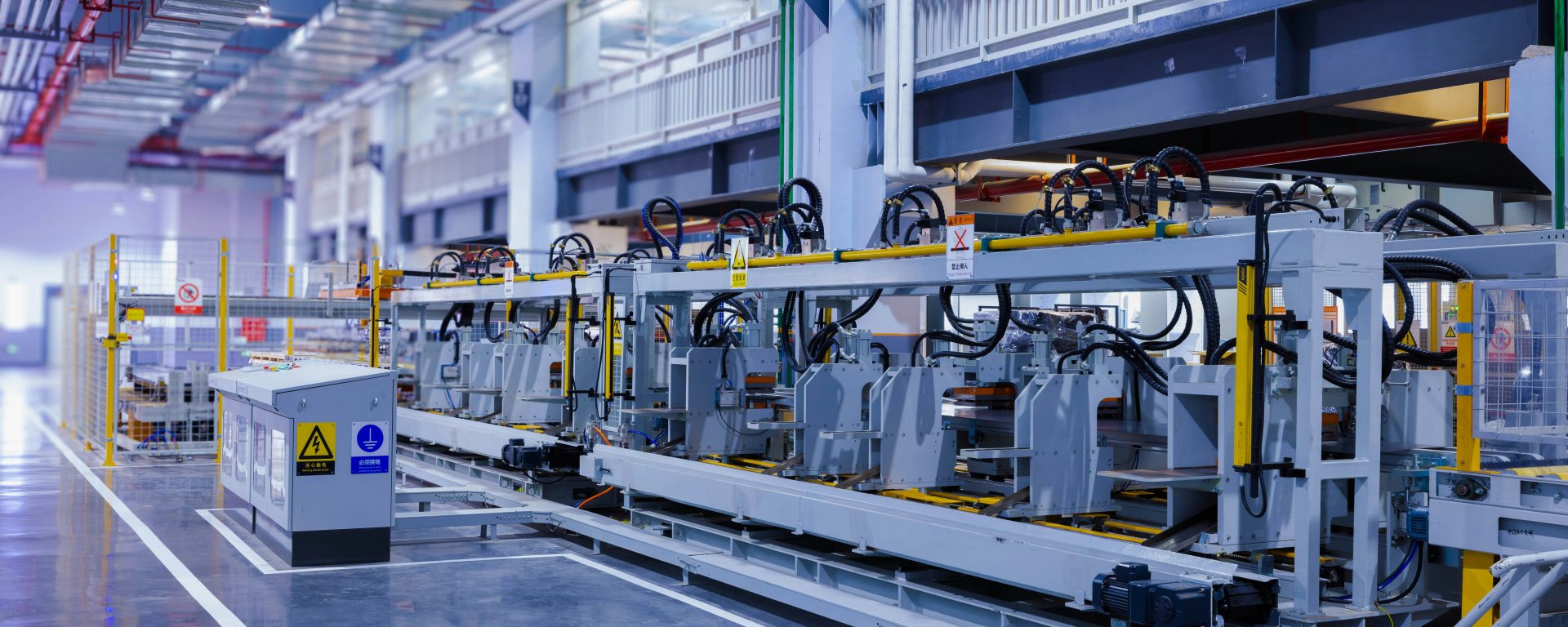
Lightweight Materials Manufacturing Insurance: Protecting Carbon Fiber Components and Aluminum Parts Production
Introduction
The lightweight materials manufacturing sector has experienced exponential growth as industries from aerospace to automotive demand stronger, lighter components. Carbon fiber composites and aluminum parts have become essential in modern manufacturing, driving innovation in everything from aircraft construction to high-performance vehicles and sporting equipment. However, the specialized nature of these manufacturing processes brings unique risks that require comprehensive insurance protection.
Manufacturers working with carbon fiber components and aluminum parts face distinct challenges including expensive raw materials, sophisticated production equipment, stringent quality requirements, and complex supply chains. A single production error, equipment failure, or contamination incident can result in significant financial losses. This guide explores the essential insurance coverage needed to protect your lightweight materials manufacturing business.
Understanding the Lightweight Materials Manufacturing Industry
Carbon Fiber Component Manufacturing
Carbon fiber manufacturing involves intricate processes including fiber production, weaving, resin impregnation, layup, curing, and finishing. The materials are expensive, the equipment is specialized, and the production environment must be carefully controlled. Manufacturers produce components for aerospace, automotive, marine, sporting goods, and industrial applications where strength-to-weight ratios are critical.
Aluminum Parts Manufacturing
Aluminum parts manufacturing encompasses various processes including casting, forging, extrusion, machining, and finishing. Aluminum's lightweight properties combined with good strength, corrosion resistance, and recyclability make it invaluable across multiple industries. Modern aluminum manufacturing often involves precision CNC machining, heat treatment, and surface finishing operations.
Industry Growth and Market Demands
The global carbon fiber market continues expanding rapidly, driven by aerospace demand and automotive lightweighting initiatives. Similarly, aluminum parts manufacturing grows as industries seek fuel efficiency and performance improvements. This growth brings increased competition, higher quality standards, and greater financial exposure for manufacturers.
Key Risks in Lightweight Materials Manufacturing
Raw Material Risks
Carbon fiber precursors and high-grade aluminum alloys represent substantial inventory investments. Raw materials are vulnerable to contamination, improper storage conditions, theft, and supply chain disruptions. A contaminated batch of carbon fiber prepreg or aluminum billet can render entire production runs worthless.
Equipment and Machinery Risks
Lightweight materials manufacturing requires specialized equipment including autoclaves, CNC machines, robotic layup systems, ovens, presses, and precision measuring instruments. Equipment breakdown can halt production, delay customer deliveries, and result in significant repair or replacement costs. Autoclaves for carbon fiber curing can cost hundreds of thousands of pounds, while advanced multi-axis CNC machines represent similar investments.
Production Process Risks
Manufacturing defects in lightweight materials can have serious consequences. Carbon fiber components with improper resin ratios, void content, or fiber orientation may fail catastrophically in service. Aluminum parts with porosity, improper heat treatment, or machining errors may not meet specifications. Quality failures can lead to product recalls, liability claims, and reputational damage.
Fire and Explosion Hazards
Both carbon fiber and aluminum manufacturing involve fire risks. Carbon fiber dust is combustible, and resin systems may be flammable. Aluminum machining produces fine chips and dust that can ignite or explode under certain conditions. Fires can destroy facilities, equipment, inventory, and finished products while potentially injuring workers.
Environmental and Contamination Risks
Clean room environments are often required for aerospace-grade carbon fiber work. Contamination from dust, oils, or foreign materials can compromise product quality. Environmental controls failure can ruin work-in-progress and finished inventory. Additionally, chemical handling for resins, adhesives, and surface treatments presents environmental liability exposure.
Supply Chain and Business Interruption
Lightweight materials manufacturers often work with long lead times and just-in-time delivery schedules. Supply chain disruptions, equipment breakdowns, or facility damage can prevent fulfilling customer orders, resulting in lost revenue, contractual penalties, and damaged customer relationships.
Product Liability Exposure
Components manufactured from carbon fiber and aluminum often serve critical safety functions in aerospace, automotive, and medical applications. If a manufactured part fails and causes injury, property damage, or consequential losses, the manufacturer may face substantial liability claims. The specialized nature of these materials means failures can have catastrophic consequences.
Cyber and Data Security Risks
Modern lightweight materials manufacturing relies heavily on computer-aided design, CNC programming, quality control systems, and supply chain management software. Cyber attacks can disrupt production, compromise intellectual property, or expose sensitive customer data. Ransomware attacks can halt operations entirely.
Essential Insurance Coverage for Lightweight Materials Manufacturers
Commercial Combined Insurance
Commercial combined insurance provides foundational protection by bundling multiple coverage types into a single policy. This typically includes buildings insurance for your manufacturing facility, contents insurance for equipment and inventory, business interruption coverage, and public liability protection. For lightweight materials manufacturers, ensuring adequate coverage limits for specialized equipment and high-value inventory is essential.
Property and Equipment Insurance
Comprehensive property insurance should cover your manufacturing facility, specialized equipment, raw materials, work-in-progress, and finished goods inventory. Given the high value of autoclaves, CNC machines, and other specialized equipment, ensure your policy provides replacement cost coverage rather than actual cash value. Consider agreed value coverage for critical equipment to avoid disputes during claims.
Equipment breakdown insurance extends beyond standard property coverage to include mechanical and electrical failures. This coverage can pay for repairs, replacement equipment rental, and expedited shipping of replacement parts. For manufacturers dependent on specific machines, this protection is invaluable.
Business Interruption Insurance
Business interruption insurance compensates for lost income when operations are disrupted by covered events such as fire, equipment breakdown, or natural disasters. This coverage should include gross profit protection, continuing expenses coverage, and potentially extended indemnity periods given the long lead times for specialized manufacturing equipment.
Consider contingent business interruption coverage that protects against disruptions at key suppliers or customer facilities. If your carbon fiber prepreg supplier experiences a fire or your major customer's facility is damaged, this coverage can compensate for your resulting income loss.
Product Liability Insurance
Product liability insurance is critical for lightweight materials manufacturers given the safety-critical applications of many components. This coverage protects against claims alleging that your manufactured parts caused injury or property damage due to defects in materials, workmanship, or design.
Ensure your policy provides adequate limits given the potential severity of claims in aerospace, automotive, and medical applications. Consider whether your coverage extends to products liability worldwide if you export components. Review policy exclusions carefully, particularly regarding recall coverage and professional services.
Products Recall Insurance
Separate products recall insurance covers the costs of recalling defective products, including notification expenses, logistics, disposal, and replacement. For manufacturers supplying aerospace or automotive industries where recalls can be mandated by regulators, this coverage provides essential financial protection.
Professional Indemnity Insurance
If your business provides design services, engineering consultation, or technical advice alongside manufacturing, professional indemnity insurance protects against claims of professional negligence. This coverage addresses allegations that your advice, designs, or recommendations caused financial loss to clients.
Employers Liability Insurance
Employers liability insurance is legally required in the UK and protects against employee injury or illness claims. Lightweight materials manufacturing involves various workplace hazards including chemical exposure, machinery operation, repetitive strain, and manual handling. Ensure your coverage limits meet legal requirements and consider higher limits given potential claim severity.
Public Liability Insurance
Public liability insurance protects against third-party injury or property damage claims arising from your business operations. This might include visitors injured at your facility, damage caused during product delivery, or incidents at customer sites during installation or service work.
Cyber Insurance
Cyber insurance addresses the growing threat of digital attacks and data breaches. Coverage typically includes business interruption from network outages, data restoration costs, cyber extortion payments, legal expenses, regulatory fines, and notification costs. For manufacturers relying on digital systems, this protection is increasingly essential.
Stock and Transit Insurance
Specialized stock insurance protects raw materials, work-in-progress, and finished goods against various perils. Given the high value of carbon fiber prepreg and aerospace-grade aluminum, ensure adequate coverage limits. Transit insurance protects materials and products during shipping, whether you're receiving raw materials or delivering finished components.
Contract Works Insurance
If you undertake installation work or on-site manufacturing, contract works insurance covers projects under construction or installation. This protects against damage to work-in-progress and can include public liability coverage for site operations.
Environmental Liability Insurance
Environmental liability insurance addresses pollution incidents, contamination cleanup, and environmental damage claims. For manufacturers using resins, solvents, and chemical treatments, this coverage protects against potentially substantial cleanup costs and third-party claims.
Factors Affecting Insurance Premiums
Manufacturing Processes and Materials
Insurers assess risk based on your specific manufacturing processes. Carbon fiber manufacturing involving volatile resins and high-temperature curing presents different risks than aluminum machining. The materials you work with, production volumes, and process complexity all influence premiums.
Quality Management Systems
Robust quality management systems demonstrate risk control and can reduce premiums. ISO 9001 certification, AS9100 for aerospace manufacturing, or IATF 16949 for automotive suppliers show insurers you maintain rigorous quality standards. Documented procedures for material handling, process control, and inspection reduce defect risks.
Safety and Loss Prevention
Your safety record, training programs, and loss prevention measures significantly impact premiums. Documented safety procedures, regular equipment maintenance, fire suppression systems, and environmental controls demonstrate effective risk management. A history of claims will increase premiums, while a clean claims record may qualify for discounts.
Industry Sectors Served
The industries you serve affect risk assessment. Aerospace and medical device manufacturing involve higher liability exposure than sporting goods or general industrial applications. Supplying safety-critical components increases potential claim severity.
Revenue and Production Volume
Your annual revenue and production volume influence premium calculations. Higher revenues generally mean higher premiums, but also indicate business stability. Production volume affects exposure to product liability claims.
Location and Facility Characteristics
Your facility location affects property insurance costs based on flood risk, crime rates, and fire service proximity. Building construction, age, fire protection systems, and security measures all influence premiums. Modern facilities with sprinkler systems and monitored alarms typically receive better rates.
Coverage Limits and Deductibles
Higher coverage limits increase premiums, while higher deductibles reduce them. Balancing adequate protection against affordable premiums requires careful consideration of your risk tolerance and financial capacity to absorb losses.
Choosing the Right Insurance Provider
Industry Specialization
Select insurers and brokers with experience in manufacturing insurance, particularly lightweight materials or advanced manufacturing. Specialized providers understand your unique risks and can structure appropriate coverage. They're more likely to offer competitive terms and handle claims efficiently.
Coverage Customization
Look for insurers offering flexible policies that can be tailored to your specific operations. Standard commercial policies may not adequately address specialized equipment, high-value inventory, or unique production processes. Ensure your policy can be customized to your needs.
Financial Strength
Verify your insurer's financial stability through ratings from agencies like AM Best or Standard & Poor's. A financially strong insurer ensures claims will be paid even after major loss events. Check the insurer's reputation for claims handling and customer service.
Risk Management Support
Quality insurers provide risk management resources including safety consultations, loss control surveys, and training materials. These services help you reduce risks while potentially lowering premiums. Look for insurers who partner with you to improve safety and quality.
Claims Handling
Research insurers' claims handling reputations. Fast, fair claims settlement is crucial when you need to resume operations quickly after a loss. Ask for references from similar manufacturers and inquire about typical claims processing timeframes.
Risk Management Best Practices
Equipment Maintenance Programs
Implement preventive maintenance schedules for all critical equipment. Regular servicing of autoclaves, CNC machines, and other specialized equipment reduces breakdown risks and extends equipment life. Document all maintenance activities to demonstrate diligence to insurers.
Quality Control Systems
Robust quality control throughout production minimizes defect risks. Implement incoming material inspection, in-process monitoring, and final product testing. Statistical process control and non-destructive testing for critical components reduce liability exposure.
Fire Prevention and Protection
Install appropriate fire detection and suppression systems. Implement housekeeping procedures to control combustible dust. Properly store flammable materials and maintain electrical systems. Regular fire safety training and evacuation drills protect employees and assets.
Environmental Controls
Maintain appropriate temperature and humidity controls for carbon fiber work. Implement contamination prevention procedures and clean room protocols where required. Proper chemical storage and handling procedures reduce environmental liability risks.
Employee Training
Comprehensive training programs ensure employees understand proper procedures, safety requirements, and quality standards. Regular refresher training and documented competency assessments demonstrate your commitment to risk reduction.
Supply Chain Management
Diversify suppliers where possible to reduce dependency on single sources. Maintain appropriate inventory levels of critical materials. Develop contingency plans for supply disruptions. Consider supplier quality audits for critical materials.
Cybersecurity Measures
Implement robust cybersecurity including firewalls, antivirus software, regular updates, and employee training. Back up critical data regularly and store backups securely off-site. Develop incident response plans for cyber attacks.
Business Continuity Planning
Develop comprehensive business continuity plans addressing various disruption scenarios. Identify critical processes, equipment, and suppliers. Establish alternative production arrangements or backup facilities where feasible. Regular plan testing ensures effectiveness.
Regulatory Compliance Considerations
Lightweight materials manufacturers must comply with various regulations depending on the industries served. Aerospace manufacturers must meet aviation authority requirements. Automotive suppliers face industry-specific standards. Environmental regulations govern chemical handling and waste disposal. Ensuring compliance reduces liability risks and may positively impact insurance costs.
Conclusion
Insurance for lightweight materials manufacturing, particularly carbon fiber components and aluminum parts production, requires specialized coverage addressing unique industry risks. The combination of expensive materials, sophisticated equipment, stringent quality requirements, and potential liability exposure demands comprehensive protection.
By understanding the risks specific to your operations and implementing appropriate insurance coverage alongside robust risk management practices, you can protect your business from potentially devastating financial losses. Work with experienced insurance professionals who understand lightweight materials manufacturing to structure coverage meeting your specific needs.
The investment in comprehensive insurance protection provides peace of mind, allowing you to focus on innovation, quality, and growth in this dynamic industry. As your business evolves, regularly review your coverage to ensure it remains adequate for your changing operations and expanding risks.
Contact Insure24 today at 0330 127 2333 to discuss your lightweight materials manufacturing insurance needs. Our experienced team understands the unique challenges of carbon fiber and aluminum parts production and can help you secure comprehensive protection tailored to your business.


 My Account