Lear Corporation: Seating and Electrical Systems Manufacturing Insurance
Introduction
The automotive component manufacturing industry represents one of the most complex and risk-intensive sectors in modern manufacturing. Companies like Lear Corporation, which specializes in automotive seating and electrical distribution systems, face unique challenges that demand comprehensive insurance protection. As a global leader supplying major automotive manufacturers worldwide, businesses in this sector must navigate intricate supply chains, advanced manufacturing processes, stringent quality standards, and evolving technological demands.
This guide explores the essential insurance coverage required for seating and electrical systems manufacturing operations, examining the specific risks faced by automotive component manufacturers and providing insights into building a robust risk management strategy that protects your business, employees, and stakeholders.
Understanding the Seating and Electrical Systems Manufacturing Sector
Industry Overview
Automotive seating and electrical systems manufacturing encompasses the design, engineering, and production of critical vehicle components. Seating systems include complete seat assemblies, frames, mechanisms, foam, covers, and integrated electronics. Electrical distribution systems comprise wiring harnesses, connection systems, electronic components, and increasingly sophisticated electrical architecture that powers modern vehicles.
The sector operates within tight tolerances, demanding precision engineering, advanced materials science, and rigorous quality control. Manufacturers typically work on just-in-time delivery schedules, maintaining complex relationships with original equipment manufacturers (OEMs) and managing global supply chains across multiple continents.
Key Operational Characteristics
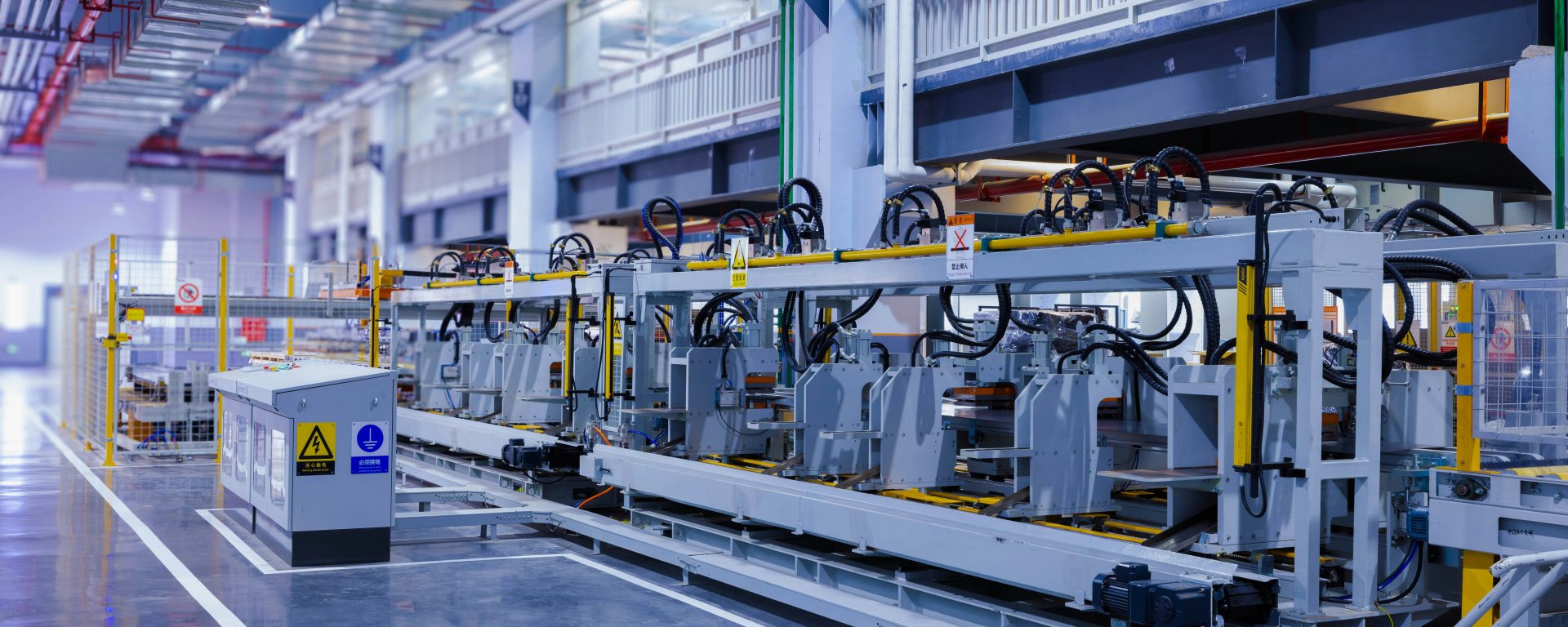
Manufacturing facilities in this sector combine heavy machinery, robotics, manual assembly, chemical processes, and sophisticated testing equipment. Operations involve metalworking, plastics molding, foam production, sewing and upholstery, electrical assembly, and quality assurance testing. The integration of smart technology, sensors, heating and cooling systems, and connectivity features into modern seating adds further complexity.
Electrical systems manufacturing requires specialized clean room environments for certain components, precise wire cutting and crimping equipment, automated testing systems, and careful handling of sensitive electronic components. The sector increasingly incorporates electric vehicle (EV) specific components, including high-voltage systems and battery management interfaces.
Essential Insurance Coverage for Seating and Electrical Systems Manufacturers
Commercial Combined Insurance
Commercial combined insurance provides the foundation for comprehensive protection, bundling multiple coverage types into a single policy. This typically includes buildings insurance covering manufacturing facilities, warehouses, offices, and associated structures against fire, flood, storm damage, and other perils.
Contents insurance protects machinery, equipment, raw materials, work-in-progress, finished goods inventory, computers, office equipment, and tools. For automotive component manufacturers, this coverage is particularly important given the high value of specialized manufacturing equipment, including injection molding machines, robotic assembly systems, testing equipment, and computer-aided design systems.
Business interruption insurance compensates for lost revenue and continuing expenses when operations are disrupted by insured events. Given the just-in-time nature of automotive supply chains, even brief production stoppages can result in substantial financial losses and potential penalties from OEM customers. This coverage should include provisions for alternative manufacturing arrangements and expedited equipment replacement.
Product Liability Insurance
Product liability insurance is absolutely critical for automotive component manufacturers. Defective seating systems could result in passenger injuries during accidents, while faulty electrical systems might cause vehicle fires, electrical failures, or safety system malfunctions. The consequences of product defects in the automotive sector can be catastrophic, potentially affecting thousands or millions of vehicles.
Coverage should protect against claims arising from design defects, manufacturing defects, and failure to provide adequate warnings or instructions. This includes defense costs, settlements, and judgments. Given the global nature of automotive supply chains, coverage should extend internationally to all markets where your components are sold.
Product recall insurance should be considered as a complementary coverage, protecting against the substantial costs associated with recalling defective products. Automotive recalls can cost millions in logistics, replacement parts, labor, communications, and regulatory compliance, not to mention reputational damage.
Public Liability Insurance
Public liability insurance protects against claims from third parties for bodily injury or property damage occurring on your premises or resulting from your business operations. For manufacturing facilities, this includes injuries to visitors, delivery drivers, contractors, customers conducting site visits, and others who enter your premises.
Coverage should extend to off-site risks, including damage caused during product delivery, installation support at customer facilities, or incidents at trade shows and industry events. The policy should provide adequate limits given the potential severity of industrial accidents and the high-value nature of customer facilities and equipment.
Employers Liability Insurance
Employers liability insurance is legally required in the UK and protects against claims from employees who suffer work-related injuries or illnesses. Manufacturing environments present numerous hazards, including heavy machinery, moving parts, repetitive strain injuries, chemical exposures, noise-induced hearing loss, and ergonomic risks.
The automotive component manufacturing sector involves specific risks such as burns from molding processes, cuts from metal fabrication, chemical exposures from adhesives and treatments, and musculoskeletal injuries from manual handling. Coverage should reflect the size of your workforce and the nature of manufacturing operations.
Professional Indemnity Insurance
Professional indemnity insurance protects against claims arising from professional advice, design services, engineering consultations, and intellectual property issues. For seating and electrical systems manufacturers, this coverage is increasingly important as companies provide design, engineering, and technical consulting services to OEM customers.
Claims might arise from design errors that result in product failures, intellectual property disputes, breach of confidentiality regarding proprietary designs, or failure to meet specified performance standards. Coverage should include defense costs and protect against both actual damages and reputational harm.
Cyber Insurance
Cyber insurance has become essential as manufacturing operations increasingly rely on digital systems, including computer-aided design, manufacturing execution systems, supply chain management platforms, and customer data systems. Manufacturers hold valuable intellectual property, proprietary designs, and sensitive customer information.
Coverage should protect against data breaches, ransomware attacks, business interruption from cyber incidents, cyber extortion, and liability for compromised customer data. Given the integration of operational technology with information technology in modern manufacturing, cyber insurance should address both traditional IT systems and industrial control systems.
Commercial Vehicle Insurance
Manufacturing operations require various vehicles for transporting materials, finished goods, equipment, and personnel. Commercial vehicle insurance should cover company cars, delivery vans, trucks, forklifts, and any other vehicles used in business operations.
Coverage should include comprehensive protection for vehicle damage, third-party liability, goods in transit, and driver protection. Given the high value of automotive components, goods in transit coverage should provide adequate limits for typical shipment values.
Directors and Officers Insurance
Directors and officers (D&O) insurance protects company leadership against personal liability for decisions and actions taken in their corporate capacity. For automotive suppliers, this coverage is important given the potential for shareholder disputes, regulatory investigations, employment practices claims, and liability arising from product failures or business interruptions affecting customers.
Coverage should protect personal assets of directors and officers while also providing entity coverage for the company itself in certain circumstances.
Industry-Specific Risks in Seating and Electrical Systems Manufacturing
Supply Chain Vulnerabilities
Automotive component manufacturers depend on complex global supply chains for raw materials, sub-components, and specialized materials. Disruptions from natural disasters, political instability, supplier failures, or transportation issues can halt production and trigger penalties from OEM customers. Insurance should address supply chain interruption and contingent business interruption risks.
Quality Control and Recall Risks
The automotive industry maintains stringent quality standards, with zero-defect expectations for safety-critical components. Despite rigorous quality control, defects can occur, potentially affecting large production runs. The cost of recalls, warranty claims, and reputational damage can be substantial. Comprehensive product liability and recall coverage is essential.
Technological Evolution
The rapid evolution of automotive technology, including electric vehicles, autonomous driving systems, and connected car features, requires continuous innovation and adaptation. This creates risks related to new product development, intellectual property, and the potential for obsolescence of existing product lines. Insurance should evolve alongside technological changes.
Regulatory Compliance
Automotive manufacturers operate under extensive regulatory frameworks covering product safety, environmental standards, labor practices, and data protection. Non-compliance can result in fines, production stoppages, and reputational damage. Coverage should address regulatory defense costs and penalties where insurable.
Equipment Breakdown
Manufacturing relies on specialized, expensive equipment. Breakdown of injection molding machines, robotic systems, or testing equipment can halt production and require costly repairs or replacement. Equipment breakdown insurance provides coverage beyond standard property insurance, including mechanical and electrical failures.
Fire and Explosion Risks
Manufacturing processes involving chemicals, plastics, foam production, and electrical systems create fire and explosion risks. Foam production and chemical storage present particular hazards. Comprehensive fire protection, including sprinkler systems and fire detection, should be complemented by adequate insurance coverage.
Environmental Liability
Manufacturing operations may involve hazardous materials, chemical treatments, waste disposal, and emissions. Environmental liability insurance protects against cleanup costs, third-party claims, and regulatory penalties arising from pollution incidents.
Risk Management Strategies for Automotive Component Manufacturers
Implementing Robust Quality Management Systems
Comprehensive quality management systems, including ISO/TS 16949 or IATF 16949 certification, demonstrate commitment to quality and help prevent defects. Regular audits, statistical process control, and continuous improvement initiatives reduce product liability risks and insurance costs.
Investing in Safety Programs
Proactive safety programs reduce workplace injuries and associated costs. This includes regular safety training, hazard assessments, personal protective equipment, machine guarding, ergonomic assessments, and safety committees. Strong safety cultures result in lower insurance premiums and reduced claims.
Maintaining Equipment and Facilities
Regular maintenance of manufacturing equipment, buildings, and safety systems prevents breakdowns and reduces fire risks. Preventive maintenance programs, equipment inspections, and timely repairs demonstrate risk management commitment to insurers.
Developing Business Continuity Plans
Comprehensive business continuity plans address potential disruptions, including alternative manufacturing arrangements, backup suppliers, emergency response procedures, and communication protocols. These plans minimize business interruption losses and demonstrate preparedness to insurers and customers.
Strengthening Cybersecurity
Robust cybersecurity measures, including firewalls, intrusion detection, employee training, regular security assessments, and incident response plans, reduce cyber risks. Separating operational technology from information technology networks provides additional protection for manufacturing systems.
Managing Contractual Risks
Careful review of contracts with OEM customers, suppliers, and service providers helps manage liability exposure. Understanding indemnification clauses, liability limitations, insurance requirements, and warranty obligations prevents unexpected exposures.
Choosing the Right Insurance Provider
Industry Expertise
Select insurers with specific experience in automotive component manufacturing. Industry-specialized insurers understand unique risks, provide appropriate coverage terms, and offer competitive pricing based on sector knowledge.
Financial Strength
Verify the financial stability of insurance providers through ratings from agencies like A.M. Best, Standard & Poor's, or Moody's. Financial strength ensures the insurer can pay claims, particularly large product liability or recall claims.
Claims Handling Reputation
Research the insurer's claims handling reputation through industry references, online reviews, and broker recommendations. Responsive, fair claims handling is crucial when business continuity depends on rapid claim resolution.
Risk Management Support
Leading insurers provide risk management services, including safety consultations, loss control assessments, training resources, and industry benchmarking. These services add value beyond insurance coverage and help reduce overall risk exposure.
Global Coverage Capabilities
For manufacturers with international operations or customers, ensure the insurer can provide consistent coverage across multiple jurisdictions with local claims handling and regulatory compliance.
Cost Factors and Premium Considerations
Insurance costs for seating and electrical systems manufacturers vary based on numerous factors, including annual turnover, number of employees, manufacturing processes, claims history, risk management practices, coverage limits, and geographic locations.
Typical cost ranges vary significantly, but manufacturers should budget appropriately for comprehensive coverage. Product liability insurance, given the automotive sector's exposure, typically represents the largest premium component. Implementing strong risk management practices, maintaining clean claims histories, and working with specialized brokers can help optimize insurance costs.
Premium financing options allow spreading insurance costs throughout the year rather than paying annual premiums upfront, improving cash flow management.
The Claims Process
Understanding the claims process ensures rapid response when incidents occur. Immediately notify your insurer of potential claims, even if full details are unavailable. Document incidents thoroughly with photographs, witness statements, equipment records, and relevant documentation.
Cooperate fully with insurer investigations, providing requested information promptly. For product liability claims, preserve evidence and implement containment measures to prevent further incidents. Maintain communication with your broker and insurer throughout the claims process.
For business interruption claims, document lost revenue, continuing expenses, and mitigation efforts. Maintain detailed financial records demonstrating the impact of the interruption.
Frequently Asked Questions
What is the minimum insurance coverage required for automotive component manufacturers?
At minimum, UK manufacturers must have employers liability insurance with at least £5 million coverage. However, comprehensive protection requires commercial combined insurance, product liability with substantial limits (often £10-50 million or more), public liability, and professional indemnity insurance.
How much does insurance cost for seating and electrical systems manufacturing?
Costs vary significantly based on turnover, employees, processes, and coverage limits. Small manufacturers might pay £10,000-30,000 annually, while large operations could pay hundreds of thousands or millions for comprehensive coverage including substantial product liability limits.
Is product recall insurance necessary?
While not legally required, product recall insurance is highly recommended for automotive component manufacturers given the potential for costly recalls affecting large vehicle populations. Recall costs can quickly exceed millions of pounds.
What factors affect insurance premiums?
Key factors include annual turnover, employee count, claims history, manufacturing processes, quality certifications, safety programs, coverage limits, deductibles, and the specific products manufactured.
How can manufacturers reduce insurance costs?
Implement robust quality management systems, maintain strong safety programs, achieve relevant certifications (ISO/TS 16949, ISO 9001), maintain clean claims histories, invest in risk management, and work with specialized brokers to access competitive markets.
Does insurance cover design defects?
Product liability insurance typically covers design defects, manufacturing defects, and failure to warn. Professional indemnity insurance provides additional protection for design and engineering services.
What happens if a supplier causes a production stoppage?
Contingent business interruption insurance covers losses when suppliers or customers experience insured events that disrupt your operations. This coverage is particularly valuable given complex automotive supply chains.
Are electric vehicle components covered differently?
EV components, particularly high-voltage systems, may require specialized coverage or endorsements. Discuss EV-specific products with your insurer to ensure adequate protection.
How long should I keep insurance documentation?
Maintain insurance documentation for at least six years for general business records. For product liability, retain documentation much longer as claims can arise years after product manufacture.
Can I insure intellectual property?
While insurance doesn't directly insure IP value, cyber insurance protects against IP theft, professional indemnity covers IP disputes, and specialized IP insurance can provide additional protection.
Conclusion
Insurance for seating and electrical systems manufacturing represents a critical investment in business protection and continuity. The automotive component sector faces unique risks requiring specialized coverage that extends beyond basic commercial insurance. Comprehensive protection encompasses property damage, business interruption, product liability, professional indemnity, cyber risks, and numerous other exposures.
Successful risk management combines appropriate insurance coverage with proactive risk reduction strategies, including quality management systems, safety programs, equipment maintenance, and business continuity planning. Working with experienced insurance professionals who understand automotive manufacturing ensures access to appropriate coverage at competitive rates.
As the automotive industry continues evolving with electric vehicles, autonomous systems, and connected technologies, insurance programs must adapt to address emerging risks. Regular policy reviews ensure coverage remains adequate as your business grows and changes.
Protecting your manufacturing operation with comprehensive insurance provides financial security, supports customer confidence, and enables focus on innovation and growth rather than worry about potential losses. For businesses in the seating and electrical systems manufacturing sector, robust insurance coverage isn't just a regulatory requirement—it's a fundamental business necessity that protects your company's future.
Contact Insure24 today at 0330 127 2333 or visit www.insure24.co.uk to discuss comprehensive insurance solutions tailored to your automotive component manufacturing operations.


 My Account