Lacrosse Facilities Sports Facility Insurance: A Complete Guide
Introduction
Lacrosse has experienced tremendous growth in the UK over recent years, with more facilities dedicated to this fast-paced sport emerging across the country. Whether you operate an indoor lacrosse training centre, an outdoor pitch facility, or a multi-sport complex that includes lacrosse provision, protecting your investment with comprehensive sports facility insurance is essential.
Operating a lacrosse facility comes with unique risks and challenges. From player injuries and equipment damage to property concerns and regulatory compliance, facility owners face numerous potential liabilities. The right insurance coverage ensures that your business can continue operating even when unexpected events occur, protecting both your financial stability and your reputation within the lacrosse community.
This guide explores everything you need to know about sports facility insurance for lacrosse facilities, including the types of coverage available, common risks, regulatory requirements, and how to choose the right policy for your specific needs.
Understanding Sports Facility Insurance for Lacrosse Venues
Sports facility insurance is a specialized form of commercial insurance designed to protect venues that host athletic activities. For lacrosse facilities, this coverage addresses the unique risks associated with this contact sport, including the use of sticks, balls traveling at high speeds, and the physical nature of gameplay.
A comprehensive insurance policy for lacrosse facilities typically combines several types of coverage into one package, providing protection against property damage, liability claims, business interruption, and other potential losses. The specific coverage you need depends on factors such as your facility size, whether you operate indoors or outdoors, the age groups you serve, and whether you offer coaching services or simply rent space.
Key Components of Lacrosse Facility Insurance
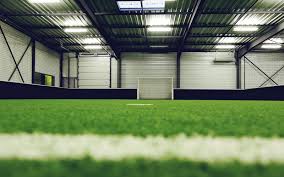
Property Insurance covers the physical structure of your facility, including buildings, fencing, lighting systems, and permanent fixtures. For outdoor facilities, this includes protection for pitch surfaces, dugouts, and spectator areas. Indoor facilities need coverage for the building structure, flooring, wall padding, and integrated equipment.
Contents Insurance protects movable items within your facility, such as goals, training equipment, lacrosse sticks available for rental or loan, protective gear, office equipment, and maintenance tools. This coverage is particularly important if you provide equipment to players or run coaching programs.
Public Liability Insurance is arguably the most critical component for lacrosse facilities. This coverage protects you if a player, spectator, or visitor suffers an injury on your premises or if their property is damaged. Given the contact nature of lacrosse and the potential for errant balls or sticks to cause injury, robust public liability coverage is essential.
Employers Liability Insurance is legally required if you employ staff, including coaches, maintenance workers, administrative personnel, or security staff. This coverage protects you if an employee is injured or becomes ill due to their work at your facility.
Professional Indemnity Insurance becomes necessary if you offer coaching services, training programs, or sports development activities. This coverage protects against claims of negligent advice, inadequate instruction, or professional errors that lead to injury or financial loss.
Common Risks Facing Lacrosse Facilities
Understanding the specific risks your lacrosse facility faces helps you select appropriate insurance coverage and implement effective risk management strategies.
Player and Spectator Injuries
Lacrosse is a contact sport involving fast-moving balls, swinging sticks, and physical player interaction. Injuries can occur even when proper safety protocols are followed. Common scenarios include:
-
Players colliding during gameplay, resulting in sprains, fractures, or concussions
-
Spectators struck by balls that leave the playing area
-
Trips and falls on uneven surfaces, steps, or wet floors
-
Injuries from inadequate protective equipment or poorly maintained facilities
-
Heat-related illnesses during summer training sessions
Your public liability insurance provides crucial protection when injury claims arise, covering legal costs and compensation payments.
Property Damage and Equipment Loss
Lacrosse facilities contain valuable property and equipment that can be damaged or stolen:
-
Weather damage to outdoor pitches, particularly flooding or wind damage to fencing and lighting
-
Fire damage to indoor facilities, potentially destroying the entire venue
-
Theft of expensive equipment, including goals, training aids, and maintenance machinery
-
Vandalism to facilities, especially outdoor venues accessible outside operating hours
-
Accidental damage to property caused by facility users
Property and contents insurance ensures you can repair or replace damaged items without devastating financial impact.
Business Interruption Scenarios
Events that force your facility to close temporarily can result in significant income loss:
-
Fire or flood damage requiring extensive repairs
-
Serious injury incidents that lead to temporary closure pending investigation
-
Equipment failure, such as lighting systems or heating in indoor facilities
-
Utility failures affecting facility operations
-
Regulatory issues requiring facility modifications before reopening
Business interruption insurance replaces lost income during closure periods and covers ongoing expenses like staff wages, loan payments, and utilities.
Liability for Coaching and Instruction
If your facility employs coaches or offers training programs, you face additional liability risks:
-
Allegations of inadequate supervision leading to player injury
-
Claims that improper coaching techniques caused harm
-
Accusations of discrimination or unfair treatment
-
Safeguarding concerns related to young players
-
Professional negligence claims if coaching advice proves harmful
Professional indemnity insurance protects against these claims, covering legal defense costs and potential settlements.
Regulatory and Compliance Issues
Lacrosse facilities must comply with various regulations:
-
Health and safety requirements for sports venues
-
Building regulations and fire safety standards
-
Data protection obligations when handling player information
-
Employment law compliance for staff members
-
Safeguarding requirements when working with children and vulnerable adults
Failure to meet these standards can result in legal action, fines, or forced closure. Some insurance policies include legal expenses coverage to help with regulatory disputes.
Essential Coverage for Different Types of Lacrosse Facilities
The insurance needs of lacrosse facilities vary based on their specific characteristics and operations.
Outdoor Lacrosse Pitch Facilities
Outdoor venues face unique challenges related to weather exposure, security, and accessibility:
-
Weather-related coverage for pitch damage from flooding, storms, or extreme temperatures
-
Enhanced security provisions to protect against vandalism and theft when facilities are unattended
-
Seasonal business interruption coverage accounting for weather-related closures
-
Lighting system protection for expensive floodlighting installations
-
Spectator area coverage for stands, benches, and viewing areas
Indoor Lacrosse Training Centers
Indoor facilities require different coverage considerations:
-
Building insurance covering the structure, roof, walls, and foundations
-
Specialized flooring coverage for expensive sports surface installations
-
Heating and ventilation system protection essential for player comfort and safety
-
Wall padding and safety equipment coverage specific to indoor lacrosse requirements
-
Higher contents insurance limits due to concentrated equipment storage
Multi-Sport Facilities with Lacrosse Provision
Facilities offering multiple sports alongside lacrosse need comprehensive coverage:
-
Flexible public liability coverage addressing risks from various sports activities
-
Higher coverage limits due to increased visitor numbers and activity levels
-
Equipment coverage for diverse sporting goods and apparatus
-
Expanded business interruption protection reflecting higher revenue levels
-
Professional indemnity coverage if coaching multiple sports disciplines
Community Lacrosse Facilities
Community-run facilities have specific insurance considerations:
-
Volunteer coverage protecting unpaid workers and committee members
-
Event liability insurance for tournaments, open days, and community events
-
Affordable coverage options suitable for non-profit organizations
-
Trustee indemnity insurance protecting board members from personal liability
-
Fundraising activity coverage for events that generate facility income
Factors Affecting Lacrosse Facility Insurance Costs
Several factors influence the cost of sports facility insurance for lacrosse venues:
Facility Size and Capacity - Larger facilities with higher capacity typically face higher premiums due to increased risk exposure. A facility accommodating 500 visitors presents greater liability risk than one serving 50.
Location - Facilities in areas with higher crime rates may pay more for theft and vandalism coverage. Flood-prone locations face higher property insurance costs. Urban facilities might have different risk profiles than rural venues.
Claims History - Previous insurance claims significantly impact premiums. A facility with multiple liability claims will pay substantially more than one with a clean claims record.
Safety Measures - Implementing robust safety protocols can reduce premiums. This includes regular equipment inspections, qualified coaching staff, comprehensive risk assessments, proper maintenance schedules, and effective safeguarding policies.
Coverage Limits - Higher coverage limits increase premiums but provide better protection. Balancing adequate coverage with affordable premiums requires careful assessment of your specific risks.
Additional Services - Facilities offering coaching, equipment rental, food and beverage services, or hosting tournaments face additional risks that increase insurance costs.
Age Groups Served - Facilities primarily serving children may face different liability risks than those focused on adult players, affecting insurance pricing.
Selecting the Right Insurance Provider
Choosing an appropriate insurance provider for your lacrosse facility requires careful consideration:
Specialist Sports Insurance Experience
Select insurers with specific experience in sports facility coverage. Providers familiar with lacrosse understand the unique risks involved and can offer tailored coverage options. They're more likely to handle claims fairly and understand the operational realities of running a lacrosse facility.
Coverage Flexibility
Your insurance should adapt to your facility's changing needs. Look for providers offering:
-
Flexible coverage limits that can be adjusted as your business grows
-
Optional add-ons for specific risks like cyber liability or equipment breakdown
-
Seasonal adjustments for facilities with variable usage patterns
-
Event-specific coverage for tournaments and special occasions
Claims Support
Effective claims handling is crucial when incidents occur. Evaluate providers based on:
-
Claims response times and accessibility
-
Reputation for fair claim settlements
-
Support services during the claims process
-
Financial stability ensuring they can pay claims
Value-Added Services
Some insurers offer additional benefits beyond basic coverage:
-
Risk assessment services to identify potential hazards
-
Health and safety guidance specific to lacrosse facilities
-
Legal helplines for regulatory questions
-
Business support resources for facility management
Risk Management Best Practices
While insurance provides financial protection, implementing effective risk management reduces the likelihood of claims and demonstrates your commitment to safety:
Regular Facility Inspections
Conduct thorough inspections of your facility to identify and address hazards:
-
Check playing surfaces for holes, uneven areas, or debris
-
Inspect goals and equipment for damage or wear
-
Examine fencing, netting, and barriers for integrity
-
Review lighting systems for adequate illumination
-
Assess spectator areas for safety hazards
Comprehensive Safety Policies
Develop and enforce clear safety policies:
-
Mandatory protective equipment requirements
-
Age-appropriate play guidelines
-
Weather-related cancellation protocols
-
Emergency response procedures
-
Incident reporting systems
Staff Training and Qualifications
Ensure all staff members have appropriate training:
-
Qualified coaching certifications for instructors
-
First aid training for on-site personnel
-
Safeguarding certification when working with children
-
Health and safety awareness for all staff
-
Regular refresher training to maintain standards
Equipment Maintenance
Implement rigorous equipment maintenance schedules:
-
Regular inspection of lacrosse goals and netting
-
Timely replacement of worn protective equipment
-
Proper storage of equipment to prevent damage
-
Maintenance logs documenting all inspections and repairs
-
Professional servicing of specialized equipment
Documentation and Record Keeping
Maintain comprehensive records:
-
Incident reports for all accidents and near-misses
-
Equipment inspection logs
-
Staff qualification certificates
-
Risk assessment documentation
-
Player registration and consent forms
Making a Claim on Your Lacrosse Facility Insurance
Understanding the claims process helps ensure smooth resolution when incidents occur:
Immediate Steps After an Incident
When an accident or damage occurs:
-
Ensure immediate safety and provide necessary first aid
-
Document the incident thoroughly with photographs and witness statements
-
Complete an incident report form while details are fresh
-
Notify your insurance provider as soon as possible
-
Preserve evidence and avoid making admissions of liability
Information Required for Claims
Insurers typically require:
-
Detailed incident description including date, time, and circumstances
-
Contact information for all involved parties and witnesses
-
Photographic evidence of damage or injury location
-
Medical reports for injury claims
-
Police reports for theft or vandalism
-
Repair estimates for property damage
Claims Timeline
Understanding typical timelines helps manage expectations:
-
Initial claim acknowledgment usually within 24-48 hours
-
Investigation period varying based on claim complexity
-
Settlement offers for straightforward claims within weeks
-
More complex liability claims potentially taking months
-
Legal proceedings for disputed claims extending timelines further
Frequently Asked Questions
What is the minimum public liability coverage recommended for lacrosse facilities?
Most lacrosse facilities should carry at least £5 million in public liability coverage, though £10 million is increasingly common for larger venues or those hosting tournaments. The appropriate level depends on your facility size, visitor numbers, and risk profile.
Does sports facility insurance cover injuries to players during games?
Public liability insurance covers injuries to players caused by facility defects, inadequate maintenance, or negligence. However, injuries resulting from normal gameplay between players are typically covered by the players' own personal accident insurance or their team's insurance policy.
Is employers liability insurance required if I only employ part-time coaches?
Yes, employers liability insurance is legally required for all employers in the UK, regardless of whether staff are full-time, part-time, permanent, or temporary. Failure to maintain this coverage can result in significant fines.
Can I get coverage for outdoor equipment left on-site overnight?
Yes, but you may need to implement specific security measures such as locked storage, fencing, or alarm systems. Insurers often require enhanced security for equipment left outdoors to minimize theft risk.
Does insurance cover cancellation of tournaments due to weather?
Standard policies typically don't cover cancellation costs, but you can purchase event cancellation insurance as an add-on. This specialized coverage protects against financial losses when events must be cancelled due to adverse weather, facility damage, or other covered reasons.
What happens if someone is injured by a lacrosse ball that leaves the playing area?
This would typically be covered under your public liability insurance, provided you've taken reasonable precautions such as installing appropriate netting or barriers. The insurer would investigate whether adequate safety measures were in place.
Are volunteer coaches covered under my insurance policy?
Volunteers should be covered under your public liability insurance for injuries they cause to others. However, you may need separate volunteer accident insurance to cover injuries the volunteers themselves sustain. Check your policy wording for specific volunteer provisions.
Does insurance cover damage caused by facility users to their own equipment?
Generally, no. Your insurance covers damage you're legally liable for, but users are typically responsible for their own equipment. However, if damage results from facility negligence (such as a dangerous floor condition), your liability coverage might apply.
Can I adjust my coverage during off-season periods?
Some insurers offer seasonal adjustments for facilities with distinct operating periods, potentially reducing premiums during quieter months. However, maintaining year-round coverage is advisable to protect against off-season risks like vandalism or weather damage.
What's the difference between professional indemnity and public liability for coaching services?
Public liability covers bodily injury and property damage, while professional indemnity covers financial losses resulting from professional advice or services. For coaching, you need both: public liability for physical injuries during training and professional indemnity for claims of inadequate instruction or negligent advice.
Conclusion
Operating a lacrosse facility requires comprehensive insurance protection tailored to the unique risks of this dynamic sport. From player injuries and equipment damage to business interruption and professional liability, facility owners face numerous potential exposures that could result in significant financial losses without adequate coverage.
The right sports facility insurance policy provides peace of mind, allowing you to focus on growing your business and serving the lacrosse community rather than worrying about potential liabilities. By understanding the coverage options available, implementing effective risk management practices, and working with experienced insurance providers, you can protect your facility investment and ensure long-term sustainability.
Whether you operate a dedicated lacrosse training center, an outdoor pitch facility, or a multi-sport complex, taking time to assess your specific risks and secure appropriate coverage is one of the most important business decisions you'll make. The cost of comprehensive insurance is minimal compared to the potential financial devastation of an uninsured claim.
For expert guidance on sports facility insurance for your lacrosse venue, contact Insure24 at 0330 127 2333. Our team specializes in commercial insurance for sports facilities and can help you find the right coverage to protect your business.


 My Account