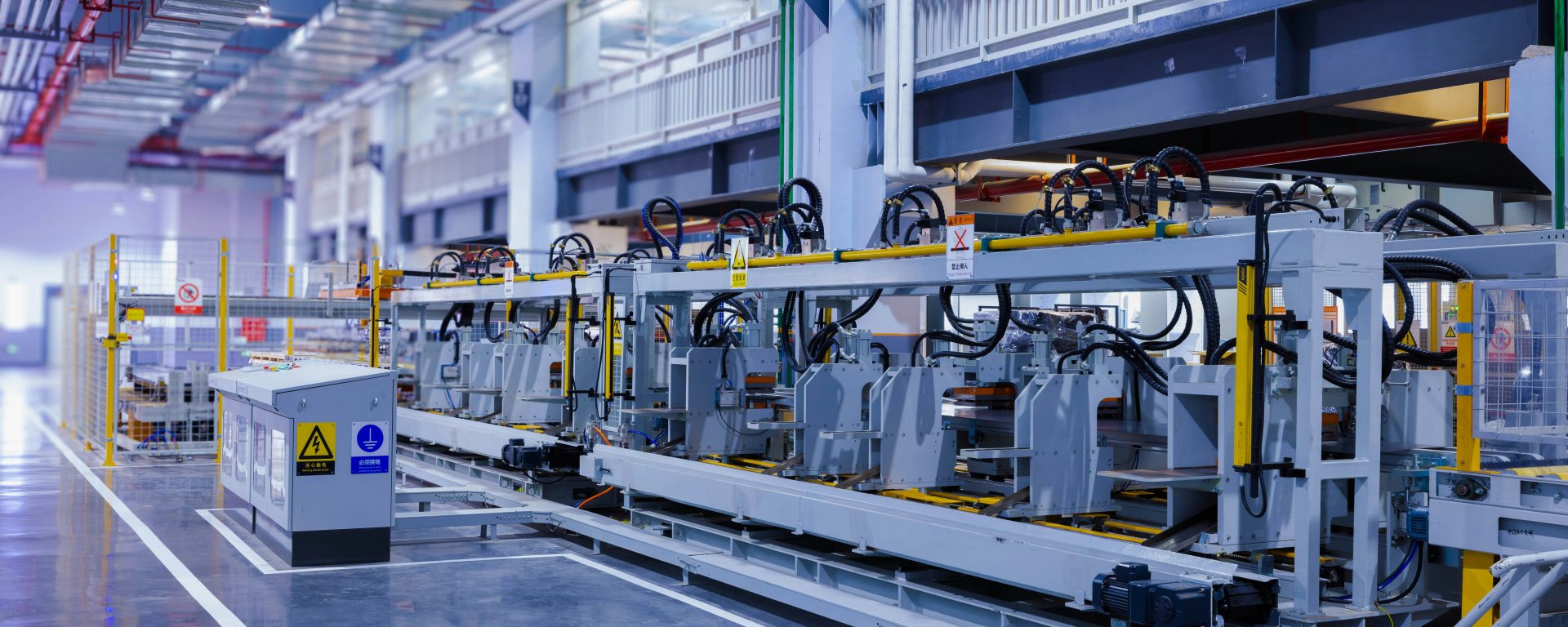
Laboratory Diagnostic Tool Factory Manufacturing Insurance: Complete Guide
Manufacturing laboratory diagnostic tools is a highly specialized sector that combines precision engineering, medical technology, and stringent regulatory compliance. Factories producing these essential medical devices face unique risks that require comprehensive insurance coverage tailored to their specific operational challenges.
Understanding Laboratory Diagnostic Tool Manufacturing
Laboratory diagnostic tool factories produce equipment ranging from simple blood glucose meters to sophisticated automated analyzers, molecular diagnostic systems, and imaging equipment. These manufacturers operate in a highly regulated environment where product accuracy can literally mean the difference between life and death. The sector demands exceptional quality control, adherence to medical device regulations, and continuous innovation to keep pace with advancing medical science.
The manufacturing process involves precision machining, electronic assembly, software integration, calibration, and extensive quality testing. Many factories also conduct research and development activities, creating prototypes and testing new diagnostic technologies. This combination of manufacturing, technology development, and medical application creates a complex risk landscape that standard manufacturing insurance policies often fail to address adequately.
Key Risks Facing Laboratory Diagnostic Tool Manufacturers
Product Liability and Medical Device Risks
The most significant risk facing laboratory diagnostic tool manufacturers is product liability. A faulty diagnostic device could lead to misdiagnosis, delayed treatment, or incorrect medical decisions with potentially fatal consequences. Even a minor calibration error or software glitch could affect thousands of test results before the problem is detected.
Unlike general manufacturing defects that might cause property damage or minor injuries, diagnostic tool failures can trigger massive liability claims from patients, healthcare providers, and regulatory bodies. A single batch of defective products could result in product recalls costing millions, legal defense expenses, compensation claims, and irreparable damage to the manufacturer's reputation.
Regulatory Compliance and Recall Costs
Laboratory diagnostic tool manufacturers must comply with stringent regulations including FDA requirements in the United States, CE marking in Europe, and various national medical device regulations worldwide. Regulatory non-compliance can result in manufacturing shutdowns, product recalls, fines, and loss of market authorization.
Product recalls in the medical device sector are particularly expensive. Beyond the direct costs of retrieving and replacing products, manufacturers face business interruption, emergency communications, regulatory investigations, potential legal action, and long-term reputational damage. The average medical device recall costs manufacturers between £500,000 and £3 million, with major recalls potentially exceeding £10 million.
Intellectual Property and Research Development Risks
Innovation drives the laboratory diagnostic sector, making intellectual property a critical business asset. Factories invest heavily in developing proprietary technologies, algorithms, and manufacturing processes. The theft of trade secrets, patent infringement claims, or cyber attacks targeting research data could devastate a manufacturer's competitive position.
Research and development activities also introduce unique risks. Prototype testing, experimental manufacturing processes, and development of new diagnostic methodologies can result in unexpected failures, contamination incidents, or equipment damage. Traditional manufacturing insurance often excludes or inadequately covers these R&D-related risks.
Supply Chain Vulnerabilities
Laboratory diagnostic tool manufacturing relies on specialized components including precision optics, electronic sensors, microfluidic systems, and specialized reagents. Many components come from single-source suppliers or require long lead times. Supply chain disruptions can halt production for extended periods, preventing manufacturers from fulfilling contracts with healthcare providers and distributors.
The COVID-19 pandemic highlighted these vulnerabilities when diagnostic test manufacturers struggled to source components, leading to production delays precisely when demand surged. Supply chain insurance has become increasingly important for manufacturers seeking to protect against these disruptions.
Contamination and Quality Control Failures
Manufacturing environments for diagnostic tools must maintain strict cleanliness standards. Contamination during production can compromise entire product batches, requiring destruction of inventory, deep cleaning of facilities, and potential regulatory investigations. Quality control failures that allow defective products to reach the market create both immediate financial losses and long-term liability exposure.
Environmental contamination risks extend beyond the manufacturing floor. Chemical storage areas, waste disposal systems, and calibration laboratories all present potential contamination hazards that could trigger business interruption, environmental cleanup costs, and regulatory penalties.
Cyber Security and Data Protection
Modern diagnostic tool factories increasingly rely on connected manufacturing systems, IoT devices, and cloud-based quality management platforms. This digital infrastructure creates cyber security vulnerabilities. Ransomware attacks could halt production, while data breaches might expose proprietary manufacturing processes, customer information, or sensitive research data.
Diagnostic tools themselves often contain software and may connect to hospital networks, creating additional cyber liability concerns. If a manufacturer's device is compromised and used as an entry point for attacks on healthcare systems, the manufacturer could face substantial liability claims.
Essential Insurance Coverage for Laboratory Diagnostic Tool Factories
Products Liability Insurance
Products liability insurance is absolutely essential for laboratory diagnostic tool manufacturers. This coverage protects against claims arising from defective products, including medical malpractice claims resulting from diagnostic errors, bodily injury claims, property damage, and legal defense costs.
Specialized medical device products liability insurance should include coverage for gradual harm (conditions developing over time from repeated exposure to defective diagnostics), worldwide coverage (as manufacturers typically export globally), and extended reporting periods (since diagnostic errors may not be discovered for years after the device was used).
Coverage limits should reflect the potential scale of claims. Given that a single defective diagnostic device could affect thousands of patients, manufacturers should consider minimum coverage of £5-10 million, with many larger manufacturers securing £25 million or more in products liability coverage.
Professional Indemnity Insurance
Professional indemnity insurance protects manufacturers against claims of professional negligence, errors in design specifications, inadequate instructions for use, or failures in technical support and training. For diagnostic tool manufacturers, this coverage extends to claims that the device design was inherently flawed or that the manufacturer failed to provide adequate warnings about limitations or potential errors.
This insurance is particularly important for manufacturers providing consultation services, custom device development, or technical support to healthcare facilities. Coverage should include legal defense costs, compensation payments, and regulatory investigation expenses.
Product Recall Insurance
Dedicated product recall insurance covers the substantial costs associated with retrieving defective products from the market. This includes notification costs (alerting customers, healthcare providers, and regulatory bodies), logistics expenses (collecting and transporting recalled products), replacement or repair costs, and business interruption losses during the recall period.
For laboratory diagnostic tool manufacturers, recall insurance should also cover regulatory compliance costs, public relations expenses to manage reputational damage, and crisis management support. Some policies extend to cover product improvement costs required to prevent future recalls.
Commercial Combined Insurance
Commercial combined insurance provides foundational coverage for the manufacturing facility itself, including buildings insurance (protecting the factory structure against fire, flood, storm damage, and other perils), contents insurance (covering machinery, equipment, inventory, and office contents), and business interruption insurance (compensating for lost profits and ongoing expenses if operations are disrupted).
For diagnostic tool factories, business interruption coverage is particularly critical. Production stoppages can prevent manufacturers from fulfilling supply contracts with hospitals and distributors, resulting in substantial financial penalties and potential loss of long-term customers. Coverage should include extended indemnity periods recognizing that reestablishing production and rebuilding customer confidence may take considerable time.
Employers Liability Insurance
Employers liability insurance is legally required in the UK and protects against claims from employees who suffer work-related injuries or illnesses. Laboratory diagnostic tool factories present specific workplace hazards including exposure to chemicals and biological materials, repetitive strain injuries from precision assembly work, and accidents involving manufacturing machinery.
Coverage should extend to occupational diseases that may develop over time, psychological injuries including work-related stress, and legal defense costs. Minimum legal coverage is £5 million, though many manufacturers secure higher limits given the potential severity of workplace injury claims.
Public Liability Insurance
Public liability insurance protects against claims from third parties (visitors, contractors, delivery personnel) who suffer injury or property damage on the manufacturer's premises. For factories that host customer visits, regulatory inspections, or supplier audits, this coverage is essential.
Coverage typically ranges from £2-5 million, protecting against medical expenses, compensation claims, legal costs, and associated expenses. Some policies extend to cover liability arising from products during the manufacturing process before they leave the factory.
Cyber Insurance
Cyber insurance has become essential for modern diagnostic tool manufacturers. Coverage should include business interruption losses from cyber attacks, data breach response costs (notification, credit monitoring, legal advice), cyber extortion payments, legal liability for data breaches affecting customers or partners, and costs to restore systems and data.
For manufacturers of connected diagnostic devices, cyber insurance should specifically address liability arising from device vulnerabilities, including coverage if devices are exploited to attack healthcare networks. Coverage limits typically range from £1-10 million depending on the manufacturer's size and digital footprint.
Environmental Liability Insurance
Environmental liability insurance protects against pollution incidents, chemical spills, improper waste disposal, and contamination of soil or groundwater. Diagnostic tool manufacturing often involves chemicals, solvents, and potentially hazardous materials requiring specialized disposal.
Coverage includes cleanup costs, third-party claims for environmental damage, legal defense expenses, and regulatory fines. This insurance is particularly important for manufacturers with on-site chemical storage, wastewater treatment systems, or historical contamination concerns.
Transit and Marine Cargo Insurance
Transit insurance protects products and materials during transportation, covering loss or damage during domestic and international shipping. For diagnostic tool manufacturers exporting globally, this coverage is essential to protect high-value shipments of finished devices.
Coverage should include all-risks protection (covering all causes of loss except specific exclusions), temperature-controlled transport (critical for devices with storage requirements), and coverage for returned goods and recalled products. Many manufacturers also secure contingent cargo insurance covering goods while in customers' possession but still owned by the manufacturer.
Factors Affecting Insurance Premiums
Insurance costs for laboratory diagnostic tool manufacturers vary significantly based on several key factors. Annual turnover and production volume directly influence premiums, with larger manufacturers typically paying higher absolute premiums but potentially securing better rates per unit of coverage.
The types of diagnostic tools manufactured significantly impact risk assessment. Manufacturers of simple, well-established diagnostic devices generally face lower premiums than those producing cutting-edge molecular diagnostic systems or AI-powered diagnostic platforms where long-term performance data may be limited.
Quality management systems and regulatory certifications affect premiums. Manufacturers with ISO 13485 certification (medical device quality management), FDA registration, and strong quality track records typically secure more favorable insurance terms. Conversely, manufacturers with recall history or regulatory violations face substantially higher premiums and may struggle to secure coverage.
Claims history is perhaps the most significant factor. A clean claims record over five to ten years demonstrates effective risk management and typically results in lower premiums and better coverage terms. Even a single significant product liability claim can increase premiums by 50-200% and may result in coverage restrictions or exclusions.
Export markets also influence pricing. Manufacturers selling primarily in the UK and EU generally face lower premiums than those exporting to the United States, where litigation costs and jury awards tend to be substantially higher. Some insurers exclude or limit US coverage, requiring manufacturers to secure separate US-specific policies.
Selecting the Right Insurance Provider
Choosing an insurance provider for laboratory diagnostic tool manufacturing requires careful evaluation. Manufacturers should prioritize insurers with specific medical device manufacturing experience who understand the sector's unique risks and regulatory environment. Generic manufacturing insurers often lack the expertise to properly assess risks and may offer inadequate coverage or impose inappropriate exclusions.
Financial strength ratings are critical. Manufacturers should verify that insurers hold strong ratings from agencies like AM Best, Standard & Poor's, or Moody's, ensuring the insurer can pay claims even in catastrophic scenarios. A financially weak insurer offering low premiums provides false economy if they cannot fulfill their obligations when claims arise.
Claims handling reputation deserves thorough investigation. Manufacturers should research insurers' track records for claims processing speed, fairness, and support during difficult situations. Speaking with other medical device manufacturers about their insurance experiences can provide valuable insights.
Policy flexibility and customization capabilities are important. The best insurers offer modular policies allowing manufacturers to select precisely the coverages they need and adjust limits as the business grows. Rigid, one-size-fits-all policies rarely provide optimal protection for specialized manufacturers.
Risk Management Strategies to Reduce Insurance Costs
Effective risk management not only protects the business but also reduces insurance premiums. Implementing comprehensive quality management systems aligned with ISO 13485 and regulatory requirements demonstrates commitment to product safety and typically results in more favorable insurance terms.
Robust product testing and validation protocols reduce the likelihood of defective products reaching the market. Manufacturers should document extensive testing procedures, maintain detailed quality records, and implement traceability systems allowing rapid identification of affected batches if problems arise.
Regular employee training in quality procedures, safety protocols, and regulatory compliance creates a culture of quality awareness that reduces errors and accidents. Well-trained staff are less likely to cause workplace injuries or quality failures that trigger insurance claims.
Implementing strong cyber security measures including network segmentation, regular security audits, employee cyber awareness training, and incident response plans reduces cyber risk and may qualify manufacturers for lower cyber insurance premiums.
Developing comprehensive supplier qualification and monitoring programs reduces supply chain risks. Diversifying critical component sources, maintaining safety stock, and establishing alternative supplier relationships helps ensure business continuity even when supply disruptions occur.
Conclusion
Laboratory diagnostic tool factory manufacturing insurance requires specialized coverage addressing the unique combination of medical device liability, regulatory compliance, precision manufacturing, and innovation that characterizes this sector. Standard manufacturing insurance policies typically provide inadequate protection, leaving manufacturers exposed to potentially catastrophic financial losses.
Comprehensive insurance programs for diagnostic tool manufacturers should include products liability, professional indemnity, product recall, commercial combined, employers liability, public liability, cyber, environmental, and transit insurance. Coverage limits should reflect the potentially enormous scale of claims arising from diagnostic errors affecting patient care.
Selecting experienced insurers who understand medical device manufacturing, implementing robust risk management practices, and regularly reviewing coverage as the business evolves ensures manufacturers maintain appropriate protection. While insurance represents a significant business expense, it provides essential financial security allowing manufacturers to innovate, grow, and fulfill their critical role in healthcare delivery with confidence.
For laboratory diagnostic tool manufacturers seeking specialized insurance advice, consulting with brokers experienced in medical device manufacturing ensures access to appropriate coverage at competitive rates while avoiding common coverage gaps that could prove financially devastating.


 My Account