

 My Account

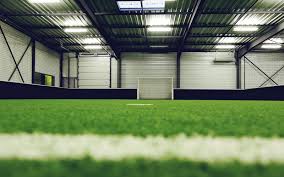
Bubble Football Venues: A UK Sports Facility Insurance Guide
Introduction
Bubble football (also called zorb football) looks simple: people play five-a-side while wearing inflatable “bubbles”. In reality, it’s a high-energy contact act…
Running a Krav Maga training centre is different to running a standard gym. You’re dealing with close-contact drills, high-intensity conditioning, sparring (even if controlled), and a wide mix of members—from complete beginners to experienced martial artists.
That combination is great for business, but it also increases the number of ways something can go wrong: injuries, allegations of negligent instruction, damaged kit, slips in changing areas, or a claim from a neighbouring unit after a water leak.
This guide explains the core insurance policies UK Krav Maga clubs and self-defence academies typically need, the risks insurers look at, and practical steps to keep premiums sensible—without cutting corners on protection.
Insurers price risk based on frequency and severity of claims. Krav Maga often sits in a “combat sports / martial arts” bracket that can be rated higher than general fitness.
Common reasons include:
Contact and impact: Even with protective equipment, strikes, takedowns, and grappling increase injury likelihood.
Beginner-heavy classes: New members may have poor movement control, increasing accidental injuries.
Mixed-age participation: Teen and adult classes can create safeguarding and supervision considerations.
Special events: Grading days, seminars, visiting instructors, and inter-club sessions add complexity.
Liability allegations: Claims aren’t always about the injury—often they’re about how it was managed (instruction, supervision, first aid, and documentation).
The good news: well-run centres with strong procedures can still secure competitive terms.
Public liability covers claims from third parties (usually members of the public) for injury or property damage arising from your business activities.
Examples:
A visitor slips on a wet entrance mat and fractures a wrist.
A member trips over a loose floor edge and sustains a knee injury.
A spectator’s phone is damaged when knocked off a bench during a demo.
Typical limits: £2m, £5m, or £10m. Many landlords and local authorities require £5m as a minimum.
If you employ anyone—full-time, part-time, casual, or sometimes even volunteers—UK law usually requires employers’ liability.
Examples:
A coach strains their back moving mats.
A receptionist slips in the staff kitchen.
A cleaner is injured using chemicals or equipment.
Typical limit: £10m (standard in the UK).
Professional indemnity (PI) is crucial for Krav Maga because claims can arise from your advice, instruction, training plans, or supervision.
Examples:
A member alleges negligent coaching led to a shoulder injury.
A beginner claims they were pushed into an advanced drill without adequate assessment.
A parent alleges insufficient supervision during a youth class.
PI is often the difference between “we have liability cover” and “we’re properly protected for what we actually do.”
If you sell or supply products—gloves, mouthguards, wraps, uniforms, supplements, or branded merchandise—product liability covers injury or damage caused by those products.
Examples:
A mouthguard you supplied is alleged to be defective.
A member has an allergic reaction to a product sold at reception.
Product liability is frequently bundled with public liability, but it’s important to confirm it’s included.
If you own the building, you’ll need buildings insurance. If you rent, you’ll usually need contents and tenant’s improvements.
What it can cover:
Contents: pads, shields, mats, strength equipment, lockers, computers, CCTV.
Tenant’s improvements: flooring, mirrors, wall padding, reception fit-out.
Stock: retail items for sale.
Key perils include fire, flood, storm, escape of water, theft, and malicious damage.
Business interruption (BI) helps replace lost gross profit and covers ongoing costs if you can’t trade after an insured event (for example, a fire or major flood).
For training centres, BI can be the difference between reopening and closing.
Consider:
Rent and business rates still due.
Coaches still need paying.
Membership refunds or pauses.
Tip: choose an indemnity period that reflects how long it would realistically take to repair and rebuild your member base—often 12–24 months.
Legal expenses can help with:
Employment disputes
Contract disputes (e.g., landlord or supplier)
Tax investigations
Debt recovery
It’s not a replacement for good contracts, but it can reduce the financial sting when disputes happen.
Personal accident can pay a benefit if key people (owner/head coach) are injured and can’t work.
This is especially relevant for owner-operated academies where income depends on one or two instructors.
If you store member data, take payments online, run a booking system, or use access-control apps, cyber cover is worth considering.
It can help with:
Data breach response
Ransomware incidents
Business interruption from IT outages
Liability and regulatory costs
Even with waivers, you can still face claims if someone alleges negligence.
Common injury scenarios:
Sprains and strains from high-intensity drills
Concussion allegations after sparring
Shoulder and knee injuries during takedown practice
Finger and wrist injuries from pad work
What insurers look for:
Warm-up and cool-down routines
Progressive training plans
Protective equipment standards
Incident reporting and first aid provision
If you run juniors, family sessions, or teen programmes, safeguarding becomes a major underwriting factor.
Insurers may ask about:
DBS checks
Coach-to-student ratios
Separate changing arrangements
Policies for photography and social media
Guest coaches and seminars can create grey areas around liability.
Good practice:
Confirm whether your policy covers visiting instructors.
Obtain evidence of their own insurance where appropriate.
Use clear event terms and participant declarations.
Bootcamps, park sessions, and corporate self-defence workshops may not be automatically covered.
Make sure your policy includes:
Off-site activities
Temporary locations
Corporate events and demonstrations
Mats and flooring are a frequent source of claims.
Key issues:
Trip hazards at mat edges
Worn or separating seams
Cleaning products causing slippery surfaces
Storage creating cluttered walkways
Krav Maga is self-defence focused, but drills can still lead to complaints.
Insurers may ask:
Whether full-contact sparring is allowed
Rules on prohibited techniques
How you manage aggressive behaviour
Many Krav Maga centres arrange cover as a “sports facility” or “martial arts club” package, combining:
Public liability + product liability
Employers’ liability
Professional indemnity
Property (contents/stock/tenant improvements)
Business interruption
Money cover (cash on premises)
Portable equipment (for off-site sessions)
Legal expenses
The right mix depends on your setup: single-site academy, multi-site franchise, or a club hiring community halls.
Insurance is as much about what’s not covered as what is. Watch for:
Combat sports exclusions: Some policies exclude martial arts or restrict certain disciplines.
Full-contact limitations: Cover may depend on whether sparring is light contact, controlled, or full contact.
Heat maps of activities: Weapons training, knife defence drills, or scenario training may need to be declared.
Unattended theft: Portable kit left in vehicles may be excluded unless strict conditions are met.
Wear and tear: Property policies don’t cover gradual deterioration.
Non-disclosure: If you don’t accurately describe activities, claims can be declined.
If you’re unsure, declare it. It’s nearly always easier to explain upfront than argue later.
Underwriters typically consider:
Annual turnover and projected growth
Number of members and average class size
Age ranges (adults only vs mixed)
Coach qualifications and experience
Claims history
Premises type (industrial unit, leisure centre, community hall)
Safety controls (mats, first aid, supervision)
Opening hours and staffing
Security (alarms, CCTV, shutters)
Property sums insured (contents/fit-out)
Higher limits of indemnity (e.g., £10m PL)
Large youth programmes without robust safeguarding
High-contact sparring and competitions
Poor documentation (no incident logs, no risk assessments)
High-value equipment and theft exposure
Insurers love evidence of control. These steps also make your centre safer and more professional.
Have risk assessments for:
General facility operations
Mat area and equipment
Sparring/contact drills
Youth classes
Off-site sessions
Review them at least annually and after incidents.
Beginner onboarding and technique restrictions
Rules for sparring intensity
Mandatory protective equipment for certain drills
Coach approval before moving to advanced sessions
Keep a stocked first aid kit and clearly signpost it
Ensure trained first aiders are present
Record incidents consistently (date, time, witnesses, action taken)
Participant declarations can help demonstrate informed consent, but they do not remove your duty of care.
Include:
Health declaration and relevant medical conditions
Acknowledgement of contact sport risks
Agreement to follow safety rules
If you train under-18s:
DBS checks for relevant staff
Written safeguarding policy and reporting route
Clear supervision ratios
Separate sessions by age/ability where appropriate
Regular checks of mats, pads, and weights
Cleaning schedule to reduce slip risks
Maintenance logs for any fixed equipment
Alarm and CCTV maintenance
Key-holder procedures
Secure storage for portable equipment
You’ll likely need a full package: liability + PI + property + BI.
Focus areas:
Tenant’s improvements and contents values
Escape of water and fire protections n
You may not need property cover, but you still need strong liability and PI.
Check:
Whether the venue requires a specific PL limit
Whether your policy covers temporary hired venues
Storage of equipment between sessions
Consider:
Whether instructors are employees or self-employed
How PI applies across multiple coaches
Centralised vs individual policies
Consistent safeguarding and training standards
A member alleges a coach paired them with a much heavier partner, resulting in rib injury.
A child trips on an uneven threshold entering the mat area and breaks a tooth.
A water leak from a neighbouring unit damages your mats and reception area.
Your booking system is compromised and member data is exposed.
A fire in the building forces you to close for three months; BI cover helps pay rent and staff.
Having the right information speeds up underwriting and can improve terms.
Description of activities (sparring, contact level, youth classes)
Number of members and average class size
Coach qualifications and experience
Safeguarding/DBS details (if applicable)
Claims history (last 3–5 years)
Premises details (construction, alarms, locks, CCTV)
Sums insured for contents and fit-out
Turnover and payroll estimates
Any off-site activities and frequency
Yes. Waivers can support your defence, but they don’t remove your duty of care. Liability claims can still be made.
Public liability can respond to injury claims where negligence is alleged, but for coaching-related allegations, professional indemnity is often essential. Many centres carry both.
Sometimes, but not always. It depends on policy wording and how instructors are contracted. If they’re genuinely independent, they may need their own cover.
Declare it. Some insurers treat weapons training differently, even if it’s simulated.
Employers’ liability is usually a legal requirement if you employ staff. Other covers aren’t legally required but are commercially essential.
Most venues and landlords ask for £5m. If you host larger events or have higher footfall, £10m may be appropriate.
Often yes, but you must list locations and activities accurately. If you use temporary venues, ensure the policy includes them.
Public liability (usually £5m)
Employers’ liability (if you employ anyone)
Professional indemnity (instructional liability)
Product liability (if you sell/supply items)
Contents and tenant’s improvements
Business interruption (12–24 months)
Legal expenses
Cyber (if you store member data / take online payments)
If you run a Krav Maga training centre in the UK, the right insurance should protect your members, your coaches, and your business—without slowing you down.
If you’d like a quote, be ready to share your class structure, contact level, safeguarding setup (if you train juniors), and a rough value of your equipment and fit-out. With the right details, you can secure cover that fits how you actually train.
Bubble football (also called zorb football) looks simple: people play five-a-side while wearing inflatable “bubbles”. In reality, it’s a high-energy contact act…
Disc golf looks low-impact, but running a course is still running a sports facility. You’ve got members of the public …
Footgolf course insurance for UK operators: what cover you need, key risks (injury, property damage, weather, events), and how to reduce premiums.
Spikeball (often played as “roundnet”) is growing fast in the UK. It’s social, competitive, and easy to set up—on a sports …
Pickleball has gone from niche to mainstream fast. UK leisure centres are adding courts, tennis clubs are conv…
Emerging sports facilities don’t look like traditional leisure centres. They’re often high-energy, expe…
If your school hires out its sports hall, pitches, MUGA, gym, studio, swimming pool, or changing rooms to…
Running a multi-activity adventure centre is high-energy, high-reward—and high-risk.…
Running a children’s sports camp is brilliant for the community—and a serious responsibility. Whether you’re hosting multi-sport holiday camps, football …
Soft play centres have always been high-energy environments. Add sports areas—five-a-side pitches, trampolines, climbing walls, ninja courses, …
Running a sports facility for children and young people is hugely rewarding — and uniquely high-risk. You’re responsible for participants…
Base jumping is one of the highest-risk action sports in the world. In the UK it’s also limited…
Running a parachuting or skydiving drop zone is a brilliant business—but it’s also one of the highest-risk sports facility operations in the UK. You’r…
Running a bungee jumping site is a brilliant business—high-adrenaline, high demand, and often seasonal spikes. It’s also a business where risk management…
Running a hang gliding centre is one of the most rewarding (and responsibility-heavy) ways to work in sport. You’re dealing with height, wind, specialist equipment,…
Paragliding launch sites look simple on the surface: a hill, a windsock, a few signs and a gate. In reality, they’re high-footfall, high-variability environments where weat…
Running an aerial or vertical sports venue is not like running a standard gym. Whether you operate a b…
Longboarding is growing fast in the UK—especially as more councils, private operators, and indoor action-sports venues build dedicated spaces for longboarders. Whether you run an…
Scooter parks (often called scooter parks, skateparks, or wheeled sports parks) are high-energy venues. They attract riders of diffe…
Roller derby is fast, physical and community-led — which is exactly why it’s gro…
Roller skating rinks look simple from the outside: a floor, music, lights, and a steady flow of families, teens, and adult skaters. In reality,…
Running a wheeled sports venue—whether it’s an indoor skatepark, a concrete …
Rounders looks simple: a bat, a ball, a diamond and a bit of grass. But if you manage a roun…
Dodgeball has moved from school gym halls to dedicated arenas, leagues, corporate events and kids’ parties. If you run a dodgeball venue—whether it&rs…
Kabaddi is fast, physical and contact-heavy. Whether you run a dedicated kabaddi arena, a multi-sport hall that hosts kabaddi…
Olympic/European handball is fast, physical, and played in a relatively compact indoor space. That co…
Hurling is fast, physical and equipment-heavy. Even when it’s played at community level, the risk profile looks more like…
Running a Gaelic football pitch is more than cutting grass and lining the field. Whether you’re a GAA club in the UK, a community sports trust,…
Ultimate frisbee is fast, non-contact in the rules, but still high-energy in real life. Players sprint, jump, lay out, co…
Running a team or alternative sports venue is a brilliant business—but it’s also a high-footfall, high-en…
Knife throwing has moved from niche hobby to a mainstream activity—often offered alongside axe throwing, arch…
Axe throwing has moved from niche activity to mainstream night-out, team-building, and competitive sport. That growth is great for…
Laser tag looks low-impact compared to contact sports, but from an insurer’s point of view it combines several high-f…
Indoor golf simulators have exploded in popularity across the UK — from dedicated simulator venues and golf studios to bars, le…
Darts looks low-risk compared to contact sports, but darts clubs and venues still face a very real…
Precision and target sports are built on control, discipline, and safety. But from an insurance point of view, they combine several higher-risk exposures in one place:…
Capoeira is a unique mix of martial art, dance and acrobatics. That blend is exactly why a “standard” gym policy can l…
Wrestling clubs sit in a unique risk zone. You’re running a sports facility (or hiring one), coaching close-contact activity,…
Running a Muay Thai gym is equal parts coaching, community-building, and risk management. You’ve got high-intensity training, close-contact sparring, heavy bags, pads, wei…
Kickboxing gyms sit in a tricky middle ground: you’re a fitness business, but you also run a co…
Running a Krav Maga training centre is different to running a standard gym. You’re dealing with close-contact drills, high-intensity conditioning, sparring (even if con…
Running an MMA gym isn’t like running a standard fitness studio. You’ve got higher-contact t…
If you run a combat sports or martial arts facility—boxing gym, MMA academy, Muay Thai club, BJJ school, kickboxing studio, karate dojo, or a mult…
Stock car racing venues are high-energy, high-footfall environments where speed, noise, fuel, crowds, and heavy vehicles …
Speedway is one of the most exciting motorsports in the UK—fast, loud, and built around close racing on short oval tracks. That same intensity also makes speedway venues a complex insu…
Motorcycle track days are booming across the UK. For venue owners and operators, that’s great news—more bookings, more community, more ancillary revenue (catering…
Quad biking centres are high-adrenaline venues with a unique risk profile: powerful vehicles, mixed-ability riders, outdoor terrain, changing weather, and often a blend of activities…
Off-road 4x4 experience centres sit in a unique space between motorsport, outdoor leisure, and training. You’re …
Rally driving schools sit in a unique risk category: you’re a sports facility (a venue where people partici…
A drag racing strip is a high-adrenaline environment with high-value assets, high footfall on event da…
Motorsports venues are exciting, high-energy businesses—but they’re also high-risk environments. Whether you run a karting track, drift are…
Running a dry ski slope is a brilliant way to bring snowsports to local communities—but it also comes with a unique mix of risks: high-speed participation, specialist equi…
Sledging and tobogganing hills look simple—just a slope and some snow—but the risk profile is closer to a small adventure attraction than a typical “sports…
Seasonal outdoor ice skating rinks are brilliant for footfall, community buzz, and winter revenue—but they also come with a unique risk profile. You’re deal…
Winter and mountain sports facilities face a unique mix of weather exposure, high-energy activities, specialist equipment, and seasonal income. Whether you run an indoor …
Running a marina-based water sports centre is a brilliant business—high footfall, repeat customers, and strong …
Running a kitesurfing facility is exciting—but it’s also high-risk. You’re dealing with wind, water, members of the public, expensive kit, chan…
Running a windsurfing school is equal parts sport, safety, and logistics. You’re managing open water risk, changing weather, public access, instructors, trainees, equipme…
Stand-up paddleboarding has exploded in popularity across the UK — from coastal SUP hire hubs to inland lakes and canal-based tour operators. If you run a SUP cent…
Running a white water rafting centre is one of the most exciting corners of the leisure sector — and one of the most exposed. You’re dealing with fast-moving wate…
Running a snorkeling site is a brilliant business—part sports facility, part tourism operation, part safety-critical activity provider. But it also comes with a un…
Running a scuba diving school or dive centre is a brilliant business — but it’s also one of the most risk-heavy sports facilities you can operate. You’re managing…
Running a jet ski facility is exciting, high-energy, and (let’s be honest) higher-risk than most sports businesses. You’ve got fast craft, open water, changing we…
Running a triathlon centre is a brilliant business… and a high-risk one. You’re managing multiple disciplines (swim, bike, run), mixed skill levels, busy peak times, s…
Open water swimming is booming across the UK — from managed lakes and reservoirs to coastal venues and purpose-built lidos. But with cold water, changing weather, mixed abilities, an…
Running a water sports facility is high-energy, high-risk, and high-reward. Whether you operate a wake park, paddleboard centre, sailing club, surf school, kayak hire, open-water swi…
Running a racquetball court (or a wider sports facility that includes racquetball) is a brilliant business—fast-paced, community-driven, and often membership-based. But it&r…
Croquet clubs have a unique charm: well-kept lawns, a friendly membership, and a calendar full of tournaments, coaching sessions, and social events. But behind the calm atmosphere are very re…
Bowls clubs are often community hubs—mixing sport, social events, volunteers, and valuable facilities like clubhouses, b…
Esports arenas sit at a unique crossroads: they look like a sports venue, operate like an events business, and rely on technology like a media company. That mix creates risks that trad…
Parkour and freerunning gyms are fast-growing, high-energy sports facilities — and from an insurance point of view, they’re also high-exposure environm…
Cheerleading has evolved into a high-skill, high-energy sport with complex training needs: sprung floors, tumble tracks, foam pits, stunts at height, loud music, busy classes, and…
Cheerleading has evolved from simple sideline support into a dynamic, competitive sport requiring specialized facilities, professional coaching, and comprehensive insurance coverage. Whet…
Operating a gymnastics center requires more than just skilled coaches and quality equipment. With athletes performing high-risk activities daily, comprehensive insurance coverage is essentia…
Fencing clubs represent a unique intersection of sport, tradition, and technical skill. Whether you operate a small community club or a large competitive facility, the combination of sharp weapons,…
When it comes to insuring unusual, specialized, or high-risk businesses, standard commercial insurance policies often fall short. Specialist and niche facilities insurance exists to fill this…
Private members' clubs with sports facilities represent a unique blend of hospitality, recreation, and community engagement. From traditional golf and tennis clubs to modern multi-sport …
University sports facilities represent a significant investment and play a crucial role in student wellbeing, recruitment, and institutional reputation. From multi-million pound spor…
Operating a sports complex or sports facility comes with unique risks and challenges that require specialized insurance coverage. From member injuries to equipment damage, facil…
Operating a playing fields sports facility comes with unique risks and responsibilities. Whether you manage a community sports ground, a multi-sport complex, or a dedicated football pitch, compr…
Recreation grounds and sports facilities serve as vital community hubs, providing spaces for physical activity, social interaction, and competitive sports. Whether you operate a local footba…
Sports halls serve as vital community hubs, providing spaces for physical education, recreational activities, competitive sports, and community events. Whether operated by …
Operating a leisure centre or multi-sport facility involves managing diverse activities, equipment, and visitors under one roof. From swimming pools and fitness studios to sports halls …
Multi-use and community sports facilities form the backbone of local recreation and social cohesion across the UK. From village halls hosting badminton clubs …
Operating an outdoor go-kart track is an exhilarating business venture that combines motorsport excitement with family entertainment. However, the high-speed nature of karting, c…
Operating a motocross track is an exhilarating business that combines passion for motorsports with entrepreneurial spirit. However, the high-speed, high-risk nature of motocross racing creates un…
Operating a shooting range facility requires specialized insurance coverage that addresses the unique risks associated with firearms, projectiles, and pu…
Operating a paintball or airsoft facility offers an exciting business opportunity in the growing adventure sports sector. However, these high-energy activities come with significant…
Operating a high ropes course or adventure park is an exhilarating business that brings joy and challenge to thousands of visitors each year. However, with the thrills come significant risks that …
Operating a zip line course is an exhilarating business venture that combines outdoor adventure with sports facility management. However, the inherent risks associated with aerial activities mak…
Outdoor climbing centers represent one of the fastest-growing sectors in the adventure sports industry, combining physical challenge with natural beauty to create memorab…
Skate parks have evolved from underground counter-culture spaces to mainstream sports facilities embraced by communities across the UK. Whether you operate an indoor facility, outdoor…
Adventure and extreme sports facilities face unique risks that standard insurance policies simply cannot address. From climbing walls and zip lines to skate parks and trampoline centres, …
Mountain bike trails and sports facilities represent a thrilling intersection of outdoor recreation and adventure sports. Whether you operate a dedicated mountain bike park, manage trails …
Operating a BMX track is an exhilarating venture that combines sport, community engagement, and business management. However, the high-speed nature of BMX racing and free…
Operating a velodrome requires significant investment in specialized infrastructure, equipment, and safety measures. Whether you manage an Olympic-standard indoor facility or a…
Operating an athletics track or stadium comes with unique risks and responsibilities. From hosting competitive events to managing public access, facility operators face exposure to …
Running an athletics or track sports facility comes with unique risks and responsibilities. Whether you operate an indoor training centre, outdoor track complex, or multi-sport athletics ve…
Racing stables represent a unique intersection of sport, business, and animal care that requires specialized insurance coverage. Whether you operate a small training facility or a large commercial…
Polo clubs represent a unique intersection of equestrian sport, luxury hospitality, and community recreation. Operating a polo club involves managing significant risks—from high-value horses a…
Operating an equestrian center presents unique challenges and risks that require comprehensive insurance protection. From riding schools and livery yards to competition venues and training f…
Operating an equestrian sports facility comes with unique risks and responsibilities. Whether you manage a riding school, livery yard, competition venue, or training centre, comprehensive insurance …
Operating a wakeboarding or water ski center presents unique challenges and risks that require comprehensive insurance coverage. From high-speed water sports to expensive equipment and diverse…
Sailing clubs represent unique sports facilities that face distinctive risks both on la…
Golf clubs are significant investments that require comprehensive insurance protection. Whether you operate an 18-hole championship course, a 9-hole executive layout, or a par-3 …
Running a successful rowing club requires more than just quality equipment and dedicated members. One of the most critical aspects of club management is securing comprehensive insurance cover…
Running a water polo facility comes with significant responsibility. From managing player safety to maintaining expensive aquatic equipment, facility operators face unique risks that…
Operating a diving center is an exciting venture that combines business acumen with a passion for water sports. However, like any sports facility, diving centers face unique risks an…
Lidos represent a unique blend of heritage, community recreation, and commercial enterprise. These outdoor swimming facilities, whether historic Ar…
Operating a water sports facility presents unique challenges and risks that standard commercial insurance policies often fail to address adequately. Whether you…
Mini golf and crazy golf venues have experienced a remarkable resurgence in recent years, evolving from simple seaside attractions into sophisticated enter…
Operating a driving range is a rewarding business venture that combines passion for golf with entrepreneurship. However, like any sports facility, driving ranges face unique risks t…
Operating a golf facility in the UK presents unique challenges and risks that require specialized insurance coverage. Whether you manage…
Running a surfing school or sports facility comes with unique risks and responsibilities. Whether you're teaching beginners on calm waters or operating a busy beach facility, comprehensi…
Operating a wakeboarding or water ski center presents unique challenges and risks that require specialized insurance coverage. From high-speed water activities …
Paddleboarding has experienced explosive growth over the past decade, transforming from a niche water sport into a mainstream recreational activity enjoyed by m…
Operating an outdoor swimming pool facility in the UK comes with unique risks and responsibilities. From weather-related damage to public safety concerns, facility…
Pitch and putt courses offer a relaxed, accessible alternative to full-scale golf courses, attracting families, beginners, and casual players seeking an enjoyable outdoor …
Outdoor sports facilities form the backbone of community recreation and competitive athletics across the UK. From cricket grounds and football pitches to tennis court…
Trampoline parks have surged in popularity across the UK, offering exhilarating entertainment for families, fitness enthusiasts, and party-goers alike. However, operating a trampoli…
Tennis clubs across the United Kingdom face unique operational challenges and risks that vary significantly depending on…
Field hockey clubs across the UK face unique insurance challenges that extend far beyond standard sports coverage. From maintaining artificial tur…
Football clubs across the UK face unique insurance challenges that extend far beyond the match-day action. Whe…
Field sports facilities form the backbone of community recreation and competitive athletics across the UK. From football pitches and rugby grounds to cricket fields …
Table tennis centers have experienced remarkable growth across the UK, evolving from modest community spaces into sophisticated sports facilities that cater to e…
Operating a snooker or pool hall presents unique challenges and risks that require specialized insurance coverage. From expensive equipment and public liability to business…
Padel tennis has experienced explosive growth across the United Kingdom, transforming from a niche sport into a mainstream recreational activity. As facility…
American football fields represent significant investments for schools, universities, municipalities, and private sports organizations. Whether you operate a high school st…
Lacrosse has experienced tremendous growth in the UK over recent years, with more facilities dedicated to this fast-paced sport emerging across the country. Whether you operat…
Cricket clubs form the backbone of community sport across the UK, providing recreational opportunities, fostering talent, and bringing people together. Whether you operate a small vil…
Rugby clubs across the UK face unique risks that demand specialized insurance coverage. Whether you're managing a Rugby Union or Rugby League facility, protec…
Running a racquet sports facility comes with unique operational challenges and significant liability exposure. Whether you operate a tennis club, squash cou…
Indoor karting has experienced remarkable growth in recent years, evolving from a niche motorsport activity into a mainstream entertainment and competitive racing venue. As the i…
Running a canoeing or kayaking center comes with unique operational challenges and significant liability exposure. Whether you operate a small independent facility or manage a larg…
Operating a ten-pin bowling alley is a unique business venture that combines entertainment, food service, equipment management, and customer interaction under one roof. …
Protecting Your Winter Sports Venue from Operational and Liability Risks
Ice rinks represent a complex and dynamic sports facilit…
Indoor sports venues represent a dynamic and complex busine…
Five-a-side football has exploded in popularity acro…
Indoor cricket centers represent a unique and exciting business…
Operating a volleyball facility is more than …
Basketball courts represent significant finan…
Running a squash club involves more than just maintaining courts a…
Operating a badminton hall is more than just managing cour…
Operating an indoor tennis center presents unique risks and c…
Operating a court or arena sports facility comes …
Operating a climbing wall or bouldering center presents unique challenges and risks that require specialized insurance coverage. From participant i…
Operating a dance studio requires specialized insurance coverage that protects against the unique risks inherent to movement-based activities. From …
Brazilian Jiu-Jitsu has experienced remarkable growth across the UK, with acade…
Mixed Martial Arts has experienced explosive …
Operat…
Operating a judo facility comes with unique risks that standard business insurance may not adequately cover. From mat injuries to equipment damage, dojo owners face…
Operating a karate dojo or martial arts facility comes wi…
Boxing gyms face unique risks that standard commercial insurance policies ofte…
Yoga and Pilates studios have experienced remarkable growth across the …
Operating a CrossFit box presents unique risks that standard gym insurance simply cannot address. From heavy Olympic lifting to high-intensity metabolic conditio…
Operating a private gym or fitness center involves significant responsi…
The fitness industry in the UK continues to experience…
Indoor sports facilities face a unique combination of risks that standard busin…
Padel has exploded in popularity across the UK, with new court…