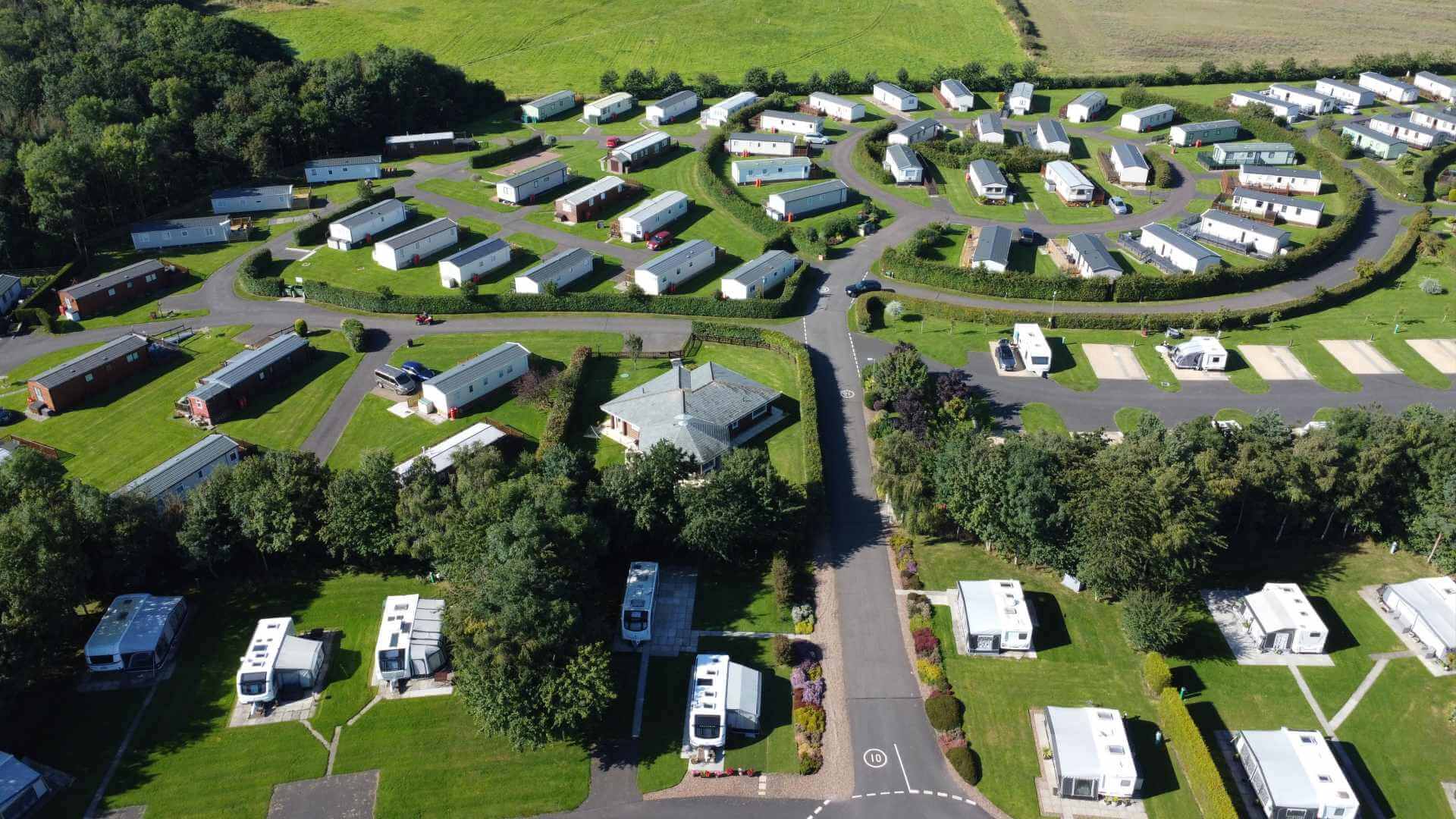
Insurance for Seasonal Caravan Parks vs Year‑Round Holiday Parks
Meta description: A practical UK guide comparing insurance for seasonal caravan parks vs year‑round holiday parks, including key risks, cover types, cost drivers, and how to avoid common gaps.
Why the “seasonal vs year‑round” distinction matters
Caravan and holiday parks look similar on paper, but insurers price and structure cover around how long you’re open, who’s on site, what facilities you operate, and how you manage risk. A park that shuts for winter has different exposures to one that hosts guests 12 months a year — and the wrong policy wording can leave you underinsured.
In this guide, we’ll compare the typical insurance needs of:
-
Seasonal caravan parks (open for part of the year, often spring to autumn)
-
Year‑round holiday parks (open 12 months, often with more facilities and winter occupancy)
Quick definitions (UK)
-
Seasonal caravan park: A park that operates for a defined season, with limited or no guest occupancy outside those dates. Some owners still allow maintenance staff access in the off‑season.
-
Year‑round holiday park: A park that trades throughout the year, often with winter lets, touring pitches, lodges, glamping units, or facilities that remain open.
The key insurance question isn’t just “are you open?” but what happens on site when you’re closed — security, maintenance, utilities, and any permitted access.
Core insurance covers both types usually need
Most parks — seasonal or year‑round — share a common baseline of cover:
1) Property insurance (buildings, fixtures, plant)
Covers damage to insured buildings and fixed structures from insured perils (fire, storm, flood, escape of water, impact, vandalism, etc.). For parks, this can include:
-
Reception/office blocks
-
Shower/toilet blocks
-
Bars, restaurants, clubhouses
-
Shops, laundrettes
-
Maintenance sheds and workshops
-
Playgrounds and fixed outdoor equipment
-
Perimeter fencing, signage, gates
-
Plant and machinery (where insured)
Common gap: Underinsuring the rebuild cost (including demolition, professional fees, and inflation).
2) Public liability (PL)
Protects you if a member of the public is injured or their property is damaged due to your negligence. For parks, PL claims often involve:
-
Slips/trips (wet floors, uneven paths)
-
Playground injuries
-
Dog incidents
-
Falling branches/trees
-
Defective decking/handrails
-
Vehicle movements on site
3) Employers’ liability (EL)
A legal requirement in most cases if you employ staff (including seasonal staff). Covers injury/illness claims from employees.
4) Business interruption (BI)
Covers loss of gross profit/revenue following an insured event (like a fire) that disrupts trading. BI is where seasonal vs year‑round differences become very important.
5) Money and theft
Covers cash on premises, in safes, and in transit (subject to conditions). Theft cover may extend to stock, tools, and contents.
6) Legal expenses
Can help with employment disputes, contract disputes, tax investigations, and some health & safety defence costs (depending on wording).
7) Cyber and data
If you take online bookings, store customer data, use card terminals, or run Wi‑Fi networks, cyber cover can help with:
-
Breach response and notification
-
Ransomware and business interruption
-
Liability and regulatory support
What changes for seasonal caravan parks
Seasonal parks often assume “we’re closed, so risk is lower”. In reality, the risk profile changes rather than disappears.
Off‑season “unoccupied” conditions
Many property policies apply stricter terms when premises are unoccupied for a set period (often 30 days, sometimes 60). If your park closes for winter, you may need to comply with conditions such as:
-
Draining down water systems or maintaining minimum heating
-
Regular inspections (documented)
-
Enhanced security (locks, alarms, CCTV)
-
Letterbox sealing, removal of combustibles
-
Restrictions on theft/malicious damage cover
If you don’t meet these conditions, claims can be reduced or declined.
Storm, flood and freeze risks
The off‑season is often when the worst weather hits:
-
Storm damage to roofs, cladding, awnings, signage
-
Flooding of low‑lying areas and service ducts
-
Frozen pipes and escape of water in amenity blocks
A seasonal park may have fewer people on site to spot issues quickly, which can increase the severity of losses.
Security and theft
Closed sites can attract:
-
Theft of tools, copper, plant, generators
-
Break‑ins to shops, bars, storage
-
Vandalism and arson
Insurers may ask about:
-
Perimeter fencing and access control
-
CCTV coverage and retention
-
Intruder alarm grading and monitoring
-
Security patrols
-
Lighting and signage
Seasonal staffing and EL exposures
Seasonal hiring brings its own risks:
Insurers may want to see training records, risk assessments, and supervision processes.
Business interruption for seasonal trading
BI for seasonal parks needs careful design:
-
If you lose part of your peak season, the financial impact can be huge.
-
Standard BI calculations can understate peak‑season revenue.
You may need:
-
Seasonal uplift (to reflect peak months)
-
Increased cost of working (to keep bookings, relocate guests, hire temporary facilities)
-
A realistic indemnity period (often 12 months; sometimes longer if rebuilding is slow)
What changes for year‑round holiday parks
Year‑round parks typically have higher occupancy, more facilities, and more continuous operational risk.
Higher footfall and more frequent liability incidents
With guests on site in winter and shoulder seasons:
-
Paths are wetter and darker
-
Ice and snow increase slip risk
-
More vehicle movements during poor visibility
Insurers will look for:
-
Gritting and snow/ice procedures
-
Lighting maintenance
-
Documented inspections of walkways, steps, handrails
More complex facilities and higher sums insured
Year‑round parks often run:
Each facility can require specific risk controls and may affect:
Escape of water and maintenance frequency
Continuous use means:
Insurers may ask about:
BI exposure is continuous
Year‑round parks may face:
BI cover should reflect:
-
True gross profit
-
Realistic indemnity period
-
Additional increased cost of working (temporary accommodation, alternative facilities)
Key cover areas to compare (seasonal vs year‑round)
1) Material damage: what exactly is insured?
Both types should map out everything on site:
-
Buildings and fixed structures
-
Contents (furniture, equipment, stock)
-
Outdoor property (play equipment, signage, fencing)
-
Plant and machinery
Seasonal parks may need extra attention to off‑season protections and unoccupancy conditions.
Year‑round parks may need higher sums insured and broader cover for facilities.
2) Static caravans, lodges and owners’ units
If you have owner‑occupied or privately owned units on site, clarify:
-
Who insures the unit (park or owner)?
-
Is it included under a block policy?
-
What about decking, skirting, awnings, hot tubs?
-
Are there requirements for gas safety, electrical checks, and anchoring?
Misunderstandings here are a common source of disputes after storm or fire losses.
3) Touring pitches and guest property
Your PL policy may respond to third‑party property damage, but it won’t automatically cover guests’ own caravans or contents. Make sure your booking terms are clear and that your insurance matches your responsibilities.
4) Activities, play areas and water hazards
If you have:
-
Playgrounds
-
Lakes/ponds
-
Water parks
-
Adventure activities
-
Bike hire
…you may need specific endorsements, inspections, and documented maintenance.
5) Food, alcohol and events
Operating bars/restaurants and hosting events can change your risk profile:
Insurers may ask about:
6) Environmental and pollution risks
Parks can face pollution exposures from:
Standard policies may only provide limited pollution cover. If you have higher exposure, consider specialist extensions.
7) Contractors and maintenance work
From tree surgery to electrical works, contractor management matters:
This helps defend liability claims and can improve terms.
Common exclusions and “gotchas” to watch
Regardless of operating model, pay close attention to:
-
Unoccupancy clauses (especially seasonal parks)
-
Storm/flood excesses (often higher)
-
Wear and tear (not insured)
-
Gradual deterioration (not insured)
-
Poor maintenance (can complicate claims)
-
Hot tubs and pools (may require specific conditions)
-
Inflatable play equipment (often restricted)
-
Damage to roads, paths and hardstanding (sometimes limited)
-
Subsidence (may be excluded or restricted)
What drives the cost of caravan park insurance?
Insurers typically price based on:
-
Turnover and payroll
-
Claims history
-
Sums insured (rebuild and contents)
-
Construction type and fire protections
-
Location (flood/storm exposure)
-
Security and unoccupancy controls
-
Facilities (pools, bars, events)
-
Number and type of units (static, lodges, glamping)
-
Season length and occupancy levels
Seasonal parks can sometimes be cheaper — but if the site is unoccupied for long periods without strong controls, insurers may load premiums or restrict cover.
Risk management checklist (practical)
Here’s a simple checklist that tends to improve insurability and reduce claims.
For seasonal parks (off‑season focus)
-
Documented weekly inspections during closure
-
Drain down or protect water systems
-
Test alarms and maintain CCTV
-
Secure tools, plant and stock
-
Remove combustibles and manage waste
-
Tree inspections before winter storms
-
Clear gutters and check roofs
For year‑round parks (operational focus)
-
Daily/weekly walkway inspections and defect logs
-
Winter gritting plan and records
-
Fire risk assessment kept current
-
PAT testing and electrical inspection schedules
-
Legionella controls and water hygiene
-
Pool plant maintenance logs
-
Contractor vetting and permits to work
How to choose the right policy structure
A good approach is to build your insurance around how your park actually operates.
Step 1: Map your exposures
List:
-
All buildings and facilities
-
All revenue streams (pitches, units, food & beverage, events)
-
Any third‑party ownership arrangements
-
Any off‑season access
Step 2: Confirm responsibilities in writing
Your booking terms, pitch agreements, and owner agreements should align with your insurance:
-
Who is responsible for what?
-
What do guests/owners need to insure?
-
What rules apply to decks, awnings, gas bottles, and hot tubs?
Step 3: Set realistic sums insured and BI figures
Step 4: Ask for wording clarity
A broker should be able to explain:
-
What “unoccupied” means in your policy
-
What conditions apply during closure
-
Whether theft/malicious damage is restricted
Seasonal vs year‑round: which is “riskier”?
It depends.
-
Seasonal parks can have higher off‑season theft and weather severity, plus unoccupancy conditions that can trip owners up.
-
Year‑round parks can have higher frequency of liability incidents and more complex facilities, plus continuous BI exposure.
The goal isn’t to label one as riskier — it’s to make sure your cover matches your operating reality.
FAQs
Do I need different insurance if I close for winter?
Often, yes. If buildings are unoccupied for extended periods, your policy may impose conditions or restrict cover. It’s important to tell your insurer/broker your exact closure dates and what access is permitted.
What counts as “unoccupied”?
Definitions vary by insurer. Some focus on whether the building is lived in or used; others on whether it’s attended daily. Always check the policy wording.
Are static caravans covered under my park policy?
Sometimes, but not always. Coverage depends on whether units are park‑owned, privately owned, or insured under a block policy. Decking, awnings, and hot tubs may need to be specified.
Do I need cyber insurance for a holiday park?
If you take online bookings, store customer data, or provide guest Wi‑Fi, cyber cover is worth considering. It can help with breach response, ransomware, and liability.
What indemnity period should I choose for business interruption?
Many parks choose 12 months, but if rebuilding could take longer (planning, contractors, supply chain), 18–24 months may be more appropriate.
Final thoughts
Whether you run a seasonal caravan park or a year‑round holiday park, the best insurance is built around the details: occupancy patterns, facilities, security, maintenance, and how you handle closure periods.
If you want a quote or a quick policy gap check, it helps to have your sums insured, season dates, and a list of facilities ready — that’s usually enough to get accurate terms quickly.
Call to action: Speak to a specialist commercial broker who understands UK holiday parks, so your cover keeps pace with your risks — in peak season and in the off‑season too.


 My Account