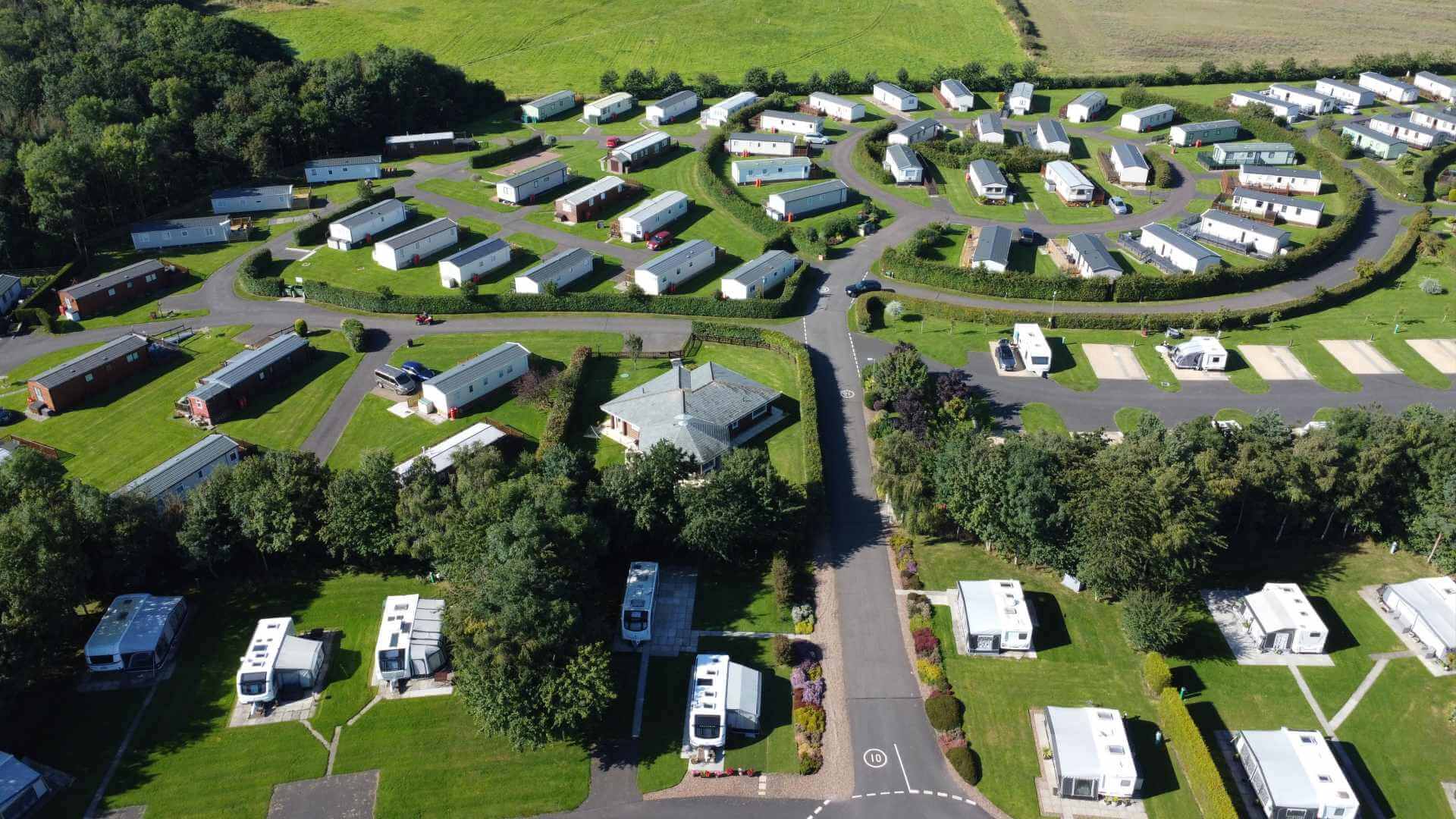
Insurance for Caravan Park Owners Who Lease Pitches to Static Owners
Introduction
If you run a caravan park and lease pitches to static caravan owners, your insurance needs are different from a touring-only site and different again from a holiday park that owns the units. You’re managing land, infrastructure and shared facilities, while third parties own the caravans and may sublet, bring visitors, use gas and electrics, and rely on you to keep the site safe.
That mix creates a unique risk profile: you can be held responsible for injuries on communal areas, damage caused by site services, disputes about pitch agreements, and major losses such as storms, flooding or fire that affect access and trading.
This guide explains the core covers caravan park owners typically need in the UK when leasing pitches to static owners, the common gaps we see, and the practical steps to tighten up risk management (and often reduce premiums).
How leasing pitches to static owners changes the risk
Leasing pitches usually means:
-
You own the land, roads, hardstandings, service points, communal buildings and sometimes utility infrastructure.
-
Static owners bring their own unit (or buy one already sited) and pay a pitch fee under a licence agreement, tenancy-like arrangement, or holiday occupancy agreement.
-
You may provide or maintain services such as electric hook-ups, water, drainage, LPG storage, fire points, lighting, CCTV, barriers and waste facilities.
-
You may operate shared amenities: reception, shop, clubhouse, laundry, play area, pool, fishing lake, dog walk, shower blocks.
Insurers will want clarity on who is responsible for what, because liability often follows control. If you control the common parts, you’re exposed. If you maintain the electrical network, you’re exposed. If you set site rules and enforce them, you’re exposed.
The essential insurance covers
1) Public liability (PL)
Public liability is the backbone of caravan park insurance. It covers your legal liability if a member of the public is injured or their property is damaged due to your negligence.
Typical caravan park PL claims include:
-
Slips, trips and falls on paths, steps, ramps, decking areas you maintain
-
Injuries in play areas, sports areas, lakes and fishing platforms
-
Vehicle collisions on internal roads due to poor signage, lighting or road condition
-
Falling branches or poorly maintained trees
-
Burns or injuries linked to communal BBQ areas or fire pits
-
Damage to a static owner’s unit caused by site-maintained infrastructure (for example, a surge from the site electrical system)
Key points for pitch-leasing parks:
-
Make sure the policy wording includes “owners and occupiers liability” for land you own/occupy.
-
Confirm whether the insurer expects static owners to carry their own PL for their unit and decking. Many parks require it in the pitch agreement, but your policy still needs to respond to common-area allegations.
-
Consider higher limits if you have high footfall, events, a clubhouse, or open access areas.
2) Employers’ liability (EL)
If you employ staff—full-time, part-time, seasonal, or casual—employers’ liability is a legal requirement in most cases.
EL covers claims from employees who suffer illness or injury arising from their work, such as:
-
Grounds staff injured using machinery
-
Maintenance staff exposed to hazardous substances
-
Manual handling injuries
-
Accidents while working at height or using ladders
Even if you use subcontractors, you may still need EL depending on your arrangements and whether labour-only contractors are treated as employees.
3) Property insurance for site-owned assets
Even when static owners own the caravans, you still have significant property exposure:
-
Reception, offices, shop, clubhouse, bars/restaurants
-
Toilet/shower blocks and laundries
-
Storage sheds, workshops, plant rooms
-
Site signage, gates, barriers, fences
-
Hardstandings, roads, paths, lighting columns
-
Utility infrastructure: electric distribution, water pipes, drainage, septic systems, LPG tanks (where owned)
-
Play equipment, outdoor furniture
A good property policy should cover:
-
Fire, lightning, explosion
-
Storm and flood (subject to terms)
-
Escape of water
-
Impact damage
-
Theft and malicious damage
Be careful with:
-
Storm definitions and exclusions for fences, gates and signage
-
Flood terms, especially in coastal or river-adjacent parks
-
Subsidence/heave/landslip if your site is on slopes or near cliffs
-
Wear and tear exclusions (common with older blocks and pipework)
4) Business interruption (BI)
Business interruption covers loss of income and increased costs if an insured event disrupts your trading.
For a pitch-leasing park, BI might apply if:
-
A fire damages the reception or essential services, reducing occupancy and pitch fee income
-
A storm damages site infrastructure, making parts of the park inaccessible
-
Flooding prevents access or triggers evacuation
-
A major incident forces closure of amenities that drive bookings
Important BI considerations:
-
Insure the right “gross profit” or “gross revenue” basis depending on your business model.
-
Choose an adequate indemnity period. Many parks need 12–24 months to fully recover after a major event.
-
Consider “denial of access” or “non-damage denial of access” extensions (wordings vary) if you can’t trade due to nearby incidents or authority restrictions.
5) Legal expenses
Legal expenses insurance can help cover the cost of:
-
Contract disputes (including with suppliers and sometimes customers)
-
Employment disputes
-
Tax investigations (if included)
-
Property disputes (for example, boundary or access issues)
For pitch-leasing parks, legal disputes can arise from:
-
Pitch agreement breaches (subletting, occupancy rules, nuisance)
-
Debt recovery for unpaid pitch fees
-
Disputes over removal of units or abandonment
-
Claims about misrepresentation of facilities or services
Always check the policy’s scope, exclusions and whether it includes a legal advice helpline.
6) Directors’ and officers’ liability (D&O)
If you operate as a limited company, D&O can protect directors and officers against claims alleging wrongful acts in management, such as:
-
Health and safety allegations
-
Employment-related claims
-
Regulatory investigations
-
Claims by investors or stakeholders
This is more relevant if you have multiple directors, external finance, or complex operations.
Covers that are often needed (depending on your setup)
Static caravan owners’ units: do you insure them?
Many pitch-leasing parks do not insure the caravans themselves because owners arrange their own cover. However, there are scenarios where you might need a policy that interacts with owners’ insurance:
-
You sell caravans on site (new or used)
-
You offer a “park arranged” scheme or require owners to use a nominated insurer
-
You provide storage, siting, transport or installation services
If you do anything beyond leasing the pitch, tell your broker. The insurer may need to rate for products liability, workmanship exposures, or care/custody/control issues.
Product liability
If you sell goods (shop, bar, food service) or provide services that could cause injury, product liability is important. It’s often packaged with PL but not always.
Professional indemnity
If you provide advice or services beyond normal park operations—such as financial advice, letting management, or consultancy—professional indemnity may be relevant. Most parks won’t need it, but some do if they run complex subletting/letting schemes.
Cyber insurance
Caravan parks increasingly rely on:
Cyber insurance can help with breach response, business interruption from cyber events, and liability. It’s especially worth considering if you store owner/customer data or take card payments.
Engineering inspection and breakdown
If you have lifts, pressure systems, certain boilers, or other plant that requires statutory inspection, engineering insurance can cover:
Money and personal accident
If you handle cash on site or have staff collecting pitch fees, money cover can be useful. Personal accident cover can provide benefits if key people are injured.
The big exposures insurers focus on
Fire risk (including LPG and electrics)
Static units, decking, awnings and outbuildings can increase fire load and fire spread risk. Insurers will look at:
-
Spacing between units (fire breaks)
-
Site rules on BBQs, fire pits and storage
-
LPG storage and cylinder management
-
Electrical safety: distribution boards, hook-ups, testing and maintenance
-
Fire points, extinguishers, hydrants (where applicable)
-
Emergency access routes and signage
Storm and flood
UK weather events can cause:
-
Damage to fences, roofs, signage and trees
-
Flooding of roads and hardstandings
-
Erosion or landslip in coastal/cliff areas
Insurers may apply higher excesses, flood exclusions, or require flood resilience measures.
Trees and grounds maintenance
Falling trees and branches are a common cause of injury and property damage. Expect questions about:
-
Tree surveys and maintenance schedules
-
Records of inspections after storms
-
Management of deadwood and diseased trees
Lakes, waterways and play areas
If you have a lake, river access, pool, playground or sports facilities, insurers will want:
-
Risk assessments
-
Signage and supervision rules
-
Fencing or controlled access where appropriate
-
Maintenance logs and inspection records
Roads, traffic management and visitor vehicles
Internal roads can generate claims. Insurers will look at:
Contract clarity: what your pitch agreement should address
Insurance and liability disputes often start with unclear agreements. Your pitch agreement (and site rules) should clearly set out:
-
Who insures the static caravan and contents
-
Whether owners must carry public liability insurance and at what limit
-
Responsibility for decking, awnings, sheds and hot tubs (if allowed)
-
Rules on subletting, holiday occupancy, and visitor behaviour
-
Gas safety and electrical safety responsibilities
-
Alterations and approvals (for example, new decking or extensions)
-
Tree management near pitches and owner responsibilities for items they install
-
Procedures for arrears, breach, termination and removal of units
Insurers like clarity because it reduces disputes and improves claims defensibility.
Common insurance gaps (and how to avoid them)
Gap 1: Assuming owners’ insurance protects you
Owners’ policies protect owners. They don’t automatically protect the park owner for allegations about site maintenance, utilities or common parts.
Fix: Ensure your PL/owners’ liability is robust and your agreements allocate responsibilities clearly.
Gap 2: Underinsuring site buildings and infrastructure
Older shower blocks, reception buildings and underground services can be expensive to rebuild.
Fix: Use realistic rebuild valuations and review them regularly—especially after refurbishments.
Gap 3: Business interruption set too low
Pitch fees and seasonal income can be hit hard after a major incident.
Fix: Model worst-case disruption and choose a suitable indemnity period.
Gap 4: Not disclosing subletting or letting schemes
If owners sublet or you run a letting programme, the risk profile changes.
Fix: Tell the insurer how occupancy works, whether units are owner-occupied, holiday-let, or mixed.
Gap 5: Inadequate records
Claims are easier to defend when you can prove inspections and maintenance.
Fix: Keep logs for:
-
Fire points and extinguisher checks
-
Electrical inspections and testing
-
Playground inspections
-
Tree surveys
-
Pothole inspections and repairs
-
Water hygiene checks (where relevant)
Practical risk management that insurers like
-
Written site rules covering fire safety, LPG, BBQs, decking, storage and parking
-
Clear emergency plan and evacuation procedures
-
Regular electrical inspections of hook-ups and distribution
-
Documented tree management and post-storm inspections
-
Routine inspections of paths, steps, lighting and handrails
-
Controlled access to lakes, play areas and high-risk zones
-
Contractor management: RAMS (risk assessments and method statements) for higher-risk works
-
Incident reporting and near-miss logging
-
Staff training for fire response and first aid (where appropriate)
These steps don’t just help with premiums; they reduce the frequency and severity of claims.
What insurers will ask you (be ready)
When arranging or renewing cover, expect questions such as:
-
Total acreage and number of pitches (static vs touring)
-
Occupancy model: owner-occupied, holiday-let, mixed
-
Any subletting/letting scheme and your involvement
-
Facilities on site (clubhouse, pool, lake, play area, shop)
-
Fire breaks and spacing between units
-
LPG storage arrangements
-
Electrical and gas safety management
-
Flood history and proximity to water
-
Claims history
-
Security measures (CCTV, barriers, lighting)
Having clear answers and documentation can improve terms.
How to structure your insurance programme (simple checklist)
-
Public liability + product liability
-
Employers’ liability (if applicable)
-
Property cover for site-owned buildings and infrastructure
-
Business interruption with an appropriate indemnity period
-
Legal expenses
-
Optional: D&O, cyber, engineering, money
Quick FAQs
Do I need insurance if owners insure their own caravans?
Yes. Owners’ insurance typically covers their unit and their liability, not your liability as the site owner/occupier of the land and communal areas.
Is employers’ liability required for seasonal staff?
In most cases, yes—if they are employees. If you use contractors, you still need to understand your responsibilities and ensure contractors carry their own insurance.
What about damage to a static caravan caused by site services?
This can become a liability claim against the park if the allegation is that your maintenance or infrastructure caused the damage (for example, electrical surge or water leak). Your PL/owners’ liability should be reviewed for these scenarios.
Can business interruption cover loss of pitch fee income?
It can, if set up correctly. The key is choosing the right basis of cover and ensuring the sums insured reflect your income and costs.
Will insurers cover flood?
Sometimes, but terms vary widely depending on location and flood history. Flood excesses can be higher and certain areas may have exclusions.
Conclusion: get the basics right, then tailor
For caravan park owners leasing pitches to static owners, the essentials are strong public liability/owners’ liability, employers’ liability (if you have staff), property cover for site assets, and business interruption that reflects how you actually earn money.
From there, the best results come from clarity: clear pitch agreements, documented maintenance, and honest disclosure about occupancy and subletting. That combination makes claims easier to defend and helps insurers price the risk fairly.
Call to action
If you’d like a quick review of your current caravan park insurance—especially around pitch agreements, liability split and business interruption—Insure24 can help you sense-check your cover and highlight common gaps before renewal.


 My Account