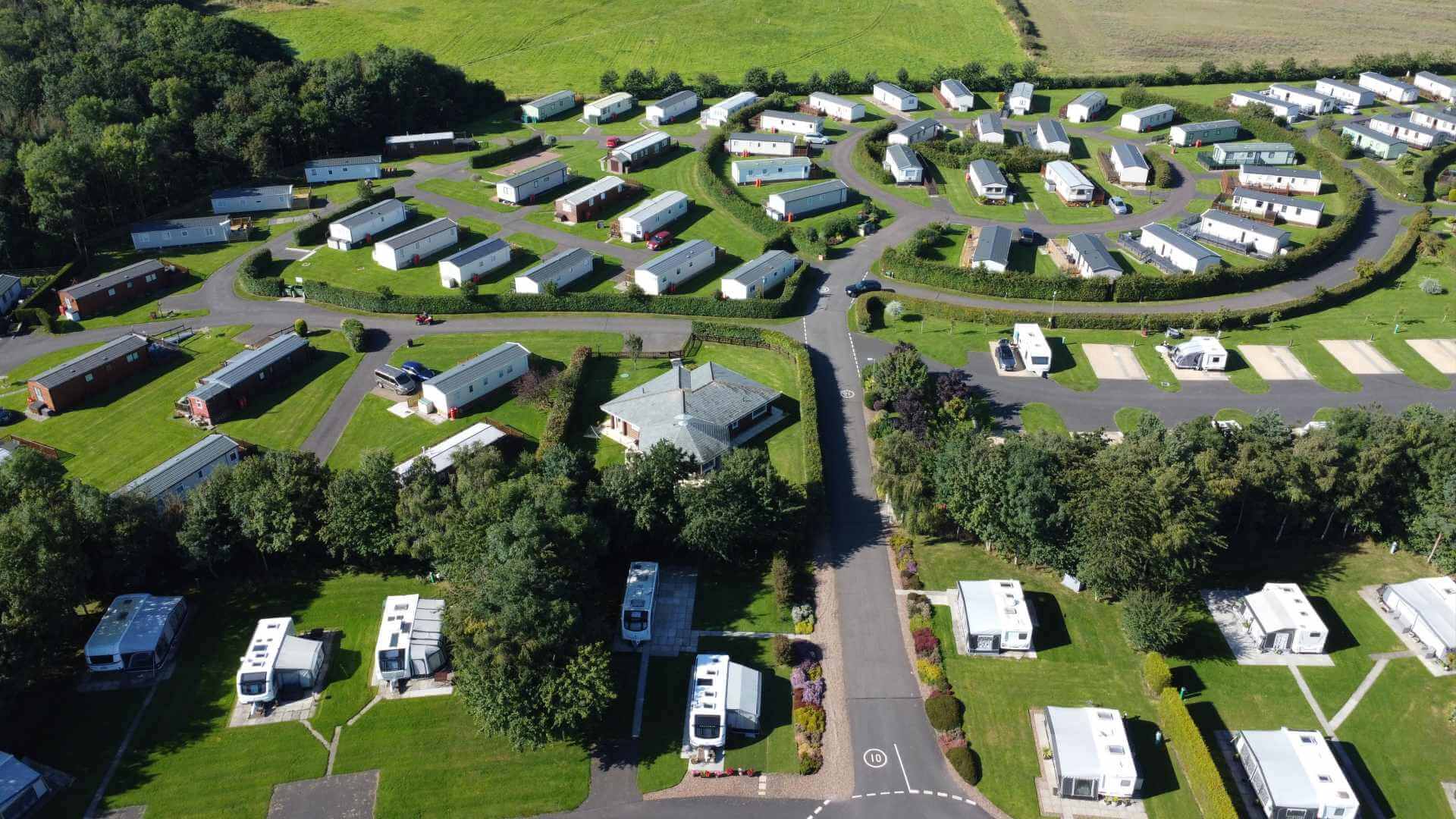
Insurance for Caravan Park Events, Live Music & Seasonal Festivals (UK Guide)
Introduction: events are a growth lever — and a risk multiplier
Caravan parks and holiday parks increasingly rely on events to drive bookings, extend the season and boost on-site spend. Live music nights, family fun days, Christmas markets, Halloween trails, fireworks, beer festivals, charity runs, outdoor cinema, and pop-up food villages can turn a quiet weekend into a sell-out.
But the same things that make events profitable — crowds, alcohol, temporary structures, contractors, amplified sound, and higher footfall — also increase the chance of claims. A single incident can create multiple losses at once: injury to a guest, damage to hired equipment, cancellation costs, and reputational impact.
This guide explains the core insurance covers caravan parks should consider when running events, live music and seasonal festivals in the UK, plus what insurers usually ask, common exclusions, and a step-by-step checklist to help you get cover placed smoothly.
What counts as an “event” at a caravan park?
Insurers typically treat any planned activity that increases footfall or changes the risk profile as an event. Examples include:
-
Live music (bands, DJs, tribute acts)
-
Seasonal festivals (summer festivals, Oktoberfest-style weekends, Christmas markets)
-
Fireworks displays and bonfires
-
Outdoor cinema and sports screenings
-
Food festivals, street food pop-ups, farmers’ markets
-
Funfairs, inflatables, rodeo bulls, climbing walls
-
Petting zoos, falconry displays, pony rides
-
Charity events and sponsored walks
-
Weddings and private parties hosted on-site
-
Competitions and activities (archery, axe throwing, laser tag)
Even if you don’t charge entry, you’re still “hosting” the event and you still owe a duty of care.
Why standard caravan park insurance may not be enough
Many caravan park or holiday park policies are designed for day-to-day operations: accommodation, facilities, reception, bars/restaurants, and routine guest activities.
Events can trigger:
-
Higher public liability exposure (more people, more slips/trips, more crowd movement)
-
New hazards (staging, power cables, temporary lighting, smoke machines)
-
Different activities (alcohol-led trading, dancing, pyrotechnics)
-
Third-party contractors (security, sound engineers, caterers)
-
Temporary structures (marquees, stages, fencing)
-
Noise and nuisance complaints (and potential legal costs)
Some policies exclude events entirely unless declared, or they may allow “small events” but exclude higher-risk features like fireworks, inflatables, or live music after a certain time.
Bottom line: if you’re running events, you should assume you need to disclose them and either extend your existing policy or arrange event-specific cover.
Core covers to consider
1) Public liability (PL)
What it does: Covers compensation and legal defence costs if a member of the public is injured or their property is damaged due to your negligence.
Typical event claims:
-
Guest trips over a cable ramp or uneven ground
-
Injury in a crowd surge near the stage
-
A child is injured on an inflatable
-
A guest’s vehicle is damaged by a temporary barrier or falling signage
Key points for caravan park events:
-
Check the limit of indemnity (often £2m, £5m or £10m). Larger events and local authority requirements may push you to £10m.
-
Ensure the policy covers event days, not just “normal trading”.
-
Confirm cover for temporary structures, staging, and guest activities.
2) Employers’ liability (EL)
What it does: Covers claims from employees (including temporary staff) for injury or illness arising from work.
Why it matters for events: Events often mean extra shifts, manual handling, late nights, and higher pressure. Typical claims include back injuries during set-up, slips in wet conditions, or hearing-related allegations for staff working near amplified sound.
In the UK, EL is a legal requirement for most employers.
3) Event cancellation and abandonment
What it does: Helps cover lost revenue and irrecoverable costs if the event can’t go ahead or is cut short due to insured causes.
Examples:
-
Severe weather makes the site unsafe
-
Key performer cancels due to illness (depending on wording)
-
Power failure or damage to the stage area
-
Local authority restrictions or safety-related closure
Watch-outs:
-
Cancellation cover is highly wording-dependent.
-
Many policies require you to show you took reasonable steps to mitigate losses.
-
Communicable disease and some regulatory restrictions may be limited or excluded.
4) Property and business interruption (BI)
What it does: Covers damage to buildings/contents and loss of income following insured property damage.
Event angle: If a fire damages a clubhouse or bar right before a festival weekend, BI can be the difference between a bad month and a catastrophic season.
Make sure:
5) Terrorism (optional but sometimes required)
For larger, advertised events, terrorism cover may be requested by stakeholders or venues. It’s not always essential, but it’s worth discussing if you’re attracting large crowds or hosting high-profile acts.
6) Legal expenses
What it does: Helps with legal costs for certain disputes (e.g., employment issues, contractual disputes, some prosecutions).
Events increase the chance of disputes with suppliers, contractors, neighbours, or even performers.
7) Equipment and hired-in plant
What it does: Covers your own equipment (and sometimes hired-in equipment) against theft, accidental damage, and breakdown.
For events, this can include:
-
PA systems, lighting rigs, generators
-
Temporary fencing, barriers, signage
-
Refrigeration and catering equipment
If you hire equipment, contracts often make you responsible for loss/damage. Confirm whether your policy includes hired-in plant and what conditions apply.
8) Money and theft
Events often mean higher cash handling (bars, stalls, ticketing). Consider:
Also review your security arrangements and cash procedures — insurers may ask.
9) Cyber insurance (increasingly relevant)
If you sell tickets online, use booking systems, run Wi-Fi, or take card payments, cyber cover can help with:
Seasonal events can be a peak target time for payment fraud and phishing.
Specialist covers depending on your event
Fireworks and pyrotechnics
Fireworks are often excluded unless specifically agreed.
Insurers may require:
-
Professional, licensed contractor
-
Risk assessment and safety distances
-
Crowd control and barriers
-
Evidence of contractor’s insurance
Inflatables and fairground attractions
Common requirements:
-
PIPA or ADIPS certification for inflatables
-
Competent operators and supervision ratios
-
Wind-speed limits and anchoring procedures
Alcohol-led events
If you’re expanding bar operations or bringing in pop-up bars:
-
Confirm licensing compliance
-
Consider increased PL limits
-
Ensure staff training and incident logs
Food vendors and street food
You’ll want clear contracts and evidence of:
Activities with higher injury potential
Things like archery, axe throwing, climbing walls, or water-based activities can be difficult to insure without specialist underwriting. Expect detailed questions and potentially higher premiums.
Who is responsible — you, the contractor, or the performer?
A common misconception is: “The supplier has insurance, so we’re covered.”
In reality, liability can be shared. If you organise, advertise, and control the site, you may still face claims even if a contractor made the mistake.
Best practice:
-
Treat contractor insurance as essential but not sufficient.
-
Use written contracts that define responsibilities.
-
Keep copies of certificates and check limits.
What insurers will ask (and how to prepare)
Underwriters typically want to understand how controlled the event is. Expect questions like:
-
Dates, times, and expected attendance
-
Ticketed vs non-ticketed
-
Age profile (family event vs adult-only)
-
Alcohol: served? BYOB? controls?
-
Live music: indoors/outdoors, finishing time, sound levels
-
Temporary structures: stage, marquees, seating, barriers
-
Security: stewarding, SIA-licensed security, entry control
-
First aid provision
-
Traffic management and parking
-
Fire safety (including cooking and LPG)
-
Weather plan and cancellation triggers
-
Contractor list and their insurance
-
Past claims or incidents
If you can provide a clear event plan, risk assessments, and contractor details upfront, you’ll usually get faster terms and fewer exclusions.
Common exclusions and gaps to watch for
Policies vary, but these are frequent pain points:
-
No cover for fireworks/pyro unless agreed
-
No cover for inflatables unless declared
-
Exclusions for assault and battery (relevant for alcohol-led events)
-
Heatwork exclusions (welding, grinding during build)
-
Wear and tear on equipment (not accidental damage)
-
Communicable disease limitations for cancellation
-
Noise nuisance and gradual pollution exclusions
-
Unattended theft conditions for portable equipment
Ask your broker to highlight event-related exclusions in plain English.
Risk management that improves insurability (and reduces claims)
Insurers like well-run events. Practical steps that often help:
-
Written event management plan (roles, timings, contacts)
-
Documented risk assessments (including crowd management)
-
Cable management: ramps, covers, signage
-
Lighting for walkways, toilets, car parks
-
Slip/trip controls: mats, gritting, inspections
-
Barrier plans near stages and high-traffic areas
-
First aid: appropriate level for crowd size
-
Incident reporting: log near-misses and issues
-
Weather monitoring and clear stop/cancel triggers
-
Vendor onboarding: insurance, RAMS, allergen policies
-
Security plan: entry control, alcohol management, lost child policy
These aren’t just “box-ticking” — they’re the difference between a minor incident and a major claim.
Do you need separate event insurance or an extension to your park policy?
It depends on:
-
Size and frequency of events
-
Risk features (fireworks, inflatables, high-risk activities)
-
Whether events are open to the public or guests-only
-
Contractual requirements from councils, performers, or sponsors
Many caravan parks can arrange an extension for regular, low-to-medium risk events. For larger festivals or one-off high-footfall events, standalone event insurance may be cleaner.
A broker can compare both routes and advise which is more cost-effective.
Quick checklist: before you book the band
Use this as a practical pre-insurance checklist:
-
Confirm event type, dates, times, and expected attendance
-
Map the site layout: stage, exits, barriers, toilets, first aid, parking
-
List contractors and obtain:
-
Confirm licensing requirements (alcohol, music, late-night)
-
Plan crowd management and security (including lost child process)
-
Confirm first aid provision
-
Review your existing insurance:
-
Decide if you need:
-
Event cancellation
-
Hired-in equipment cover
-
Terrorism cover
-
Put contracts in writing (who is responsible for what)
-
Keep documentation ready for insurers and local authority
FAQs
Does my caravan park public liability automatically cover events?
Not always. Some policies include limited cover for small events, but many require you to declare events — especially if they involve live music, alcohol-led trading, inflatables, fireworks, or large attendance.
What public liability limit do I need for a festival-style weekend?
It depends on attendance, activities, and contract requirements. Many parks choose £5m as a baseline, with £10m common for larger public events.
If a vendor has their own insurance, do I still need cover?
Yes. Vendor insurance is important, but claims can still be made against the park as the site operator and organiser.
Can I get cover for fireworks?
Often yes, but it usually needs to be agreed in advance and may require a professional contractor, safety distances, and evidence of competence and insurance.
What about noise complaints from neighbours?
Insurance isn’t a substitute for good planning. Some legal expenses policies may help with certain disputes, but nuisance issues are often best managed through licensing compliance, sound management, and finishing times.
Do I need event cancellation insurance?
If you’re spending significant money upfront (acts, staging, marketing) or relying on the event weekend for revenue, cancellation cover can be worth considering.
Conclusion: protect the event, protect the season
Events can be a major revenue driver for caravan parks — but they can also concentrate risk into a single weekend. The right insurance programme, paired with solid planning and contractor controls, helps protect your guests, your team, and your income.
If you’re planning live music nights, seasonal festivals or a one-off big event, it’s worth reviewing your current policy wording early. That way you can confirm what’s covered, avoid last-minute surprises, and run the event with confidence.
Call to action
If you’re hosting live music, seasonal festivals, fireworks or family fun days at your caravan park, we can help you arrange the right cover — from public and employers’ liability to event cancellation and hired-in equipment. Speak to our team for a quick, UK-based review and a quote tailored to your event schedule.


 My Account