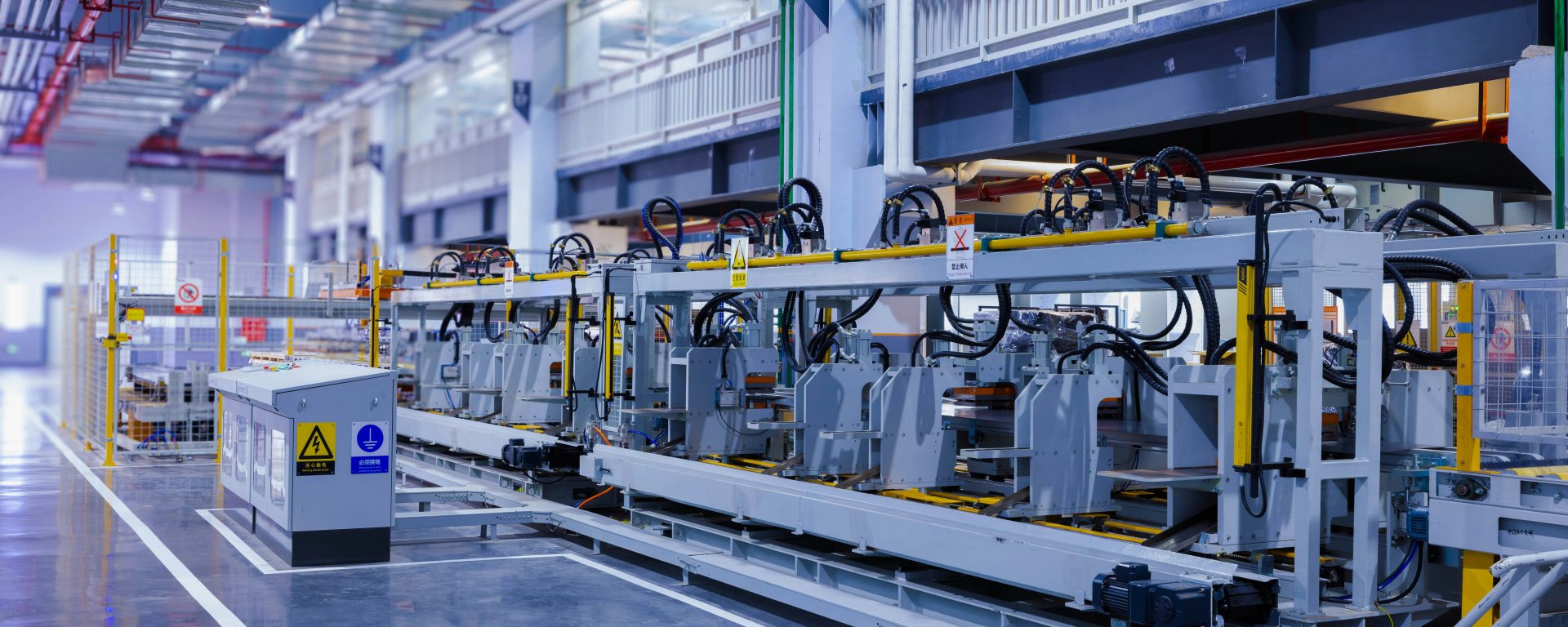
Imaging Equipment Production Manufacturing Insurance: A Complete Guide
Manufacturing imaging equipment—from medical diagnostic machines to industrial inspection systems—represents one of the most technically demanding and financially significant sectors in modern industry. The production of MRI scanners, CT machines, X-ray systems, ultrasound devices, and specialized industrial imaging equipment requires substantial capital investment, highly skilled personnel, and rigorous quality control. With these opportunities come considerable risks that demand comprehensive insurance protection tailored to the unique challenges of imaging equipment manufacturing.
Understanding the Imaging Equipment Manufacturing Sector
The imaging equipment manufacturing industry encompasses a diverse range of products serving medical, industrial, scientific, and security applications. Medical imaging equipment manufacturers produce diagnostic tools essential to modern healthcare, including magnetic resonance imaging (MRI) systems, computed tomography (CT) scanners, X-ray machines, ultrasound equipment, and nuclear medicine cameras. Industrial imaging equipment includes non-destructive testing systems, quality control inspection equipment, and process monitoring devices used across manufacturing sectors.
This industry operates at the intersection of advanced engineering, precision manufacturing, electronics, software development, and regulatory compliance. Manufacturers must navigate complex certification processes, maintain cleanroom environments for sensitive component assembly, manage intricate supply chains for specialized components, and ensure products meet stringent safety and performance standards set by regulatory bodies such as the FDA, CE marking authorities, and industry-specific organizations.
The financial stakes are substantial. Individual imaging systems can cost hundreds of thousands to millions of pounds, and production facilities require significant investment in specialized equipment, testing capabilities, and quality assurance infrastructure. A single product defect, manufacturing error, or supply chain disruption can result in costly recalls, regulatory sanctions, and reputational damage that reverberates throughout the industry.
Key Risks Facing Imaging Equipment Manufacturers
Product Liability and Professional Indemnity
Imaging equipment manufacturers face considerable exposure to product liability claims. Medical imaging devices directly impact patient diagnosis and treatment decisions, meaning equipment failures, calibration errors, or design defects can lead to misdiagnosis, delayed treatment, or patient harm. Even when manufacturers follow rigorous quality protocols, the complexity of imaging systems creates potential failure points.
Claims can arise from radiation exposure incidents with X-ray or CT equipment, magnetic field accidents involving MRI systems, software errors affecting image interpretation, component failures during critical diagnostic procedures, or long-term health effects attributed to equipment exposure. The costs associated with defending against such claims and potential settlements or judgments can be substantial, particularly when patient harm is involved.
Professional indemnity coverage becomes essential when manufacturers provide consulting services, system integration, training, or technical advice alongside equipment sales. Errors in system specification, installation guidance, or operational training can lead to claims even when the equipment itself functions correctly.
Property and Equipment Damage
Manufacturing facilities for imaging equipment contain highly specialized and expensive machinery. Cleanroom environments, precision machining centers, electromagnetic testing chambers, software development infrastructure, and quality assurance laboratories represent significant capital investments vulnerable to various perils.
Fire poses a particular threat given the presence of electrical systems, chemical processes, and valuable inventory. Water damage from sprinkler activation, plumbing failures, or roof leaks can devastate cleanroom environments and damage sensitive electronic components. Equipment breakdown can halt production lines, particularly when specialized manufacturing equipment has long lead times for repair or replacement.
Natural disasters, including flooding, windstorms, and earthquakes, threaten facilities and can disrupt operations for extended periods. The concentration of high-value inventory—both raw materials and finished goods—creates substantial property risk that requires adequate coverage limits.
Business Interruption and Supply Chain Disruption
The financial impact of production interruptions extends far beyond direct property damage. Imaging equipment manufacturers operate on complex production schedules coordinated with customer orders, installation timelines, and regulatory approval processes. Production delays can trigger contractual penalties, lost sales opportunities, and customer relationship damage.
Supply chain vulnerabilities present significant business interruption risks. Imaging equipment relies on specialized components—superconducting magnets, detector arrays, precision optics, specialized electronics, and proprietary software—often sourced from limited suppliers. Disruption to any critical supplier can halt production even when the manufacturer's own facilities remain operational.
The time required to resume full production following a major incident can extend for months, particularly when specialized equipment must be replaced or cleanroom environments must be recertified. Business interruption insurance that accounts for these extended recovery periods and includes contingent business interruption coverage for supply chain disruptions is essential.
Cyber Risk and Intellectual Property
Modern imaging equipment manufacturing relies heavily on digital systems, creating substantial cyber risk exposure. Computer-aided design (CAD) systems contain proprietary equipment designs, manufacturing execution systems control production processes, quality management systems maintain regulatory compliance documentation, and enterprise resource planning (ERP) systems coordinate operations.
Cyberattacks can result in theft of valuable intellectual property, including equipment designs, manufacturing processes, and proprietary algorithms. Ransomware attacks can halt production by encrypting critical systems. Data breaches may expose customer information, employee records, or confidential business information, triggering notification requirements and potential regulatory penalties.
The increasing connectivity of imaging equipment itself creates additional cyber liability. Manufacturers may face claims if security vulnerabilities in equipment software enable unauthorized access to healthcare networks or compromise patient data, even after equipment has been sold and installed.
Regulatory Compliance and Recall Costs
Imaging equipment manufacturers operate under intense regulatory scrutiny. Medical device regulations require extensive documentation, testing, and certification before products can be marketed. Ongoing compliance obligations include post-market surveillance, adverse event reporting, and quality system maintenance.
Regulatory violations can result in warning letters, consent decrees, production halts, and financial penalties. Product recalls—whether voluntary or mandated—generate substantial costs including notification expenses, product retrieval and disposal, investigation costs, regulatory response, and potential retrofits or replacements.
Recall insurance specifically designed for imaging equipment manufacturers can help manage these costs and provide access to specialized recall management expertise. The coverage should address both direct recall expenses and associated business interruption losses.
Employment and Workplace Safety
Imaging equipment manufacturing requires highly skilled personnel, including engineers, technicians, software developers, and quality assurance specialists. Employers liability insurance protects against claims from employees injured during manufacturing operations, which may involve heavy equipment, hazardous materials, electromagnetic fields, or radiation sources.
The specialized nature of the workforce creates additional employment practices liability exposure. Disputes over intellectual property ownership, non-compete agreements, discrimination claims, and wrongful termination allegations can result in costly litigation. Employment practices liability insurance (EPLI) provides defense and indemnity coverage for these claims.
Essential Insurance Coverage for Imaging Equipment Manufacturers
Commercial Combined Insurance
A commercial combined policy provides foundational coverage by bundling multiple protection elements into a single policy. For imaging equipment manufacturers, this typically includes property insurance covering buildings, manufacturing equipment, inventory, and finished goods; general liability insurance for third-party bodily injury and property damage claims; and employers liability coverage.
The property coverage should reflect the full replacement cost of specialized manufacturing equipment and include adequate limits for business interruption. Given the high value of imaging equipment inventory, ensuring sufficient stock coverage is critical. The policy should address the unique characteristics of cleanroom environments and specialized testing facilities.
Product Liability Insurance
Dedicated product liability coverage is essential for imaging equipment manufacturers given the potential severity of claims. This insurance responds to allegations that manufactured equipment caused bodily injury or property damage due to design defects, manufacturing errors, inadequate warnings, or failure to meet specifications.
Coverage limits should reflect the potential exposure from catastrophic claims, particularly for medical imaging equipment where patient harm can result in substantial damages. The policy should provide worldwide coverage given the international nature of equipment sales and include coverage for regulatory defense costs.
Manufacturers should ensure their product liability policy addresses the extended useful life of imaging equipment, which may remain in service for decades. "Long-tail" coverage that responds to claims arising years after manufacture is essential.
Professional Indemnity Insurance
When manufacturers provide services beyond equipment supply—including system design, installation supervision, integration with existing infrastructure, staff training, or ongoing technical support—professional indemnity insurance becomes necessary. This coverage responds to claims alleging negligent advice, errors in service delivery, or failure to meet professional standards.
For imaging equipment manufacturers, professional indemnity claims might arise from incorrect system specifications leading to inadequate diagnostic capabilities, training deficiencies resulting in operator errors, or integration problems affecting equipment performance. The coverage should include defense costs and provide adequate limits for potential economic loss claims.
Cyber Insurance
Comprehensive cyber insurance should address both first-party costs and third-party liability. First-party coverage includes business interruption losses from system outages, costs to investigate and remediate cyber incidents, data restoration expenses, cyber extortion payments, and public relations costs to manage reputational damage.
Third-party cyber liability coverage responds to claims from customers, partners, or regulators arising from data breaches, privacy violations, or security failures. For imaging equipment manufacturers, this should specifically address liability arising from vulnerabilities in equipment software or firmware that could compromise customer networks or data.
The policy should include coverage for regulatory investigations and penalties related to data protection violations under GDPR and other privacy regulations. Given the increasing regulatory focus on medical device cybersecurity, manufacturers should ensure their coverage addresses regulatory defense costs.
Product Recall Insurance
Specialized product recall insurance provides coverage for the costs associated with retrieving defective or potentially dangerous equipment from the market. This includes notification expenses, logistics costs for product retrieval, storage and disposal costs, investigation expenses, and costs to repair or replace affected equipment.
For imaging equipment manufacturers, recall costs can be substantial given the complexity of equipment removal and replacement, particularly when systems are integrated into healthcare facilities or industrial operations. The coverage should address both voluntary recalls undertaken proactively and mandatory recalls directed by regulatory authorities.
Transit and Marine Cargo Insurance
Imaging equipment often involves domestic and international shipment of high-value goods. Transit insurance covers equipment during transportation, protecting against damage, theft, or loss while goods are in transit. Given the sensitivity of imaging equipment to shock, vibration, and environmental conditions, adequate transit coverage is essential.
Marine cargo insurance extends protection to international shipments, covering ocean and air freight. The coverage should address the full replacement value of equipment and include coverage for delays that might trigger contractual penalties or customer claims.
Directors and Officers Liability Insurance
Directors and officers (D&O) liability insurance protects company leadership from personal liability arising from management decisions. For imaging equipment manufacturers, particularly publicly traded companies or those seeking investment, D&O coverage addresses claims alleging breach of fiduciary duty, misrepresentation, regulatory violations, or mismanagement.
This coverage becomes particularly important during product recalls, regulatory investigations, or financial difficulties when directors and officers may face personal liability claims from shareholders, regulators, or other stakeholders.
Risk Management Best Practices
Quality Management Systems
Robust quality management systems form the foundation of risk mitigation for imaging equipment manufacturers. Implementing and maintaining ISO 13485 certification for medical device quality management demonstrates commitment to systematic quality control and regulatory compliance.
Comprehensive documentation of design controls, manufacturing processes, testing protocols, and change management procedures provides evidence of due diligence in the event of product liability claims. Regular internal audits and management reviews help identify and address potential quality issues before they result in product failures.
Supply Chain Resilience
Developing resilient supply chains reduces business interruption risk. Strategies include qualifying multiple suppliers for critical components, maintaining strategic inventory of long-lead-time items, establishing supplier quality agreements with clear performance standards, and conducting regular supplier audits.
Contractual provisions requiring suppliers to maintain adequate insurance and provide notification of potential disruptions create additional protection. Supply chain mapping that identifies dependencies and potential vulnerabilities enables proactive risk mitigation.
Cybersecurity Measures
Implementing comprehensive cybersecurity controls protects valuable intellectual property and operational systems. Essential measures include network segmentation to isolate critical systems, multi-factor authentication for system access, regular security assessments and penetration testing, employee cybersecurity training, and incident response planning.
For equipment manufacturers, ensuring security throughout the product lifecycle—from design through end-of-life—reduces liability exposure. This includes secure software development practices, vulnerability management processes, and mechanisms for deploying security updates to fielded equipment.
Regulatory Compliance Programs
Proactive regulatory compliance programs reduce the risk of violations and associated penalties. This includes maintaining current knowledge of applicable regulations, implementing robust quality systems that address regulatory requirements, conducting regular compliance audits, and maintaining open communication with regulatory authorities.
Post-market surveillance programs that actively monitor equipment performance and collect adverse event data enable early identification of potential issues. Prompt investigation and reporting of adverse events demonstrates regulatory commitment and may mitigate penalties if issues arise.
Choosing the Right Insurance Partner
Selecting an insurance provider with specific expertise in imaging equipment manufacturing ensures appropriate coverage and responsive claims handling. Specialist insurers understand the unique risks facing the industry and can structure policies that address specific exposures without unnecessary gaps or overlaps.
Key considerations when selecting an insurance partner include experience with imaging equipment manufacturers, understanding of regulatory requirements affecting the industry, financial strength ratings indicating ability to pay large claims, claims handling reputation and responsiveness, risk management support services, and international capabilities for global operations.
Working with an experienced insurance broker who specializes in manufacturing risks provides access to multiple insurance markets and ensures comprehensive coverage analysis. Brokers can help structure insurance programs that coordinate multiple policies, negotiate favorable terms, and advocate on behalf of the manufacturer during claims.
Conclusion
Imaging equipment manufacturing represents a sophisticated industry with substantial risk exposures requiring comprehensive insurance protection. The combination of high-value assets, complex products, regulatory scrutiny, and potential for catastrophic claims demands carefully structured insurance programs that address both common and specialized risks.
Effective risk management combines appropriate insurance coverage with proactive loss prevention measures, quality management systems, supply chain resilience, cybersecurity controls, and regulatory compliance programs. By addressing risks holistically, imaging equipment manufacturers can protect their financial stability, maintain customer confidence, and focus on advancing imaging technology that serves critical medical, industrial, and scientific applications.
Partnering with insurance professionals who understand the unique challenges of imaging equipment manufacturing ensures that coverage keeps pace with evolving risks, regulatory requirements, and business growth. Regular insurance reviews that reassess exposures, coverage adequacy, and emerging risks enable manufacturers to maintain appropriate protection as their operations evolve and the industry advances.


 My Account