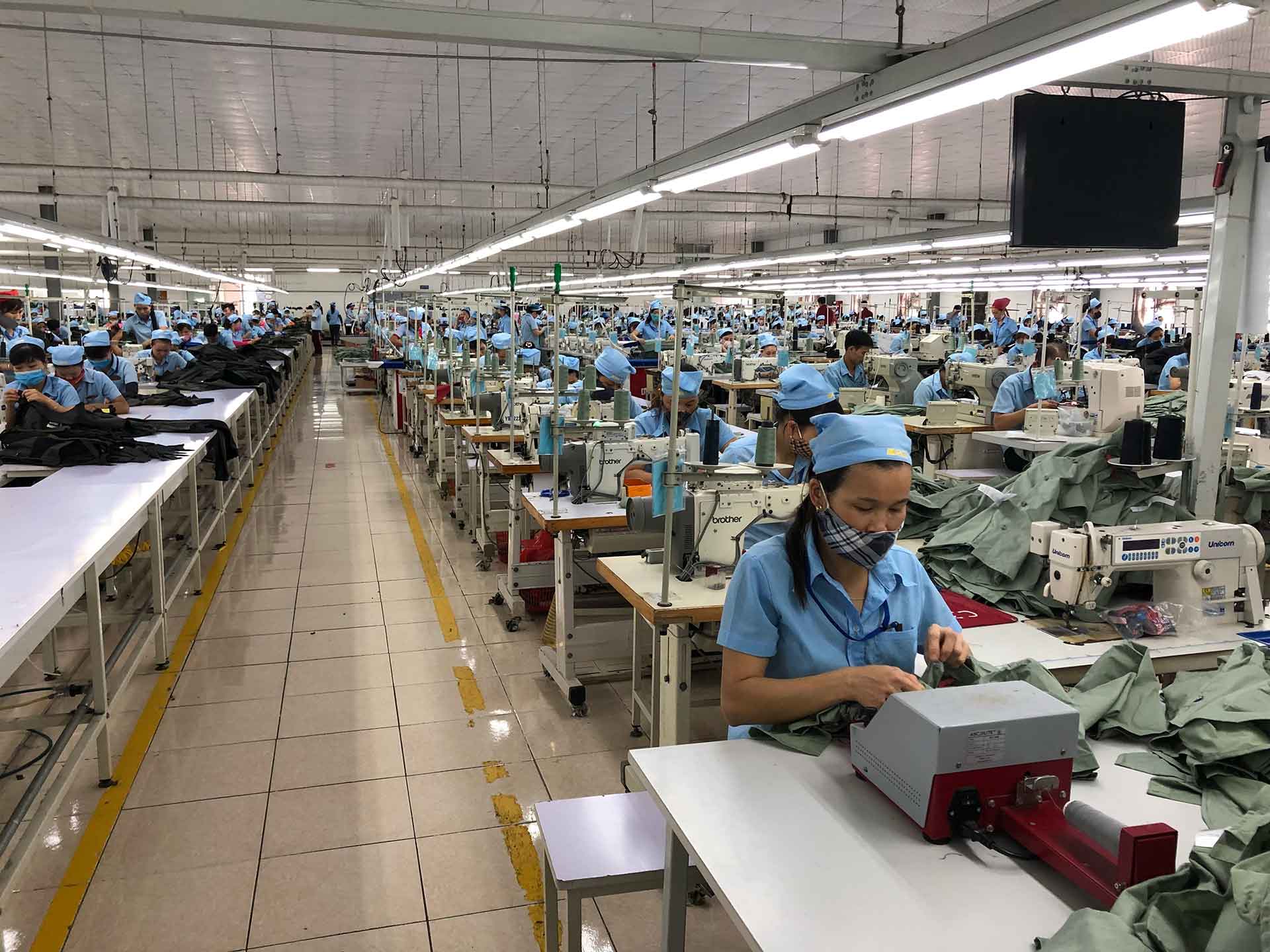
How to Reduce Clothing Manufacturing Insurance Premiums (UK Guide)
Introduction
Clothing manufacturing can look “low risk” from the outside, but insurers see a mix of fire exposure, machinery hazards, manual handling injuries, product liability, stock values, and supply-chain disruption. The good news: premiums are not fixed. If you can prove you run a controlled, well-managed operation, you can often reduce costs at renewal while keeping cover fit for purpose.
This guide explains the levers that typically move the price for UK clothing and textile manufacturers, and what you can do in the 60–120 days before renewal to present your business in the best possible light.
1) Know what drives your premium
Most clothing manufacturers buy a blend of covers, often within a Commercial Combined policy:
- Property (buildings/contents/stock): fire, flood, theft, escape of water
- Business interruption (BI): loss of gross profit after insured damage
- Employers’ liability (EL): injury/illness claims from employees
- Public & products liability (PL/Products): third-party injury or property damage; product defects
- Machinery breakdown (optional): sudden mechanical/electrical failure
- Goods in transit (optional): stock and materials while moving
- Cyber (increasingly relevant): ransomware, invoice fraud, data breaches
Insurers price using your turnover, payroll, claims history, location, construction type, stock values, processes (cutting, sewing, pressing, printing), and your risk management evidence.
2) Start early and treat renewal like a project
Leaving renewal to the last two weeks is one of the most expensive mistakes. Start 3–4 months out:
- Confirm renewal date and any mid-term changes
- Gather updated figures (turnover, wages, stock peaks)
- Review claims and near-misses
- Walk the site and list improvements you can complete before renewal
- Prepare a short “risk presentation” (your broker can help)
Insurers reward preparation because it signals control and reduces uncertainty.
3) Reduce fire risk (the biggest premium lever)
For many clothing manufacturers, fire is the headline exposure because of:
- Combustible stock (fabric, packaging)
- Lint/dust build-up
- Electrical load from machinery and irons/presses
- Hot works during maintenance
Practical actions that can reduce premiums:
- Housekeeping and lint control: documented cleaning schedules; extraction systems where needed.
- Electrical safety: up-to-date EICR (Electrical Installation Condition Report) and PAT testing; fix C1/C2 issues quickly.
- Hot works permit system: permits, fire watch, and contractor controls.
- Storage discipline: keep stock away from heaters, electrical panels, and escape routes; use metal bins for waste.
- Waste management: frequent removal of offcuts and packaging; secure external bins away from the building.
- Fire detection and alarm: serviced system with call points, detectors, and monitoring where appropriate.
- Extinguishers and training: correct types (CO2 for electrics, foam/water where suitable) and staff drills.
- Sprinklers (where feasible): not always possible, but it can be a major rating improvement.
Even if you cannot install sprinklers, showing robust prevention and maintenance can improve terms.
4) Improve security to reduce theft and malicious damage losses
Textiles and branded stock can be attractive to thieves. Insurers look for:
- Physical security: good locks, shutters, secure doors, protected glazing.
- Intruder alarm: maintained, with police response where applicable.
- CCTV: covering entrances, loading bays, and stock areas; clear signage and retention policy.
- Key control: register, restricted access, and leavers process.
- Perimeter and lighting: reduce blind spots.
If you have experienced theft, insurers may impose conditions. Fixing weaknesses and documenting improvements can help you negotiate.
5) Review your sums insured (avoid over-insuring)
Overstated sums insured can quietly inflate premiums year after year.
- Buildings: use a proper rebuild estimate (not market value). Consider a professional valuation.
- Contents and machinery: list key items and replacement costs.
- Stock: insure realistic average and peak values (e.g., pre-Christmas). If peaks are short, ask about seasonal increases.
Be careful: under-insuring can trigger “average” and reduce claims payments. The aim is accuracy, not simply lowering numbers.
6) Tighten your business interruption (BI) cover
BI is often misunderstood and either overpriced or inadequate.
- Check your gross profit calculation and ensure it matches your accounts.
- Choose an appropriate indemnity period (often 12–24 months). If your supply chain is slow, 12 months may be too short.
- Consider increased cost of working (ICOW) and whether it’s set sensibly.
A well-structured BI section can reduce premium waste while protecting cash flow.
7) Reduce employers’ liability exposure with measurable H&S controls
EL claims (manual handling, repetitive strain, slips/trips, machinery injuries) can push premiums up. Actions that insurers like to see:
- Risk assessments (including DSE, manual handling, COSHH where relevant)
- Training records: induction, refresher training, machine-specific training
- Machine guarding and maintenance logs
- Accident/near-miss reporting and corrective actions
- Return-to-work process and occupational health support
- PPE policy where appropriate
If you can show fewer incidents and faster resolution, you become a better risk.
8) Manage product liability and quality control
Even in clothing, product claims happen: faulty zips, flammability issues, dye transfer, allergens from treatments, or injury from components. To reduce risk (and reassure insurers):
- Supplier vetting and written specifications
- Batch/lot traceability for materials
- Quality checks at key stages (incoming, in-process, final)
- Care labelling accuracy and compliance
- Contracts and terms that limit liability where reasonable
- If you supply children’s clothing or specialist PPE, ensure you follow relevant standards and keep evidence.
9) Improve claims performance (frequency matters)
Insurers price heavily on claims frequency, not just size.
- Report incidents promptly and keep good documentation.
- Challenge inflated third-party claims with evidence.
- Fix root causes and show what changed.
- Consider higher excesses for “nuisance” claims if you can absorb small losses.
A clean, well-explained claims narrative can materially improve renewal outcomes.
10) Adjust excesses and policy structure strategically
Premium reductions often come from:
- Higher voluntary excess on property or liability (only if cash flow allows)
- Split limits that reflect real exposure (e.g., different limits for PL vs Products)
- Removing duplicate covers you don’t need
- Ensuring endorsements and conditions are realistic and achievable
Your broker should model options so you can see the trade-offs clearly.
11) Consider risk engineering and insurer surveys
If an insurer offers a site survey or risk engineering visit, treat it as an opportunity.
- Prepare documents (maintenance logs, training, fire risk assessment)
- Walk the site beforehand and correct obvious issues
- Be transparent about processes (e.g., printing, heat presses)
A positive survey report can support better terms and fewer restrictive conditions.
12) Strengthen contracts and supply chain resilience
Business interruption and liability exposures increase when:
- You rely on one key supplier
- You outsource critical steps without oversight
- You have tight delivery penalties
Practical improvements:
- Dual-source key materials where possible
- Written SLAs with subcontractors
- Clear acceptance criteria and inspection on receipt
- Contingency plans for alternative production or storage
Insurers like resilience because it reduces the chance of a long, expensive loss.
13) Keep documentation insurer-ready
Underwriters price uncertainty. Reduce it with a simple pack:
- One-page business overview (what you make, who for, where sold)
- Turnover split by activity (manufacturing vs wholesale vs retail)
- Payroll split (office vs production)
- Five-year claims summary with explanations
- Photos of premises, storage, and key protections
- Copies of EICR, fire alarm service, extinguisher service, and fire risk assessment
This can speed quoting and improve confidence.
14) Work with a broker who understands manufacturing
A specialist broker can:
- Place you with insurers that like light manufacturing/textiles
- Present your risk properly (not as a generic “factory”)
- Negotiate terms, conditions, and pricing
- Help you avoid gaps (especially BI and products)
If you’re only getting one renewal option, you may not be accessing the right market.
Common mistakes that increase premiums
- Late renewals and incomplete proposal forms
- Overstated stock values all year round
- Poor housekeeping and waste build-up
- No evidence of electrical testing or maintenance
- Repeated small claims without corrective action
- Unclear product traceability or supplier controls
Quick 30-day action plan before renewal
- Update turnover, wages, and stock (average and peak).
- Complete a site housekeeping and fire safety audit.
- Book any overdue servicing (alarm, fire alarm, extinguishers).
- Gather EICR/PAT evidence and close out urgent defects.
- Summarise claims and list improvements made.
- Create a short risk presentation with photos.
- Ask your broker to approach the market early.
Conclusion
Reducing clothing manufacturing insurance premiums is less about “shopping around” and more about proving control: strong fire prevention, good housekeeping, documented maintenance, sensible sums insured, and a clear story on claims and quality.
If you want, tell me your rough turnover, headcount, main processes (cut/sew/print/embroidery/pressing), and whether you hold large seasonal stock peaks. I can tailor this into a version that matches your exact operation and includes a stronger call-to-action for enquiries.


 My Account