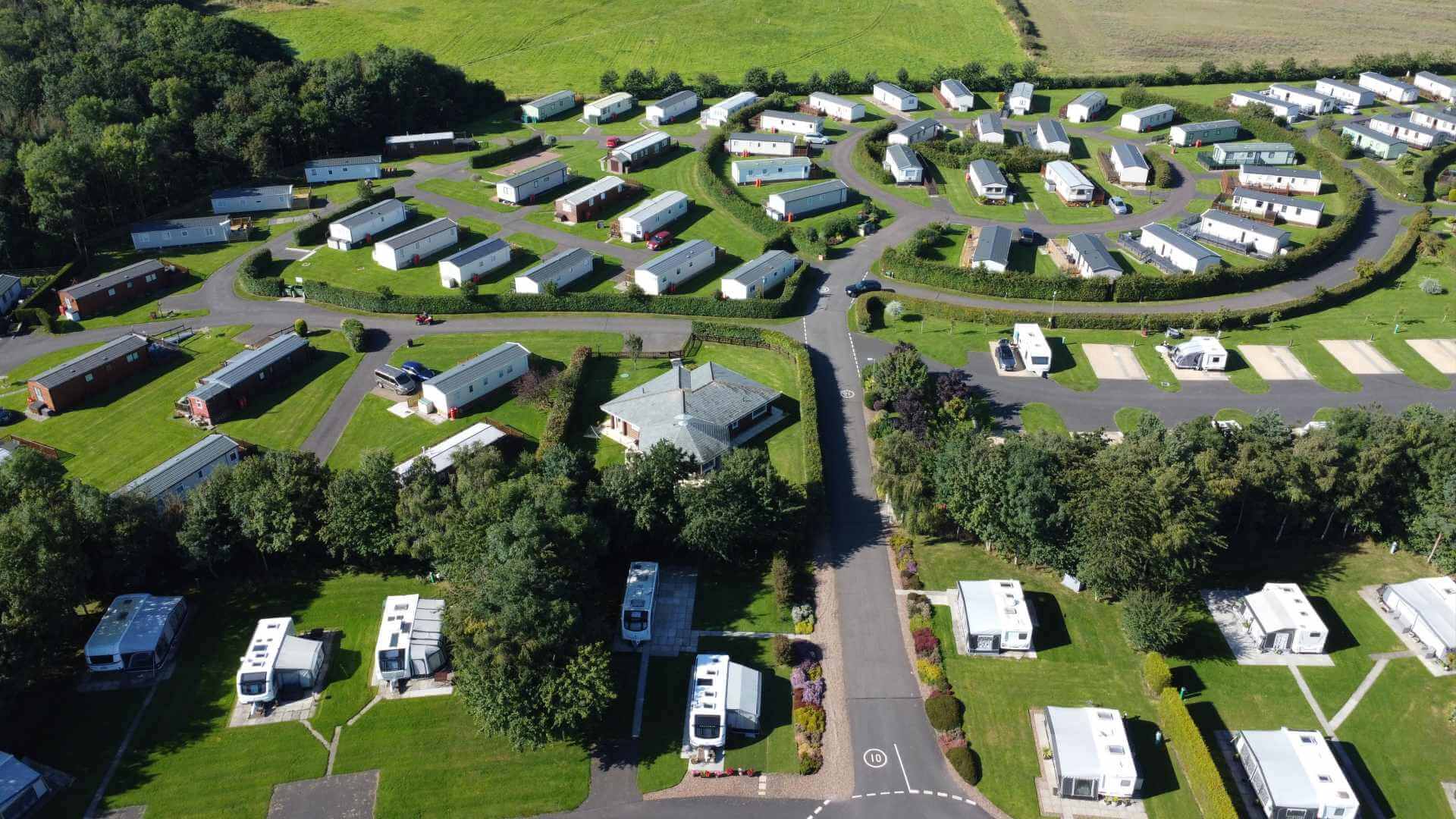
How to Prepare for an Insurance Survey at Your Caravan Park
Introduction: what an insurance survey is (and why it matters)
If you run a caravan park, your insurance is based on one simple question: how likely is it that a claim will happen, and how big could it be? An insurance survey (sometimes called a risk survey, site survey, or insurer inspection) is how insurers answer that question.
Surveys are common for caravan and holiday parks because you’ve got a mix of property, public liability exposure, seasonal occupancy, and higher fire risk than many other businesses. The good news is that surveys are not “gotcha” exercises. They’re usually a chance to confirm what’s on cover, spot any gaps, and agree sensible risk improvements.
This guide walks you through what to expect and how to prepare so the survey goes smoothly and you come across as a well-run, low-risk operation.
Step 1: confirm the scope of the survey
Before you start pulling paperwork together, ask your broker or the insurer what the survey is for. It may be:
-
New business survey (before cover starts)
-
Mid-term survey (after changes or a claim)
-
Renewal survey (to confirm risk controls)
-
Valuation-focused survey (to check sums insured and construction)
Also confirm what areas are included:
-
Park grounds and infrastructure
-
Amenities blocks, reception, shop, bar/restaurant
-
Staff areas and maintenance sheds
-
LPG compounds, fuel storage, plant rooms
-
Leisure facilities (pool, play areas, gyms)
-
Any owner-occupied or staff accommodation
Knowing the scope helps you prepare the right people and documents.
Step 2: appoint one point of contact (and plan the route)
Surveys go best when the surveyor has a clear guide.
Pick a single point of contact who:
-
Knows the site layout and key risks
-
Can access locked areas (plant rooms, stores, electrical rooms)
-
Can answer operational questions (seasonality, occupancy, maintenance)
-
Can provide documents quickly
Plan a simple route that covers:
-
Reception/admin
-
Main park roads and pitch areas
-
Utility areas (electric, water, drainage)
-
LPG and any fuel storage
-
Amenities blocks
-
Leisure/play areas
-
Workshops and storage
-
Waste and recycling
If you have a large site, consider a site map with a marked route.
Step 3: get your key documents ready (the “surveyor pack”)
A neat document pack makes you look organised and reduces follow-up questions. Aim to have printed copies available and a digital folder you can email.
Core insurance and property information
-
Current insurance schedule and statement of fact
-
Claims history (last 3–5 years if available)
-
Site plan/map showing pitches, buildings, access roads, hydrants, and water sources
-
Construction details for main buildings (walls/roof type, age, any cladding)
-
Any recent refurbishments or changes in use
-
Sums insured and basis of valuation (rebuild cost vs market value)
Fire and life safety
-
Fire risk assessment (and review date)
-
Fire alarm test logs and maintenance certificates
-
Emergency lighting test logs
-
Fire extinguisher service records
-
PAT testing records (where applicable)
-
Electrical installation condition report (EICR)
-
Gas safety certificates (if you have fixed gas installations)
-
Staff fire training records and drill logs
Health & safety and public liability
-
Health & safety policy (where required) and risk assessments
-
Accident/incident book summary (trends and actions)
-
Playground inspection logs (if you have play equipment)
-
Pool plant room checks and water testing logs (if you have a pool)
-
Legionella risk assessment and monitoring records
-
Contractor management process (permits, RAMS, induction)
Security and crime prevention
-
Keyholder list and out-of-hours procedures
-
CCTV overview (coverage, retention period)
-
Intruder alarm details (monitoring, maintenance)
-
Locking and access control procedures
-
Cash handling procedures (if you have a shop/bar)
Business continuity and severe weather
-
Storm/flood plan and trigger points
-
Tree management plan and inspection records
-
Drainage maintenance records
-
Snow/ice gritting plan and logs (seasonal)
Don’t worry if you don’t have every single item perfectly packaged. The goal is to show you’ve thought about risk and you manage it consistently.
Step 4: do a “pre-survey walkaround” using the same lens as the insurer
A surveyor is typically looking for:
-
Likelihood of loss (how easily something could go wrong)
-
Severity (how big the loss could be)
-
Controls (what you do to prevent, detect, and respond)
Do a walkaround 1–2 weeks before the visit and again the day before. Use a simple checklist and take photos of anything you fix.
Common red flags to address early
-
Poor housekeeping in stores/workshops (combustibles near heat sources)
-
Blocked fire exits or unclear signage
-
Damaged electrical sockets, trailing leads, overloaded extensions
-
LPG cylinders stored incorrectly or unsecured
-
Waste areas too close to buildings
-
Uncontrolled bonfires or guest fire pits without rules
-
Unmaintained trees over pitches or roads
-
Poor lighting on walkways and steps
-
Loose paving, trip hazards, broken handrails
-
Inadequate speed control on internal roads
Fixing obvious issues before the survey can make a real difference to the outcome.
Step 5: focus on the big risk areas insurers care about
Caravan parks have a few risk themes that come up again and again.
1) Fire safety across pitches and park buildings
Fire is a major concern because caravans can ignite and spread quickly, and the park layout can influence how far a fire travels.
What to prepare:
-
Pitch spacing and separation: be ready to explain your spacing policy and how you manage encroachment (awnings, decking, storage boxes).
-
Rules for BBQs, fire pits, and open flames: have written guest rules and signage.
-
Electrical hook-up safety: show inspection/maintenance routines for hook-up points and distribution boards.
-
LPG safety: demonstrate secure storage, separation distances, and clear “no smoking” signage.
-
Amenities blocks: show fire doors, alarms, emergency lighting, and housekeeping.
Quick wins before the survey:
-
Replace missing extinguisher signs.
-
Ensure fire exits open easily and are not obstructed.
-
Remove waste and combustibles from plant rooms.
-
Check that fire assembly points are signed and practical.
2) Electrical safety and infrastructure
Electrical faults are a common cause of fires and injuries.
What surveyors often ask:
-
When was the last EICR for key buildings?
-
How do you inspect and maintain pitch hook-up points?
-
Do you have a process for reporting damaged sockets or pedestals?
-
Are temporary electrics used for events, and how are they controlled?
Practical preparation:
-
Have a simple log for hook-up inspections.
-
Label distribution boards clearly.
-
Keep plant rooms locked and tidy.
3) Water safety, drainage, and legionella
If you have showers, wash blocks, pools, hot tubs, or any stored water systems, insurers will want to see you’re managing water hygiene.
Have ready:
-
Legionella risk assessment
-
Temperature monitoring logs (where applicable)
-
Showerhead cleaning/descaling schedule
-
Any pool testing logs and contractor certificates
If you’ve had issues with flooding or standing water, show what you’ve done: improved drainage, cleared gullies, added pumps, or changed landscaping.
4) Public liability: slips, trips, and guest safety
Caravan parks are public-facing environments with children, uneven ground, and seasonal staffing.
Surveyors may look at:
-
Walkway lighting and handrails
-
Steps, ramps, and accessibility
-
Playground condition and inspections
-
Speed limits, signage, and traffic separation
-
Event safety (live music, fairs, temporary structures)
Preparation tips:
-
Do a “guest journey” walk: reception to pitches, to amenities, to play areas.
-
Fix small defects now (loose slabs, broken signage).
-
Make sure incident reporting is consistent.
5) Storm, flood, and tree risk
UK weather can be brutal on parks: wind damage, falling trees, flooding, and erosion.
What to show:
-
Tree inspection and maintenance records (or contractor reports)
-
Drainage maintenance schedule
-
Flood history and any resilience measures
-
Procedures for closing areas during high winds
Even a basic written plan helps: who decides to close, how you communicate with guests, and how you cordon off unsafe areas.
6) Security, theft, and malicious damage
Parks can be targets for theft (tools, plant, shop stock) and occasional malicious damage.
Surveyors may ask:
-
Are gates locked out of hours?
-
Is CCTV in place and maintained?
-
How do you secure workshops and stores?
-
How do you manage keys and access?
Quick wins:
-
Ensure external doors and shutters are in good repair.
-
Keep high-value items out of sight.
-
Confirm CCTV signage is visible.
Step 6: check your sums insured and valuations (avoid underinsurance)
A survey may include a rebuild-cost sense check. Underinsurance can reduce claim payments.
Before the survey:
-
Confirm your buildings sum insured reflects rebuild cost (materials, labour, professional fees, debris removal).
-
Confirm contents and stock sums insured (shop, bar, maintenance stores).
-
Review business interruption: is the indemnity period realistic for a major loss?
If you’re unsure, ask your broker about a professional rebuild valuation. It’s often cheaper than a nasty surprise at claim time.
Step 7: prepare your staff (and your answers)
Surveyors will ask practical questions. Brief your team so answers are consistent.
Common questions include:
-
What’s your peak season occupancy?
-
Do you allow seasonal pitches, touring, or both?
-
Any subletting or third-party operators on site?
-
Any high-risk activities (events, water sports, climbing walls)?
-
How are contractors controlled?
-
What’s your process after an incident?
You don’t need perfect answers. You need honest, clear answers that show you manage risk.
Step 8: tidy up the “back of house” areas
Front-of-house might look great, but surveyors also focus on:
-
Maintenance sheds and workshops
-
Chemical storage (pool chemicals, cleaning products, fuels)
-
Waste and recycling areas
-
Plant rooms and electrical rooms
Checklist:
-
Store chemicals in original containers with labels.
-
Separate incompatible chemicals (especially pool chemicals).
-
Keep spill kits available where needed.
-
Keep waste bins away from buildings where practical.
-
Lock plant rooms and restrict access.
Step 9: be ready to show evidence, not just intentions
A common reason surveys lead to “risk improvements” is that controls are informal.
Instead of saying:
Show:
Instead of:
Show:
You don’t need a complicated system. You need repeatable habits and a paper trail.
Step 10: handle issues the right way during the survey
If the surveyor points out a problem:
If you can fix something immediately (e.g., move combustibles, clear an exit), do it. It demonstrates good management.
After the survey: what happens next
Typically, you’ll receive a written report with:
-
Observations (what they saw)
-
Risk grading (varies by insurer)
-
Required actions (“risk improvements”)
-
Recommended actions (good practice)
How to respond
-
Create an action list with owners and dates.
-
Send evidence as you complete items (photos, invoices, certificates).
-
Keep the broker in the loop so they can negotiate timescales if needed.
If a requirement is unrealistic, don’t ignore it. Ask your broker to discuss alternatives with the insurer.
A simple pre-survey checklist (printable)
-
Site map ready and route planned
-
Fire risk assessment up to date
-
Fire alarm, emergency lighting, extinguishers serviced and logs available
-
EICR available; hook-up inspection routine documented
-
LPG storage secure, signed, and separated
-
Waste areas tidy and positioned safely
-
Walkways lit; trip hazards repaired
-
Playground/pool checks documented (if applicable)
-
Tree and drainage maintenance records available
-
Contractor control process documented
-
Security measures working (locks, alarms, CCTV)
-
Sums insured and BI indemnity period reviewed
Final thoughts
An insurance survey is your opportunity to show that your caravan park is well-managed, safety-conscious, and resilient. Most improvements are straightforward: better housekeeping, clearer documentation, and a few targeted fixes to reduce fire and liability risk.
If you want a second pair of eyes before the visit, your broker can often help you run through the likely survey focus areas and make sure your insurance presentation matches the reality on site.
Call to action
If you run a UK caravan or holiday park and want insurance that reflects how you actually operate, we can help. Speak to a specialist broker about buildings, public liability, business interruption, and the practical risk controls insurers expect.
Call 0330 127 2333 or request a quote online at insure24.co.uk.


 My Account