

 My Account

Hot Works Risks (Welding, Cutting & Grinding) – Insurance Guide
Introduction: why “hot works” matter
“Hot works” is a catch-all term for tasks that create heat, sparks or open flames. The most common examples are weldi…
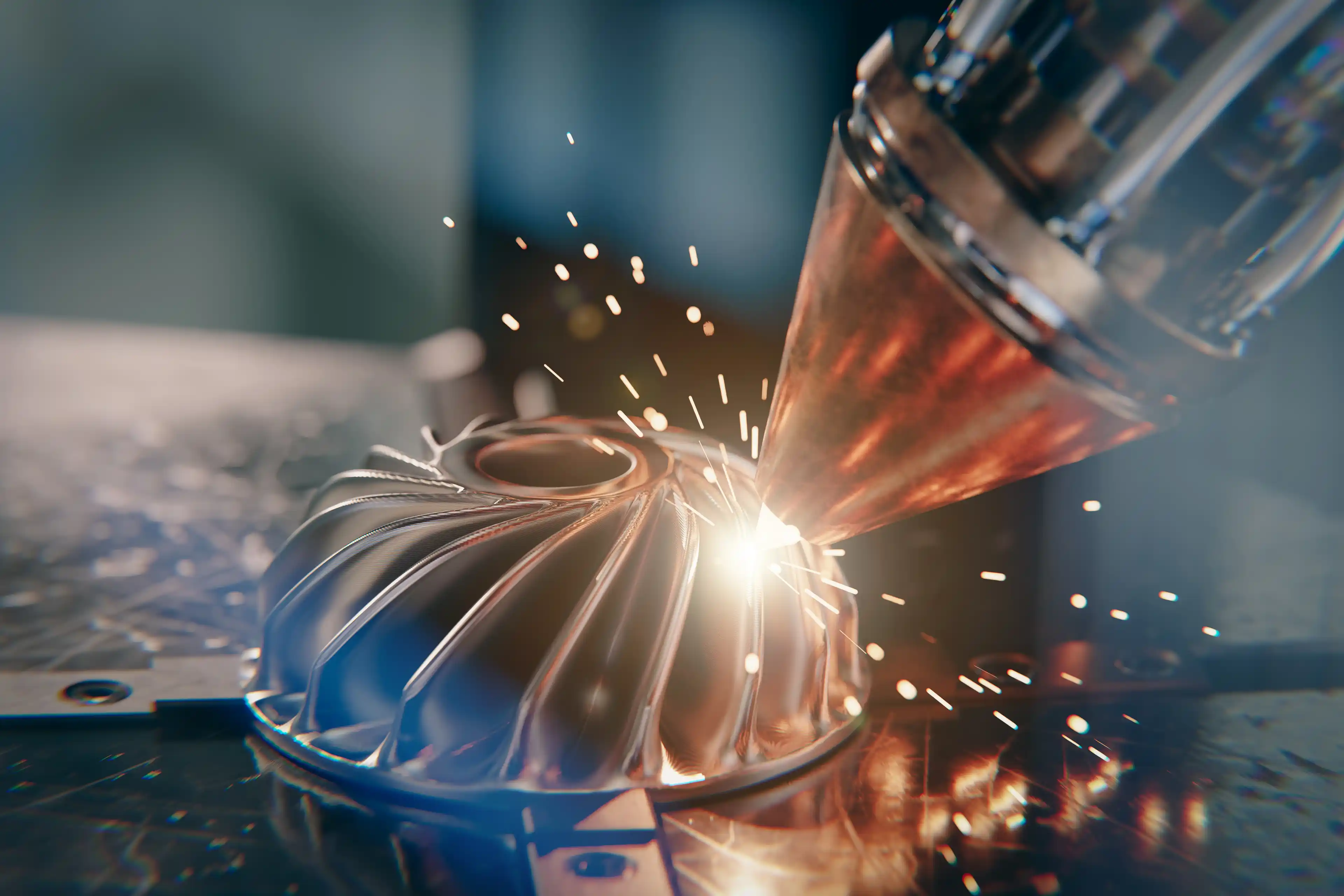
“Hot works” is a catch-all term for tasks that create heat, sparks or open flames. The most common examples are welding, flame cutting, soldering, brazing, grinding and the use of blow torches.
Hot works are routine in construction, manufacturing, facilities maintenance, vehicle repair, engineering workshops and even office fit-outs. But they are also one of the most common sources of serious fires, smoke damage and business interruption.
The issue is rarely the welding itself. The problem is what the heat and sparks reach: hidden voids, combustible dust, insulation, packaging, stored stock, paint fumes, bitumen roofs, timber frames, or a single overlooked aerosol can.
This guide explains the main hot works risks, the controls insurers and risk assessors expect to see, and the types of insurance that can protect your business if something goes wrong.
Hot works typically include:
Even “cold work” can become hot work if it creates friction, sparks or heat in the wrong environment.
Hot works incidents tend to fall into a few predictable patterns.
Grinding sparks can travel several metres. Molten metal can drop through gaps and land on combustible materials below. Common ignition points include:
A major reason hot works fires become large losses is delayed ignition. A spark can lodge in a void or insulation and smoulder for 30–120 minutes before flames appear.
That is why “fire watch” is so important. Many serious claims start after the contractor has left site.
Hot works can ignite flammable vapours or dust clouds. Higher-risk situations include:
A small fire can still be a big loss if it affects:
Even without direct flame damage, smoke and corrosive residues can make equipment unreliable.
Hot works can cause:
If a third party is injured or their property is damaged, your business may face a public liability claim.
Hot works risks show up across many UK sectors:
If you use contractors, you still have exposure. A contractor’s actions can trigger your property claim, your business interruption loss, and potentially a liability dispute.
Insurers don’t expect perfection, but they do expect a sensible, documented approach. Strong controls can also help you negotiate better terms.
A hot works permit is a formal checklist and authorisation process used before work starts. A good permit-to-work system typically covers:
Permits are especially important for non-routine work (e.g., a one-off repair in a warehouse) and for work outside a dedicated workshop.
Before hot works begin:
A simple rule many risk assessors use: if you can’t clear it, you must protect it.
Practical steps include:
If sprinklers are installed, isolations should be tightly controlled and recorded.
For welding and cutting:
Poor cylinder control is a common red flag for insurers.
Because of delayed ignition risk:
The right duration depends on the environment. If you’re working near insulation, timber, voids or roofs, longer monitoring is sensible.
If you hire contractors:
A common failure point is “everyone assumed someone else was watching.”
From an insurance perspective, documentation matters because it shows the risk was managed, not ignored.
Key documents often include:
If a claim is disputed, these records can be important evidence.
Insurance won’t stop a fire, but it can be the difference between a disruption and a business-ending loss. The right mix depends on your activities, premises, and whether you use contractors.
Property insurance can cover damage to:
Hot works losses often involve smoke and water damage, not just fire. Make sure sums insured reflect replacement cost, not historic cost.
If you lease premises, check the lease to understand who insures what.
Business interruption (BI) covers loss of gross profit and ongoing costs after insured damage.
Hot works claims frequently lead to:
Key BI points to review:
Underinsuring BI is a common issue, especially for growing businesses.
Public liability (PL) can cover claims if your business causes injury or property damage to third parties.
Examples:
If you work away from your own premises, make sure the policy covers off-site work and the types of locations you attend.
If you employ staff (including labour-only subcontractors in many cases), employers’ liability (EL) is a legal requirement in the UK.
Hot works injuries can be severe and long-term. EL can cover compensation and legal costs if an employee is injured due to work.
For construction and refurbishment:
Hot works on a refurbishment project can damage partially completed work, materials on site, and existing structures.
If your business provides design, specification, inspection or project management, professional indemnity (PI) may be relevant.
Example: specifying a hot works method, fire stopping detail, or safety process that later proves inadequate.
If you rely on critical plant (compressors, boilers, pressure systems), engineering insurance can cover sudden breakdown and may include inspection services.
While not “hot works insurance” as such, it can be relevant if a hot works incident damages equipment or if you need specialist support to restart operations.
Hot works is an area where insurers may apply conditions, endorsements or warranties. Common examples include:
If these conditions are not followed, claims can become complicated. The best approach is to:
If you’re unsure, ask your broker to explain the practical meaning of any hot works clauses.
Use this as a quick starting point:
It depends on the tool and environment, but sparks can travel several metres and can bounce or roll into corners and voids. Treat adjacent areas as part of the risk zone, not just the immediate workbench.
If hot works are routine in a dedicated, controlled workshop with non-combustible surfaces and strong housekeeping, a formal permit may be less critical. But for any non-routine work, work outside the workshop, or work in higher-risk areas, a permit-to-work process is strongly recommended.
There is no single number that fits every site. Many businesses use at least 60 minutes as a baseline, with longer periods where there are voids, combustible insulation, timber structures or roofing materials. The key is to assess the environment and document what you did.
You may still face disruption, property damage and potential liability issues even if a contractor caused the incident. Contractor management, site rules and clear permit-to-work responsibilities are essential.
Often yes, but it depends on your policy terms, conditions and whether required controls were followed. This is why it’s important to understand any hot works clauses and keep records.
Hot works are a fact of life in many industries, but the biggest losses are usually preventable. A simple combination of planning, housekeeping, permits, fire watch and contractor control can dramatically reduce the chance of a serious incident.
From an insurance perspective, make sure your property and business interruption covers reflect the true cost of a disruption, and that your liability covers match where and how you work.
If you’d like, tell me your sector (e.g., motor trade, construction, manufacturing) and whether you do hot works on-site or at client premises, and I can tailor this guide into a sector-specific version with tighter keywords and a stronger call to action for Insure24.
“Hot works” is a catch-all term for tasks that create heat, sparks or open flames. The most common examples are weldi…
Metal and engineering manufacturers keep the UK moving — from precision components and fabrication to machining, welding and assembly. But the same processes that c…