Glass Components Manufacturing Insurance: Comprehensive Protection for Windscreens, Side Windows, and Mirrors
The automotive glass manufacturing sector represents a critical component of the vehicle production supply chain, with manufacturers producing windscreens, side windows, and mirrors for original equipment manufacturers and the aftermarket. This specialized industry faces unique risks that demand tailored insurance protection. From high-temperature furnaces and precision cutting equipment to product liability concerns and supply chain vulnerabilities, glass components manufacturers require comprehensive coverage that addresses both traditional manufacturing risks and sector-specific challenges.
Understanding the Glass Components Manufacturing Industry
Glass components manufacturing encompasses the production of safety glass products for automotive applications. Windscreens typically consist of laminated glass with a plastic interlayer that prevents shattering, while side and rear windows often use tempered glass that breaks into small, less dangerous pieces. Mirror manufacturing involves glass substrates with reflective coatings and backing materials. The manufacturing process includes raw material handling, melting and forming, cutting and shaping, tempering or laminating, quality control, and packaging for distribution.
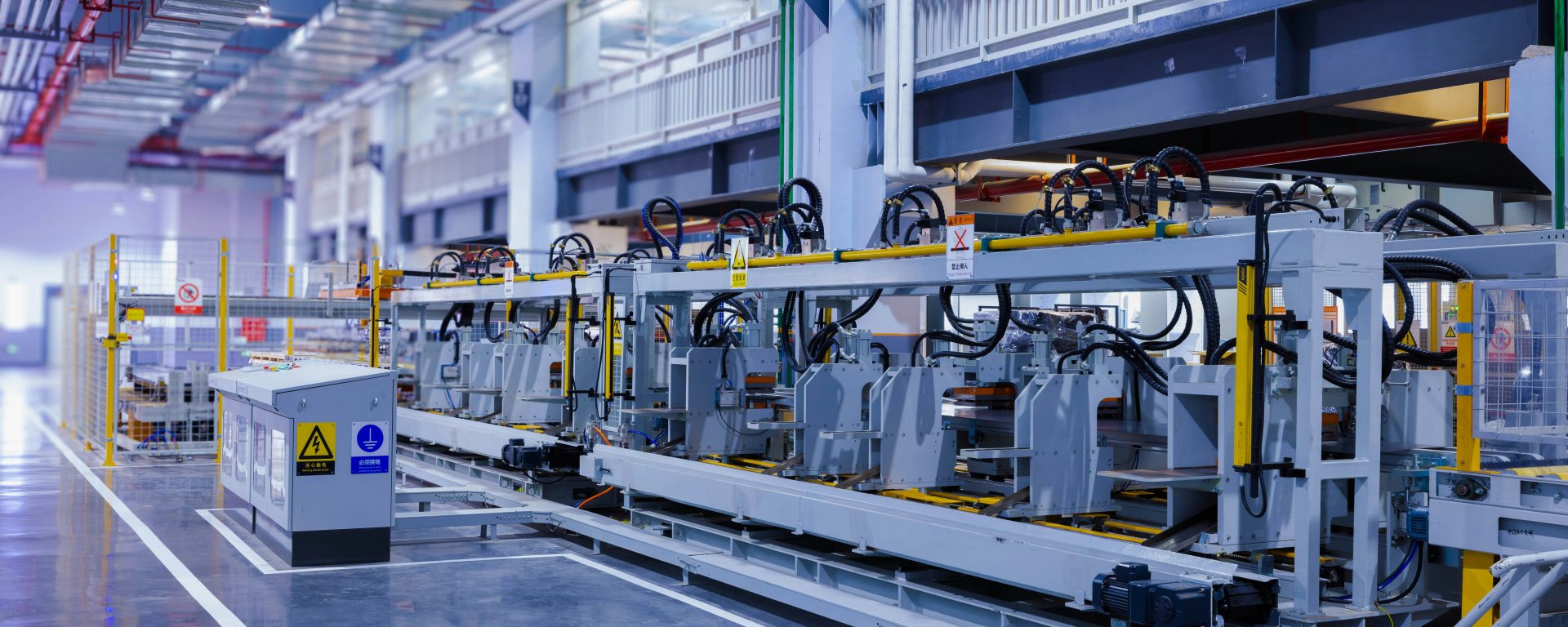
Modern automotive glass manufacturing facilities operate sophisticated production lines with automated cutting systems, high-temperature furnaces reaching temperatures above 600 degrees Celsius, chemical treatment stations, and precision assembly equipment. Many manufacturers have expanded into advanced products including heated windscreens, acoustic glass, heads-up display compatible glass, and smart glass with integrated electronics. This technological advancement increases both the value of products and the complexity of risks facing manufacturers.
Key Insurance Coverage for Glass Components Manufacturers
Property and Material Damage Insurance
Property insurance forms the foundation of protection for glass manufacturing facilities. Manufacturing plants contain substantial investments in specialized equipment including float glass lines, tempering furnaces, lamination presses, CNC cutting machines, coating application systems, and automated handling equipment. A comprehensive property policy should cover the building structure, manufacturing equipment, raw materials inventory, work in progress, finished goods stock, and office equipment and furniture.
Glass manufacturing facilities face particular property risks including furnace failures that can cause production shutdowns lasting weeks, fire risks from high-temperature processes and flammable materials, water damage from cooling systems and sprinkler activation, and equipment breakdown affecting precision machinery. Property coverage should include replacement cost valuation rather than actual cash value to ensure full replacement of damaged equipment without depreciation deductions. Many manufacturers require coverage limits exceeding several million pounds given the capital-intensive nature of production facilities.
Business Interruption Insurance
Business interruption coverage provides essential protection against income loss following property damage events. Glass manufacturing operates on relatively thin margins with high fixed costs, making revenue interruption particularly damaging. A comprehensive business interruption policy should cover lost profits during the shutdown period, continuing fixed expenses including rent, utilities, and salaries, additional expenses to minimize the interruption period, and extended periods of indemnity reflecting realistic recovery timeframes.
Glass manufacturers should consider extended business interruption coverage that accounts for the time required to source and install replacement equipment, particularly for specialized furnaces and production lines that may have lead times of several months. Contingent business interruption coverage protects against losses when key suppliers or major customers experience interruptions that affect your operations. Given the concentration of customers in the automotive sector, this coverage addresses supply chain vulnerabilities that could impact revenue even without direct damage to your facility.
Product Liability Insurance
Product liability represents one of the most significant insurance considerations for glass components manufacturers. Defective windscreens or windows can contribute to serious accidents, potentially resulting in substantial injury claims. Product liability insurance covers legal defense costs, settlement payments or court-awarded damages, recall expenses for defective products, and reputational damage mitigation costs.
Glass manufacturing product liability risks include windscreen failures causing visibility impairment, improper tempering leading to unexpected breakage, lamination defects reducing impact protection, coating failures affecting driver vision, and installation defects when manufacturers provide fitting services. Coverage limits for product liability typically range from £2 million to £10 million or higher for manufacturers supplying major automotive manufacturers. Many automotive industry contracts require specific minimum coverage levels, often £5 million or more, as a condition of supply agreements.
Employers Liability Insurance
Employers liability insurance is legally required in the UK for businesses with employees, providing coverage for employee injury or illness claims arising from workplace activities. Glass manufacturing presents numerous workplace hazards including cuts from glass handling and breakage, burns from high-temperature furnaces and molten glass, repetitive strain injuries from assembly work, chemical exposure from coating and cleaning processes, and machinery accidents involving cutting and handling equipment.
The minimum legal requirement is £5 million of employers liability coverage, though many manufacturers carry £10 million limits given the potential severity of manufacturing injuries. Comprehensive health and safety programs, proper training protocols, and documented safety procedures not only reduce injury risks but also demonstrate due diligence that can favorably impact insurance premiums and claims outcomes.
Public Liability Insurance
Public liability insurance protects against claims from third parties for injury or property damage occurring on your premises or resulting from your business activities. For glass manufacturers, public liability risks include visitor injuries from slips, trips, or falls on premises, delivery driver accidents during loading or unloading, damage to customer property during delivery or installation, and injuries to contractors working at your facility.
Standard public liability coverage typically provides £2 million to £5 million limits, though manufacturers with significant visitor traffic or installation operations may require higher limits. The policy should cover legal defense costs, compensation payments for injuries or property damage, and medical expenses for injured parties. Many commercial property leases and customer contracts specify minimum public liability coverage as a requirement for doing business.
Professional Indemnity Insurance
Professional indemnity insurance may be necessary for glass manufacturers providing design, engineering, or consulting services alongside manufacturing. This coverage protects against claims alleging negligent advice, design errors, or professional mistakes that cause financial loss to clients. For manufacturers developing custom glass solutions or providing technical specifications, professional indemnity addresses risks including design defects causing product failures, incorrect specifications leading to manufacturing problems, and advice regarding glass selection or application that proves inadequate.
Professional indemnity policies typically provide coverage from £1 million to £5 million depending on the scope of advisory services provided. The coverage operates on a claims-made basis, meaning it covers claims made during the policy period regardless of when the alleged error occurred, provided you had coverage at the time of the incident.
Cyber Insurance
Modern glass manufacturing increasingly relies on digital systems for production control, inventory management, customer relationship management, and supply chain coordination. Cyber insurance addresses risks including ransomware attacks disrupting production systems, data breaches exposing customer information, business email compromise leading to fraudulent payments, and system failures affecting order processing and delivery scheduling.
Comprehensive cyber coverage should include business interruption losses from cyber events, data breach response costs including notification and credit monitoring, legal expenses and regulatory fines, cyber extortion payments, and system restoration costs. For manufacturers with annual revenues exceeding £5 million, cyber insurance coverage of £1 million to £3 million provides appropriate protection against increasingly sophisticated cyber threats.
Sector-Specific Risks in Glass Manufacturing
High-Temperature Process Risks
Glass manufacturing requires furnaces operating at extreme temperatures, creating significant fire and explosion risks. Furnace malfunctions can cause catastrophic damage extending beyond the immediate equipment to affect entire production areas. Insurance considerations should address furnace breakdown coverage, fire suppression system requirements, emergency shutdown procedures, and business interruption from extended furnace repairs.
Quality Control and Defect Risks
Automotive glass must meet stringent safety and quality standards. Manufacturing defects can result in costly recalls, contract penalties, and reputational damage. Manufacturers should ensure their insurance addresses recall expense coverage, testing and inspection costs, rework and scrap expenses, and customer compensation for defective products. Documented quality control procedures and testing protocols demonstrate risk management commitment that can favorably influence insurance terms.
Supply Chain Vulnerabilities
Glass manufacturing depends on specialized raw materials including silica sand, soda ash, limestone, and various coating chemicals. Supply disruptions can halt production even without direct damage to your facility. Contingent business interruption coverage and supply chain insurance protect against losses when supplier failures affect your operations. Manufacturers should identify critical suppliers and ensure adequate coverage for potential supply chain interruptions.
Environmental and Regulatory Compliance
Glass manufacturing involves chemical processes and waste streams subject to environmental regulations. Environmental liability insurance covers pollution cleanup costs, regulatory fines and penalties, third-party claims from environmental damage, and legal defense expenses. Coverage should address both sudden pollution events and gradual environmental contamination that may emerge over time.
Factors Affecting Insurance Premiums
Several factors influence insurance costs for glass components manufacturers. Facility size and production capacity directly impact premium calculations, with larger operations typically facing higher absolute premiums but potentially better rates per unit of revenue. The age and condition of equipment affects risk assessment, with modern, well-maintained machinery generally attracting more favorable terms than older equipment.
Claims history significantly impacts premiums, with manufacturers maintaining clean claims records over multiple years earning substantial discounts. Health and safety records, including RIDDOR reportable incidents and lost-time injury rates, influence employers liability pricing. Quality certifications such as ISO 9001 or automotive-specific standards like IATF 16949 demonstrate operational excellence that insurers view favorably.
Risk management measures including fire suppression systems, security measures, maintenance programs, and employee training protocols can reduce premiums by demonstrating proactive risk mitigation. Geographic location affects certain coverages, with facilities in flood-prone areas or high-crime locations facing higher property and theft-related premiums.
Selecting the Right Insurance Provider
Choosing an insurance provider with manufacturing sector experience ensures appropriate coverage and competitive terms. Look for insurers or brokers with demonstrated experience in automotive supply chain businesses, understanding of manufacturing processes and risks, and relationships with underwriters specializing in industrial risks. The provider should offer comprehensive policy reviews addressing all relevant coverage areas, competitive premium quotations from multiple insurers, and claims support with dedicated account management.
Many glass manufacturers benefit from working with specialist insurance brokers who understand the sector's unique requirements and can negotiate favorable terms with insurers. Brokers can access markets that may not be available to businesses approaching insurers directly and provide valuable guidance on coverage adequacy and risk management strategies.
Policy Exclusions and Limitations
Understanding policy exclusions helps avoid coverage gaps that could leave your business exposed. Common exclusions in manufacturing insurance include wear and tear and gradual deterioration of equipment, intentional acts or criminal behavior by employees, contractual liabilities assumed beyond standard business obligations, and pollution events unless specifically covered by environmental liability extensions.
Many policies include sub-limits for specific categories such as theft of stock, computer equipment, or tools that may be lower than overall policy limits. Manufacturers should review these sub-limits to ensure adequate coverage for high-value items. Deductibles or excesses apply to most claims, with manufacturers typically responsible for the first portion of any loss. Higher deductibles generally result in lower premiums but increase out-of-pocket costs when claims occur.
Claims Process and Best Practices
Effective claims management begins with immediate notification to your insurer following any incident that may result in a claim. Most policies require prompt notification, and delays can jeopardize coverage. Document the incident thoroughly with photographs, witness statements, and detailed descriptions of damage or circumstances. Preserve evidence and damaged items until insurers complete their investigation.
For property damage claims, obtain emergency repairs authorization from your insurer before proceeding with work beyond immediate safety measures. Keep detailed records of all expenses related to the incident, including emergency repairs, additional costs, and business interruption losses. Cooperate fully with insurer investigations and loss adjusters, providing requested documentation and access to premises as needed.
Risk Management Strategies
Proactive risk management reduces both the likelihood of incidents and insurance costs. Implement comprehensive maintenance programs for all production equipment, particularly high-risk items like furnaces and cutting machinery. Develop and enforce strict health and safety protocols with regular training for all employees on hazard identification and safe working practices.
Install and maintain appropriate fire detection and suppression systems throughout the facility, with particular attention to high-temperature process areas. Implement quality control procedures at multiple production stages to identify and address defects before products reach customers. Develop business continuity plans addressing various scenarios including equipment failure, supply disruptions, and facility damage.
Regular insurance reviews ensure coverage keeps pace with business growth, equipment additions, and changing risk profiles. Annual policy reviews should assess coverage adequacy, evaluate premium competitiveness, and update asset valuations to reflect current replacement costs. As your business expands or diversifies into new product lines, coverage adjustments may be necessary to maintain appropriate protection.
Regulatory Compliance and Insurance
Glass components manufacturers must comply with various regulatory requirements that intersect with insurance considerations. Health and Safety Executive regulations govern workplace safety, with employers liability insurance providing required protection. Environmental permits may be necessary for manufacturing processes, with environmental liability coverage addressing related risks. Automotive industry standards including IATF 16949 may be required by major customers, with quality failures potentially triggering product liability claims.
Maintaining compliance with applicable regulations not only fulfills legal obligations but also demonstrates operational excellence that insurers recognize with more favorable terms. Documentation of compliance efforts, including inspection reports, training records, and certification maintenance, provides valuable evidence during insurance underwriting and claims processes.
Future Trends Affecting Glass Manufacturing Insurance
Several emerging trends will influence insurance requirements for glass manufacturers in coming years. Advanced driver assistance systems and autonomous vehicles require increasingly sophisticated glass products with integrated sensors and electronics, raising product complexity and potential liability exposures. Sustainability initiatives are driving development of recycled glass content and energy-efficient manufacturing processes, potentially affecting property and environmental liability considerations.
Digital transformation of manufacturing through Industry 4.0 technologies increases cyber risk exposure while potentially improving quality control and risk management capabilities. Supply chain resilience has gained prominence following recent global disruptions, with manufacturers seeking coverage for increasingly complex international supply networks. Insurance products continue evolving to address these emerging risks, making regular policy reviews essential to maintain appropriate coverage.
Conclusion
Insurance protection for glass components manufacturers requires comprehensive coverage addressing property damage, business interruption, product liability, workplace injuries, and emerging cyber risks. The sector's unique characteristics including high-temperature processes, stringent quality requirements, and automotive industry integration create specialized insurance needs that generic policies may not adequately address.
Working with experienced insurance professionals who understand manufacturing risks ensures appropriate coverage at competitive premiums. Regular policy reviews, proactive risk management, and thorough documentation of safety and quality procedures optimize insurance protection while controlling costs. As the automotive glass industry evolves with advancing vehicle technologies and changing market demands, maintaining adequate insurance coverage provides essential financial protection that allows manufacturers to focus on operational excellence and business growth.
For glass components manufacturers seeking tailored insurance solutions, consulting with specialist brokers familiar with automotive supply chain risks ensures comprehensive protection aligned with your specific operational profile and risk exposures. The investment in appropriate insurance coverage provides peace of mind and financial security that supports long-term business success in this demanding and competitive sector.


 My Account