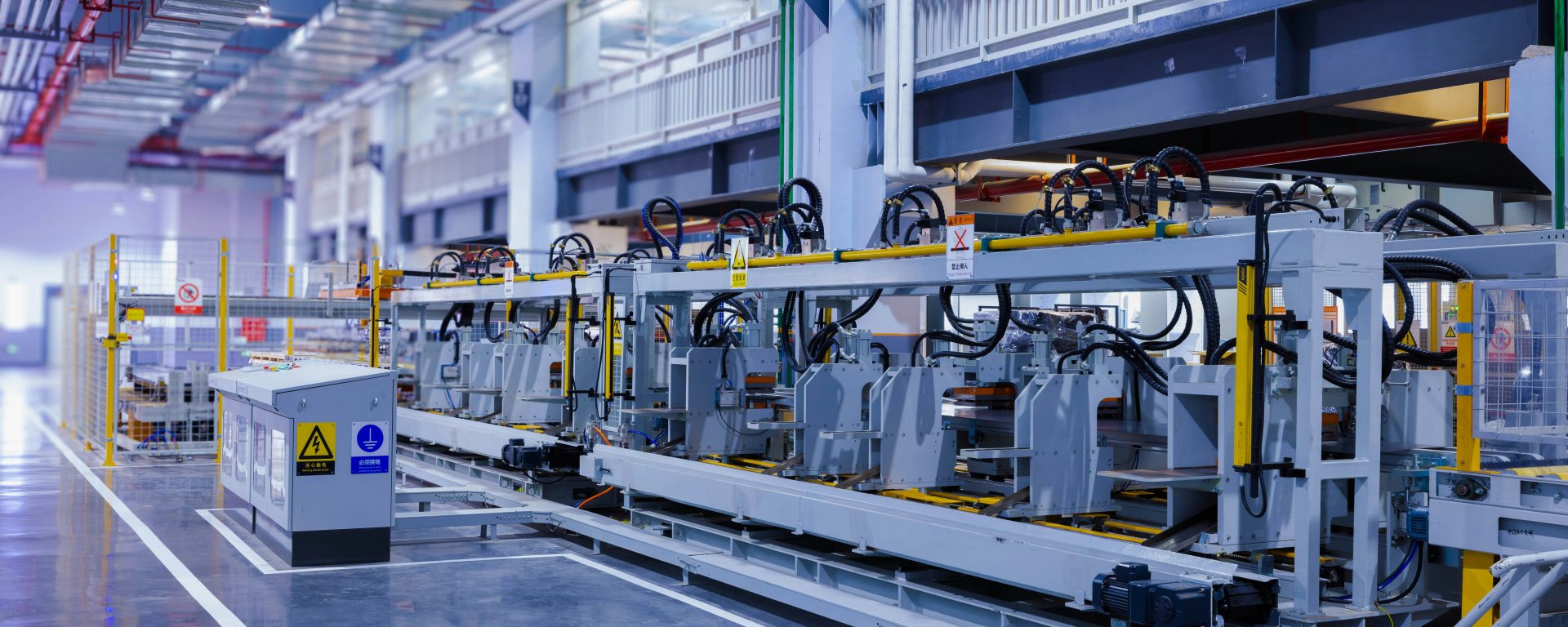
Fuel System Component Factories: Manufacturing Insurance (UK Guide)
Introduction: why fuel system manufacturing needs specialist cover
Fuel system component factories sit in a high-risk sweet spot: precision manufacturing, flammable liquids and vapours, strict quality standards, and customers who expect zero defects. Whether you produce fuel pumps, injectors, rails, filters, tanks, lines, seals, sensors, valves or assemblies for automotive, marine, aerospace, plant or generators, one failure can trigger costly downtime, rejected batches, contractual penalties and reputational damage.
Manufacturing insurance for fuel system component factories is designed to protect your premises, machinery, stock and cashflow, while also addressing the “downstream” risks that are unique to fuel-related parts: product liability, contamination, recall, and the knock-on impact of a defect once your component is installed.
This guide explains the key risks, the covers to prioritise, common exclusions to watch for, and practical steps that can reduce claims and improve your terms.
What counts as a fuel system component factory?
Insurers typically include businesses that manufacture, machine, assemble, test or package components used to store, move, meter or control fuel. That can include:
-
CNC machining of housings, rails, manifolds and fittings
-
Injection moulding of plastic components and tanks
-
Rubber and polymer seals, O-rings and gaskets
-
Filtration media and filter assemblies
-
Precision valves, regulators and pumps
-
Sensors and electronic modules used in fuel delivery
-
Hose and pipe fabrication, crimping and assembly
-
Surface treatments (anodising, plating, coating) as part of production
-
End-of-line testing, pressure testing, flow testing and leak detection
Your risk profile will vary depending on whether you handle fuels on site, the extent of testing, and whether you supply directly to OEMs, Tier 1 suppliers, aftermarket distributors, or export markets.
The biggest risks for fuel system component manufacturers
1) Fire and explosion
Even if you do not store large volumes of fuel, many factories have ignition sources (hot works, ovens, compressors, electrical panels) and flammable materials (solvents, adhesives, cleaning agents, oils, packaging). If you do fuel testing on site, vapour and spill risks increase.
Key loss drivers include:
-
Poor segregation of flammables and inadequate ventilation
-
Dust or mist hazards (depending on processes)
-
Battery charging areas and forklift charging
-
Hot works without permits and fire watch
-
Inadequate maintenance of extraction systems
2) Machinery breakdown and critical equipment failure
Fuel system components rely on tight tolerances. A breakdown on a critical CNC machine, moulding press or test rig can stop production and create a backlog that is expensive to recover.
Common issues:
-
Spindle failures, control system faults and power quality problems
-
Tooling damage and calibration drift n- Failure of compressors, chillers and process cooling
-
Breakdown of pressure test equipment or leak detection systems
3) Product liability and downstream damage
If a component fails in service, the consequences can be severe: vehicle breakdowns, engine damage, fires, environmental contamination, and third-party injury or property damage. Even where your component is only a small part of a larger assembly, claimants may pursue every party in the supply chain.
4) Product recall and rectification costs
Recall is not just an automotive problem. Any safety-critical fuel system part can trigger:
-
Customer notification and logistics
-
Removal, replacement and reinstallation costs
-
Testing and rework
-
Disposal of affected stock
-
Investigation and root-cause analysis
Many standard liability policies do not automatically include recall/rectification cover, so it needs explicit discussion.
5) Contamination and quality escapes
Fuel systems are sensitive to contamination. A small amount of debris, incorrect material specification, or a seal compound mismatch can lead to failures. Quality escapes can be caused by:
-
Supplier material issues (resin batches, metal grade, plating thickness)
-
Inadequate incoming inspection
-
Calibration failures
-
Human error in assembly or labelling
-
Poor change control
6) Business interruption and supply-chain disruption
A fire, flood, power outage, cyber incident or major breakdown can stop production. For factories supplying “just-in-time” customers, delays can trigger contractual penalties and lost contracts.
Business interruption (BI) cover is often the difference between a painful incident and a business-threatening one.
7) Environmental liability
Spills of fuels, oils, solvents or process chemicals can cause pollution of drains, soil or watercourses. Clean-up costs can be significant and may involve regulators.
8) Cyber and operational technology risk
Manufacturing is increasingly connected: CNC controllers, PLCs, ERP/MRP systems, quality systems and remote support. A ransomware event can halt production, corrupt QA records, or disrupt shipping.
Core insurance covers to consider
Most fuel system component factories are best protected with a tailored Commercial Combined or Manufacturing Combined policy. Key sections include:
Buildings and contents (property damage)
Covers physical loss or damage to your premises and contents from insured perils such as fire, storm, flood, escape of water and theft.
Practical tips:
-
Ensure sums insured reflect rebuild costs (not market value)
-
Include tenant’s improvements if you lease
-
Declare high-value stock peaks if seasonal or contract-driven
Stock, materials and work in progress
Manufacturing losses are often concentrated in work in progress (WIP): part-finished assemblies, tooling set-ups, and batches mid-process.
Make sure your policy reflects:
-
Maximum values at risk during peak production
-
Storage conditions (racking, cages, secure compounds)
-
Temperature or humidity controls where relevant
Business interruption (BI)
BI covers loss of gross profit and additional increased cost of working after insured property damage.
For fuel system component factories, pay close attention to:
-
Indemnity period: 12 months is common, but 18–24 months may be appropriate if tooling lead times are long or customers require requalification.
-
Increased cost of working: overtime, outsourcing, temporary premises, expedited shipping.
-
Utilities and service interruption: power, water, gas, telecoms.
Employers’ liability (EL)
Legally required in most UK cases if you employ staff. It covers injury or illness claims from employees.
Manufacturing-specific exposures include:
-
Manual handling and repetitive strain
-
Exposure to fumes, solvents, oils and dust
-
Noise-induced hearing loss
-
Slips, trips, forklift incidents
Public and products liability
Public liability covers third-party injury or property damage arising from your premises/operations. Products liability covers claims arising from products you supply.
For fuel system components, focus on:
-
Adequate limit of indemnity (often £5m–£10m+ depending on customers)
-
Worldwide territory/jurisdiction where you export
-
Contractual liability and “indemnity to principal” clauses
-
Inclusion of design and specification risks if you do any design work
Product recall / rectification (where available)
This can cover the costs of recalling or rectifying defective products, subject to triggers and conditions.
Important: recall cover varies widely. Some policies only respond after bodily injury/property damage has occurred; others can respond to a “reasonable apprehension” of damage. Always check the wording.
Professional indemnity (PI) for design, advice or testing
If you provide design input, specifications, testing services, or sign-off that customers rely on, PI can be relevant alongside products liability.
Machinery breakdown (engineering)
Covers sudden and unforeseen breakdown of plant and machinery, often including:
-
CNC machines, presses, moulding equipment
-
Air compressors and dryers
-
Boilers and pressure systems
-
Refrigeration/chillers
-
Electrical panels and drives
You can often add:
Goods in transit
Covers your products and materials while being transported.
Consider:
-
Own vehicles vs courier networks
-
High-value shipments and export
-
Packaging standards and shock/vibration protection
Tooling, patterns and moulds
Tooling can be one of the largest hidden exposures. If a mould or pattern is damaged, lead times and requalification can be brutal.
Make sure you cover:
Cyber insurance
Cyber cover can help with:
-
Ransomware response and business interruption
-
Data restoration
-
Liability from data breaches
-
Incident response and legal support
For factories, ask specifically about operational downtime and whether BI triggers require “physical damage” (some cyber wordings do not).
Environmental / pollution liability
Standard liability policies often have limited pollution cover. If you store fuels/chemicals or have meaningful spill exposure, consider a dedicated environmental policy.
Common exclusions and problem areas to watch
Insurance is all about the detail. For fuel system component factories, keep an eye on:
-
Heat work / hot works conditions: failure to follow permit systems can prejudice claims.
-
Flammables storage requirements: bunding, cabinets, quantities and segregation.
-
Wear and tear: machinery breakdown requires sudden failure, not gradual deterioration.
-
Defective workmanship: many policies exclude the cost of redoing your own work; you insure the consequences, not the poor work itself.
-
Recall and rectification: often excluded unless added.
-
Contractual penalties: BI covers loss of gross profit, but liquidated damages and penalties may be excluded.
-
Known defects and prior circumstances: especially relevant for liability and PI.
-
Territory/jurisdiction: exporting to the US/Canada can materially change the risk.
What insurers will ask (and how to prepare)
Underwriters typically want a clear picture of your processes and controls. Expect questions on:
-
Products manufactured, end use, and whether parts are safety-critical
-
Customers (OEM/Tier 1/aftermarket) and contract requirements
-
Turnover split by product type and territory
-
Any design responsibility or testing services
-
Quality systems (e.g., ISO 9001, IATF 16949), traceability, batch control
-
Testing regimes (pressure, flow, leak, endurance)
-
Materials used and supplier vetting
-
Fire protection: alarms, sprinklers, extinguishers, hot works permits
-
Storage of flammables, bunding and spill response
-
Maintenance schedules and critical spares
-
Cyber controls: backups, MFA, patching, network segmentation
-
Claims history and near-miss reporting
The more you can evidence, the more likely you are to secure broader cover and better pricing.
Risk management steps that can reduce premiums
Insurers love practical controls that reduce frequency and severity of claims. Strong measures include:
Fire and explosion controls
-
Formal hot works permit system with fire watch
-
Segregated flammables storage, correct cabinets and bunding
-
Good housekeeping and waste management
-
PAT testing, electrical inspections and thermal imaging for panels
-
Sprinklers or enhanced detection where appropriate
Quality and traceability
-
Documented inspection plans and calibration schedules
-
Batch/lot traceability from raw material to finished goods
-
Controlled change management (materials, suppliers, tooling)
-
Clear quarantine process for non-conforming product
Supplier and subcontractor management
-
Approved supplier lists and periodic audits
-
Clear specifications and incoming inspection
-
Contracts that define responsibility for defects and rework
Machinery resilience
-
Planned preventative maintenance
-
Critical spares strategy (especially for controllers and drives)
-
Power conditioning/UPS for sensitive equipment
-
Service contracts for key plant
Cyber resilience
-
Offline or immutable backups tested regularly
-
MFA on email, VPN and admin accounts
-
Network segmentation between office IT and production systems
-
Incident response plan and tabletop exercises
Choosing limits, excesses and the right structure
There is no one-size-fits-all. As a starting point, many factories consider:
-
Property sums insured based on professional valuations
-
BI indemnity period aligned to worst-case recovery time
-
Products liability limit aligned to customer requirements (often £5m–£10m+)
-
Recall/rectification limits based on realistic logistics and rework costs
-
Engineering breakdown limits based on replacement cost of critical plant
A higher excess can reduce premium, but only if it is affordable in a bad month. The goal is to avoid being “insured on paper” but cashflow-exposed in reality.
Example claim scenarios (realistic, not alarmist)
-
A solvent spill ignites near a cleaning station, damaging a production line and stock. Property and BI respond, plus increased cost of working to outsource machining.
-
A calibration drift on a pressure test rig allows a batch to pass incorrectly. A customer identifies failures in the field and demands investigation, replacement and logistics support. Products liability may respond to third-party damage; recall/rectification may be needed for the replacement programme.
-
A ransomware incident encrypts the ERP system and QA records, halting shipping for a week. Cyber cover supports incident response and business interruption.
-
A forklift punctures a container in the chemical store, causing a spill into a drain. Environmental cover supports clean-up and regulatory response.
How to get a quote (and what to share)
To get accurate terms, prepare:
-
A short description of products and processes
-
Turnover, payroll, and split by customer/territory
-
Details of premises (construction, security, fire protection)
-
Values at risk (buildings, contents, stock, WIP)
-
Key machinery list and replacement values
-
Quality certifications and testing regimes
-
Any contractual requirements (limits, jurisdictions, specific clauses)
Conclusion
Fuel system component factories operate with tight tolerances and high expectations, and the insurance needs to match that reality. The right manufacturing insurance programme protects your premises and machinery, but also addresses the bigger exposures: product liability, recall, contamination, supply-chain disruption and cyber downtime.
If you want to sense-check your current cover, focus on three areas: whether your BI indemnity period is long enough, whether your liability wording matches your contracts and territories, and whether recall/rectification is properly addressed. Getting those right can be the difference between a manageable incident and a long-term business setback.
Call to action
If you run a UK fuel system component factory and want a competitive manufacturing insurance quote, speak to a specialist broker who understands precision manufacturing, quality systems and downstream liability. Share your processes, testing and traceability controls, and you’ll be in the best position to secure strong cover at a fair premium.


 My Account