Football Club and Pitch Insurance: Complete Guide for Grass and Artificial Surfaces
Introduction to Football Club and Pitch Insurance
Football clubs across the UK face unique insurance challenges that extend far beyond the match-day action. Whether operating a community grassroots club or managing a semi-professional facility, the combination of valuable infrastructure, public access, and inherent sporting risks creates a complex insurance landscape. The distinction between grass and artificial pitches adds another layer of consideration, as each surface type presents different maintenance requirements, usage patterns, and associated risks.
Sports facility insurance for football clubs must address multiple exposures simultaneously. The physical pitch itself represents a significant capital investment requiring protection against weather damage, vandalism, and wear-related deterioration. Surrounding infrastructure including changing rooms, clubhouses, floodlights, and spectator areas all require comprehensive coverage. Meanwhile, the activities taking place on these facilities generate liability exposures that could result in substantial claims if not properly insured.
Understanding the specific insurance needs of football facilities helps club committees, trustees, and facility managers make informed decisions about risk transfer and protection. This guide explores the essential coverage components, examines the differences between insuring grass and artificial pitches, and provides practical insights for securing appropriate protection.
Understanding Sports Facility Insurance for Football Clubs
Sports facility insurance represents a specialized category of commercial insurance designed to address the unique exposures faced by athletic venues. For football clubs, this typically combines property insurance, liability coverage, and specialized protections tailored to sporting activities and public access facilities.
The property element covers the physical assets including the pitch surface itself, goalposts, nets, corner flags, floodlighting systems, perimeter fencing, dugouts, changing facilities, clubhouses, and storage buildings. These assets face exposure to weather events, fire, theft, vandalism, and accidental damage. The replacement cost of a modern artificial pitch can exceed £500,000, while even grass pitch renovation following severe weather damage can cost tens of thousands of pounds.
Liability insurance protects the club against claims arising from injuries to players, spectators, or visitors, as well as property damage claims. Football activities inherently involve physical contact and the risk of injury, but clubs also face liability for slip and trip accidents in changing areas, spectator injuries from inadequate crowd control, and damage caused by errant footballs to neighboring properties.
Business interruption coverage addresses the financial consequences when the facility cannot be used due to insured damage. For clubs generating revenue through pitch hire, match-day hospitality, or facility rentals, an extended closure period can create serious financial strain. This coverage replaces lost income and helps maintain ongoing expenses during the restoration period.
Property Insurance for Football Pitches: Grass vs Artificial
The choice between grass and artificial surfaces significantly impacts insurance considerations, costs, and risk profiles. Each surface type presents distinct advantages and vulnerabilities that insurers evaluate when determining coverage terms and premiums.
Grass Pitch Insurance Considerations
Traditional grass pitches remain the preferred surface for many football clubs, offering authentic playing conditions and lower initial installation costs. However, grass surfaces face numerous vulnerabilities that impact insurance coverage. Weather represents the primary threat, with waterlogging, frost damage, drought stress, and disease all capable of rendering pitches unplayable for extended periods.
Drainage system failure can devastate grass pitches, requiring extensive remediation work costing £50,000 or more. Vandalism through deliberate damage, unauthorized vehicle access, or chemical contamination creates expensive restoration challenges. Wildlife damage from moles, rabbits, or birds can compromise playing surfaces, while theft of irrigation equipment or maintenance machinery disrupts pitch care programs.
Insurance policies for grass pitches typically cover sudden and unforeseen damage rather than gradual deterioration from normal wear. Insurers distinguish between insurable perils like fire, flood, or vandalism and maintenance issues like poor drainage, inadequate fertilization, or disease resulting from insufficient care. Clubs must demonstrate proper maintenance programs to satisfy policy conditions and avoid coverage disputes.
Seasonal vulnerability affects grass pitch insurance, with winter months presenting heightened risks from frost, waterlogging, and reduced recovery capacity. Some policies include seasonal adjustments or require specific protective measures during vulnerable periods.
Artificial Pitch Insurance Considerations
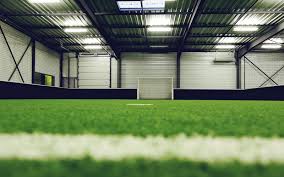
Artificial pitches represent substantial capital investments offering year-round playability and intensive usage capacity. Modern 3G and 4G surfaces can cost between £400,000 and £700,000 to install, making comprehensive insurance protection essential. These surfaces face different risk profiles compared to grass, requiring specialized coverage approaches.
Fire represents a significant threat to artificial pitches, as synthetic materials can ignite from discarded cigarettes, fireworks, or deliberate arson. Once ignited, artificial surfaces can suffer extensive damage requiring complete replacement of affected areas. Insurers typically require strict no-smoking policies, adequate fire detection systems, and secure perimeter fencing to minimize fire risk.
Vandalism through cutting, burning, or chemical damage can necessitate costly repairs or partial replacement. Unlike grass which can regenerate, damaged artificial surfaces often require professional repair or replacement of affected sections. Theft of infill material, particularly rubber crumb, occurs at some facilities, requiring expensive replacement and temporary closure.
Weather damage to artificial pitches typically involves structural issues rather than surface degradation. Severe flooding can displace infill material or damage the underlying drainage system. Extreme heat can affect surface integrity, while heavy snow and ice require careful removal to avoid damage. Storm damage may affect perimeter fencing, floodlights, or surrounding structures.
Artificial pitch insurance policies often include specific conditions regarding maintenance standards, usage restrictions, and protective measures. Insurers may require evidence of regular maintenance including brushing, infill top-ups, and professional inspections. Some policies specify maximum usage hours or require rest periods to prevent accelerated wear.
The expected lifespan of artificial surfaces affects insurance considerations. Most 3G pitches require replacement after 10-15 years of intensive use, representing planned obsolescence rather than insurable damage. Policies typically cover sudden and unforeseen damage rather than gradual wear, making the distinction between insurable events and normal deterioration crucial.
Public Liability Insurance for Football Facilities
Public liability insurance represents essential protection for football clubs opening facilities to players, spectators, and visitors. This coverage responds to claims for bodily injury or property damage caused by the club's activities, premises, or negligence.
Player injuries constitute a frequent source of claims, though football's inherent physicality means not all injuries generate valid claims. Insurers distinguish between injuries resulting from normal sporting activity and those caused by facility defects, inadequate maintenance, or negligent supervision. A player injured in a fair tackle typically has no claim against the club, but a serious injury caused by a concealed hole in the pitch or dangerous goalpost installation could generate substantial liability.
Spectator injuries from inadequate facilities, overcrowding, or poor crowd management can result in significant claims. Clubs must provide safe viewing areas, adequate barriers, and appropriate emergency access. Injuries from collapsing temporary structures, inadequate railings, or unsafe seating arrangements expose clubs to liability claims potentially exceeding £100,000 for serious injuries.
Slip, trip, and fall accidents in changing rooms, clubhouses, and car parks represent common claims. Wet floors, poor lighting, uneven surfaces, and inadequate maintenance all contribute to accidents generating liability claims. While individual claims may be modest, their frequency makes this exposure significant for insurers.
Property damage claims arise when footballs damage neighboring properties, vehicles in car parks suffer damage, or club activities cause damage to third-party property. Adequate perimeter fencing and netting reduce but don't eliminate this exposure.
Public liability policies typically provide coverage from £5 million to £10 million, with higher limits available for larger facilities or those hosting significant events. Policies include legal defense costs, investigation expenses, and settlement payments within the policy limit.
Employers Liability and Staff Coverage
Football clubs employing groundskeepers, coaches, administrative staff, or match-day personnel require employers liability insurance. This coverage is legally mandatory in the UK for organizations employing staff, with minimum coverage of £5 million required by law.
Employers liability protects clubs against claims from employees injured during their employment or suffering work-related illness. Groundskeeping staff face exposure to machinery accidents, chemical exposure, and manual handling injuries. Coaches and referees may suffer injuries during training or matches. Administrative staff could claim for repetitive strain injuries or stress-related conditions.
The distinction between employees and volunteers affects coverage requirements. Genuine volunteers typically fall under public liability coverage rather than employers liability, but the classification can be complex. Volunteers receiving regular payments, benefits, or operating under employment-like arrangements may be considered employees for insurance purposes, requiring employers liability coverage.
Clubs using casual or seasonal staff must ensure continuous employers liability coverage regardless of employment patterns. Gaps in coverage during off-season periods could leave clubs exposed if former employees bring delayed claims for injuries or illnesses.
Equipment and Contents Insurance
Football facilities contain valuable equipment and contents requiring insurance protection beyond basic building coverage. Goalposts, nets, corner flags, training equipment, groundskeeping machinery, and clubhouse contents all represent significant investments vulnerable to theft, damage, or destruction.
Modern goalposts with safety features and proper anchoring systems can cost several thousand pounds per set. Training equipment including mannequins, cones, portable goals, and coaching aids accumulate substantial value. Groundskeeping equipment such as mowers, line markers, aerators, and maintenance machinery represent major investments for clubs maintaining grass pitches.
Clubhouse contents including furniture, kitchen equipment, audio-visual systems, trophies, and memorabilia require adequate coverage. Theft of alcohol stocks, damage to catering equipment, or loss of historical items can create significant financial and emotional impact.
Equipment insurance typically covers theft, fire, vandalism, and accidental damage. Policies may include coverage for equipment temporarily removed from the premises for away matches or training camps. All-risks coverage provides broader protection than named-perils policies but commands higher premiums.
Clubs should maintain detailed equipment inventories with photographs, serial numbers, and valuations to support claims. Regular valuation updates ensure coverage keeps pace with replacement costs and new acquisitions.
Weather-Related Coverage and Seasonal Risks
Weather represents a persistent threat to football facilities, with different seasonal patterns affecting grass and artificial surfaces. Comprehensive insurance programs address weather-related damage while recognizing the distinction between insurable events and normal seasonal challenges.
Winter weather creates multiple exposures including frost damage to grass pitches, snow accumulation on structures, ice-related accidents, and storm damage to buildings and infrastructure. Severe waterlogging can render pitches unusable for extended periods, while frozen pipes in changing facilities can cause extensive water damage.
Summer weather brings different challenges including drought stress on grass pitches, heat-related surface damage to artificial pitches, and storm damage from severe weather events. Lightning strikes can damage floodlighting systems and electronic equipment.
Flood coverage requires careful attention, as standard policies may exclude or limit flood damage. Clubs in flood-prone areas should verify coverage adequacy and consider specialized flood insurance if necessary. The distinction between surface water flooding and river flooding affects coverage, with some policies treating these perils differently.
Business interruption coverage linked to weather damage helps clubs manage financial consequences when facilities become unusable. This coverage typically requires direct physical damage from an insured peril before business interruption coverage applies, meaning general poor weather making pitches unplayable wouldn't trigger coverage without actual damage.
Vandalism, Theft, and Security Considerations
Football facilities face persistent threats from vandalism and theft, particularly those in accessible locations without 24-hour security. Insurance coverage addresses financial losses, but risk management measures help minimize frequency and severity of incidents.
Vandalism ranges from graffiti and minor damage to deliberate destruction of playing surfaces, arson attacks, and systematic damage to facilities. Artificial pitches face particular vulnerability to fire-related vandalism, with repair costs potentially exceeding £100,000 for serious incidents. Grass pitches suffer from unauthorized vehicle access, chemical contamination, and deliberate surface damage.
Theft targets include groundskeeping equipment, goalposts, copper wiring and piping, alcohol stocks from clubhouses, and electronic equipment. Organized theft of artificial pitch infill material has occurred at some facilities, requiring expensive replacement and investigation.
Insurance policies typically include vandalism and theft coverage subject to policy terms and security requirements. Insurers may require minimum security standards including perimeter fencing, security lighting, alarm systems, and secure storage for valuable equipment. Failure to maintain required security measures could result in reduced claim settlements or coverage denial.
Clubs should implement layered security approaches combining physical barriers, lighting, surveillance systems, and community engagement. Regular security assessments identify vulnerabilities before incidents occur. Prompt reporting of suspicious activity and coordination with local police enhance security effectiveness.
Liability for Pitch Condition and Maintenance
Clubs owe legal duties to maintain pitches and facilities in safe condition for intended users. Failure to meet these obligations can generate negligence claims resulting in substantial liability. Insurance coverage responds to valid claims, but clubs must demonstrate reasonable care to satisfy policy conditions.
Pre-match pitch inspections represent essential risk management, identifying hazards like holes, debris, or unsafe surface conditions before play commences. Documented inspection procedures provide evidence of reasonable care if claims arise. Referees typically conduct final safety assessments, but clubs retain underlying responsibility for facility condition.
Maintenance standards affect both safety and insurance coverage. Insurers expect clubs to follow industry best practices for surface maintenance, drainage management, and facility upkeep. Poor maintenance contributing to injuries or damage may result in coverage disputes or reduced claim settlements.
Artificial pitch maintenance requires adherence to manufacturer specifications and industry standards. Regular brushing, infill maintenance, and professional inspections maintain surface integrity and safety. Failure to follow maintenance protocols could void warranties and affect insurance coverage.
Weather-related closure decisions involve balancing usage demand against safety considerations. Playing on frozen or waterlogged pitches risks player injury and surface damage. Clear policies regarding pitch closure criteria protect both participants and facilities.
Event and Match-Day Coverage
Football clubs hosting matches, tournaments, or special events face heightened exposures requiring specific insurance considerations. Standard facility insurance may not adequately address temporary increases in attendance, visiting teams, or special activities.
Match-day public liability coverage must account for increased spectator numbers, visiting team participants, and temporary facilities. Clubs should verify that policy limits remain adequate for maximum anticipated attendance. Some policies include automatic coverage for occasional events within specified parameters, while others require advance notification or additional premium for special events.
Tournament hosting creates concentrated exposures with multiple teams, extended hours, and intensive facility usage. Insurance coverage should address increased liability exposures, potential property damage from intensive use, and business interruption risks if events must be cancelled due to insured damage.
Temporary structures including marquees, portable seating, and catering facilities require specific coverage. These structures face wind damage, collapse risks, and fire hazards. Clubs should verify whether temporary structures fall within existing coverage or require separate insurance.
Alcohol service at match-day events affects liability exposures and may require specific coverage endorsements. Clubs must comply with licensing requirements and implement responsible service practices to manage intoxication-related risks.
Regulatory Compliance and Insurance Requirements
Football clubs must navigate various regulatory requirements affecting insurance obligations. The Football Association, local authorities, and facility funders often impose minimum insurance standards that clubs must satisfy.
FA affiliation typically requires minimum public liability coverage, with specific limits varying by competition level and facility type. Clubs should verify current FA requirements and ensure policies meet or exceed minimum standards. Some leagues or competitions impose additional insurance requirements for participating clubs.
Local authority facility licenses often mandate specific insurance coverage as a condition of operation. Councils leasing facilities to clubs typically require evidence of adequate insurance naming the council as an additional insured party. Failure to maintain required coverage can result in license revocation or lease termination.
Grant funding for facility improvements frequently includes insurance requirements. Organizations providing capital funding for artificial pitch installation or facility upgrades typically require evidence of adequate insurance protecting their investment. Some funders require named coverage for the funded improvements throughout specified periods.
Charity registration for clubs operating as charitable organizations creates additional insurance considerations. Trustees face personal liability for organizational debts and obligations if the charity lacks adequate insurance. Trustee indemnity insurance provides personal protection for volunteer trustees.
Claims Management and Loss Prevention
Effective claims management and proactive loss prevention help clubs minimize insurance costs while ensuring appropriate protection when incidents occur. Understanding the claims process and implementing risk reduction measures benefits both clubs and insurers.
Prompt incident reporting represents the first essential step in claims management. Clubs should report potential claims to insurers immediately, even if ultimate liability remains uncertain. Delayed reporting can complicate investigations and may affect coverage. Detailed incident documentation including photographs, witness statements, and contemporaneous notes supports claim processing.
Claims investigation requires cooperation with insurers and loss adjusters. Clubs should provide requested documentation promptly, facilitate site inspections, and respond to inquiries thoroughly. Disputes over coverage or claim values benefit from professional advice and clear communication.
Loss prevention programs reduce claim frequency and severity while demonstrating risk management commitment to insurers. Regular facility inspections, documented maintenance programs, staff training, and safety protocols all contribute to loss prevention. Clubs implementing effective risk management may qualify for premium discounts or preferential coverage terms.
Risk assessments identify exposures and prioritize mitigation efforts. Formal assessments conducted annually or following significant changes help clubs address emerging risks before incidents occur. Documentation of risk assessments and mitigation measures provides evidence of reasonable care.
Choosing the Right Insurance Provider
Selecting appropriate insurance coverage requires evaluating multiple providers, understanding policy differences, and balancing coverage adequacy against premium costs. Specialized sports facility insurers often provide superior coverage and claims service compared to general commercial insurers unfamiliar with football facility exposures.
Specialist sports insurers understand the unique risks facing football clubs and structure policies accordingly. These insurers typically offer broader coverage, fewer exclusions, and more flexible policy terms than general commercial policies. Claims handlers familiar with sports facility exposures process claims more efficiently and sympathetically.
Policy comparison requires careful review of coverage limits, exclusions, deductibles, and conditions. The cheapest premium rarely provides the best value if coverage gaps or restrictive terms leave clubs exposed. Key comparison points include public liability limits, property coverage basis (replacement cost vs actual cash value), business interruption coverage, and specific exclusions.
Broker services provide valuable assistance navigating insurance markets and negotiating coverage terms. Brokers specializing in sports facility insurance understand club needs and maintain relationships with appropriate insurers. Quality brokers provide ongoing service including policy reviews, claims advocacy, and risk management advice.
Insurance reviews should occur annually before renewal and following significant changes like facility improvements, usage pattern changes, or new activities. Regular reviews ensure coverage remains adequate as club circumstances evolve.
Conclusion
Football club and pitch insurance represents a complex but essential protection for organizations managing valuable facilities and hosting public activities. The distinction between grass and artificial surfaces affects risk profiles, coverage needs, and premium costs. Comprehensive insurance programs address property damage, liability exposures, business interruption, and specialized risks through carefully structured policies.
Clubs must balance coverage adequacy against budget constraints while meeting regulatory requirements and protecting against catastrophic losses. Working with specialist insurers and brokers familiar with sports facility exposures helps clubs secure appropriate protection at competitive prices. Proactive risk management, regular policy reviews, and effective claims management optimize insurance programs while minimizing total cost of risk.
Whether operating a modest grassroots facility or managing a sophisticated semi-professional venue, football clubs benefit from understanding their insurance needs and implementing comprehensive protection strategies. The investment in proper insurance coverage protects not only physical assets but also the club's financial stability, reputation, and ability to serve the football community.


 My Account