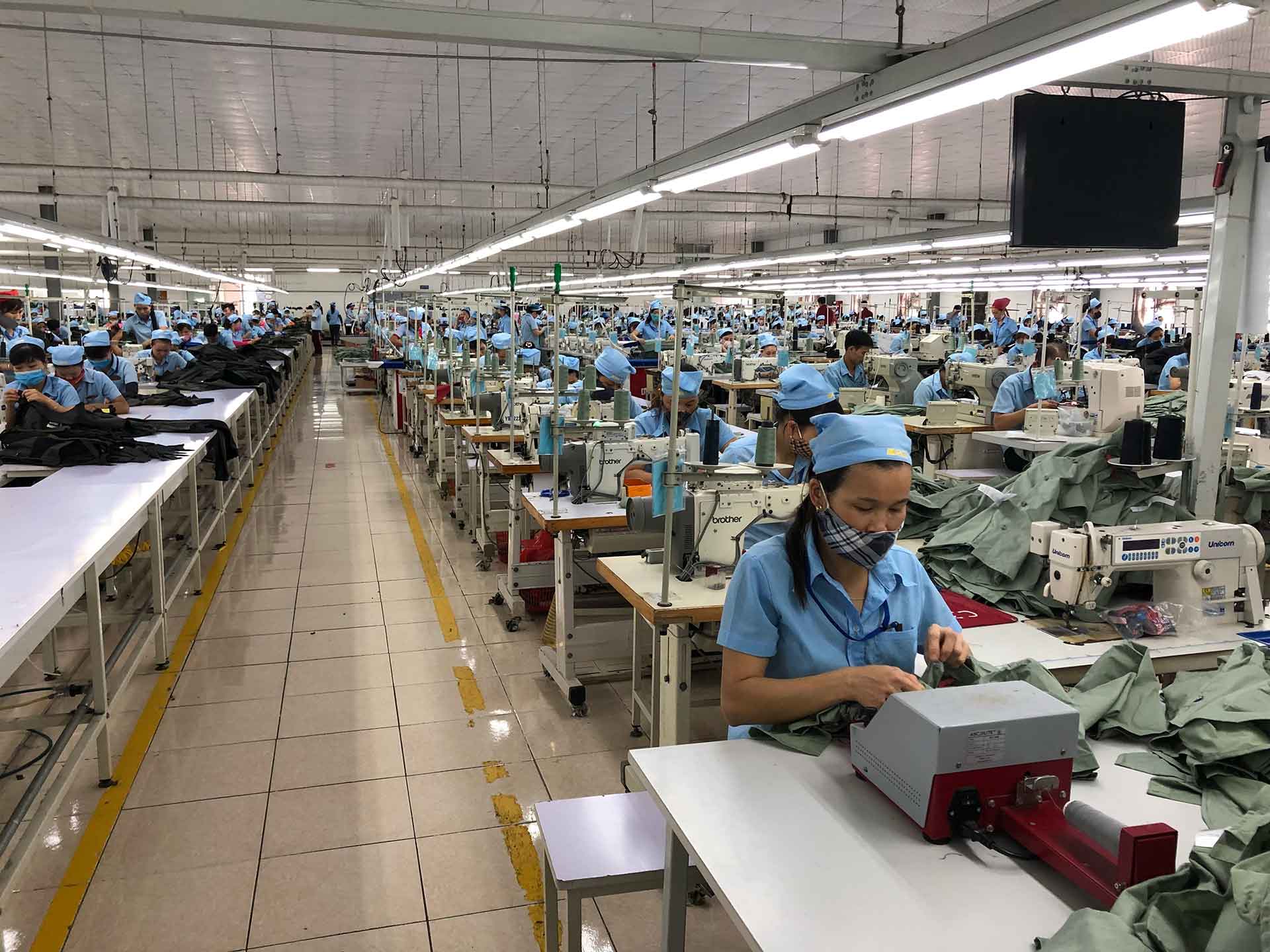
Fire Risks in Garment Factories (Cutting Rooms, Pressing & Storage)
Why garment factories face higher fire risk
Garment manufacturing combines three things that don’t mix well: combustible materials (fabrics, packaging, dust), heat sources (irons, presses, boilers, dryers) and busy production spaces where housekeeping can slip. A small ignition can spread fast if it reaches fabric stock, hanging garments, foam, cardboard, or lint.
The goal isn’t to scare anyone—it’s to help you spot the most common risk points and put simple controls in place that reduce the chance of a fire and limit damage if one starts.
Cutting rooms: where small ignition sources meet fast-spreading fuel
Cutting rooms often look “clean”, but they can hide a lot of fire load.
Key fire hazards in cutting areas
- Fabric offcuts and waste: Offcuts build up quickly and can ignite easily.
- Lint and textile dust: Fine fibres can accumulate under tables, inside extraction ducting, and around motors.
- Electrical load and damaged cables: Multiple machines, extension leads, and frequent movement can lead to wear.
- Cutting equipment: Straight knife cutters, band knives, rotary cutters and automated cutting tables introduce motors, friction and heat.
- Battery charging: If you use battery-powered tools, forklifts or pallet trucks, charging areas can be a risk if poorly managed.
Practical controls for cutting rooms
- Housekeeping routines that actually stick: Set timed clear-downs (e.g., end of shift plus mid-shift) and assign ownership by zone.
- Waste management: Use metal bins with lids for offcuts; empty daily; keep waste away from exits and electrical panels.
- Dust and lint control: Maintain extraction systems; clean under benches and inside guards; don’t let lint build up in ducting.
- Electrical discipline: PAT testing, visual checks, no daisy-chained extension leads, and clear rules on personal heaters.
- Segregate charging: If you charge batteries, use a designated area with ventilation, non-combustible surroundings and clear signage.
What to look for on a quick walk-through
- Offcuts piled near machines or exits
- Warm extension leads, loose plugs, taped repairs
- Lint build-up at motor vents or inside extraction points
- Blocked access to isolators and electrical panels
Pressing and finishing: heat, steam and human factors
Pressing areas are a classic ignition zone because they combine high temperatures, continuous use and “just for a minute” habits.
Common pressing-area fire risks
- Irons and steam presses: Hot surfaces left unattended, or placed on unsuitable stands.
- Boilers and steam generators: Faults, poor maintenance, or overheating.
- Conveyors and finishing tunnels: Motors, friction points, and lint accumulation.
- Solvents and aerosols: Spot-cleaning fluids, adhesives, stain removers and sprays can be flammable.
- Overloaded sockets: Multiple irons, fans and lighting on the same circuit.
Practical controls for pressing areas
- Clear “hot work” mindset: Treat pressing equipment like a controlled heat source—never leave it powered and unattended.
- Safe stands and shut-off habits: Use proper iron rests; build shut-down into end-of-line checks.
- Maintenance schedules: Boilers, presses and extraction need planned servicing with records.
- Control flammables: Store solvents in suitable cabinets; keep only small working quantities at the station.
- Lint management: Regular cleaning around presses, vents, conveyors and filters.
Training that reduces real-world risk
Instead of generic fire training, focus on the situations that cause incidents:
- What to do if a garment starts smouldering on a press
- How to isolate equipment safely
- When to use an extinguisher vs when to evacuate
- How to report near-misses (scorching, tripped circuits, unusual smells)
Storage areas: where fires become expensive fast
Storage is where a small fire becomes a major loss—especially if you hold large volumes of fabric rolls, boxed garments, packaging, foam, or mixed stock.
Typical storage fire hazards
- High fire load: Fabric, cardboard, plastics and foam can burn intensely.
- Poor racking layout: Narrow aisles, blocked access, and stock too close to lights or heaters.
- Electrical risks: Temporary lighting, damaged wiring, or chargers in the wrong place.
- Smoking and unauthorised heat sources: One of the most avoidable causes.
- Arson and security: External waste, unsecured doors, or poor perimeter lighting.
Practical controls for storage areas
- Keep ignition sources out: No space heaters; control charging; protect lighting.
- Stock layout rules: Maintain clear aisles; keep stock away from electrical panels; don’t store to the ceiling.
- Waste segregation: External bins away from the building; lockable waste areas where possible.
- Security basics: Good locks, CCTV where appropriate, and lighting that deters opportunistic entry.
- Fire separation: Consider compartmentation between production and storage, especially for high-volume stock.
Sprinklers and detection: what matters most
Fire protection is site-specific, but two principles hold:
- Early detection saves time: The earlier you know, the more likely you can control the incident.
- Suppression limits spread: Sprinklers (where suitable) can prevent a total loss.
If you don’t have sprinklers, your insurer may focus more heavily on housekeeping, separation, detection, and security.
Shared risks across the whole factory
Some risks cut across cutting, pressing and storage.
Electrical systems and maintenance
- Keep fixed wiring inspected and maintained.
- Avoid temporary fixes becoming permanent.
- Ensure isolators are accessible and labelled.
Hot work and contractors
If you ever do welding, grinding, roofing repairs or maintenance that creates sparks:
- Use a hot work permit process.
- Clear combustibles from the area.
- Provide fire watch during and after the work.
Smoking controls
- Designate smoking areas away from buildings and waste.
- Enforce rules consistently.
Housekeeping and “combustible loading”
A tidy factory isn’t just nice—it reduces fuel and improves escape routes.
- Keep exits and routes clear.
- Don’t store stock in plant rooms or electrical cupboards.
- Make waste removal part of daily production, not a weekly job.
UK compliance basics (plain English)
Most garment factories will need to follow UK fire safety duties, including:
- A fire risk assessment that is suitable and sufficient.
- Means of escape: clear routes, emergency lighting, signage.
- Fire detection and alarm appropriate to the building and risk.
- Firefighting equipment and staff training.
- Maintenance and testing with records.
If you operate multiple units or have changed layouts, treat the fire risk assessment as a living document—update it when processes, stock volumes or building use changes.
Insurance considerations (what underwriters tend to care about)
From an insurance point of view, garment manufacturing risks often come down to: how quickly a fire could start, how fast it could spread, and how well you can contain it.
Expect questions around:
- Housekeeping and waste controls
- Separation of storage from production
- Electrical inspection and maintenance records
- Fire alarm and detection type, testing frequency
- Security and arson prevention
- Any history of fires, near-misses or enforcement notices
Good documentation helps. If you can show clear routines, maintenance logs and a sensible layout, you’re usually in a stronger position.
Simple fire risk checklist (cutting, pressing, storage)
- Are offcuts and waste removed daily and stored in lidded bins?
- Is lint/dust controlled, including in extraction ducting and filters?
- Are extension leads controlled and PAT testing up to date?
- Are irons/presses never left unattended and shut-down checks in place?
- Are solvents/aerosols stored safely with minimal quantities at workstations?
- Is storage laid out with clear aisles and stock kept away from electrics?
- Are external waste bins kept away from the building and secured?
- Is the fire alarm tested and maintained with records?
- Do staff know how to isolate equipment and when to evacuate?
- Has the fire risk assessment been reviewed after any process/layout change?
Call to action
If you run a garment factory, a quick review of cutting rooms, pressing areas and storage can significantly reduce your fire risk—and protect your stock, machinery and ability to trade.
If you’d like, share a few details (building type, stock volumes, processes and whether you have sprinklers), and we can outline the most likely risk hotspots and the insurance cover to consider.


 My Account