

 My Account

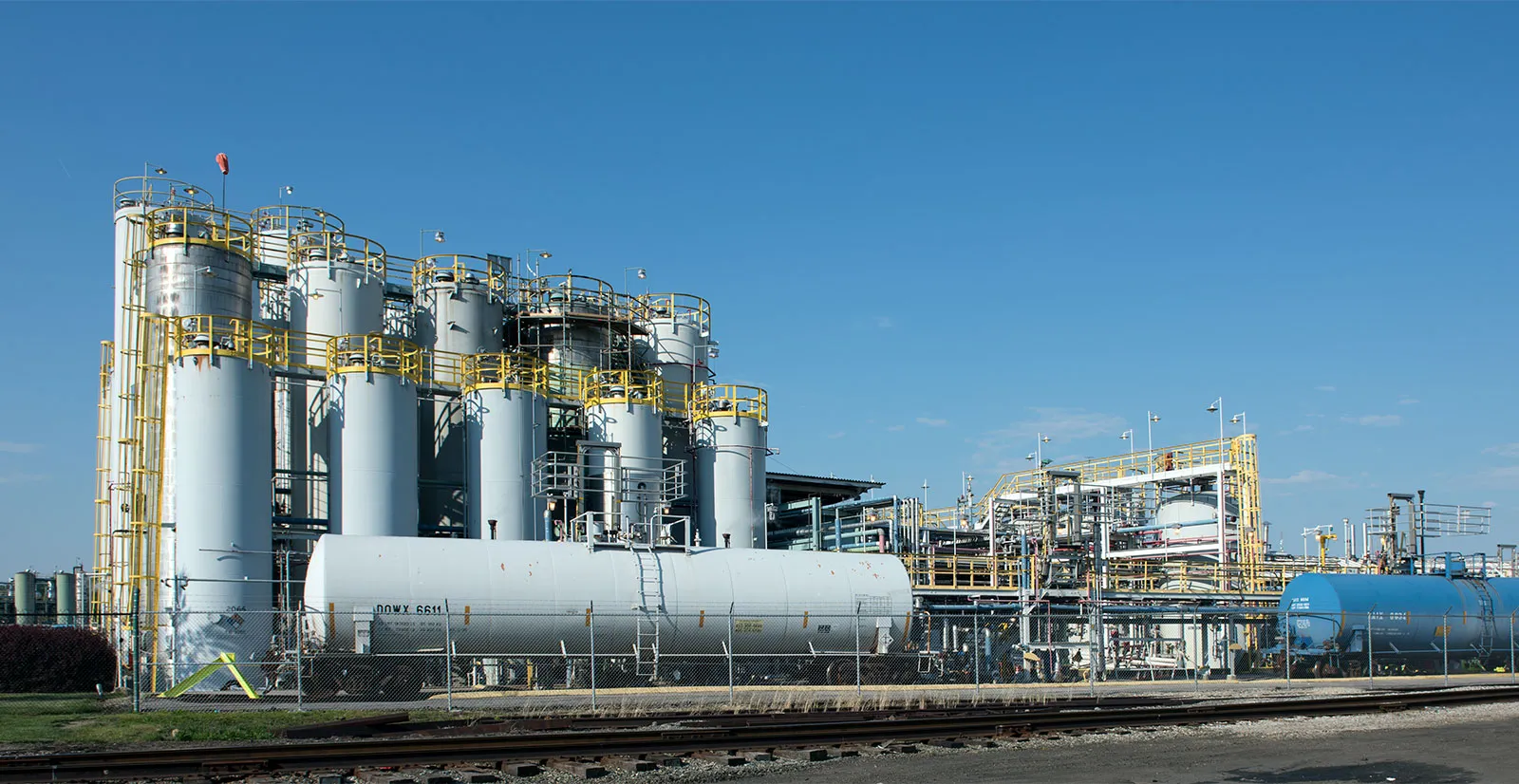
Fire & Explosion Risks in Chemical Plants (Insurance Guide)
Introduction
Fire and explosion are among the most severe loss events a chemical plant can face. They can cause catastrophic injury, long shutdowns, environmental damage, and complex third…
Fire and explosion are among the most severe loss events a chemical plant can face. They can cause catastrophic injury, long shutdowns, environmental damage, and complex third‑party claims. The good news is that most major incidents follow recognisable patterns: loss of containment, ignition, escalation, and then business interruption.
This guide explains the main fire and explosion scenarios in chemical plants, the controls insurers expect to see, and how to present your risk well when arranging or renewing insurance.
Chemical plants often combine:
Insurers focus less on “could it happen?” and more on “how far could it go?” They’ll look for credible worst-case scenarios, how quickly you can detect and isolate a release, and whether a small event can escalate into a site-wide loss.
Most major events start with a release from:
If a vapour cloud forms and finds an ignition source, outcomes range from flash fire to vapour cloud explosion (VCE). Key drivers are release rate, congestion, confinement, and ignition timing.
Insurer focus: inspection regimes, leak detection, isolation capability, and maintenance quality.
A liquid spill can create a pool fire that impinges on vessels and pipework, causing escalation and potential BLEVE (boiling liquid expanding vapour explosion) if pressurised vessels are involved.
Insurer focus: drainage, bunding, separation distances, passive fire protection (PFP), and emergency shutdown.
Combustible dusts (e.g., certain polymers, additives, fine organics) can ignite and explode, especially where housekeeping is poor and dust layers accumulate.
Insurer focus: DSEAR/ATEX zoning, dust collection design, housekeeping standards, and ignition control.
Exothermic reactions can accelerate if cooling fails, wrong materials are charged, or contamination occurs. Pressure rises quickly, relief devices may lift, and fires/explosions can follow.
Insurer focus: process safety information, management of change (MOC), alarms/interlocks, and independent protection layers.
Static discharge is a common ignition source during transfer, filling, and mixing. Other sources include hot work, mechanical sparks, electrical faults, and overheated bearings.
Insurer focus: earthing/bonding, hot work permits, Ex-rated equipment, and maintenance.
Vapours in tanks, pits, or enclosed process areas can ignite with severe overpressure.
Insurer focus: gas testing, ventilation, permit-to-work, and isolation procedures.
A strong PSM framework is often the difference between good and poor insurance terms. Insurers may ask about:
In the UK, DSEAR is central for controlling explosive atmospheres. Insurers typically want evidence of:
Speed matters. The faster you detect a leak and isolate inventory, the smaller the loss.
Insurers will look at prevention first, but they also care about mitigation:
Plant layout affects whether a small fire becomes a major loss.
Many losses trace back to degraded equipment or poor maintenance.
Underwriters and risk engineers typically evaluate:
Expect questions on:
This is not advice, but a practical overview of covers commonly relevant to chemical plants.
Covers physical loss/damage to buildings, plant, and machinery from insured perils (including fire/explosion). Key points:
Often the biggest cost. Consider:
Fire/explosion may be excluded under some engineering covers, but mechanical/electrical breakdown can be a trigger for LOC. Ensure your programme is coordinated.
A major incident can create third-party injury and property damage claims, plus environmental impacts. Review:
Standard liability policies may have pollution limitations. Chemical plants should consider specialist pollution cover, depending on operations and regulatory exposure.
Depending on location and risk appetite, UK terrorism cover may be relevant.
Insurers tend to reward clear evidence, not just statements. Helpful actions include:
A well-prepared submission can reduce delays and improve outcomes. Consider providing:
Fire and explosion risk in chemical plants is manageable when prevention, detection, and mitigation work together. From an insurance perspective, the goal is to show that you understand your credible scenarios, you can prevent loss of containment, and you can stop escalation quickly if something goes wrong.
If you’d like, tell me what type of chemical operations you run (e.g., solvents blending, batch reactors, bulk storage, polymers, fine chemicals) and whether you’re UK-only or export-focused. I can tailor the guide to your exact hazards and the cover sections you want to emphasise.
Fire and explosion are among the most severe loss events a chemical plant can face. They can cause catastrophic injury, long shutdowns, environmental damage, and complex third…
A chemical spill can start small: a split IBC in a yard, a leaking drum in a van, a burst pipe in a plant room, or a forklift puncture in a warehouse. But the c…
Chemical manufacturing is one of the most risk-intensive industries in the UK. You’re handling hazardous substances, complex processes, high temperatures and pressures, and a supp…