Filter Manufacturing Insurance: Comprehensive Protection for Air, Oil, Fuel and Cabin Filter Producers
Introduction
The filter manufacturing industry plays a critical role in automotive, industrial, and HVAC sectors, producing essential components that protect engines, improve air quality, and ensure operational efficiency. Whether your business specializes in air filters, oil filters, fuel filters, or cabin filters, the manufacturing process involves significant risks that require comprehensive insurance protection. From production line failures and product liability claims to supply chain disruptions and regulatory compliance issues, filter manufacturers face unique challenges that can threaten business continuity and profitability.
This guide explores the essential insurance coverage options for filter manufacturing businesses, examining the specific risks associated with producing air filters, oil filters, fuel filters, and cabin filters, and explaining how tailored insurance solutions can protect your operations, employees, and bottom line.
Understanding the Filter Manufacturing Industry
Filter manufacturing encompasses the production of various filtration products designed to remove contaminants, particles, and impurities from air, liquids, and gases. The industry serves multiple sectors including automotive, aerospace, industrial machinery, HVAC systems, and consumer products.
Air Filters remove particulates from air streams, protecting engines and improving indoor air quality. These range from simple panel filters to complex HEPA filtration systems.
Oil Filters remove contaminants from lubricating oil in engines and machinery, preventing wear and extending equipment life. These require precise manufacturing tolerances and quality control.
Fuel Filters protect fuel injection systems and carburetors by removing particles and water from petrol, diesel, and alternative fuels. Failure can result in costly engine damage.
Cabin Filters improve vehicle interior air quality by removing dust, pollen, and pollutants. Growing consumer awareness has increased demand for advanced filtration media including activated carbon variants.
The manufacturing process typically involves raw material handling, media production or processing, pleating and forming, assembly, quality testing, and packaging. Each stage presents distinct operational risks requiring appropriate insurance coverage.
Key Risks Facing Filter Manufacturers
Production and Equipment Risks
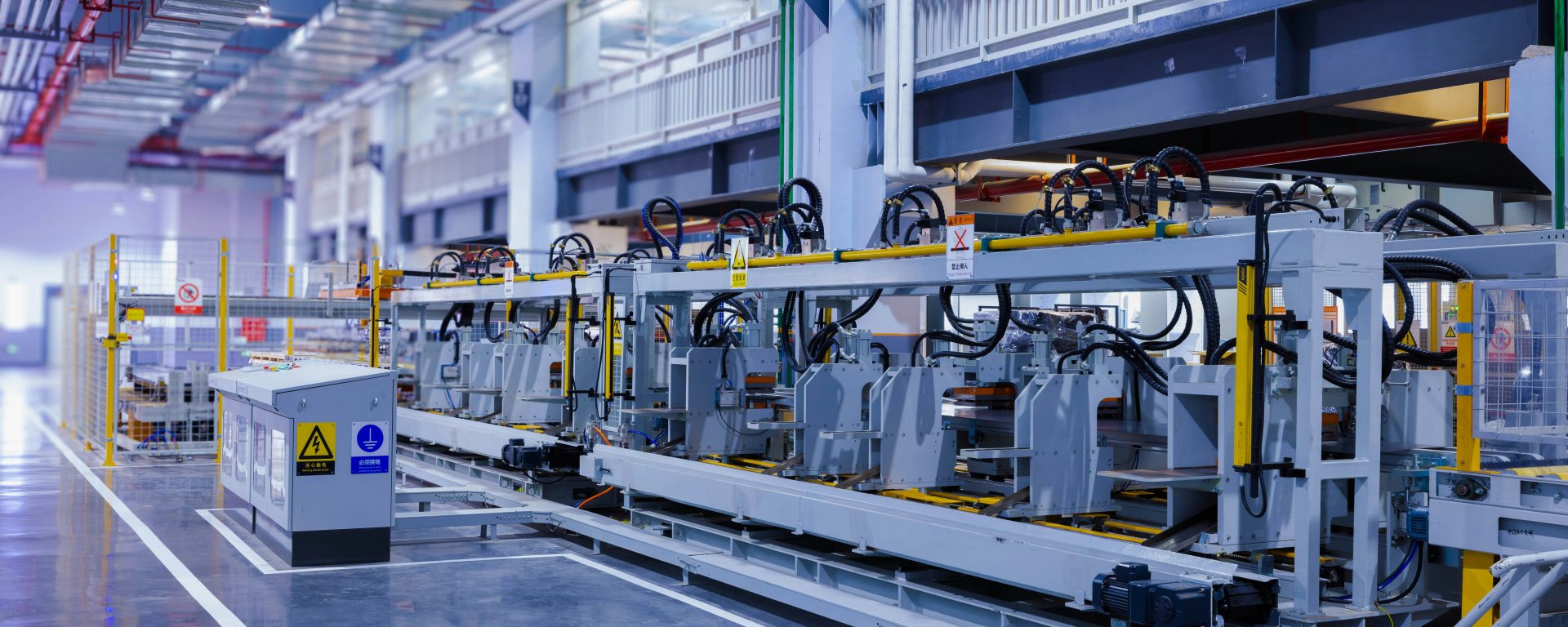
Filter manufacturing relies on specialized machinery including pleating equipment, cutting systems, adhesive application units, and automated assembly lines. Equipment breakdown can halt production, resulting in significant financial losses. A malfunction in pleating machinery or media coating equipment can damage work-in-progress inventory worth thousands of pounds and delay customer orders.
Fire risk is particularly significant due to the presence of combustible filter media, adhesives, solvents, and packaging materials. A fire in the production area can destroy expensive machinery, raw materials, and finished inventory while forcing business interruption that affects customer relationships and revenue.
Product Liability Exposure
Filter manufacturers face substantial product liability risks. A defective oil filter that fails prematurely could cause engine damage in multiple vehicles, resulting in costly warranty claims and potential litigation. Similarly, a faulty fuel filter might allow contaminants to reach fuel injection systems, causing expensive repairs and safety concerns.
Air filter failures in industrial applications could lead to equipment damage or production losses for customers. Cabin filter defects might fail to protect vehicle occupants from harmful pollutants, potentially resulting in health-related claims. Even minor quality control lapses can trigger recalls affecting thousands of units across multiple distribution channels.
The automotive aftermarket sector particularly scrutinizes filter quality, and manufacturers supplying original equipment manufacturers face stringent quality requirements with significant financial penalties for non-compliance or defects.
Supply Chain and Business Interruption
Filter manufacturing depends on specialized raw materials including filter media, adhesives, end caps, gaskets, and metal components. Supply chain disruptions can halt production even when your facility remains operational. Many filter media types come from limited suppliers, making manufacturers vulnerable to upstream production issues.
Business interruption from any cause including fire, flood, equipment breakdown, or supplier failure can result in lost revenue, ongoing fixed costs, and customer attrition. Long-term customers may switch to competitors if you cannot fulfill orders, causing permanent market share loss.
Employers Liability and Workplace Safety
Manufacturing environments present various employee safety risks. Workers operate machinery with moving parts, handle adhesives and chemicals, perform repetitive tasks that can cause strain injuries, and work in areas with noise exposure. Workplace accidents can result in injury claims, regulatory investigations, and reputational damage.
Chemical exposure from adhesives, solvents, and treatment compounds requires proper handling procedures and protective equipment. Failure to maintain safe working conditions can lead to employers liability claims and Health and Safety Executive enforcement actions.
Professional Indemnity and Design Risks
Filter manufacturers providing custom solutions or technical specifications face professional indemnity risks. If your design recommendations prove inadequate for a customer's application, resulting in equipment damage or operational losses, you could face claims for professional negligence.
Providing filtration efficiency ratings, compatibility guidance, or application advice creates potential liability if the information proves inaccurate or the filter performs below specifications in real-world conditions.
Cyber and Data Security
Modern filter manufacturing increasingly relies on digital systems for production control, inventory management, customer orders, and quality documentation. Cyberattacks can disrupt production systems, compromise customer data, or enable theft of proprietary filter designs and manufacturing processes.
Ransomware attacks can halt production by locking access to control systems and order databases. Data breaches exposing customer information can result in regulatory fines under GDPR and damage business relationships.
Essential Insurance Coverage for Filter Manufacturers
Commercial Combined Insurance
Commercial combined insurance provides comprehensive protection bundling multiple coverage types into a single policy. This typically includes buildings insurance covering your manufacturing facility, contents insurance protecting machinery and equipment, stock insurance for raw materials and finished products, and business interruption coverage.
For filter manufacturers, buildings insurance should reflect the replacement cost of specialized production facilities including clean rooms, ventilation systems, and utility infrastructure. Contents coverage must adequately value expensive machinery such as pleating equipment, cutting systems, and testing apparatus.
Stock insurance should cover raw materials including various filter media types, adhesives, and components, plus work-in-progress inventory at different production stages and finished products awaiting shipment. Valuation should account for seasonal inventory fluctuations and potential recall costs.
Business interruption coverage compensates for lost profits and ongoing expenses if operations cease due to insured perils. This should include extended periods reflecting the time required to replace specialized machinery and rebuild customer relationships. Consider coverage for supply chain interruption protecting against upstream supplier failures.
Product Liability Insurance
Product liability insurance is essential for filter manufacturers, protecting against claims arising from defective products causing injury or property damage. Coverage should reflect your production volume, distribution channels, and the potential severity of filter failures.
For automotive filter manufacturers, consider the cascading damage potential where a single defective filter causes expensive engine repairs. Coverage limits should account for multiple claims from a single production batch defect and the costs of product recalls including notification, collection, disposal, and replacement.
Product liability policies should cover legal defense costs, settlements, and judgments. Ensure coverage extends to products sold internationally if you export filters, as foreign legal systems may impose different liability standards and higher damages.
Consider product guarantee insurance covering the cost of replacing defective filters and any consequential damage to customer equipment. This demonstrates quality commitment while managing financial exposure.
Employers Liability Insurance
Employers liability insurance is legally required in the UK, protecting against employee injury or illness claims arising from workplace conditions. For filter manufacturers, coverage should reflect machinery risks, chemical exposure, repetitive strain potential, and manual handling activities.
Standard policies provide £10 million coverage, but consider higher limits if you employ significant numbers or operate particularly hazardous processes. Ensure coverage extends to temporary workers, contractors, and employees working at customer sites for installation or technical support.
Complement employers liability insurance with robust health and safety procedures, regular risk assessments, proper training programs, and appropriate personal protective equipment to minimize claims frequency and severity.
Public Liability Insurance
Public liability insurance protects against third-party injury or property damage claims from non-employees. For filter manufacturers, this covers visitors to your facility, delivery drivers, maintenance contractors, and members of the public affected by your operations.
Consider scenarios such as a visitor injured by moving machinery, a delivery driver slipping in your loading area, or property damage to neighboring businesses from a fire originating in your facility. Coverage typically starts at £1 million but £5 million or higher limits are advisable for manufacturing operations.
Professional Indemnity Insurance
Professional indemnity insurance protects against claims arising from professional advice, design specifications, or technical recommendations. If your business provides filtration consulting, custom filter design, or application engineering services, this coverage is essential.
Claims might arise from recommending an inadequate filter specification for a customer's application, providing incorrect compatibility information, or certifying filtration efficiency that proves inaccurate in operational conditions. Coverage includes legal defense costs and compensation payments.
Professional indemnity policies are typically written on a claims-made basis, meaning coverage applies to claims made during the policy period regardless of when the alleged negligence occurred. Maintain continuous coverage and consider retroactive dates protecting past work.
Cyber Insurance
Cyber insurance addresses digital risks increasingly relevant to modern manufacturing. Coverage typically includes business interruption from cyberattacks, data breach response costs, cyber extortion payments, legal liability for compromised customer data, and costs to restore systems and data.
For filter manufacturers, consider coverage for production system disruptions, theft of proprietary filter designs or manufacturing processes, and compromise of customer order information. Policies should cover forensic investigation, legal notification requirements, credit monitoring for affected individuals, and regulatory fines.
Cyber insurance complements but does not replace robust cybersecurity measures including firewalls, access controls, employee training, and regular system backups.
Goods in Transit Insurance
Goods in transit insurance protects filters during transportation from your facility to customers. Standard commercial policies may provide limited transit coverage, but dedicated goods in transit insurance offers comprehensive protection.
Coverage should reflect your distribution model including own-vehicle deliveries, courier services, and freight forwarding. Consider the value of typical shipments and whether you transport high-value loads requiring enhanced limits. Include coverage for loading and unloading activities when accidents commonly occur.
Contract Works Insurance
If your business undertakes installation of filtration systems or facility modifications, contract works insurance protects projects under construction. This covers damage to works in progress, materials, and equipment at project sites.
Coverage applies until project completion and handover to the customer, protecting against fire, theft, vandalism, and accidental damage. This is particularly relevant for manufacturers providing turnkey filtration solutions including installation and commissioning.
Factors Affecting Filter Manufacturing Insurance Costs
Several factors influence insurance premiums for filter manufacturers:
Production Volume and Revenue directly impact premium calculations, as higher output increases exposure to product liability claims and larger revenues suggest greater business interruption potential.
Product Types and Applications affect risk assessment. Filters for critical applications such as aerospace or medical devices carry higher liability exposure than general industrial filters. Automotive filters face significant warranty and recall risks.
Manufacturing Processes influence premiums based on fire risk, machinery complexity, and chemical usage. Facilities using flammable adhesives or operating high-temperature processes face higher property insurance costs.
Quality Control Procedures demonstrate risk management commitment. Documented quality systems, testing protocols, and traceability procedures can reduce product liability premiums by evidencing defect prevention efforts.
Claims History significantly affects renewals. A history of frequent claims suggests inadequate risk management and results in higher premiums or coverage restrictions. Conversely, claims-free periods may qualify for no-claims discounts.
Security Measures including intruder alarms, CCTV, secure perimeters, and inventory controls reduce theft risk and lower premiums. Fire prevention systems such as sprinklers, smoke detection, and fire-resistant construction similarly reduce property insurance costs.
Employee Training and Safety Records influence employers liability premiums. Documented training programs, low accident rates, and Health and Safety Executive compliance demonstrate effective risk management.
Business Continuity Planning including backup suppliers, alternative production arrangements, and disaster recovery procedures can reduce business interruption premiums by demonstrating resilience.
Selecting the Right Insurance Provider
Choosing an insurance provider experienced in manufacturing risks ensures appropriate coverage and fair premiums. Specialist commercial insurance brokers understand filter manufacturing exposures and can access insurers offering competitive terms.
Look for providers offering:
Manufacturing Expertise with understanding of production processes, machinery risks, and supply chain dependencies specific to filter manufacturing.
Flexible Coverage Options allowing tailored policies reflecting your specific operations rather than generic manufacturing packages.
Risk Management Support including safety consultations, loss prevention advice, and claims handling assistance.
Financial Stability ensuring the insurer can pay claims even for major losses. Check financial strength ratings from agencies such as AM Best or Standard & Poor's.
Claims Service Quality with responsive claims handling, fair assessments, and prompt payments. Research provider reputation and claims satisfaction ratings.
Competitive Pricing balanced against coverage quality. The cheapest premium may reflect inadequate coverage or excessive exclusions.
Risk Management Best Practices
Insurance provides financial protection but implementing robust risk management reduces claims frequency and severity while potentially lowering premiums:
Quality Control Systems including incoming material inspection, in-process testing, and finished product verification prevent defective filters reaching customers. Implement statistical process control and maintain detailed production records for traceability.
Preventive Maintenance programs for production machinery reduce breakdown risk and extend equipment life. Schedule regular inspections, lubrication, and component replacement before failures occur.
Fire Prevention measures including proper storage of flammable materials, hot work permits, regular electrical inspections, and employee fire safety training reduce the most significant property risk.
Employee Training on machinery operation, chemical handling, and safety procedures reduces workplace accidents. Provide refresher training regularly and document all training activities.
Supply Chain Diversification reduces dependence on single suppliers for critical materials. Maintain relationships with alternative media suppliers and component sources.
Business Continuity Planning including documented recovery procedures, off-site data backups, and alternative production arrangements enables faster recovery from disruptions.
Cybersecurity Measures including firewalls, access controls, regular software updates, employee awareness training, and incident response plans protect against digital threats.
Regulatory Compliance Considerations
Filter manufacturers must comply with various regulations affecting insurance requirements:
Health and Safety at Work Act requires employers to ensure employee safety and maintain employers liability insurance with minimum £5 million coverage.
Product Safety Regulations require products to be safe for intended use. Non-compliance can void product liability coverage, making regulatory adherence essential.
Environmental Regulations govern waste disposal, emissions, and chemical handling. Environmental liability insurance may be required for facilities handling significant quantities of hazardous substances.
GDPR requires protection of personal data with potential fines for breaches. Cyber insurance should cover regulatory penalties and notification requirements.
Automotive Industry Standards such as IATF 16949 impose quality requirements on automotive suppliers. Compliance demonstrates risk management commitment that can favorably influence insurance terms.
Conclusion
Filter manufacturing involves significant risks requiring comprehensive insurance protection. From production equipment and inventory to product liability and cyber threats, manufacturers of air filters, oil filters, fuel filters, and cabin filters face diverse exposures that can threaten business viability.
A well-structured insurance program combining commercial combined insurance, product liability, employers liability, professional indemnity, and cyber coverage provides essential financial protection. Complementing insurance with robust risk management including quality control, preventive maintenance, employee training, and business continuity planning reduces claims while potentially lowering premiums.
Working with insurance providers experienced in manufacturing risks ensures appropriate coverage tailored to your specific operations. Regular policy reviews as your business evolves maintain adequate protection as production volumes increase, product lines expand, or new risks emerge.
Protecting your filter manufacturing business with comprehensive insurance coverage provides peace of mind, enabling you to focus on production quality, customer service, and business growth while knowing that financial protection exists should unexpected events occur.
For specialist advice on filter manufacturing insurance tailored to your specific operations, contact Insure24 at 0330 127 2333 or visit www.insure24.co.uk to discuss your requirements with experienced commercial insurance professionals.


 My Account