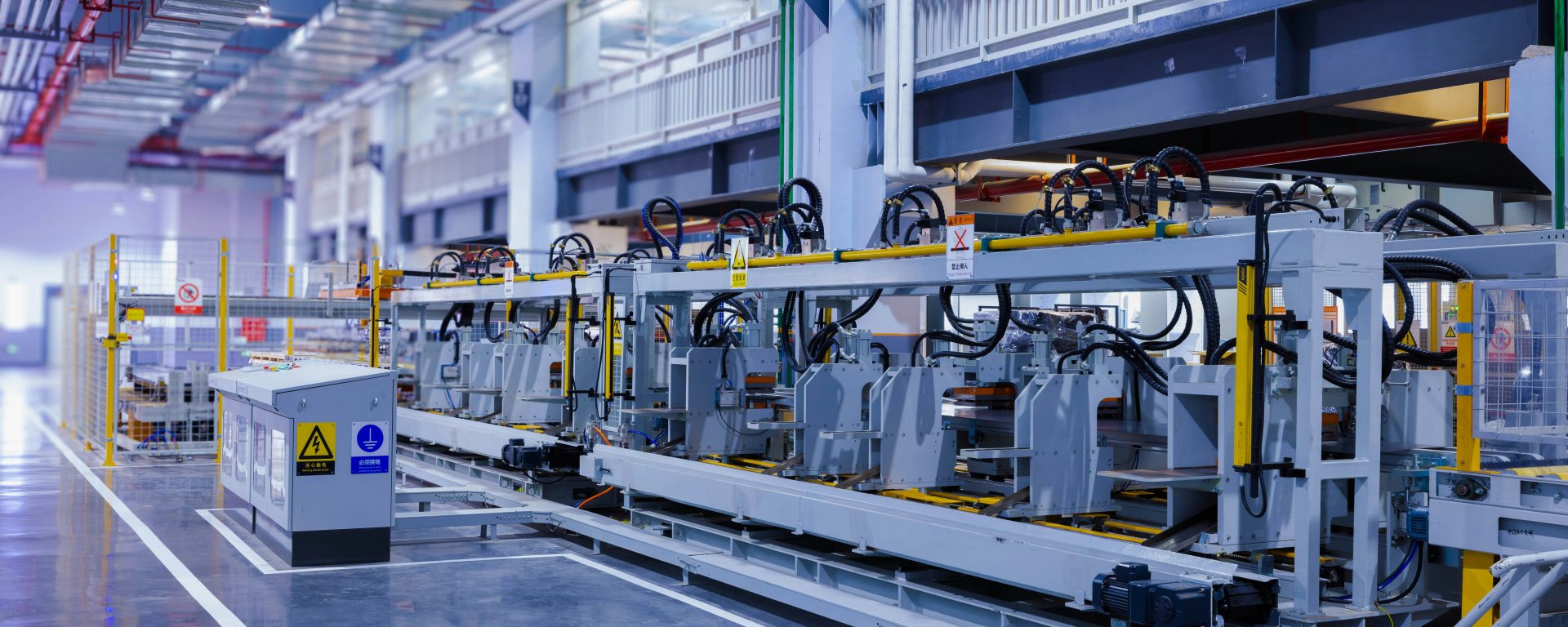
Engine Components and Replacement Parts Manufacturing Insurance: A Complete Guide
Introduction
The engine components and replacement parts manufacturing sector represents a critical pillar of the automotive industry, supplying essential products that keep vehicles running safely and efficiently. Companies operating in this specialized field face unique risks that demand comprehensive insurance protection tailored to their specific operational challenges.
Manufacturing engine components such as gaskets, timing belts, cylinder heads, pistons, and valve train components involves precision engineering, strict quality control, and adherence to rigorous industry standards. The consequences of component failure can be severe, ranging from vehicle breakdowns to catastrophic engine damage, making robust insurance coverage not just advisable but essential for business survival.
This comprehensive guide explores the insurance landscape for engine components and replacement parts manufacturers, examining the critical coverages needed to protect against product liability claims, equipment failures, supply chain disruptions, and the myriad other risks inherent in this demanding industry.
Understanding the Manufacturing Risk Landscape
Product Liability Exposure
Engine component manufacturers face substantial product liability exposure. A defective timing belt that fails prematurely could cause catastrophic engine damage. A faulty gasket might lead to oil leaks, overheating, and complete engine failure. These scenarios can result in expensive warranty claims, vehicle repairs, and potential injury claims if component failure causes accidents.
The complexity of modern engines means that even minor manufacturing defects can have serious consequences. A piston ring manufactured to incorrect tolerances might cause excessive oil consumption and engine wear. A cylinder head with casting flaws could develop cracks under pressure, leading to coolant leaks and overheating.
Manufacturing Process Risks
The production of engine components involves sophisticated machinery, precision tooling, and often hazardous processes. CNC machining centers, casting equipment, heat treatment furnaces, and quality testing apparatus represent significant capital investments that are vulnerable to breakdown, fire, and accidental damage.
Manufacturing facilities typically maintain substantial raw material inventories including metals, alloys, rubber compounds, and specialized materials. Finished goods warehouses stock completed components awaiting distribution. Both represent considerable value at risk from fire, theft, flood, and other perils.
Supply Chain Vulnerabilities
Engine component manufacturers operate within complex supply chains, sourcing raw materials from specialist suppliers and distributing finished products through automotive aftermarket networks, original equipment manufacturers, and wholesale distributors. Disruptions at any point can halt production, delay deliveries, and damage customer relationships.
A fire at a key supplier's facility might cut off access to specialized alloys. Transport strikes could prevent finished goods reaching distributors. These supply chain vulnerabilities require specific insurance considerations to maintain business continuity.
Essential Insurance Coverages
Product Liability Insurance
Product liability insurance forms the cornerstone of protection for engine component manufacturers. This coverage responds when products cause property damage or bodily injury due to manufacturing defects, design flaws, or inadequate warnings and instructions.
Coverage typically includes the cost of legal defense, settlements, and judgments arising from product liability claims. Given the potential for widespread recalls if systemic defects are discovered, policy limits should reflect the scale of production and distribution.
Product liability policies should specifically address the unique exposures of engine component manufacturing, including coverage for consequential damage to vehicles, business interruption losses suffered by customers, and the costs associated with product recalls.
Commercial Combined Insurance
Commercial combined insurance provides comprehensive protection for business premises, contents, equipment, and stock. For manufacturers, this typically includes buildings insurance covering factory premises, warehouses, and office facilities against fire, flood, storm damage, and other insured perils.
Contents and equipment coverage protects manufacturing machinery, tooling, computer systems, office equipment, and furniture. Given the specialized nature of component manufacturing equipment, policies should provide new replacement cover rather than indemnity basis settlement to ensure modern equivalent machinery can be purchased following a loss.
Stock coverage protects raw materials, work in progress, and finished goods. Manufacturers should ensure adequate limits reflecting peak stock levels, particularly before major distribution periods or during seasonal demand fluctuations.
Business Interruption Insurance
Business interruption insurance provides critical financial protection when manufacturing operations are disrupted by insured events. This coverage replaces lost gross profit and continues to pay fixed costs during the interruption period, maintaining financial stability while operations are restored.
For component manufacturers, the indemnity period should reflect realistic recovery timescales. Replacing specialized manufacturing equipment, recalibrating production lines, and regaining quality certifications can take many months. Indemnity periods of 12 to 24 months are common in the manufacturing sector.
Extended coverage should include increased cost of working, allowing businesses to maintain production through alternative arrangements such as subcontracting, hiring temporary equipment, or operating from alternative premises. Supplier extension covers losses arising from disruption at key suppliers, while customer extension protects against loss of major customers following damage at their premises.
Employers Liability Insurance
Employers liability insurance is a legal requirement for UK businesses with employees. Manufacturing environments present numerous workplace hazards including machinery operation, manual handling, exposure to chemicals and heat, and noise hazards.
Standard coverage of £10 million is typically sufficient, though manufacturers with substantial workforces or higher-risk operations might consider increased limits. The policy covers compensation claims and legal costs arising from employee injuries or work-related illnesses.
Public Liability Insurance
Public liability insurance protects against claims from third parties for injury or property damage caused by business operations. For manufacturers, this includes injuries to visitors at manufacturing facilities, damage caused during deliveries, and incidents at trade shows or customer premises.
Coverage limits typically range from £5 million to £10 million depending on business size and customer requirements. Many large automotive manufacturers and distributors require suppliers to maintain minimum public liability coverage as a condition of doing business.
Professional Indemnity Insurance
Professional indemnity insurance is often overlooked by manufacturers but provides valuable protection against claims arising from professional advice, design services, and technical specifications. Component manufacturers who provide technical support, design custom solutions, or offer engineering consultancy should maintain professional indemnity coverage.
This insurance responds to claims alleging negligent advice, design errors, or failure to meet specified performance standards. Coverage includes legal defense costs and compensation payments.
Cyber Insurance
Modern manufacturing operations rely heavily on computer systems for design, production control, quality management, inventory control, and customer communications. Cyber insurance protects against the financial consequences of data breaches, ransomware attacks, system failures, and cyber extortion.
Coverage typically includes business interruption losses resulting from cyber incidents, costs of data recovery and system restoration, legal liabilities arising from data breaches, and crisis management expenses including public relations support and customer notification.
For manufacturers handling sensitive customer data, technical specifications, and proprietary designs, cyber insurance has become essential protection against increasingly sophisticated cyber threats.
Commercial Vehicle Insurance
Manufacturers operating delivery vehicles, company cars, or commercial vehicles for transporting components, materials, or personnel require appropriate motor insurance. Commercial vehicle policies should include goods in transit coverage for products being transported.
Fleet policies offer efficient coverage for businesses operating multiple vehicles, with potential premium savings and simplified administration compared to individual vehicle policies.
Directors and Officers Insurance
Directors and officers insurance protects company directors and senior managers against personal liability for decisions made in their official capacity. This coverage is particularly important for manufacturing businesses facing potential claims related to product recalls, regulatory compliance failures, or employment disputes.
Sector-Specific Considerations
Quality Management and Certification
Engine component manufacturers typically operate under strict quality management systems such as ISO 9001, ISO/TS 16949, or IATF 16949. Insurance policies should recognize these quality frameworks and potentially offer premium discounts for certified operations demonstrating robust quality control.
Maintaining certifications requires ongoing investment in quality systems, testing equipment, and staff training. Business interruption coverage should account for the time and cost required to regain certifications following major incidents.
Regulatory Compliance
The automotive sector operates under extensive regulatory frameworks covering product safety, environmental standards, and workplace safety. Manufacturers must comply with regulations including REACH (Registration, Evaluation, Authorization and Restriction of Chemicals), RoHS (Restriction of Hazardous Substances), and various automotive-specific standards.
Insurance policies should provide legal defense coverage for regulatory investigations and potential fines where insurable by law. Environmental liability coverage protects against pollution incidents and cleanup costs.
International Operations
Component manufacturers often export products internationally or operate manufacturing facilities in multiple countries. Insurance programs must provide appropriate coverage across all operational territories, considering different legal systems, regulatory requirements, and risk exposures.
International product liability coverage should respond to claims arising anywhere products are sold or used. Consideration should be given to US exposures, where litigation costs and damage awards can be substantially higher than in the UK or Europe.
Research and Development
Innovation drives competitive advantage in component manufacturing. Companies investing in research and development face specific risks including intellectual property disputes, prototype failures, and development delays.
Insurance considerations include protecting R&D facilities and equipment, covering the costs of development delays, and maintaining adequate professional indemnity coverage for design activities.
Risk Management Best Practices
Quality Control Systems
Robust quality control systems form the foundation of risk management for component manufacturers. Implementing comprehensive testing protocols, maintaining detailed production records, and conducting regular audits help prevent defective products reaching the market.
Statistical process control, failure mode and effects analysis, and continuous improvement methodologies reduce manufacturing defects and demonstrate due diligence in the event of claims.
Supplier Qualification
Qualifying and monitoring suppliers ensures consistent raw material quality and reduces supply chain risks. Maintaining approved supplier lists, conducting regular audits, and diversifying supply sources where possible enhances resilience.
Preventive Maintenance
Comprehensive preventive maintenance programs for manufacturing equipment reduce breakdown risks, maintain production efficiency, and extend equipment life. Documented maintenance schedules demonstrate responsible asset management to insurers.
Health and Safety Management
Proactive health and safety management protects employees and reduces employers liability claims. Regular risk assessments, safety training, provision of appropriate personal protective equipment, and incident investigation procedures create safer workplaces.
Business Continuity Planning
Developing and testing business continuity plans ensures rapid response to incidents. Plans should address alternative manufacturing arrangements, emergency suppliers, backup data systems, and crisis communication protocols.
Claims Scenarios and Case Studies
Scenario One: Defective Timing Belt Recall
A manufacturer discovers a batch of timing belts manufactured with substandard materials that could fail prematurely. The defect affects 50,000 units distributed across Europe. Product liability insurance covers the costs of the recall campaign, replacement parts, labor costs for fitting replacements, and legal defense against claims from vehicle owners who suffered engine damage before the recall.
Scenario Two: Factory Fire
A fire in the heat treatment facility destroys specialized furnaces and damages the factory building. Commercial combined insurance covers building repairs and equipment replacement. Business interruption insurance replaces lost profits during the six-month reconstruction period and covers increased costs of subcontracting production to maintain customer supply.
Scenario Three: Cyber Attack
Ransomware encrypts production control systems, halting manufacturing for five days. Cyber insurance covers the ransom payment (though payment is not recommended), IT forensic investigation, system restoration costs, and business interruption losses during the shutdown period.
Scenario Four: Supplier Failure
A key supplier of specialized alloys enters administration, cutting off material supply. Supplier contingent business interruption coverage responds, replacing lost profits while alternative suppliers are qualified and production is restored.
Choosing the Right Insurance Partner
Specialist Manufacturing Insurers
Working with insurers who understand automotive manufacturing ensures appropriate coverage and fair claims handling. Specialist insurers offer tailored policies addressing sector-specific risks and often provide risk management support.
Broker Expertise
Experienced insurance brokers bring market knowledge, negotiating power, and claims advocacy. Brokers specializing in manufacturing understand the technical aspects of operations and can articulate risks effectively to insurers.
Policy Review and Updates
Regular policy reviews ensure coverage keeps pace with business growth, new products, facility expansions, and changing risk exposures. Annual reviews should assess adequacy of sums insured, policy limits, and coverage extensions.
Cost Factors and Premium Optimization
Premium Determinants
Insurance premiums reflect numerous factors including turnover, claims history, quality certifications, risk management practices, coverage limits, and policy excesses. Manufacturers with strong quality systems, good claims records, and proactive risk management typically secure more favorable terms.
Risk Improvement Initiatives
Investing in risk improvements can reduce premiums over time. Installing sprinkler systems, upgrading security, implementing quality management systems, and enhancing health and safety management demonstrate commitment to risk reduction.
Excess Levels
Accepting higher policy excesses reduces premiums but increases out-of-pocket costs for claims. The appropriate excess level balances premium savings against financial capacity to absorb smaller losses.
Conclusion
Engine components and replacement parts manufacturing demands comprehensive insurance protection reflecting the sector's unique risk profile. Product liability exposure, manufacturing process risks, supply chain vulnerabilities, and regulatory compliance requirements create a complex insurance landscape requiring specialist knowledge and tailored coverage.
Effective insurance programs combine multiple coverages including product liability, commercial combined, business interruption, employers liability, public liability, professional indemnity, and cyber insurance. Sector-specific considerations around quality management, regulatory compliance, and international operations require careful attention.
Beyond purchasing appropriate insurance, manufacturers should implement robust risk management practices including quality control systems, supplier qualification, preventive maintenance, health and safety management, and business continuity planning. These initiatives reduce risk exposures, prevent losses, and demonstrate responsible business management to insurers.
Working with specialist insurers and experienced brokers ensures coverage meets the specific needs of engine component manufacturing. Regular policy reviews maintain appropriate protection as businesses evolve and risk exposures change.
For manufacturers operating in this demanding sector, comprehensive insurance protection provides essential financial security, enabling businesses to focus on innovation, quality, and customer service with confidence that major risks are appropriately managed.
Frequently Asked Questions
What is the most important insurance for engine component manufacturers?
Product liability insurance is typically the most critical coverage, protecting against claims arising from defective components causing vehicle damage or injury. Given the potential for widespread recalls and substantial claims, adequate product liability coverage is essential.
How much product liability coverage do I need?
Coverage requirements depend on production volumes, distribution channels, and customer requirements. Many automotive manufacturers require suppliers to maintain minimum coverage of £5-10 million. Businesses with substantial production volumes or international distribution should consider higher limits of £10-20 million or more.
Does standard business insurance cover product recalls?
Standard product liability policies may provide limited recall coverage, but comprehensive recall insurance is typically purchased separately. This specialized coverage addresses the costs of identifying affected products, notifying customers, managing the recall campaign, and replacing or repairing defective items.
What is business interruption insurance and why do I need it?
Business interruption insurance replaces lost profits and continues paying fixed costs when operations are disrupted by insured events such as fire, flood, or equipment breakdown. For manufacturers, this coverage is essential to maintain financial stability during potentially lengthy recovery periods.
Are cyber risks relevant to manufacturing businesses?
Modern manufacturing relies heavily on computer systems for design, production control, and business management. Cyber attacks can halt production, compromise sensitive data, and damage customer relationships. Cyber insurance provides essential protection against these increasingly common threats.
What factors affect my insurance premiums?
Premiums reflect turnover, claims history, quality certifications, risk management practices, coverage limits, and policy excesses. Manufacturers with ISO certifications, good safety records, and proactive risk management typically secure more favorable premium rates.
Do I need professional indemnity insurance as a manufacturer?
If you provide technical advice, design services, or custom engineering solutions, professional indemnity insurance is advisable. This coverage protects against claims alleging negligent advice or design errors causing financial loss to customers.
How long should my business interruption indemnity period be?
The indemnity period should reflect realistic recovery timescales including equipment replacement, facility reconstruction, quality recertification, and customer relationship restoration. For manufacturers with specialized equipment, 12-24 month indemnity periods are common.
What is employers liability insurance and is it mandatory?
Employers liability insurance is a legal requirement for UK businesses with employees. It covers compensation claims and legal costs arising from employee injuries or work-related illnesses, with minimum coverage of £5 million required by law.
Should I insure equipment on an indemnity or replacement basis?
Replacement basis coverage is generally preferable for manufacturing equipment, ensuring you can purchase modern equivalent machinery following a loss. Indemnity basis settlement deducts depreciation, potentially leaving you unable to afford suitable replacement equipment.
How does supply chain disruption insurance work?
Supplier contingent business interruption coverage extends protection to losses arising from disruption at key suppliers or customers. This coverage maintains income when your operations are affected by incidents at third-party premises beyond your control.
What environmental liability exposures do manufacturers face?
Manufacturing processes may involve chemicals, oils, and materials that could cause environmental pollution if released. Environmental liability insurance covers cleanup costs, third-party claims, and regulatory fines associated with pollution incidents.
Do I need separate insurance for goods in transit?
Goods in transit coverage protects products being transported between facilities, to customers, or from suppliers. This can be included in commercial combined policies or purchased separately, and is essential for manufacturers distributing products.
How often should I review my insurance coverage?
Annual policy reviews are recommended at minimum, with additional reviews triggered by significant business changes such as new products, facility expansions, major equipment purchases, or entry into new markets.
Can I reduce premiums through risk management improvements?
Yes, insurers typically offer premium reductions for risk improvements such as installing sprinkler systems, upgrading security, implementing quality management systems, and enhancing health and safety practices. These investments often pay for themselves through reduced premiums over time.


 My Account