Emerging Technology Components Manufacturing Insurance: A Complete Guide
Introduction
The emerging technology components manufacturing sector represents one of the most dynamic and rapidly evolving industries in the global economy. From semiconductor fabrication and AI chip production to quantum computing components and advanced sensor manufacturing, these businesses operate at the cutting edge of innovation. However, with groundbreaking technology comes unique and complex risks that traditional manufacturing insurance policies may not adequately address.
Manufacturers of emerging technology components face distinctive challenges including highly specialized equipment worth millions of pounds, cleanroom environments requiring precise conditions, intellectual property vulnerabilities, supply chain complexities, and rapidly changing regulatory landscapes. A single contamination event, equipment failure, or cyber breach can result in catastrophic financial losses and production delays that ripple throughout global supply chains.
This comprehensive guide explores the essential insurance coverage needed to protect emerging technology components manufacturers, the specific risks facing this sector, and how to build a robust risk management strategy that safeguards your business while supporting continued innovation and growth.
Understanding Emerging Technology Components Manufacturing
Emerging technology components manufacturing encompasses the production of advanced electronic and technological components that power next-generation devices and systems. This includes semiconductor wafers and chips, microprocessors and AI accelerators, quantum computing components, advanced sensors and MEMS devices, photonic integrated circuits, flexible electronics, neuromorphic chips, and advanced battery components.
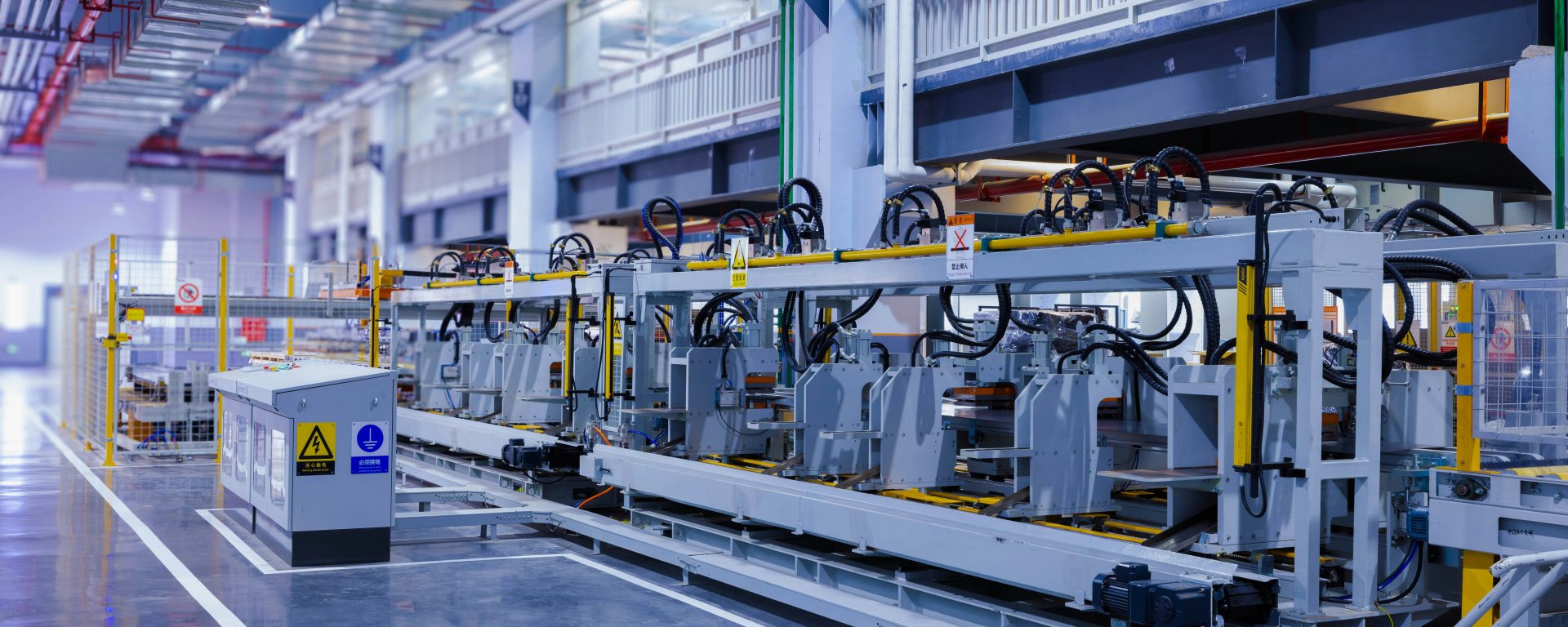
These manufacturing operations typically require highly controlled environments, including ISO-certified cleanrooms, specialized fabrication equipment, precision testing and quality control systems, and complex supply chains spanning multiple countries. The capital-intensive nature of these facilities, combined with the technical expertise required and the high value of finished products, creates a unique risk profile that demands specialized insurance solutions.
Key Risks Facing Technology Components Manufacturers
Equipment and Machinery Risks
Technology components manufacturing relies on some of the most expensive and sophisticated equipment in any industry. A single lithography machine for semiconductor production can cost over £100 million, while other specialized tools including deposition systems, etching equipment, ion implanters, and metrology instruments represent enormous capital investments.
Equipment breakdown can halt production entirely, and the specialized nature of these machines means replacement parts may take months to procure. Contamination of equipment can compromise entire production runs, and calibration errors can result in defective batches worth millions of pounds.
Cleanroom and Environmental Risks
Most emerging technology components require production in controlled cleanroom environments where even microscopic particles can ruin products. Contamination events from airborne particles, chemical spills, human error, or HVAC system failures can necessitate complete facility shutdowns for decontamination.
Power fluctuations or outages can disrupt sensitive processes, while humidity and temperature variations outside narrow tolerances can compromise production. The cost of maintaining cleanroom standards is substantial, and any breach can result in significant financial losses.
Supply Chain Vulnerabilities
Technology components manufacturing depends on complex global supply chains for rare earth materials, specialized chemicals and gases, precision components, and substrate materials. Supplier failures, geopolitical disruptions, transportation delays, and quality issues with incoming materials can all halt production or compromise product quality.
The just-in-time nature of many operations means minimal buffer inventory, making manufacturers particularly vulnerable to supply chain interruptions. Single-source suppliers for critical materials create additional concentration risk.
Intellectual Property and Cyber Risks
Emerging technology manufacturers possess valuable intellectual property including proprietary manufacturing processes, chip designs and architectures, material formulations, and quality control methodologies. This IP attracts sophisticated cyber threats from state-sponsored actors, industrial espionage, ransomware attacks, and insider threats.
A successful cyber attack can result in stolen trade secrets, production system disruption, compromised product integrity, and regulatory penalties for data breaches. The interconnected nature of modern manufacturing systems creates multiple potential attack vectors.
Product Liability and Recall Risks
Components manufactured for emerging technologies often end up in safety-critical applications including medical devices, autonomous vehicles, aerospace systems, and critical infrastructure. A defect in components can lead to product failures in downstream applications, massive recall costs, liability claims from customers, and reputational damage that impacts future business.
The complexity of modern components means defects may not become apparent until products have been in the field for extended periods, creating long-tail liability exposure.
Business Interruption Risks
Given the capital-intensive nature and high fixed costs of technology manufacturing facilities, any interruption to production can quickly result in substantial losses. Equipment breakdown, contamination events, utility failures, supply chain disruptions, and cyber attacks can all halt operations.
The time required to restore production in a highly specialized facility can extend for weeks or months, during which fixed costs continue while revenue stops. Customer contracts may include penalty clauses for delivery failures, compounding financial losses.
Essential Insurance Coverage for Technology Components Manufacturers
Commercial Combined Insurance
A comprehensive commercial combined policy forms the foundation of protection for technology components manufacturers. This should include property insurance covering buildings, specialized manufacturing equipment, inventory and work-in-progress, and cleanroom infrastructure at replacement cost values that reflect the true cost of specialized equipment.
Business interruption coverage is critical, with sum insured amounts calculated to cover extended periods of disruption and including coverage for increased costs of working to maintain operations during recovery. Public liability insurance should provide substantial limits given the potential for large claims, while employers liability protects against workplace injury claims from employees.
Equipment Breakdown Insurance
Given the critical importance and high value of manufacturing equipment, specialized equipment breakdown insurance is essential. This should cover mechanical and electrical breakdown, contamination of equipment, calibration errors, and power surge damage.
Coverage should extend beyond simple repair costs to include expedited shipping of replacement parts, specialist technician call-out costs, temporary equipment rental, and business interruption resulting from equipment failure. Agreed value coverage ensures adequate compensation for specialized equipment that may be difficult to value using standard depreciation methods.
Cyber Insurance
Technology manufacturers face sophisticated cyber threats requiring comprehensive cyber insurance coverage. This should include coverage for business interruption from cyber attacks, data breach response costs, cyber extortion and ransomware payments, system restoration costs, and third-party liability for compromised products.
Coverage should specifically address risks to operational technology and manufacturing systems, not just IT infrastructure. Intellectual property theft coverage and regulatory defense costs are also important considerations for this sector.
Professional Indemnity Insurance
For manufacturers providing design services or technical consulting alongside component production, professional indemnity insurance protects against claims of professional negligence, design errors, failure to meet specifications, and breach of confidentiality.
This coverage is particularly important when manufacturers work closely with customers on custom component development or provide technical advice on component integration and application.
Product Liability Insurance
Comprehensive product liability coverage is essential given the potential for components to be incorporated into safety-critical applications. Coverage should include completed operations liability, product recall costs, defense costs for liability claims, and worldwide coverage given global distribution of products.
Limits should be substantial, potentially in the tens of millions of pounds, reflecting the potential scale of claims if defective components cause failures in downstream applications.
Stock and Transit Insurance
Technology components represent high-value inventory requiring specialized coverage. Stock insurance should cover raw materials, work-in-progress, finished goods, and goods held in trust at full replacement value. Transit insurance should cover domestic and international shipments, including air freight for high-value components.
Coverage should address the specific risks of technology components including sensitivity to environmental conditions, high theft risk, and potential for damage during handling.
Environmental Liability Insurance
Manufacturing processes often involve hazardous chemicals and materials requiring environmental liability coverage. This should include pollution liability, cleanup costs, third-party claims from environmental damage, and regulatory defense costs.
Coverage should address both sudden and gradual pollution events and include coverage for contamination of soil and groundwater.
Risk Management Strategies
Equipment Maintenance Programs
Implementing rigorous preventive maintenance schedules, conducting regular calibration and testing, maintaining detailed equipment logs, and establishing relationships with specialist service providers can significantly reduce equipment breakdown risks.
Predictive maintenance using IoT sensors and data analytics can identify potential failures before they occur, while maintaining critical spare parts inventory reduces downtime when repairs are needed.
Cleanroom Protocols
Strict cleanroom protocols including comprehensive staff training, regular environmental monitoring, validated cleaning procedures, and controlled access systems help prevent contamination events. Regular testing of HVAC and filtration systems ensures environmental controls remain effective.
Supply Chain Resilience
Diversifying suppliers where possible, maintaining strategic inventory buffers for critical materials, developing alternative sourcing strategies, and conducting regular supplier audits all enhance supply chain resilience. Collaborative relationships with key suppliers can provide early warning of potential disruptions.
Cybersecurity Measures
Robust cybersecurity requires network segmentation between IT and OT systems, regular security assessments and penetration testing, employee training on security awareness, multi-factor authentication and access controls, and regular backup and disaster recovery testing.
Incident response plans should be developed and regularly tested to ensure rapid response to cyber events.
Quality Control Systems
Comprehensive quality control including in-process inspection, final product testing, statistical process control, traceability systems, and regular quality audits helps identify defects before products reach customers, reducing product liability exposure.
Choosing the Right Insurance Provider
When selecting insurance for technology components manufacturing, look for insurers with experience in advanced manufacturing sectors, understanding of cleanroom operations and specialized equipment, and capacity to provide adequate limits for high-value risks.
Providers should offer risk engineering services to help identify and mitigate exposures, flexible policy structures that can adapt to rapidly changing technology, and claims handling expertise in complex technical claims. Global coverage capabilities are important for manufacturers with international operations or customer bases.
The Claims Process
In the event of a loss, immediately notify your insurance broker and insurer, document the incident thoroughly with photographs and detailed records, preserve evidence and damaged equipment where possible, and implement emergency measures to prevent further loss.
Engage specialist loss adjusters experienced in technology manufacturing, maintain detailed records of all costs incurred, and cooperate fully with insurer investigations. For business interruption claims, maintain detailed financial records demonstrating lost revenue and continuing expenses.
Cost Factors and Premium Considerations
Insurance premiums for technology components manufacturers are influenced by facility value and equipment replacement costs, cleanroom classification and controls, manufacturing processes and materials used, quality control systems, and claims history.
Risk management measures including preventive maintenance programs, cybersecurity controls, supply chain resilience, and business continuity planning can help reduce premiums. Higher deductibles can lower premium costs but should be balanced against the organization's risk tolerance and financial capacity.
Regulatory Compliance
Technology components manufacturers must comply with various regulations including environmental regulations for hazardous materials, health and safety requirements, export controls for sensitive technologies, and data protection regulations. Insurance policies should include coverage for regulatory defense costs and penalties where insurable.
Conclusion
Emerging technology components manufacturing represents the frontier of industrial innovation, but with cutting-edge technology comes complex and substantial risks. From multi-million-pound equipment and sensitive cleanroom environments to sophisticated cyber threats and global supply chain vulnerabilities, manufacturers in this sector face unique challenges that demand specialized insurance solutions.
Comprehensive insurance coverage tailored to the specific needs of technology components manufacturers provides essential financial protection against the wide range of risks facing these operations. By combining robust insurance with proactive risk management strategies, manufacturers can protect their substantial investments while maintaining the operational resilience needed to meet customer commitments and support continued innovation.
The right insurance program does more than simply transfer risk—it provides peace of mind that allows management to focus on innovation and growth rather than worry about potential catastrophic losses. As the emerging technology sector continues to evolve and expand, working with insurance professionals who understand the unique challenges of this industry becomes increasingly important.
Whether you're manufacturing semiconductor components, AI accelerators, quantum computing elements, or other advanced technology products, investing in comprehensive, specialized insurance coverage is not just prudent risk management—it's essential business infrastructure that supports long-term success and sustainability in one of the world's most demanding and rewarding industries.
Frequently Asked Questions
What makes insurance for technology components manufacturing different from standard manufacturing insurance?
Technology components manufacturing requires specialized coverage for extremely high-value equipment, cleanroom environments, intellectual property, and the unique risks associated with producing components for safety-critical applications. Standard manufacturing policies typically don't provide adequate limits or specific coverage for these exposures.
How much does insurance cost for a technology components manufacturing facility?
Costs vary significantly based on facility size, equipment values, manufacturing processes, and risk management measures. Annual premiums can range from tens of thousands to millions of pounds depending on the scale and complexity of operations.
What happens if a contamination event shuts down our cleanroom?
Comprehensive coverage should include the costs of decontamination, business interruption during the shutdown period, spoiled work-in-progress, and increased costs of working to maintain customer relationships during recovery.
Is intellectual property theft covered under standard cyber insurance?
Not always. Technology manufacturers should specifically ensure their cyber policy includes coverage for IP theft and trade secret misappropriation, as standard policies may exclude or limit this coverage.
How long does it take to settle a major equipment breakdown claim?
Complex equipment claims can take several months to settle, particularly if specialist loss adjusters need to assess highly technical equipment. Interim payments may be available to support cash flow during the claims process.
Do I need separate insurance for products exported internationally?
Your policy should include worldwide coverage for both product liability and transit risks. Verify that coverage extends to all countries where you sell products, as some policies exclude certain jurisdictions.
What if our suppliers experience disruptions that halt our production?
Contingent business interruption coverage can protect against losses resulting from supplier failures. This optional coverage should be specifically added to your policy.
How can we reduce insurance premiums without compromising coverage?
Implementing robust risk management programs, maintaining excellent safety records, investing in preventive maintenance, and enhancing cybersecurity can all help reduce premiums while actually improving protection.
Are research and development activities covered?
R&D activities may require separate coverage or policy extensions, particularly if experimental processes or materials are involved. Discuss R&D activities specifically with your insurer.
What should we do immediately after a major loss event?
Contact your broker and insurer immediately, ensure safety of personnel, document everything with photographs and detailed notes, preserve evidence, implement emergency measures to prevent further loss, and begin compiling financial records for potential business interruption claims.


 My Account