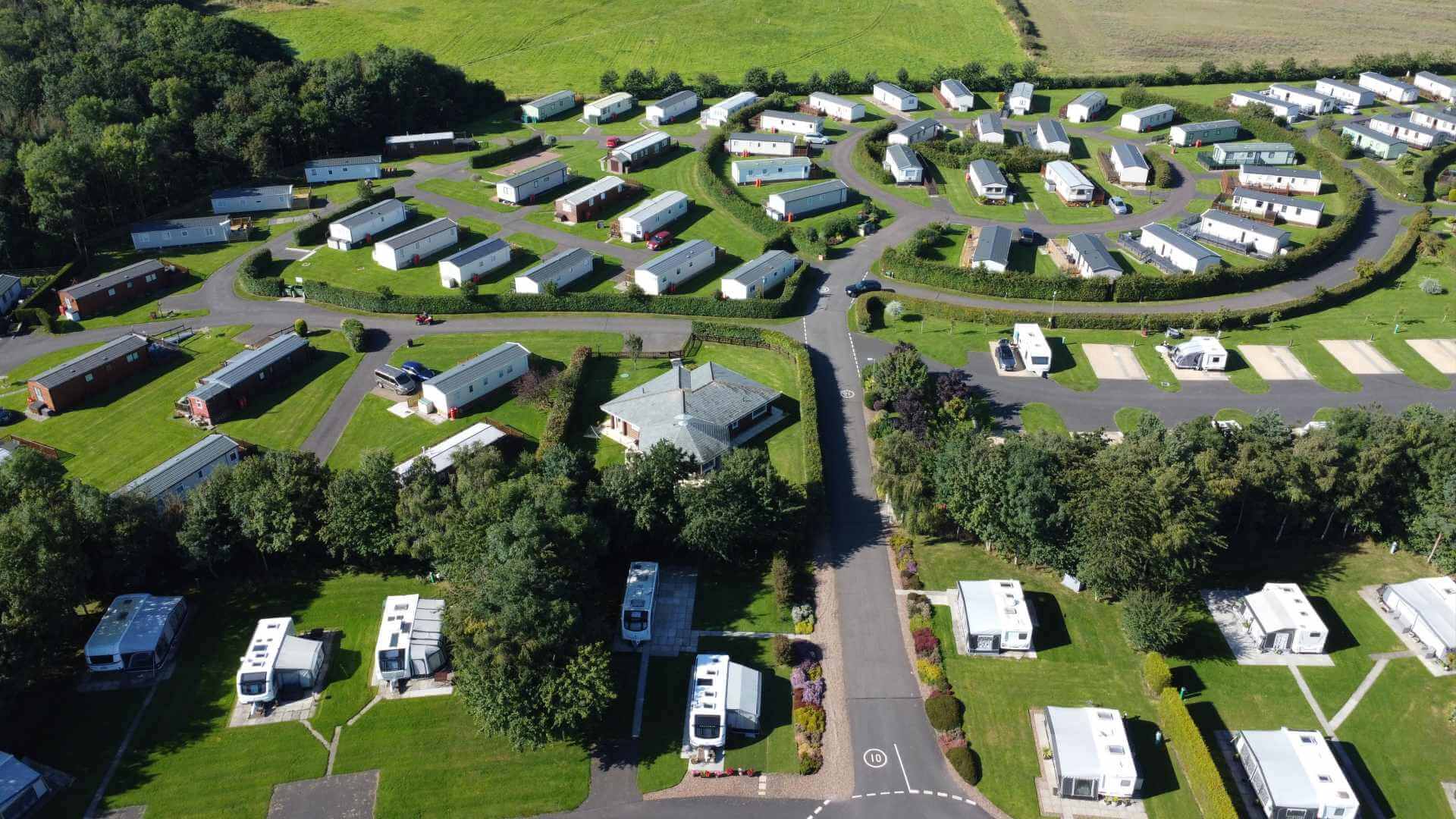
Dog-Friendly Caravan Parks – Are You Covered for Animal Incidents?
Introduction: dog-friendly is great for bookings… and risk
Dog-friendly caravan parks are a huge draw. Guests stay longer, spend more on-site, and often become repeat customers because you’ve made travelling with a pet easy.
But welcoming dogs also changes your risk profile. A playful dog can knock over a child. A nervous dog can bite. A dog can damage a caravan, chew electrics, or cause a trip hazard on a lead. Even the most responsible owners can have a bad moment—especially in busy, unfamiliar environments.
So the big question for park owners and operators is simple: if there’s an animal-related incident, are you actually covered?
This guide breaks down the most common dog-related claims in caravan parks, the types of insurance that may respond, the exclusions that can catch you out, and the practical controls that reduce both incidents and premiums.
What counts as an “animal incident” at a caravan park?
An animal incident is any event involving a guest’s dog (or another animal) that leads to:
-
Injury to a person (guest, visitor, contractor, staff member)
-
Damage to property (park property, caravans, lodges, amenities, third-party property)
-
A near-miss that could have become a claim (useful for risk management)
-
A complaint that escalates into a legal allegation (e.g., negligence, failure to control)
In practice, the highest-frequency issues tend to be:
-
Dog bites and scratches
-
Trips and falls caused by leads, bowls, toys, or dogs running across walkways
-
Dog-on-dog incidents that lead to vet bills and disputes
-
Damage to caravans/lodges (chewing, scratching, staining, odours)
-
Fouling and hygiene issues that trigger illness allegations
-
Dogs escaping and causing a road traffic accident
Who is liable: the dog owner or the park?
Many park operators assume the dog owner is always responsible. Often, the owner is liable—but not always.
Liability can shift (or be shared) if the park is alleged to have contributed through negligence. Examples include:
-
Poor signage or unclear rules about leads and restricted areas
-
Inadequate fencing or broken gates that allow dogs to escape
-
Known aggressive dogs allowed to remain on site after complaints
-
Poor lighting or uneven paths that make dog-related trip hazards more likely
-
Overcrowded dog areas with no separation for nervous dogs
-
Staff giving incorrect advice (e.g., “Dogs can be off lead here”) that leads to an incident
In UK claims, it’s common to see allegations framed as “failure to take reasonable precautions.” Even if you ultimately defend the claim, legal costs can be significant.
That’s why the right liability cover (and good documentation) matters.
The core covers to review (and what they do)
Caravan parks typically rely on a mix of covers rather than one policy that magically handles everything. Here are the key ones to review.
1) Public liability insurance
Public liability (PL) is usually the first policy people think of. It can respond if a third party (a guest or visitor) alleges they were injured or their property was damaged due to your negligence.
Animal incidents that may trigger PL include:
-
A guest trips on a lead in a poorly lit walkway and fractures a wrist
-
A dog escapes through a broken gate and causes a cyclist to crash
-
A dog bites a visitor and the claimant argues you failed to enforce rules
Key point: PL is not “dog insurance.” It’s negligence-based. If you’re not negligent, the claim may not succeed—but you still need the policy to help with defence costs.
2) Employers’ liability insurance
If a staff member is injured by a guest’s dog (bite, knock-down, trip), employers’ liability (EL) may respond if the injury arises out of their work.
Examples:
-
A cleaner is bitten while entering a dog-friendly lodge
-
A groundskeeper trips over a lead while doing maintenance
-
A receptionist is injured breaking up a dog fight in reception
EL is compulsory for most UK employers, but the limits and conditions still matter.
3) Property insurance (buildings, contents, and park assets)
Property cover can help if dogs damage your buildings, fixtures, or contents—subject to policy terms.
Potential dog-related property claims:
-
Damage to doors, flooring, soft furnishings in a park-owned lodge
-
Chewed wiring leading to electrical damage
-
Damage to communal areas (clubhouse, reception, café)
Watch-outs:
-
Wear and tear exclusions (damage that looks like gradual deterioration)
-
“Malicious damage” wording (some insurers treat pet damage differently)
-
Excess levels (small claims may not be worth submitting)
4) Business interruption insurance
If a serious incident leads to closure of facilities, reputational fallout, or repairs that take units out of service, business interruption (BI) can help replace lost gross profit—again, subject to triggers.
BI usually requires an insured property damage event. So if you close a block of lodges for deep cleaning after an alleged contamination issue, that may not be covered unless the policy includes specific extensions.
5) Legal expenses insurance
Legal expenses can be valuable for:
-
Defending liability claims
-
Employment disputes following an incident
-
Contract disputes with guests (damage charges, cancellations)
Some policies also provide helplines for HR and health & safety guidance.
6) Cyber and data protection (yes, it can link)
This sounds unrelated, but incidents can become messy online. If you take deposits, store guest data, or run Wi‑Fi, a viral complaint can lead to increased scrutiny. Cyber cover won’t pay for a dog bite, but it can help if the incident is paired with a data issue (e.g., a hacked booking system during a crisis).
Common scenarios: what’s likely to be covered (and what isn’t)
Every insurer’s wording differs, but these examples help you pressure-test your cover.
Scenario A: A dog bites another guest
If the injured guest claims against the dog owner, your PL may not be involved.
But if the guest claims you were negligent (e.g., you allowed dogs off lead in a busy area, or you failed to act after prior complaints), your PL may need to respond.
What helps your defence:
-
Clear written rules (lead requirements, restricted areas)
-
Incident logs and prior warnings to owners
-
Signage and enforcement records
Scenario B: A child is knocked over near reception
These claims often allege poor layout, crowding, or lack of control in high-traffic areas.
Your PL may respond if negligence is alleged. Your risk controls matter a lot here:
-
Separate dog waiting area or outdoor tie points
-
“Dogs on lead at all times in reception” signage
-
Staff training on how to manage busy check-in periods
Scenario C: Dog damages a park-owned lodge
Property cover might respond, but many operators handle small pet damage through deposits or cleaning fees.
To reduce disputes:
-
Pet terms in booking conditions (damage, cleaning, odours)
-
Pre-arrival declarations (number of dogs, breeds, behavioural issues)
-
Check-in/check-out inspection process with photos
Scenario D: Dog escapes and causes a road accident
This can become a high-value claim. The injured party may claim against:
Your PL is the likely policy to defend you if you’re alleged to be negligent. Maintenance records are critical.
Scenario E: Staff member bitten while cleaning
EL may respond, particularly if you didn’t have safe systems of work.
Controls:
-
“Dog secured before housekeeping enters” rule
-
Door hangers / checklists
-
Staff empowered to refuse entry if a dog is loose
The exclusions and conditions that catch caravan parks out
This is where many “we thought we were covered” moments come from.
Animal-related exclusions or endorsements
Some policies include restrictions around animals, particularly if you run a petting area, allow certain breeds, or host events.
Even if you don’t own the dogs, insurers may still want to know:
-
Whether dogs are allowed in all units or only designated ones
-
Whether there are breed restrictions
-
Whether you host dog events, shows, training sessions, or agility courses
“No admission of liability” and “notify promptly” conditions
If an incident happens, staff may apologise, offer refunds, or agree to pay vet bills on the spot. That can be interpreted as admitting liability.
Good practice:
-
Train staff to be empathetic without admitting fault
-
Record facts, take photos, gather witness details
-
Notify insurers early when there’s injury or potential escalation
Poor documentation
Insurers love evidence. If you can’t show:
…then defending a claim becomes harder.
Underinsurance and incorrect sums insured
If dog damage leads to a fire (chewed wiring) or major repairs, underinsurance can reduce payouts.
Review:
-
Rebuild costs (not market value)
-
Contents and fixtures in lodges
-
Seasonal stock and equipment
Risk management: practical steps that reduce incidents (and claims)
Insurance is the financial backstop. Risk management is what keeps incidents rare.
Set clear dog rules (and make them easy to follow)
Your rules should be short, visible, and consistent across:
Typical rules include:
-
Dogs on lead in all communal areas
-
Designated off-lead zones only
-
Pick up after your dog (bins provided)
-
No dogs in certain facilities (play areas, pool, some eateries)
-
Maximum dogs per pitch/unit
-
Dogs must not be left unattended in caravans/lodges
-
Quiet hours for barking
Create “dog infrastructure” that prevents problems
Small investments can prevent big claims:
-
Secure dog exercise area with double gates
-
Dog wash stations to reduce mud and slip risks
-
Tie points outside reception and café areas
-
Extra bins and bag dispensers
-
Clear, well-lit paths and anti-slip surfaces
Manage higher-risk situations
-
Separate areas for nervous/reactive dogs if you have a dog field
-
Rules for dogs during events and peak check-in/out times
-
A process for dealing with repeated complaints
Train staff on incident handling
Staff should know:
-
How to de-escalate owner disputes
-
When to call emergency services
-
How to record an incident report
-
When to notify management and insurers
Use deposits and terms to handle property damage
Make it clear (and fair):
-
What counts as chargeable damage
-
Cleaning fees for excessive hair/odours
-
Replacement costs for damaged items
This reduces arguments and helps you recover costs without relying on insurance.
What to ask your broker/insurer (a quick checklist)
When you review cover, ask direct questions:
-
Does our public liability policy respond to claims involving guests’ dogs where negligence is alleged?
-
Are there any animal-related exclusions or endorsements we should be aware of?
-
Do we need to disclose that we’re dog-friendly, and do we have any conditions (signage, rules, designated areas)?
-
Are dog-related incidents treated differently for lodges, caravans, and communal buildings under our property cover?
-
Does employers’ liability cover staff injuries caused by guests’ dogs, and are there any reporting requirements?
-
What incident documentation do you expect us to keep (maintenance logs, signage photos, incident forms)?
-
Are there recommended risk controls that could reduce premium (fencing upgrades, lighting, dog zones)?
A simple incident response plan (keep this in your ops folder)
If an animal incident happens:
-
Make safe: separate dogs, move people away, provide first aid.
-
Record facts: time, location, what happened, who was involved.
-
Collect details: owner details, witness details, photos, CCTV if available.
-
Preserve evidence: don’t repair/clean immediately if it could matter (unless safety requires it).
-
Avoid admissions: be supportive, but don’t accept blame.
-
Report internally: log it, escalate to management.
-
Notify insurers/broker: especially for injuries, bites, road incidents, or anything likely to escalate.
Conclusion: dog-friendly can be a competitive advantage—if you’re properly protected
Being dog-friendly can boost occupancy and loyalty, but it also introduces predictable risks. The good news is that most animal incidents can be reduced with clear rules, good site design, and consistent enforcement.
On the insurance side, the key is understanding what your policies actually cover: public liability for negligence allegations, employers’ liability for staff injuries, property cover for damage to park assets, and legal expenses for disputes.
If you run a dog-friendly caravan park, a quick policy review now—paired with a practical incident plan—can save a lot of stress later.
Call to action
Want a quick review of your caravan park insurance setup—especially around dog-related incidents and liability? Speak to a specialist broker who understands leisure and hospitality risks, and make sure your cover matches how your park actually operates.


 My Account