Do Caravan Park Owners Need Insurance for Privately Owned Units? (UK Guide)
Introduction
If you run a caravan park where guests own their own static caravans or lodges, it’s easy to assume insurance is “the owner’s problem”. In reality, privately owned units (often called POUs) create a shared-risk environment: your land, your infrastructure, your rules, and your reputation sit alongside someone else’s asset.
The short answer is: you may not be legally required to insure the units themselves, but you do need insurance to protect the park business against the risks that come with POUs. This guide explains what’s typically your responsibility, what’s usually the owner’s responsibility, and the covers many UK parks choose to put in place.
What counts as a “privately owned unit” on a caravan park?
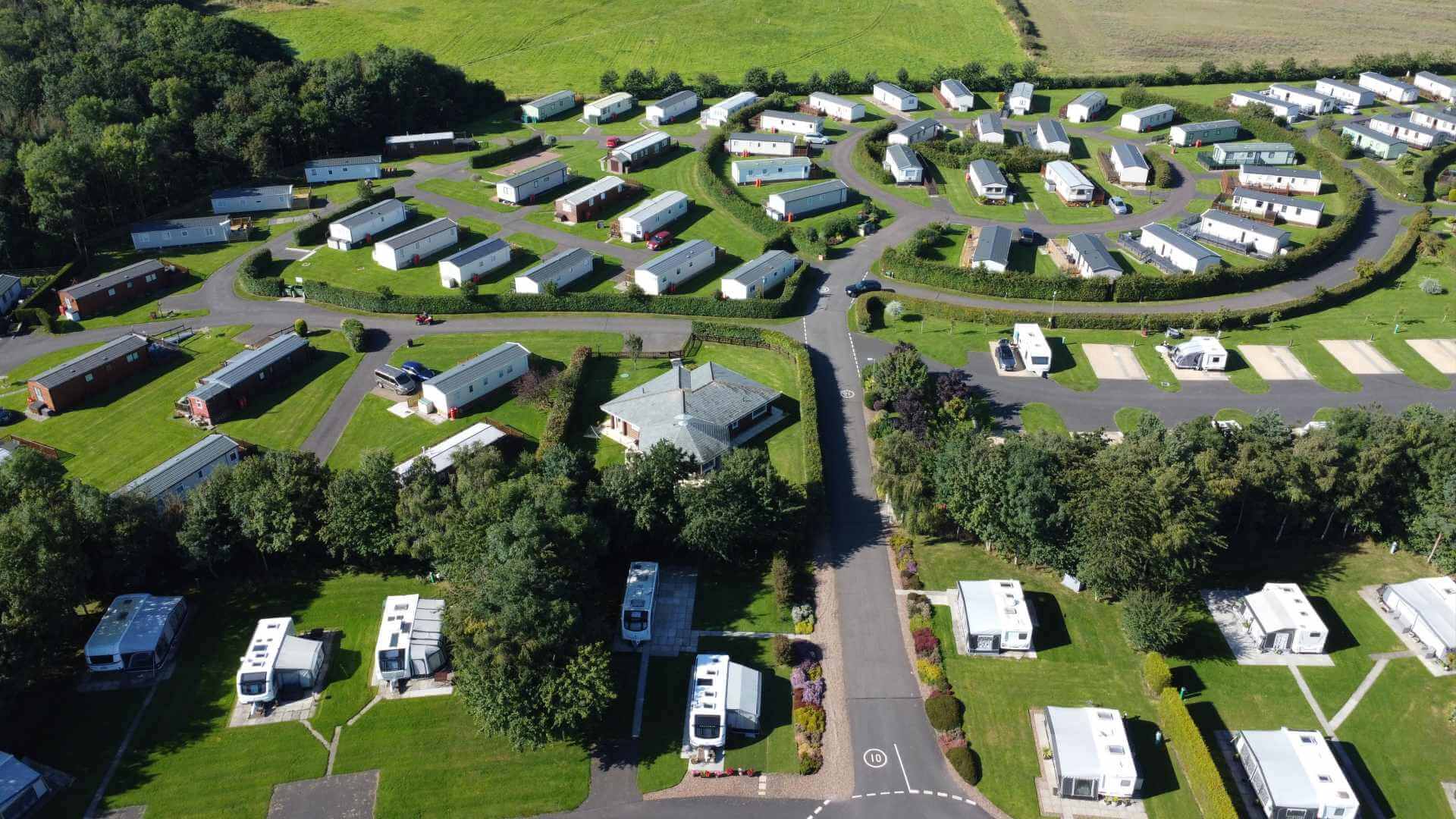
A POU is usually a static caravan or holiday lodge owned by an individual (or company) and sited on your park under a pitch agreement or licence. The owner may use it themselves, let it out privately, or use a park-managed letting scheme.
Key point: even when the unit is privately owned, it sits on your premises and interacts with your services (roads, electrics, gas, water, drainage, refuse, leisure facilities). That’s where your risk exposure tends to increase.
Is insurance legally required for caravan park owners?
There isn’t one single UK law that says “caravan park owners must have X insurance”. But you do have legal duties that make insurance a sensible (and often essential) part of running the business.
Common duties include:
- Health and safety responsibilities for staff, contractors, and visitors on your premises
- Occupiers’ liability duties to keep the site reasonably safe
- Employer’s liability (this one is a legal requirement if you employ staff)
- Contractual obligations (for example, lender requirements, local authority conditions, or agreements with unit owners)
So while you might not be compelled to insure a privately owned caravan as property, you are exposed to claims and costs that can arise from incidents involving POUs.
Park owner vs unit owner: who is responsible for what?
Every park is different, and the exact split depends on your pitch agreement, park rules, and how you manage utilities and letting. But in broad terms:
What the unit owner is usually responsible for
- Insuring the unit itself (static caravan/lodge insurance)
- Contents insurance for personal belongings
- Accidental damage inside the unit
- Owner’s liability linked to their own actions (for example, negligence inside the unit)
- Letting-related cover if they rent it out (public liability, loss of rent, guest damage, etc.)
What the park owner is usually responsible for
- Public liability for the park premises (slips/trips, injuries on roads/paths, incidents in communal areas)
- Employer’s liability for staff
- Property insurance for park-owned buildings (reception, shop, bar, leisure blocks)
- Infrastructure and utilities you own or maintain (roads, lighting, distribution boards, pipework)
- Business interruption if a major incident stops trading
- Legal expenses and claims support
The “grey areas” that cause disputes
These are the situations where parks most often face arguments, complaints, or claims:
- A fire spreads from one unit to another
- A power surge damages appliances in multiple units
- A tree falls onto a privately owned lodge
- A contractor damages a unit while working on park infrastructure
- A guest is injured on a unit’s decking that doesn’t meet park rules
- A unit owner lets their caravan out privately and a guest makes a claim against the park
Insurance doesn’t replace good contracts and site controls, but it can stop one incident turning into a business-threatening cost.
Do you need to insure privately owned units themselves?
In most cases, you do not need to insure the unit as property because you don’t own it. However, there are three common reasons a park may still arrange some form of cover that relates to POUs:
- Contractual expectations: Your pitch agreement may require owners to hold a minimum level of insurance, and you may want evidence and enforcement.
- Risk to the park business: Even if the unit is insured by the owner, you can still face allegations that the park’s negligence contributed (for example, faulty electrics, poor maintenance, inadequate fire separation).
- Park-managed letting schemes: If you manage bookings, cleaning, key handling, or maintenance, your liability exposure increases.
Some parks also explore block insurance arrangements (where the park arranges a scheme and owners pay in). This can improve compliance and reduce gaps, but it needs careful setup and clear documentation.
The core insurance covers caravan parks with POUs should consider
Below are the covers that typically matter most when privately owned units are on site.
1) Public liability (and occupiers’ liability)
This is often the cornerstone policy. It can respond if someone is injured or property is damaged due to alleged negligence connected to the park.
Examples:
- A visitor trips on an uneven path near a unit
- A child is injured on a poorly maintained play area
- A unit owner alleges park negligence after a fire spreads due to inadequate separation or maintenance
What to check:
- Adequate limit of indemnity for your footfall and facilities
- Whether the policy contemplates holiday parks/caravan parks specifically
- Any exclusions around letting, leisure facilities, or water features
2) Employer’s liability
If you employ staff (even part-time or seasonal), employer’s liability is generally required by law. It protects you if an employee is injured or becomes ill due to work.
Examples:
- Grounds staff injured using equipment
- Maintenance staff exposed to hazardous substances
3) Property insurance for park-owned assets
This covers buildings and contents you own: reception, shop, bar/restaurant, storage, plant rooms, workshops, and equipment.
If a major incident occurs on or near POUs, your own buildings can still be affected.
4) Business interruption
A fire, storm, flood, or major incident can reduce income even if the park is not “destroyed”. Business interruption can help cover loss of gross profit and ongoing costs.
For parks with POUs, consider:
- Loss of income from pitch fees
- Seasonal trading patterns
- Additional costs of working (temporary facilities, security, alternative accommodation obligations)
5) Products liability (if you sell goods)
If you run a shop, café, bar, or sell gas, firewood, or other items, products liability may be relevant.
6) Legal expenses
Disputes with unit owners can be expensive even before a claim is proven. Legal expenses cover can help with:
- Contract disputes
- Employment disputes
- Property disputes
- Defence costs for certain claims
7) Directors’ and officers’ liability (D&O)
If you operate as a limited company, D&O can protect directors against claims alleging mismanagement, breach of duty, or regulatory issues.
8) Cyber insurance (if you take bookings or store personal data)
Many parks hold customer data, take card payments, and rely on booking systems. Cyber cover can help with breach response, business interruption, and liability.
Managing the risk: what insurers often want to see
Insurance is easier (and often cheaper) when your park can demonstrate strong controls.
Common insurer expectations include:
- Clear park rules for decking, awnings, BBQs, fire pits, and storage
- Evidence of electrical testing and safe distribution
- Gas safety management where applicable
- Fire risk assessment and practical measures (spacing, extinguishers, signage)
- Tree management and grounds maintenance records
- Contractor management (RAMS, permits to work, proof of contractor insurance)
- A process to check unit owners’ insurance certificates annually
What should you require from privately owned unit owners?
Many parks include minimum insurance requirements in their agreements. Typical requirements might include:
- Static caravan/lodge insurance covering the unit’s rebuild/replacement value
- Public liability for the owner (especially if they let the unit)
- Cover for decking/awnings/outbuildings if permitted
- Evidence of cover provided annually
If you run a letting scheme, you may also require:
- Guest damage cover
- Loss of rent cover
- Compliance with safety checks (e.g., electrical safety)
The goal is not to overcomplicate it, but to avoid gaps that come back to the park when something goes wrong.
Common scenarios: who pays when something goes wrong?
These examples show why parks carry their own insurance even when units are privately owned.
Scenario A: Storm damages a privately owned lodge
- The unit owner’s policy may cover the lodge.
- But if the owner alleges the park failed to maintain trees or structures, the park may face a liability claim.
Scenario B: Fire spreads between units
- The owner’s insurer may pay for their unit.
- The park could still face allegations about spacing, maintenance, or emergency access.
Scenario C: A contractor damages a unit
- The contractor’s public liability may respond.
- If the contractor was appointed by the park, the park may be drawn into the claim.
Scenario D: Guest injury linked to the unit
- If the injury happens inside the unit due to owner negligence, the owner’s liability may respond.
- If the injury is linked to park-managed infrastructure (steps, lighting, paths), the park may be liable.
How to reduce disputes: keep documentation simple and consistent
POUs can be a brilliant revenue model, but they can also create friction if expectations aren’t clear.
Practical steps:
- Make park rules easy to read and easy to enforce
- Define who maintains what (unit, pitch, decking, utilities)
- Keep inspection records (especially for electrics and fire safety)
- Require proof of owner insurance and keep it on file
- Use signage and written guidance for high-risk areas (water, play areas, speed limits)
Quick checklist: do you “need” insurance for POUs?
You likely need insurance that contemplates POUs if:
- You have privately owned static caravans/lodges on site
- You maintain roads, paths, lighting, or utility distribution
- You operate leisure facilities, a bar, or a shop
- You employ staff or contractors
- You run a letting scheme or handle bookings
Even where the unit owner insures their own caravan, the park’s liability exposure remains.
Next step: get the right cover for your park
If you’d like, we can help you review your current setup and identify where the risk sits between the park and the unit owners. The aim is simple: clear responsibilities, fewer disputes, and insurance that responds when you need it.
Call Insure24 on 0330 127 2333 or request a quote via our website.


 My Account