Delphi Technologies: Electronic Systems and Fuel Injection Manufacturing Insurance
Introduction
The automotive component manufacturing sector represents one of the most technologically advanced and risk-intensive industries in modern manufacturing. Companies like Delphi Technologies, which specialize in electronic systems and fuel injection manufacturing, face unique and complex insurance challenges that demand specialized coverage solutions. As these manufacturers navigate the intersection of precision engineering, advanced electronics, and global supply chain management, comprehensive insurance protection becomes not just advisable but essential for business continuity and financial stability.
This guide explores the critical insurance considerations for electronic systems and fuel injection manufacturing operations, examining the specific risks faced by companies in this sector and the insurance solutions designed to protect against them. Whether you operate a large-scale manufacturing facility or a specialized component supplier, understanding your insurance needs is fundamental to protecting your business, employees, and customers.
Understanding the Manufacturing Landscape
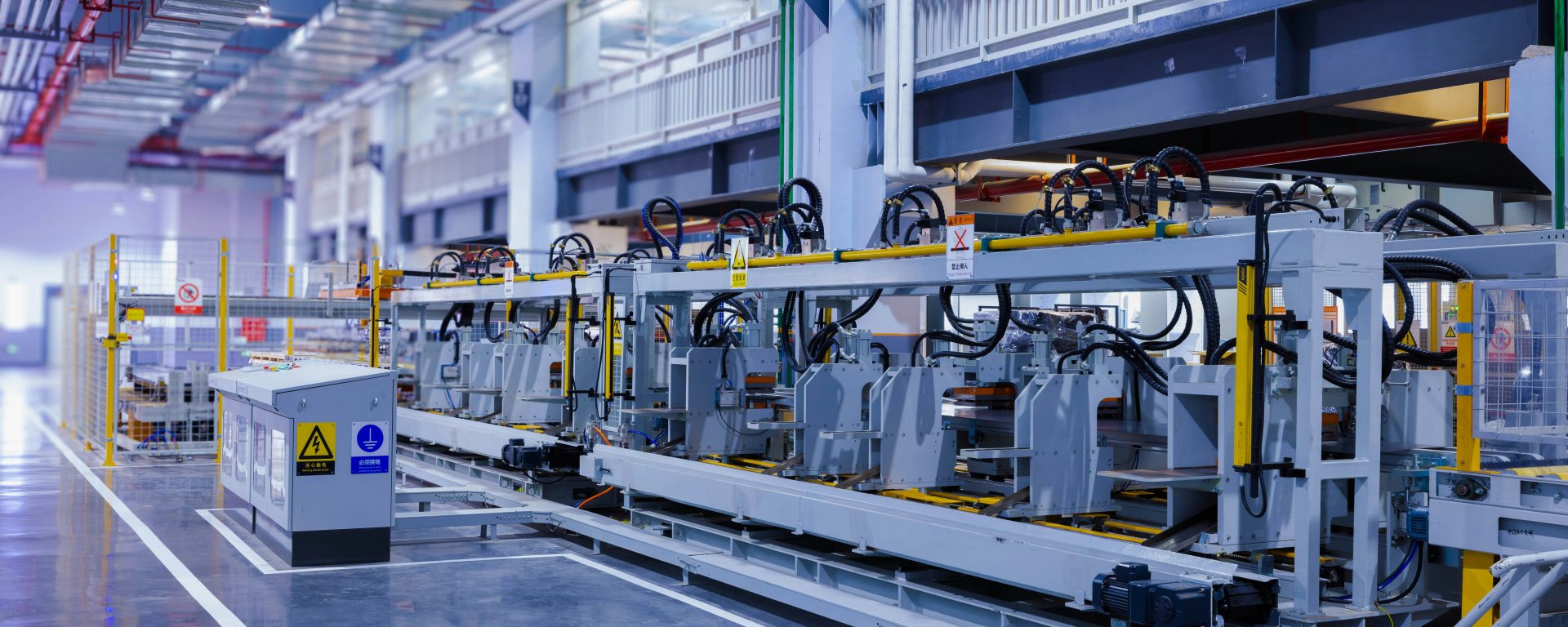
Electronic systems and fuel injection manufacturing operations combine traditional manufacturing processes with cutting-edge technology. These facilities typically house sophisticated machinery, clean room environments, precision testing equipment, and advanced quality control systems. The manufacturing process involves handling sensitive electronic components, working with various materials including metals and plastics, and maintaining exacting tolerances that can measure in microns.
The sector has evolved significantly with the automotive industry's shift toward electrification, hybrid systems, and increasingly complex fuel management technologies. This evolution brings new risks alongside traditional manufacturing hazards, requiring insurance solutions that adapt to technological advancement and market changes.
Key Insurance Risks in Electronic Systems Manufacturing
Product Liability Exposure
Product liability represents perhaps the most significant insurance consideration for electronic systems and fuel injection manufacturers. A single defective component can lead to vehicle recalls affecting thousands or even millions of vehicles worldwide. The financial implications extend beyond the immediate recall costs to include legal defense expenses, settlement payments, and potentially devastating reputational damage.
Electronic fuel injection systems are safety-critical components. Failures can result in engine malfunction, reduced vehicle performance, increased emissions, or in worst-case scenarios, safety incidents. Manufacturers must carry substantial product liability coverage that accounts for the potential scale of recalls and the extended liability period that can span years after production.
Property and Equipment Coverage
Manufacturing facilities for electronic systems and fuel injection components require substantial capital investment in specialized equipment. Clean rooms, precision machining centers, automated assembly lines, testing equipment, and quality control systems represent millions of pounds in assets that must be protected against fire, flood, equipment breakdown, and other perils.
The specialized nature of this equipment means replacement can involve long lead times and significant business interruption. Standard property insurance may prove inadequate without proper valuation and coverage extensions for specialized manufacturing equipment, including coverage for technological obsolescence and the increased cost of working following a loss.
Business Interruption and Supply Chain Risks
Modern automotive manufacturing operates on just-in-time principles with minimal inventory buffers. A production stoppage at an electronic systems or fuel injection manufacturer can halt vehicle production at multiple assembly plants within hours. Business interruption insurance becomes critical, but standard policies may not adequately address the complex interdependencies in automotive supply chains.
Contingent business interruption coverage protects against losses when suppliers or customers experience disruptions. For manufacturers supplying major automotive OEMs, this coverage addresses scenarios where production continues but customers cannot accept deliveries due to their own operational issues.
Cyber and Technology Risks
Electronic systems manufacturers increasingly rely on connected manufacturing systems, industrial IoT devices, and digital supply chain management. This technological integration creates cyber vulnerabilities that can result in production disruption, intellectual property theft, or ransomware attacks.
Cyber insurance for manufacturers must address both traditional IT risks and operational technology exposures. Coverage should include business interruption from cyber events, costs associated with system restoration, intellectual property theft, and potential liability from compromised products containing embedded software vulnerabilities.
Essential Insurance Coverages
Commercial Combined Insurance
A commercial combined policy provides the foundation for manufacturing insurance, bundling property, liability, and business interruption coverage into a comprehensive package. For electronic systems and fuel injection manufacturers, this policy should be carefully structured to address sector-specific exposures.
Property coverage must account for the full replacement value of specialized manufacturing equipment, including the cost of expedited delivery and installation. Business interruption coverage should extend beyond standard periods to reflect the reality that restoring complex manufacturing operations can take months rather than weeks.
Products Liability and Recall Insurance
Dedicated products liability insurance provides coverage for claims arising from defective products, including bodily injury, property damage, and economic losses suffered by third parties. For automotive component manufacturers, policy limits should reflect the potential scale of multi-vehicle recalls and associated costs.
Product recall insurance covers the direct costs of recalling defective products, including notification expenses, logistics, replacement parts, and labor. This coverage operates independently of liability insurance, providing funds to manage recalls proactively before claims materialize.
Professional Indemnity Insurance
Professional indemnity coverage protects against claims arising from professional services, including design errors, specification mistakes, and failure to meet performance standards. For manufacturers providing engineering services alongside physical products, this coverage addresses liability for pure economic losses that may fall outside traditional product liability policies.
Design defects represent a particular concern in electronic systems manufacturing, where errors in circuit design, software programming, or system integration can affect entire production runs. Professional indemnity insurance provides essential protection for these exposures.
Employers Liability and Workers Compensation
Manufacturing environments present numerous employee safety risks, from machinery operation to chemical exposure and repetitive strain injuries. Employers liability insurance provides legally required coverage for employee injury claims, while enhanced policies can include occupational disease coverage relevant to manufacturing environments.
The specialized nature of electronic systems manufacturing means employees often possess valuable technical skills. Key person insurance can protect against the financial impact of losing critical technical staff, while group income protection provides employee benefits that support retention of skilled workers.
Environmental Liability Insurance
Electronic systems and fuel injection manufacturing involves various materials and processes that create environmental exposures. Cleaning solvents, metal plating processes, and electronic waste all require proper management and create potential environmental liability.
Environmental liability insurance covers pollution cleanup costs, third-party claims from environmental damage, and regulatory defense expenses. Coverage should address both sudden pollution events and gradual contamination scenarios that may emerge years after operations.
Marine Cargo and Transit Insurance
Components and finished products frequently move between facilities, suppliers, and customers across international borders. Marine cargo insurance protects goods in transit against physical loss or damage, while stock throughput policies can provide seamless coverage from raw material receipt through finished goods delivery.
For high-value electronic components, coverage should address the full replacement cost including expedited manufacturing if necessary. Transit insurance should also consider the business interruption implications of delayed or damaged shipments.
Risk Management and Loss Prevention
Effective insurance programs complement rather than replace robust risk management practices. Electronic systems and fuel injection manufacturers should implement comprehensive quality management systems, including statistical process control, failure mode and effects analysis, and rigorous testing protocols.
Supplier quality management extends risk control beyond facility walls, ensuring that incoming materials and components meet specifications. Traceability systems enable rapid identification of affected products should quality issues emerge, minimizing recall scope and associated costs.
Fire prevention and protection systems deserve particular attention given the catastrophic potential of manufacturing facility fires. Automatic sprinkler systems, early warning detection, and compartmentalization can significantly reduce both the likelihood and severity of fire losses, often resulting in favorable insurance premiums.
Regulatory Compliance and Insurance
The automotive supply sector operates under stringent regulatory frameworks including ISO/TS 16949 quality standards, environmental regulations, and product safety requirements. Insurance programs should align with regulatory obligations, providing coverage for regulatory defense costs and potential penalties where insurable by law.
Compliance with industry standards demonstrates risk management commitment to insurers, potentially improving coverage terms and pricing. Certifications such as ISO 9001, ISO 14001, and IATF 16949 signal operational maturity that insurers value when assessing risk.
Selecting Insurance Providers
Choosing insurance providers for electronic systems and fuel injection manufacturing requires careful consideration beyond premium costs. Insurers with automotive sector expertise understand the unique risks and can structure policies that address sector-specific exposures rather than applying generic manufacturing coverage.
Claims handling capability represents a critical selection criterion. Manufacturing losses can be complex, involving technical causation analysis, business interruption quantification, and coordination across multiple coverage sections. Insurers with dedicated manufacturing claims teams and engineering expertise provide superior claims outcomes.
Financial strength ratings indicate an insurer's ability to pay claims, particularly important for long-tail exposures like product liability where claims may emerge years after policy inception. Ratings from agencies such as AM Best, Standard & Poor's, or Moody's provide independent assessment of insurer financial stability.
Policy Review and Maintenance
Insurance needs evolve as businesses grow, technologies advance, and risk landscapes shift. Annual policy reviews should assess whether coverage limits remain adequate, particularly for property values that may increase with equipment additions or facility expansions.
Major business changes trigger immediate insurance review requirements. New product launches, facility expansions, acquisitions, or entry into new markets all create insurance implications that require policy adjustments to maintain adequate protection.
Working with specialist insurance brokers who understand automotive manufacturing ensures access to appropriate insurance markets and policy structures. Brokers provide valuable advocacy during claims, helping navigate complex policy language and insurer requirements to optimize claim outcomes.
Cost Management Strategies
Insurance represents a significant operating cost for manufacturers, but several strategies can help manage expenses while maintaining comprehensive protection. Higher deductibles reduce premiums by retaining smaller losses, appropriate for businesses with financial capacity to absorb routine claims.
Loss control investments often generate insurance savings that exceed implementation costs. Sprinkler system installations, enhanced security measures, and formalized safety programs demonstrate risk improvement that insurers reward with premium reductions.
Multi-year policy agreements can provide premium stability and reduce administrative burden, though they require careful structuring to ensure flexibility for business changes. Some insurers offer premium discounts for multi-year commitments, recognizing reduced acquisition costs and improved risk selection.
Future Insurance Considerations
The automotive industry's transformation toward electrification and autonomous vehicles creates evolving insurance implications for component manufacturers. Electronic systems manufacturers supplying electric vehicle components face different risk profiles than traditional fuel injection suppliers, requiring insurance programs that adapt to changing product portfolios.
Emerging technologies including artificial intelligence in manufacturing, additive manufacturing techniques, and advanced materials introduce new risks alongside opportunities. Insurance markets continue developing coverage solutions for these emerging exposures, requiring ongoing dialogue between manufacturers and insurers.
Conclusion
Electronic systems and fuel injection manufacturing represents a sophisticated, high-stakes sector where comprehensive insurance protection proves essential for business sustainability. The complex interplay of product liability exposures, property risks, supply chain vulnerabilities, and emerging cyber threats demands carefully structured insurance programs that address sector-specific challenges.
Successful insurance strategies combine adequate coverage limits, appropriate policy structures, and proactive risk management to protect against both routine and catastrophic losses. By working with specialist insurers and brokers who understand automotive manufacturing, companies can develop insurance programs that provide genuine protection rather than merely satisfying contractual requirements.
As the automotive sector continues its rapid evolution, manufacturers must ensure their insurance programs evolve in parallel, addressing new risks while maintaining protection against traditional exposures. Regular policy reviews, open communication with insurance partners, and commitment to risk management excellence position manufacturers to navigate uncertainty while protecting the financial foundation that enables continued innovation and growth.
For electronic systems and fuel injection manufacturers, insurance represents not merely a cost of doing business but a strategic tool that enables confident operation in a complex, high-risk environment. Comprehensive coverage provides the financial security that allows manufacturers to focus on what they do best: producing the precision components that power modern vehicles.


 My Account