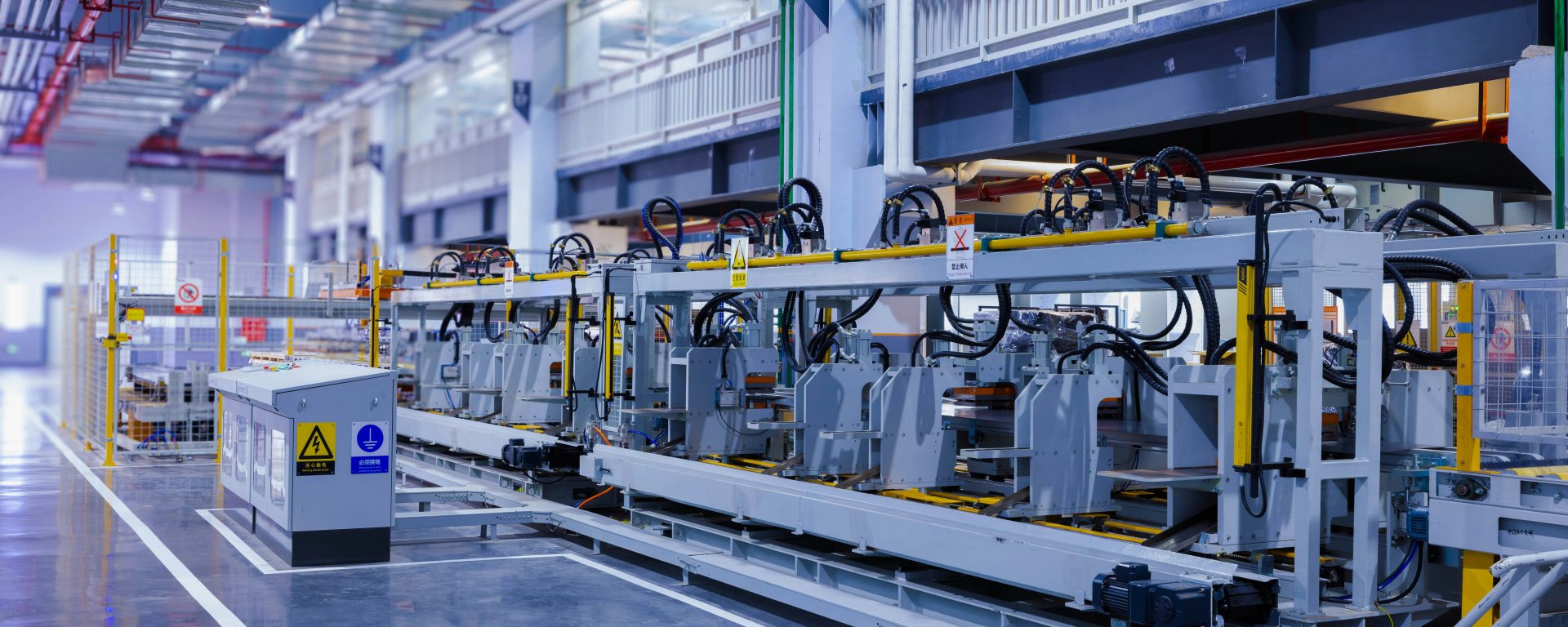
Connectivity Components Manufacturing Insurance: Telematics Units and 5G Modules
Introduction
The connectivity components manufacturing sector represents one of the most dynamic and rapidly evolving industries in modern technology. Manufacturers producing telematics units and 5G modules operate at the cutting edge of innovation, supplying critical components that power everything from connected vehicles to smart cities and industrial IoT applications. However, this technological sophistication comes with unique risks and insurance challenges that require specialized coverage solutions.
Telematics units and 5G modules are essential components in the global push toward connectivity. These devices enable real-time data transmission, remote monitoring, and seamless communication across networks. As demand continues to surge driven by automotive innovation, smart infrastructure development, and the expansion of IoT ecosystems, manufacturers face increasing pressure to maintain quality, meet stringent regulatory standards, and protect against operational and liability risks.
This comprehensive guide explores the insurance landscape for connectivity components manufacturers, examining the specific risks associated with producing telematics units and 5G modules, the coverage options available, and best practices for protecting your manufacturing operation.
Understanding the Connectivity Components Manufacturing Sector
What Are Telematics Units?
Telematics units are sophisticated electronic devices that combine telecommunications and informatics to transmit data over long distances. These units are commonly found in vehicles, fleet management systems, insurance telematics programs, and asset tracking applications. Modern telematics units integrate GPS technology, cellular communication, sensors, and processing capabilities to collect, process, and transmit real-time data about location, speed, driving behavior, vehicle diagnostics, and operational performance.
The automotive sector represents the largest market for telematics units, with applications ranging from usage-based insurance and stolen vehicle recovery to advanced driver assistance systems and autonomous vehicle development. Beyond automotive applications, telematics units are deployed in construction equipment, agricultural machinery, shipping containers, and various industrial assets.
What Are 5G Modules?
5G modules are compact, integrated communication devices that enable equipment and devices to connect to fifth-generation cellular networks. These modules provide high-speed, low-latency wireless connectivity essential for applications requiring real-time data transmission and processing. 5G modules are fundamental components in smartphones, tablets, routers, industrial equipment, medical devices, and IoT applications across virtually every sector.
The manufacturing of 5G modules involves complex processes including semiconductor fabrication, precision assembly, antenna integration, software programming, and rigorous testing to ensure compliance with international telecommunications standards. Manufacturers must navigate rapidly evolving technology standards, intense competition, and demanding quality requirements from customers across diverse industries.
Key Risks in Connectivity Components Manufacturing
Product Liability Risks
Product liability represents one of the most significant exposures for connectivity components manufacturers. A defective telematics unit could fail to transmit critical safety data in a vehicle, potentially contributing to accidents or preventing emergency response. Similarly, a faulty 5G module could cause communication failures in medical devices, industrial control systems, or public safety equipment.
Product recalls in the electronics sector can be extraordinarily expensive, involving not only the cost of replacing defective components but also the expense of identifying affected products across complex supply chains, managing customer communications, and addressing potential litigation. Given that telematics units and 5G modules are often integrated into high-value end products, the financial consequences of product failures can be substantial.
Manufacturers also face liability for cybersecurity vulnerabilities in their products. Telematics units and 5G modules that contain security flaws could expose end users to data breaches, unauthorized access, or malicious attacks, creating liability exposure for the component manufacturer.
Equipment and Machinery Breakdown
The production of connectivity components requires specialized, expensive manufacturing equipment including automated assembly lines, precision soldering systems, testing equipment, clean room facilities, and quality control instrumentation. Equipment breakdown can halt production, delay customer deliveries, and result in significant financial losses.
Modern manufacturing facilities rely heavily on interconnected systems and automated processes. A failure in one critical piece of equipment can cascade through the production line, affecting multiple manufacturing stages and potentially compromising product quality across entire production runs.
Supply Chain Disruption
Connectivity components manufacturing depends on complex global supply chains for specialized materials including semiconductors, printed circuit boards, sensors, antennas, connectors, and various electronic components. Disruptions to these supply chains whether caused by natural disasters, geopolitical events, supplier failures, or transportation issues can severely impact manufacturing operations.
The semiconductor shortage that affected global industries in recent years highlighted the vulnerability of electronics manufacturers to supply chain disruptions. For telematics and 5G module manufacturers, inability to source critical components can result in production delays, contract penalties, and loss of market share to competitors.
Intellectual Property and Cyber Risks
Innovation drives the connectivity components sector, making intellectual property protection critical. Manufacturers invest heavily in research and development to create proprietary designs, manufacturing processes, and software solutions. Theft of intellectual property whether through cyber attacks, industrial espionage, or employee misconduct can undermine competitive advantage and result in significant financial losses.
Cyber attacks targeting manufacturing systems can disrupt production, compromise product designs, steal customer data, or introduce malicious code into products. As manufacturing facilities become increasingly connected and automated, cybersecurity risks continue to escalate.
Regulatory Compliance and Standards
Connectivity components must comply with numerous regulatory standards and certifications including FCC regulations in the United States, CE marking in Europe, telecommunications standards, electromagnetic compatibility requirements, and industry-specific certifications. Non-compliance can result in product recalls, market access restrictions, fines, and reputational damage.
The regulatory landscape for 5G technology continues to evolve as governments worldwide establish frameworks for spectrum allocation, security requirements, and technical standards. Manufacturers must stay current with changing regulations across multiple jurisdictions while maintaining production efficiency.
Business Interruption
Manufacturing facilities face various threats that can interrupt operations including fires, floods, equipment failures, utility outages, cyber attacks, and supply chain disruptions. For manufacturers operating on tight margins with demanding delivery schedules, even brief interruptions can result in substantial financial losses, contract penalties, and customer defections.
The specialized nature of connectivity components manufacturing means that alternative production capacity may not be readily available. Unlike more commoditized manufacturing sectors, finding substitute suppliers for specialized telematics units or 5G modules can be challenging, making business continuity particularly critical.
Essential Insurance Coverage for Connectivity Components Manufacturers
Commercial Combined Insurance
Commercial combined insurance provides a comprehensive foundation for connectivity components manufacturers, bundling multiple coverage types into a single policy. This typically includes buildings and contents insurance to protect manufacturing facilities, equipment, inventory, and finished goods against fire, theft, flood, and other perils.
For manufacturers, equipment coverage is particularly important given the high value of specialized manufacturing machinery. Policies should provide replacement cost coverage rather than actual cash value to ensure that damaged equipment can be replaced with equivalent modern technology rather than depreciated value.
Business interruption coverage within a commercial combined policy compensates for lost income and continuing expenses when operations are disrupted by covered perils. This coverage is essential for maintaining financial stability during recovery periods following fires, equipment failures, or other insured events.
Product Liability Insurance
Product liability insurance is absolutely essential for connectivity components manufacturers. This coverage protects against claims arising from defective products that cause injury, property damage, or financial loss to third parties. Given the critical applications of telematics units and 5G modules in vehicles, medical devices, and infrastructure systems, the potential liability exposure is substantial.
Comprehensive product liability coverage should include defense costs, settlements, and judgments arising from product defect claims. Policies should provide adequate limits reflecting the potential severity of claims, considering that a single defective component could be integrated into thousands or millions of end products.
Manufacturers should ensure their product liability coverage extends to products distributed globally, as connectivity components are typically sold into international markets with varying legal standards and liability frameworks.
Professional Indemnity Insurance
Professional indemnity insurance protects manufacturers against claims arising from professional advice, design services, technical specifications, or consulting services provided to customers. For connectivity components manufacturers who work closely with customers to develop customized solutions or provide technical guidance on product integration, professional indemnity coverage is important.
This coverage addresses claims that the manufacturer's advice, specifications, or design recommendations were inadequate, incorrect, or resulted in financial loss to the customer. As telematics and 5G technology become more complex, customers increasingly rely on manufacturer expertise, creating potential professional liability exposure.
Cyber Insurance
Cyber insurance has become essential for connectivity components manufacturers given the increasing sophistication of cyber threats and the critical importance of protecting intellectual property, customer data, and manufacturing systems. Comprehensive cyber coverage should include first-party costs such as incident response, forensic investigation, data recovery, business interruption, and ransom payments.
Third-party liability coverage is equally important, protecting against claims from customers or partners whose data was compromised or whose operations were disrupted due to a cyber incident affecting the manufacturer. Given that connectivity components may contain firmware or software, manufacturers could face liability for security vulnerabilities in their products.
Cyber policies should also address supply chain risks, recognizing that attacks on suppliers or customers can impact the manufacturer's operations and create liability exposure.
Equipment Breakdown Insurance
Equipment breakdown insurance (also called machinery breakdown or boiler and machinery insurance) provides coverage when mechanical or electrical equipment fails due to internal causes such as motor burnout, electrical arcing, mechanical breakdown, or operator error. This coverage is particularly valuable for manufacturers with expensive specialized equipment not adequately covered under standard property policies.
Equipment breakdown policies typically include coverage for repair or replacement costs, expediting expenses to speed recovery, and business interruption losses resulting from equipment failures. Some policies also provide coverage for spoilage of work in progress or raw materials due to equipment failures.
Stock and Inventory Insurance
Connectivity components manufacturers maintain significant inventory including raw materials, work in progress, and finished goods. Stock insurance protects this inventory against damage or loss from fire, theft, flood, and other covered perils. Given the high value and specialized nature of components like semiconductors and precision-manufactured modules, adequate inventory coverage is essential.
Policies should address the full replacement cost of inventory and consider the potential for obsolescence in rapidly evolving technology sectors. Coverage should extend to inventory held at multiple locations including manufacturing facilities, warehouses, and potentially goods in transit.
Transit and Marine Cargo Insurance
Connectivity components manufacturers typically ship products globally and receive materials from international suppliers. Transit insurance (also called marine cargo insurance) protects goods while in transit by land, sea, or air against damage, loss, or theft during transportation.
Comprehensive transit coverage should protect shipments on an all-risks basis, covering a broad range of perils beyond just major casualties. Given the high value and fragility of electronic components, adequate transit insurance is essential for protecting against financial losses during shipping.
Employers Liability Insurance
Employers liability insurance is a legal requirement in the UK and protects manufacturers against claims from employees who suffer injury or illness arising from their employment. Manufacturing environments present various hazards including machinery operation, chemical exposure, repetitive strain injuries, and workplace accidents.
Adequate employers liability coverage should provide sufficient limits to address potential claims, including compensation for injuries, legal defense costs, and associated expenses. Manufacturers should ensure their coverage extends to all employees including temporary workers and contractors working on-site.
Public Liability Insurance
Public liability insurance protects manufacturers against claims from third parties (non-employees) who suffer injury or property damage due to the manufacturer's operations. This could include visitors to manufacturing facilities, delivery personnel, contractors, or members of the public affected by the manufacturer's activities.
For connectivity components manufacturers, public liability exposures might include injuries from facility accidents, damage caused by deliveries or transportation, or incidents at trade shows and customer sites where products are demonstrated.
Risk Management Best Practices
Quality Management Systems
Implementing robust quality management systems is fundamental to managing product liability risks. Manufacturers should maintain ISO 9001 certification or equivalent quality standards, with documented processes for design validation, production control, testing, and traceability.
Comprehensive testing protocols should verify that telematics units and 5G modules meet all technical specifications, regulatory requirements, and customer expectations before products leave the facility. Automated testing systems can improve consistency and reduce the risk of defective products reaching customers.
Cybersecurity Protocols
Given the increasing cyber threats facing manufacturers, implementing comprehensive cybersecurity measures is essential. This includes network segmentation to isolate manufacturing systems from corporate networks, regular security assessments, employee training on phishing and social engineering threats, and incident response planning.
Manufacturers should implement secure development practices for firmware and software embedded in connectivity components, including code reviews, vulnerability testing, and secure update mechanisms. Supply chain security is equally important, with verification processes for components and materials received from suppliers.
Supply Chain Diversification
Reducing dependence on single suppliers for critical components can mitigate supply chain disruption risks. While maintaining multiple suppliers may increase complexity and cost, it provides resilience against supplier failures, geopolitical disruptions, or natural disasters affecting specific regions.
Manufacturers should maintain strategic inventory of critical components with long lead times or single-source suppliers, balancing inventory carrying costs against the risk of production disruptions.
Business Continuity Planning
Comprehensive business continuity plans should address various disruption scenarios including equipment failures, facility damage, cyber attacks, supply chain interruptions, and loss of key personnel. Plans should identify critical business functions, establish recovery time objectives, and document procedures for maintaining or restoring operations.
Regular testing of business continuity plans through tabletop exercises or simulations helps identify gaps and ensures that personnel understand their roles during disruptions. Relationships with alternative suppliers, backup facilities, or contract manufacturers can provide additional resilience.
Regulatory Compliance Programs
Maintaining current knowledge of regulatory requirements across target markets is essential for avoiding compliance issues. Manufacturers should implement compliance management systems that track applicable regulations, manage certification processes, and ensure products meet all required standards before market entry.
Engaging with industry associations, regulatory bodies, and legal advisors helps manufacturers stay informed about evolving requirements and participate in standards development processes.
Choosing the Right Insurance Provider
Industry Expertise
Selecting an insurance provider with specific experience in electronics manufacturing and connectivity components is important. Insurers familiar with the sector understand the unique risks, appropriate coverage levels, and risk management practices relevant to telematics and 5G module manufacturers.
Specialized insurers may offer more comprehensive coverage, more competitive pricing, and better claims handling than general commercial insurers unfamiliar with the sector's specific challenges.
Coverage Customization
Connectivity components manufacturers have unique risk profiles that may not fit standard insurance packages. Working with insurers and brokers who can customize coverage to address specific exposures such as product recall costs, intellectual property protection, supply chain disruptions, and cyber risks ensures adequate protection.
Global Coverage Capabilities
Manufacturers operating internationally or selling into global markets need insurance programs that provide consistent coverage across multiple jurisdictions. Insurers with international networks can provide coordinated coverage, centralized policy management, and consistent claims handling regardless of where losses occur.
Claims Handling Reputation
An insurer's claims handling capability is as important as policy coverage. Manufacturers should research insurers' reputations for fair, efficient claims processing and their experience handling complex claims in the electronics sector. References from other manufacturers can provide valuable insights into insurers' claims performance.
Conclusion
Insurance for connectivity components manufacturers producing telematics units and 5G modules must address a complex array of risks spanning product liability, equipment breakdown, supply chain disruption, cyber threats, and regulatory compliance. As these technologies become increasingly critical to automotive safety, telecommunications infrastructure, and IoT applications, the potential consequences of product failures or operational disruptions continue to grow.
Comprehensive insurance protection combining commercial combined coverage, product liability, professional indemnity, cyber insurance, and specialized coverages tailored to manufacturing operations provides essential financial protection. However, insurance should be viewed as one component of a broader risk management strategy that includes quality management systems, cybersecurity protocols, supply chain resilience, and business continuity planning.
Manufacturers who proactively address risks through both insurance and operational risk management are better positioned to navigate the challenges of this dynamic sector, protect their financial stability, and maintain the trust of customers who depend on their products for critical connectivity applications.
For expert guidance on insurance solutions tailored to your connectivity components manufacturing operation, contact Insure24 at 0330 127 2333 or visit www.insure24.co.uk to discuss your specific requirements with our specialist team.


 My Account