Comprehensive Insurance Guide for Gaskets & Sealing Systems Manufacturing
Introduction to Gaskets & Sealing Systems Manufacturing Insurance
The gaskets and sealing systems manufacturing industry plays a critical role in automotive, aerospace, industrial machinery, and construction sectors. From engine gaskets that prevent oil leaks in vehicles to O-rings used in hydraulic systems and weatherstrips that seal buildings against the elements, these components are essential for preventing leaks, maintaining pressure, and ensuring operational efficiency across countless applications.
Manufacturing gaskets, O-rings, and weatherstrips involves specialized processes, precision equipment, and strict quality control standards. The industry faces unique risks including product failure liability, equipment breakdown, supply chain disruptions, and regulatory compliance challenges. A single defective gasket in an automotive engine or a faulty O-ring in an aerospace application can result in catastrophic failures, expensive recalls, and significant legal liability.
Comprehensive insurance coverage is not just advisable for gaskets and sealing systems manufacturers but essential for business survival. This guide explores the specific insurance needs of the industry, the coverage options available, and how to build a robust risk management strategy that protects your manufacturing operations, workforce, and financial stability.
Understanding the Gaskets & Sealing Systems Manufacturing Industry
Gaskets and sealing systems manufacturing encompasses a diverse range of products and production methods. Engine gaskets are typically manufactured from materials including compressed fiber, rubber, cork, metal, and composite materials, designed to withstand high temperatures and pressures in automotive and industrial engines. O-rings are precision-molded elastomeric seals used in static and dynamic applications across hydraulic systems, pneumatic equipment, and fluid handling systems. Weatherstrips are extruded or molded rubber and plastic seals used in automotive doors, windows, and building construction to prevent air and water infiltration.
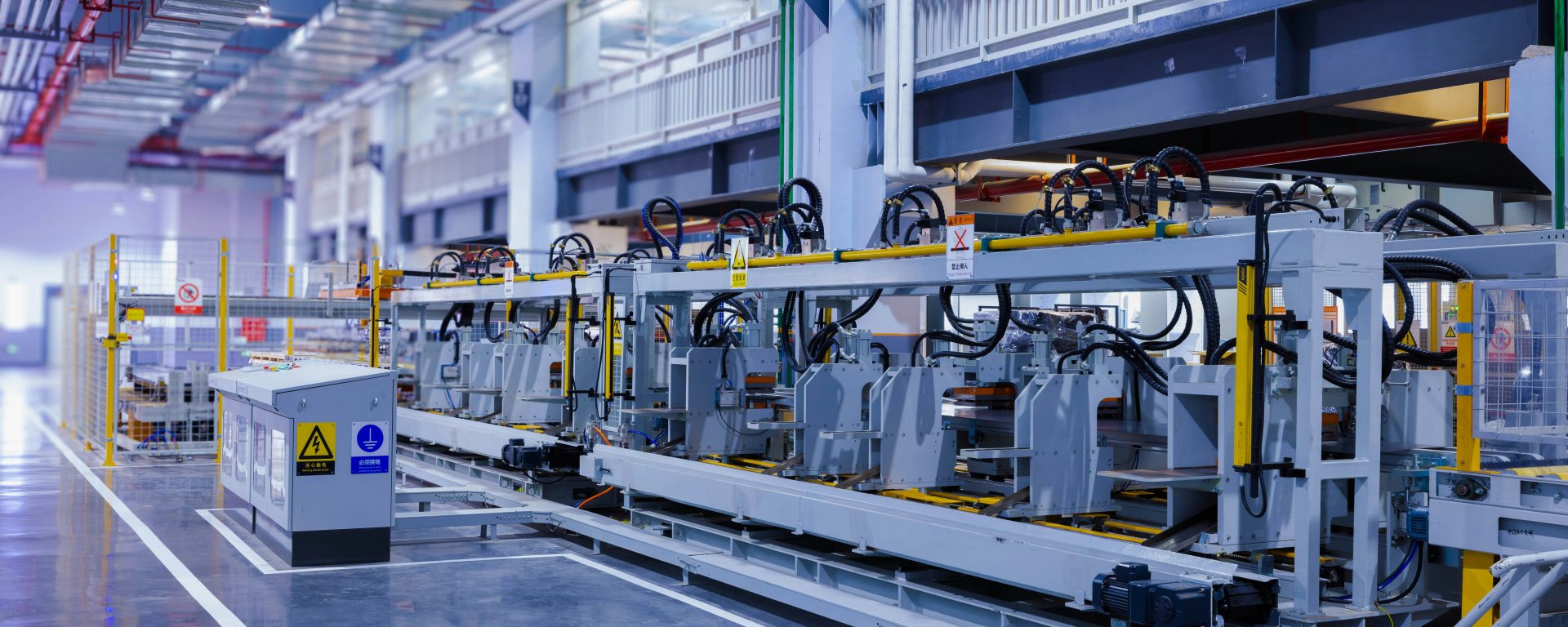
The manufacturing process involves specialized equipment including compression molding machines, injection molding systems, die-cutting equipment, vulcanizing presses, extrusion lines, and precision cutting tools. Many manufacturers maintain clean room environments for critical applications in aerospace and medical devices. Quality control is paramount, with manufacturers employing dimensional inspection systems, pressure testing equipment, material testing laboratories, and statistical process control systems.
The industry serves multiple sectors with varying quality and performance requirements. Automotive manufacturers demand high-volume production with consistent quality and just-in-time delivery. Aerospace applications require stringent certification, traceability, and performance validation. Industrial machinery manufacturers need custom solutions for specific operating conditions. The construction industry requires weatherproofing products that meet building codes and energy efficiency standards.
This diversity of applications and customers creates a complex risk landscape. A manufacturer supplying automotive gaskets faces different liability exposures than one producing O-rings for medical devices or weatherstrips for commercial buildings. Understanding these distinctions is essential for securing appropriate insurance coverage.
Key Risks Facing Gaskets & Sealing Systems Manufacturers
Product liability represents the most significant risk for gaskets and sealing systems manufacturers. A defective engine gasket can cause oil leaks leading to engine seizure, fires, or accidents. A failed O-ring in a hydraulic system can result in equipment failure, workplace injuries, or environmental contamination. Faulty weatherstrips can allow water infiltration causing property damage, mold growth, and structural deterioration. When products fail, manufacturers face claims for property damage, bodily injury, economic losses, and potentially punitive damages.
The consequences of product failure extend beyond individual claims. A widespread defect can trigger costly product recalls affecting thousands or millions of units. Automotive suppliers may face recall costs including notification expenses, return logistics, replacement parts, labor costs, and potential penalties from vehicle manufacturers. The reputational damage from a major recall can result in lost contracts, reduced market share, and long-term business decline.
Equipment breakdown poses another critical risk. Gaskets and sealing systems manufacturing relies on specialized machinery including molding presses, vulcanizing equipment, extrusion lines, and precision cutting systems. A breakdown of key production equipment can halt manufacturing, delay customer deliveries, and result in substantial revenue losses. Repair or replacement costs for specialized manufacturing equipment can reach hundreds of thousands of pounds, and lead times for replacement machinery can extend for months.
Supply chain disruptions can severely impact operations. Manufacturers depend on consistent supplies of raw materials including rubber compounds, elastomers, metal sheets, adhesives, and specialty chemicals. Disruptions from supplier failures, transportation issues, or raw material shortages can force production shutdowns. Many manufacturers maintain just-in-time inventory systems, leaving little buffer for supply interruptions.
Workplace safety risks are inherent in manufacturing operations. Workers operate heavy machinery, handle chemicals and adhesives, work with heated equipment, and perform repetitive tasks that can cause musculoskeletal injuries. Chemical exposures from rubber compounds, solvents, and adhesives can cause respiratory issues, skin conditions, and long-term health effects. Machine-related accidents can result in serious injuries including crush injuries, burns, and amputations.
Environmental liability concerns arise from manufacturing processes. Rubber and elastomer production generates volatile organic compounds and other air emissions. Wastewater from manufacturing processes may contain chemicals requiring treatment before discharge. Waste materials including scrap rubber, contaminated materials, and chemical containers require proper disposal. Environmental violations can result in fines, cleanup costs, and legal liability.
Cyber security threats increasingly impact manufacturers. Production systems, inventory management, customer data, and financial records are vulnerable to cyber attacks. Ransomware attacks can shut down production systems, data breaches can expose customer information, and intellectual property theft can compromise competitive advantages. The integration of manufacturing equipment with computer networks creates additional vulnerabilities.
Essential Insurance Coverage for Gaskets & Sealing Systems Manufacturers
Product Liability Insurance forms the foundation of protection for gaskets and sealing systems manufacturers. This coverage responds to claims alleging that your products caused bodily injury, property damage, or economic losses. Product liability insurance covers legal defense costs, settlements, and judgments arising from product defect claims. Coverage extends to products after they leave your control, protecting against claims arising months or years after manufacture.
For gaskets and sealing systems manufacturers, product liability limits should reflect the potential severity of claims. A failed engine gasket in a commercial vehicle could cause an accident with multiple injuries and fatalities, potentially resulting in claims exceeding several million pounds. Manufacturers supplying aerospace, automotive, or medical device industries should consider limits of at least five to ten million pounds, with umbrella or excess liability policies providing additional protection.
Product recall insurance provides essential protection against the costs of withdrawing defective products from the market. This coverage reimburses expenses including customer notification, product return logistics, replacement product costs, disposal of recalled items, and public relations expenses. For automotive suppliers, recall costs can quickly escalate into millions of pounds. Product recall insurance operates separately from product liability coverage, responding even when no bodily injury or property damage has occurred.
Commercial Property Insurance protects your manufacturing facility, equipment, inventory, and business contents against physical damage from fires, storms, theft, and other covered perils. For gaskets and sealing systems manufacturers, property insurance should cover specialized manufacturing equipment at replacement cost, ensuring you can restore production capacity after a loss. Raw materials inventory, work in progress, and finished goods inventory should all be included in coverage.
Equipment breakdown insurance extends beyond basic property coverage to protect against mechanical and electrical failures of production equipment. This coverage responds to breakdowns from motor burnout, electrical arcing, mechanical failure, operator error, and other causes not covered by standard property policies. Equipment breakdown insurance typically includes coverage for repair costs, expediting expenses to speed repairs, and business interruption losses during the repair period.
Business Interruption Insurance provides crucial protection against income losses when operations are disrupted by covered property damage. When a fire damages your molding equipment or a storm floods your facility, business interruption insurance replaces lost profits and covers continuing expenses including payroll, rent, loan payments, and utilities during the restoration period. For manufacturers with tight delivery schedules and just-in-time production systems, even brief interruptions can result in substantial financial losses and potential loss of key customers.
Contingent business interruption coverage extends protection to losses caused by disruptions at key suppliers or customers. If your primary rubber compound supplier experiences a fire that halts deliveries, contingent business interruption insurance can cover your resulting income losses. This coverage is particularly valuable for manufacturers dependent on sole-source suppliers or serving customers representing a significant portion of revenue.
Employers Liability and Workers Compensation Insurance protects your business and employees when workplace injuries occur. Workers compensation provides medical treatment, wage replacement, and rehabilitation services for injured workers, while employers liability coverage protects against lawsuits alleging negligence in causing workplace injuries. Given the machinery, chemicals, and physical demands of gaskets and sealing systems manufacturing, robust workers compensation coverage is essential.
Commercial General Liability Insurance provides broad protection against third-party claims for bodily injury and property damage occurring on your premises or arising from your operations. This coverage responds to slip and fall accidents by visitors, damage caused by your employees while working at customer sites, and advertising injury claims. General liability insurance complements product liability coverage, providing comprehensive protection against liability exposures.
Commercial Auto Insurance covers vehicles used in your business operations including delivery trucks, service vehicles, and company cars. Coverage should include liability protection for injuries and property damage caused by your vehicles, as well as physical damage coverage for the vehicles themselves. If employees use personal vehicles for business purposes, hired and non-owned auto coverage provides important protection.
Cyber Liability Insurance addresses the growing threat of cyber attacks and data breaches. Coverage includes costs of investigating breaches, notifying affected parties, providing credit monitoring services, legal defense against regulatory actions, and liability for compromised customer data. Business interruption coverage for cyber events protects against income losses when ransomware or other attacks disrupt operations.
Professional Indemnity Insurance may be appropriate for manufacturers providing engineering services, custom design work, or technical consulting alongside manufacturing. This coverage protects against claims alleging errors, omissions, or negligent advice in professional services. Manufacturers developing custom sealing solutions or providing application engineering support should consider professional indemnity coverage.
Industry-Specific Coverage Considerations
Automotive suppliers face unique insurance requirements driven by contractual obligations and industry standards. Vehicle manufacturers typically require suppliers to maintain specific insurance limits, often including product liability coverage of ten million pounds or more, product recall insurance, and comprehensive general liability coverage. Automotive suppliers should ensure their insurance program meets customer requirements and includes coverage for testing, validation, and pre-production activities.
Aerospace manufacturers operate under even more stringent requirements. The aerospace industry demands extensive quality documentation, traceability systems, and certification to standards including AS9100. Insurance programs for aerospace suppliers should include higher product liability limits reflecting the catastrophic potential of aerospace failures, coverage for testing and certification activities, and protection against claims arising from products with decades-long service lives.
Manufacturers serving the medical device industry face regulatory compliance requirements and heightened liability exposures. Medical device manufacturers must comply with FDA regulations, maintain quality management systems meeting ISO 13485 standards, and implement rigorous validation processes. Insurance programs should include product liability coverage specifically designed for medical devices, recall coverage addressing FDA-mandated recalls, and protection against regulatory defense costs.
Custom manufacturers and job shops face different risk profiles than high-volume producers. Custom work involves frequent product changes, prototype development, and small production runs, creating increased potential for errors and quality issues. Insurance programs should address the unique exposures of custom manufacturing including coverage for design services, prototype testing, and small-batch production.
Risk Management Strategies for Manufacturers
Effective risk management reduces insurance costs and protects your business beyond insurance coverage limits. Quality management systems form the foundation of risk control for gaskets and sealing systems manufacturers. Implementing ISO 9001 quality management standards, maintaining documented procedures, conducting regular audits, and employing statistical process control reduces defect rates and demonstrates commitment to quality.
Robust testing and validation protocols prevent defective products from reaching customers. Dimensional inspection, pressure testing, material verification, and performance validation should be integrated into production processes. Maintaining calibrated testing equipment, documenting test results, and implementing clear acceptance criteria strengthens quality control and provides evidence of due diligence in liability claims.
Supplier qualification and monitoring programs reduce supply chain risks. Evaluating supplier quality systems, conducting supplier audits, testing incoming materials, and maintaining approved supplier lists ensures consistent raw material quality. Developing relationships with multiple suppliers for critical materials reduces vulnerability to supply disruptions.
Workplace safety programs protect employees and reduce workers compensation costs. Regular safety training, machine guarding, personal protective equipment, ergonomic workstation design, and chemical safety protocols prevent injuries and illnesses. Implementing safety committees, conducting regular inspections, and investigating incidents to prevent recurrence demonstrates commitment to employee safety.
Preventive maintenance programs minimize equipment breakdown risks. Scheduled maintenance, condition monitoring, spare parts inventory, and equipment replacement planning reduce unexpected failures. Maintaining maintenance records and equipment history supports insurance claims and demonstrates responsible asset management.
Business continuity planning prepares your organization to respond effectively to disruptions. Identifying critical processes, documenting recovery procedures, maintaining backup systems, and testing response plans ensures your ability to resume operations quickly after incidents. Business continuity plans should address various scenarios including equipment failures, supply chain disruptions, facility damage, and cyber attacks.
Selecting the Right Insurance Provider
Choosing an insurance provider with manufacturing industry expertise ensures appropriate coverage and responsive claims handling. Insurers specializing in manufacturing understand the unique risks of gaskets and sealing systems production, offer tailored coverage options, and employ underwriters familiar with industry operations. Look for insurers with experience in your specific market segments whether automotive, aerospace, industrial, or construction.
Working with an insurance broker specializing in manufacturing provides valuable guidance in program design and insurer selection. Experienced brokers understand coverage nuances, can access multiple insurance markets, and advocate for your interests during claims. A knowledgeable broker helps identify coverage gaps, recommends appropriate limits, and structures programs to meet customer requirements.
Policy terms and conditions require careful review. Standard insurance policies may include exclusions or limitations affecting gaskets and sealing systems manufacturers. Pay particular attention to product liability coverage triggers, recall coverage terms, business interruption waiting periods, and equipment breakdown exclusions. Ensure policies address your specific operations including any design services, testing activities, or international sales.
Claims handling capabilities should influence insurer selection. Responsive claims service, experienced adjusters, and fair claim settlements are crucial when losses occur. Research insurer claims reputation, ask for references from similar manufacturers, and understand the claims reporting and handling process before purchasing coverage.
Cost Factors and Premium Considerations
Insurance costs for gaskets and sealing systems manufacturers vary based on numerous factors. Annual revenue, payroll, property values, and sales volume form the basis for premium calculations. Higher revenues and larger operations generally result in higher premiums reflecting increased exposure.
Industry sectors served significantly impact costs. Manufacturers supplying automotive, aerospace, or medical device industries typically face higher premiums reflecting greater liability exposures and more severe potential claims. Industrial and construction applications generally result in lower premiums.
Claims history strongly influences insurance costs. Manufacturers with frequent product liability claims, workplace injuries, or property losses face higher premiums and may struggle to obtain coverage. Maintaining a clean claims history through effective risk management produces substantial long-term savings.
Risk management practices affect pricing. Insurers offer premium credits for quality certifications, safety programs, loss control measures, and business continuity planning. Demonstrating commitment to risk management through documented programs and third-party certifications can reduce premiums by ten to twenty percent or more.
Coverage limits and deductibles allow premium customization. Higher deductibles reduce premiums but increase out-of-pocket costs when claims occur. Balancing deductibles against your financial capacity to absorb losses optimizes insurance costs. Umbrella and excess liability policies provide cost-effective methods to increase liability limits beyond primary policy limits.
Regulatory Compliance and Insurance Requirements
Gaskets and sealing systems manufacturers face various regulatory requirements affecting insurance needs. Environmental regulations governing air emissions, wastewater discharge, and waste disposal may require pollution liability insurance. Manufacturers handling hazardous materials must comply with storage, handling, and reporting requirements.
Automotive industry suppliers must meet customer-specific insurance requirements detailed in supplier agreements. These typically include minimum liability limits, additional insured endorsements, waiver of subrogation provisions, and primary coverage requirements. Failure to maintain required insurance can result in contract termination.
International sales create additional insurance considerations. Products exported to other countries may require coverage for foreign liability exposures, compliance with local insurance regulations, and protection against international transportation risks. Marine cargo insurance protects goods during international shipment.
Frequently Asked Questions
What insurance coverage is most important for gaskets and sealing systems manufacturers?
Product liability insurance is the most critical coverage, protecting against claims that your gaskets, O-rings, or weatherstrips caused injury, property damage, or economic losses. Given the potential severity of product failure consequences, adequate product liability limits are essential for business protection.
How much product liability coverage do gaskets manufacturers need?
Coverage needs vary by industry sector served. Manufacturers supplying automotive or aerospace industries should maintain minimum limits of five to ten million pounds, with many requiring higher limits. Industrial and construction applications may require lower limits, though at least two to five million pounds is advisable.
Does standard property insurance cover specialized manufacturing equipment?
Standard property insurance covers manufacturing equipment, but equipment breakdown insurance provides additional protection for mechanical and electrical failures not covered by basic property policies. This coverage is essential for specialized molding, extrusion, and vulcanizing equipment.
What is product recall insurance and do I need it?
Product recall insurance covers costs of withdrawing defective products from the market including notification, return logistics, replacement, and disposal costs. This coverage is essential for automotive suppliers and highly recommended for all manufacturers given the potential costs of recalls.
How does business interruption insurance work for manufacturers?
Business interruption insurance replaces lost profits and covers continuing expenses when operations are disrupted by covered property damage. Coverage begins after a waiting period (typically 24 to 72 hours) and continues until operations are restored or the policy limit is exhausted.
Are workplace injuries covered by general liability insurance?
No, workplace injuries to employees are covered by workers compensation insurance, not general liability. General liability covers injuries to non-employees including customers, visitors, and contractors on your premises.
Does cyber insurance cover ransomware attacks on manufacturing systems?
Yes, cyber liability insurance typically covers ransomware attacks including ransom payments, system restoration costs, business interruption losses, and legal expenses. Coverage terms vary, so review policy details carefully.
How can I reduce insurance costs for my manufacturing business?
Implement quality management systems, maintain strong safety programs, document risk management practices, maintain a clean claims history, and work with experienced insurance brokers to access competitive markets. Quality certifications and safety programs often qualify for premium discounts.
What insurance do I need if I provide custom design services?
Professional indemnity insurance protects against claims alleging errors or omissions in design services. This coverage complements product liability insurance and is important for manufacturers providing engineering or design services.
Do I need separate coverage for environmental risks?
Standard general liability policies often exclude or limit pollution coverage. Manufacturers with environmental exposures from chemical use, waste generation, or emissions should consider pollution liability insurance providing comprehensive environmental coverage.
Conclusion
Insurance protection is fundamental to the long-term success and stability of gaskets and sealing systems manufacturing businesses. The industry's unique combination of product liability exposures, specialized equipment, supply chain dependencies, and workplace hazards requires comprehensive insurance coverage tailored to manufacturing operations.
A robust insurance program includes product liability coverage with limits appropriate to your industry sectors, product recall insurance protecting against withdrawal costs, property and equipment breakdown coverage ensuring production continuity, business interruption protection replacing lost income, workers compensation covering employee injuries, and cyber liability addressing digital risks.
Beyond purchasing insurance, effective risk management through quality systems, testing protocols, supplier management, workplace safety, and business continuity planning reduces losses and demonstrates commitment to responsible operations. These practices not only reduce insurance costs but strengthen your competitive position and customer relationships.
Working with insurance professionals who understand manufacturing risks ensures appropriate coverage, competitive pricing, and responsive service when claims occur. Regular insurance program reviews ensure coverage keeps pace with business growth, new products, and changing risks.
The investment in comprehensive insurance protection and risk management provides peace of mind, protects your financial stability, and positions your gaskets and sealing systems manufacturing business for sustainable growth in a competitive and demanding industry.


 My Account