

 My Account

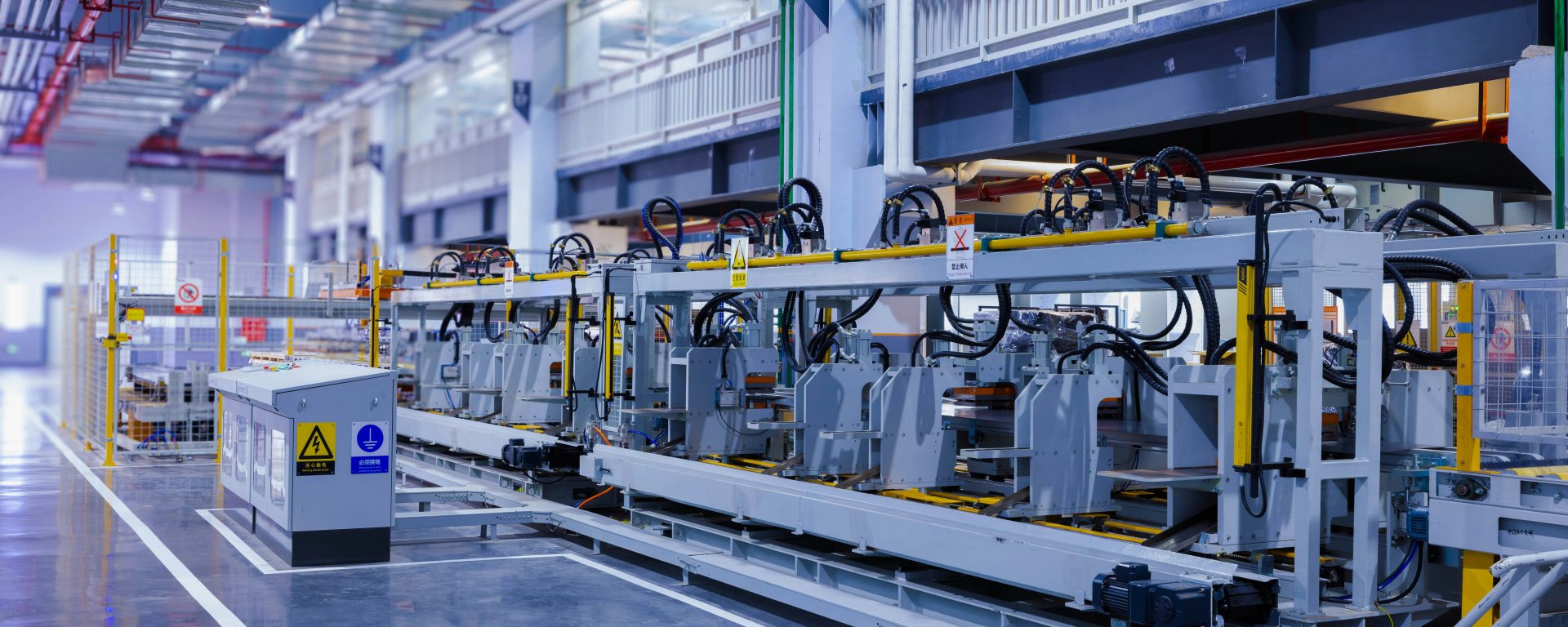
Autonomous Manufacturing Plant Insurance (UK): A Practical Guide to Protecting Robotics, AI and Automated Production
Introduction
Autonomous manufacturing plants are no longer “future tech”. Across the UK, factories are adopting robotics, m…
If you manufacture combustion chambers (or components used inside engines, turbines, boilers, industrial burners, or power-generation systems), you’re dealing with a high-risk mix: heat, pressure, precision engineering, hazardous processes, and strict customer specifications.
In the UK, a single incident can trigger multiple losses at once—property damage, business interruption, product liability, contractual penalties, and even regulatory action. The right insurance programme isn’t just a box-tick; it’s part of keeping production running and protecting your balance sheet.
This guide explains the core insurance covers UK combustion chamber manufacturers typically need, the claims we see most often, and the practical steps that can reduce risk (and premiums).
Most insurers will treat you as a specialist engineering/manufacturing risk if you:
Manufacture combustion chambers or liners for turbines, engines, burners, or boilers
Fabricate high-temperature assemblies (welded, brazed, cast, or additive manufactured)
Machine or finish critical components (CNC, EDM, grinding, coating)
Apply coatings (thermal barrier coatings, plasma spray, HVOF, anodising, heat treatment)
Assemble and test components (pressure testing, flow testing, NDT, metrology)
Supply to regulated or safety-critical sectors (aerospace, automotive, defence, energy)
Even if you don’t make the full chamber, supplying a critical sub-component can still create significant products liability exposure.
Combustion chamber factories tend to share a few recurring risk themes.
Hot works (welding, cutting, grinding)
Furnaces, ovens, heat treatment, curing
Flammable gases, solvents, coatings, and dust
Electrical faults on high-load equipment
CNC machines, EDM, laser cutters
Coating and heat-treatment lines
Test rigs, compressors, extraction systems
A breakdown can stop production for weeks—especially if parts are imported or bespoke.
Combustion chamber parts are often tolerance-critical. A small defect can cause:
Rework and scrap
Customer rejection
Downstream damage (e.g., engine/turbine failure)
Contractual disputes
If your component fails in service, the cost can extend far beyond your invoice value.
Burns, crush injuries, manual handling
Exposure to fumes and particulates
Noise-induced hearing loss
Manufacturers are increasingly targeted due to:
CAD/CAM files and IP
Production scheduling systems
Supplier/customer portals
Below is a practical “stack” of covers most factories consider.
If you employ staff in the UK, Employers’ Liability is usually compulsory (minimum £5m, most policies provide £10m).
Typical EL claims in manufacturing include:
Burns and scalds
Hand/arm injuries from machinery
Respiratory issues from fumes/dust
Slips, trips, and falls
Insurers will look closely at your risk assessments, training records, guarding, and extraction/ventilation.
Public Liability covers claims from third parties (visitors, contractors, neighbouring units) for injury or property damage.
Common scenarios:
A contractor is injured on site
A fire spreads to adjacent premises
A visitor is harmed by a site hazard
For factories, limits often start at £2m–£5m, but £10m is common where contracts demand it.
Products Liability covers injury or property damage caused by your products after they leave your control.
Why it matters here:
Combustion-related failures can be severe
Components may be fitted into high-value equipment
Claims can involve multiple parties (OEMs, integrators, installers)
Insurers will ask about:
End use (aerospace/defence/energy can be higher hazard)
Testing and traceability
Quality standards (e.g., ISO 9001) and inspection processes
Contract terms and limitations of liability
Policies vary, but common limitations include:
The cost to repair/replace your own faulty part (pure “rectification”)
Contractual penalties and liquidated damages
Product guarantee/warranty obligations
This is why wording matters as much as the premium.
If a defect is discovered, recall cover can help with:
Notification and logistics
Collection and disposal
Some third-party costs
PR/crisis management (depending on policy)
For combustion chamber components, recall is most relevant where parts are distributed widely or installed across multiple sites.
Property insurance covers physical loss or damage to:
Buildings (if you own them)
Contents, plant, and equipment
Stock (raw materials, WIP, finished goods)
Key points for combustion chamber factories:
Sum insured accuracy is critical (especially for machinery)
Insurers will want details of fire protection (alarms, sprinklers, compartmentation)
Storage of flammables and gases should be controlled and documented
Business Interruption covers loss of gross profit and increased cost of working after an insured event (like a fire).
For manufacturers, BI is where many underinsurance problems appear.
Indemnity period: 12 months is often too short; 18–24 months may be more realistic for specialist machinery and customer requalification
Gross profit calculation: must reflect your actual trading model
Dependencies: key suppliers, utilities, and customers can be critical
Engineering Breakdown covers sudden and unforeseen mechanical/electrical failure of machinery.
This is highly relevant for:
CNC and EDM equipment
Compressors and extraction systems
Furnaces/ovens/heat-treatment equipment
Coating lines
It can also be paired with:
Engineering BI (loss of profit due to breakdown)
If you ship high-value components, you may need cover for:
Goods in transit (UK)
Marine cargo (imports/exports)
Combustion chamber parts can be fragile, high value, and time-critical—so transit cover and packaging standards matter.
If you operate vans, company cars, or specialist vehicles, you’ll need commercial motor cover. If you’re transporting valuable parts, check:
Carriage of goods limitations
Tools and equipment cover
Overnight security requirements
If you provide design input, engineering advice, specifications, or sign-off, Professional Indemnity can be essential.
PI typically responds to:
Financial loss due to negligence in professional services
Design errors leading to rework, delays, or performance failures
Even if you “only manufacture”, contracts sometimes push design responsibility onto suppliers—so it’s worth checking your terms.
Cyber can cover:
Ransomware and business interruption
Data restoration
Incident response and forensics
Liability from data breaches nFor manufacturers, the operational downtime aspect is often the main driver.
D&O can protect directors against certain management liability claims
Legal expenses can help with contract disputes, employment tribunals, and some regulatory defence
You don’t need to be perfect, but insurers will price risk based on evidence.
Common “good signals” include:
ISO 9001 (quality management)
ISO 45001 (health & safety)
ISO 14001 (environment)
Documented hot works permits
LOLER/PUWER compliance where applicable
Electrical inspection regimes
Clear contractor management processes
Traceability and batch control
If you supply into regulated sectors, sector-specific standards may also matter.
Here are typical loss patterns for combustion chamber and high-temperature component manufacturers.
A small ignition during welding or grinding spreads into extraction ducting or stored materials. Even a contained fire can cause smoke contamination and long downtime.
A control fault overheats a batch, ruining WIP and causing production delays. The property damage may be minor, but the BI impact can be significant.
A coating process issue leads to defective parts shipped to a customer. The customer discovers the issue during assembly or testing, triggering rejection, urgent remanufacture, and potential liability.
A defect contributes to failure in a high-value system. This can escalate quickly into multi-party claims and expert investigations.
Specialist parts can be targeted, especially if stored near loading bays or shipped frequently.
Insurers generally reward evidence-based risk management.
Hot works permits and supervision
Segregated storage for flammables and gases
Extraction cleaning schedules
Fire detection and maintained extinguishers
Clear housekeeping standards
Planned preventative maintenance
Critical spares strategy for long lead-time parts
Condition monitoring where feasible
Service contracts for key equipment
Incoming inspection and supplier approval
In-process checks and final inspection
NDT where appropriate
Batch traceability and documented testing
Non-conformance and corrective action logs
MFA on email and remote access
Offline backups and tested restores
Patch management
Segmented networks for production systems
When arranging combustion chamber manufacturing insurance, expect questions like:
What exactly do you manufacture and for which end uses?
What are your largest contracts and key customers?
Do you do any design work or only build to print?
What testing/inspection do you perform?
What is your maximum value at risk (stock/WIP) at any one time?
What fire protections are in place?
What are your business continuity plans?
Any past claims or near-misses?
Having these answers ready usually speeds up quoting and improves terms.
Usually yes. B2B supply chains can still generate large third-party property damage claims, and contracts often require Products Liability.
Often not automatically. Many policies focus on third-party injury/property damage, not the cost of rectifying your own work. Wording matters—ask specifically about “rectification” and “recall” exposures.
It depends on contracts and end use. £2m–£5m can be common, but £10m is frequently requested by larger customers.
For many factories, BI is the difference between surviving a major incident and not. A fire or major breakdown can stop production long after the physical damage is repaired.
If you truly manufacture to customer drawings with no design responsibility, PI may be less critical. But many contracts include design, advice, or specification obligations—so it’s worth checking.
Typically no. It usually covers sudden and unforeseen breakdown, not gradual deterioration. Maintenance records help.
Often yes, but it should be declared and correctly valued. Some policies include limited cover; others require it to be specified.
If you install, commission, or work at customer sites, you may need extensions for off-site work and higher liability limits.
It can be insurable, but insurers usually want strong QA, traceability, and testing—especially for safety-critical applications.
Combustion chamber manufacturing insurance is rarely “one size fits all”. The best approach is to map your real exposures—fire and breakdown risk, BI sensitivity, product failure scenarios, contract terms, and any design responsibility—then build a programme that matches.
If you want, share:
Your main end-use sectors (energy, aerospace, industrial burners, etc.)
Whether you do any design/specification work
Your biggest single machine value and typical stock/WIP values
…and we can outline a sensible insurance structure and the key questions to ask before you commit to terms.
Autonomous manufacturing plants are no longer “future tech”. Across the UK, factories are adopting robotics, m…
If you manufacture satellite communication components—RF modules, waveguides, filters, antennas, power amplifiers, LNAs, modems, PCBs, connectors, harnes…
Additive manufacturing (AM) has moved well beyond prototyping. Many UK facilities now run full production lines for aerospace com…
If you manufacture communication and navigation equipment, you’re building products people rely on for safety, upt…
Advanced aerospace manufacturing is one of the most demanding environments in UK industry. You’re working to tight tolerances, strict…
Cockpit displays sit at the centre of modern aviation: primary flight displays, multi-function displays, engine indication and crew alerting systems, head-up…
Hydrogen propulsion is moving fast—from heavy transport and buses to marine applications, industrial vehicles and emerging aviation concepts. Behind every hydrogen-powered drivet…
If you manufacture sensors, control units, PLC-based assemblies, control panels, or embedded electronics, you’re sitting at the crossroads of hardware, software, and ind…
Smart manufacturing (often called Industry 4.0) is changing how aerospace facilities operate. Robotics, automated inspection, connected machinery, digital twins, additive manufacturing, and real-time data analytics can improve quality and throughput—but …
Manufacturing autopilot systems (for vehicles, drones, marine craft, industrial machinery or specialist rob…
A digital twin is a live, data-driven virtual model of a physical asset or process—like a production line, CNC machine, cl…
If you manufacture navigation computers (for vehicles, marine, aviation, industrial plant, or specialist eq…
AI-integrated production systems are moving from “future roadmap” to day-to-day reality across UK manufacturing. From computer vision quality checks on the line to predi…
Fuselage section production sits right at the sharp end of aerospace manufacturing. You’re building major structural assemblies that must perform …
Precision component manufacturing is a high-skill, high-responsibility business. Whether you run a CNC machining shop, a precision turning facility, a toolroom, or a multi-p…
Carbon fibre composites sit at the heart of modern manufacturing. From aerospace components and motorsport parts to medical devices, wind energy and high-performance industrial applica…
Aircraft component refurbishment sits in a high-stakes space between manufacturing and maintenance. Whether you overhaul actuators…
Fly-by-wire (FBW) systems replace mechanical linkages with electronic controls, software, sensors a…
If you run a micro-engineering business supplying the aerospace sector, you already know the uncomfortable truth: tiny tolerances can create …
If you manufacture flight control systems (or components that form part of them), you’re operating in one of the highest-stakes manufacturing environments in the UK…
Emerging technology manufacturers are building the future — but they’re also operating in one of the most complex risk environments in UK industry. Whether you’re producin…
Avionics and electronic systems manufacturing is a high-stakes world. You’re building components that may end up in aircraft, drones, satellites, defence…
Aerospace parts remanufacturing sits in a rare category: you’re “manufacturing&rdq…
Ceramic matrix composites sit at the sharp end of advanced manufacturing. Whether y…
Structural component restoration and remanufacturing is specialist work. Whether you’re restoring steel beams, repairing loa…
If you manufacture advanced polymer materials for aerospace—think high-performance composites, thermoplas…
Avionics repair factories face high-value equipment, strict quality controls and aviation supply-chain risk. Learn what UK manufacturing…
Aluminium alloy structural factories sit in a high-value, high-dependency risk zone: expensi…
Engine overhaul facilities sit in a high-skill, high-liability space: part engineering workshop, part manufacturer, and often part remanufacturer. Whether you rebuild diesel eng…
If you manufacture titanium components for aerospace—whether you’re machining billets, fo…
Precision tooling and jig production sits right at the sharp end of UK manufacturing. Whether you’re machining bespoke fixtures for aerospace suppliers, build…
Advanced materials factories sit at the intersection of manufacturing, chemistry, engineering and IP-heavy …
Fasteners don’t look complicated from the outside. But if you manufacture specialised bolts, screws, rivets, studs, anchor…
Lightweight structural components sit at the heart of modern manufacturing and construction. Whether you’re producing aluminium extrusions, composi…
Additive manufacturing (AM) is changing aerospace. Lighter parts, faster prototyping, shorter supply chains, and the ability to produce com…
If you manufacture composite airframe structures—anything from carbon fibre fuselage sections and wing skins to nacelles, fairings, radomes, interio…
Machining and precision parts manufacturing is an industry where the margin for error is tiny — but the consequen…
Tail section manufacturing sits right at the sharp end of aerospace risk. You’re dealing with safety-criti…
Aerospace manufacturing is one of the most demanding sectors in the UK economy. Whether you’re machining precision components, producing…
If you manufacture wing structures—spar caps, ribs, stringers, skins, wing boxes, flaps, slats, or bonded as…
Maintenance, Repair, and Overhaul (MRO) manufacturing sits in a high-stakes space. You’re often w…
Airframe manufacturing sits in a high-stakes corner of UK manufacturing. You’re produci…
Avionics integration plants sit at a tricky intersection: high-value electronics, precision manufacturing…
If you manufacture airframe parts or structural components—machined fittings, brackets, frames, ribs, spars, fuselage sections, composite panels, bonde…
Fuel system component factories sit in a high-risk sweet spot: precision manufacturing, flammable liquids and vapou…
If you manufacture aerospace power units—whether you’re producing auxiliary power units (APUs), power management modules, starter-generators, fuel …
Electric propulsion is moving fast in the UK—covering everything from aerospace electrification and eVTOL programmes to marine electrification, hy…
If you manufacture components used in rocket engines—turbopump parts, injector plates, combustion chamber liners, valves, nozzles, thrust vec…
If you manufacture propulsion systems—whether for automotive, marine, aerospace, rail, defence, drones, or industrial applications—you’re operating…
If you manufacture exhaust system components—whether that’s silencers and back boxes, pipes and flex sections, clamps and hangers, catalytic converter ho…
This isn’t about one …
If you manufacture combustion chambers (or components used inside engines, turbines, boilers, indu…
If you manufacture engine and propulsion components in the UK—whether for automotive, aerospace, marine, rail, defence, industri…
The UK aerospace supply chain is a web of highly specialised factories—some producing complete structures, others machining tiny safety-critical parts, and many focused on inspection, repair and ce…
Personalised medicine production (including patient-specific therapies, companion diagnostics, a…
Emerging technology manufacturing sites (advanced materials, robotics, electronics, m…
Learn what insurance FDA/EMA-approved manufacturing sites need in the UK—product liability, recall, property, BI, cyber, and re…
If you run an ISO 13485 certified medical device factory, you already know the stakes: patient safety,…
Good Manufacturing Practice (GMP) is a quality system that proves you manufacture consistently…
If you operate an MHRA-certified facility (for example, manufacturing medicines, investigational medicinal pr…
Running a factory in the UK isn’t just about output, margins, and delivery schedules. It&rsq…
Birmingham and Coventry sit at the heart of UK manufacturing—automotive and su…
Cardiff and Newport sit at the heart of South Wales’ industrial and techn…
Scotland has a strong manufacturing base, and Glasgow and Edinburgh sit at the…
North West England has a long manufacturing heritage and a …
The “Golden Triangle” of Oxford, Cambridge and London is one of the UK’s most concentrated hubs for advanced…
A UK-focused guide to manufacturing insurance for Class III medical device facilities: key risks, required covers, compliance, and how t…
Medical device manufacturing is one of the most demanding production environments…
If you manufacture Class IIb medical devices, you’re operating in the “higher-risk” end of the medical device spectrum. These products ofte…
Class I medical devices are generally considered low-risk products. In the UK, they typically include items like …
Commercial-scale production is where manufacturing moves from “making products” to running a high-stakes operation: expensive machinery, complex supply …
Pilot scale manufacturing sits in the awkward middle ground between R&D and full production. You’re no longer “just testing” in a la…
Clinical trial production facilities sit in a high-stakes space between R&…
Contract Manufacturing Organizations (CMOs) sit in a high-stakes position in the supply chain. You’re not just &…
Research-based manufacturing sits between R&D and full-scale pro…
Pharmaceutical manufacturing is not “just manufacturing.” Whether you produce sterile injectables, solid-dose tablets, biologics, AP…
Manufacturing is rarely one-size-fits-all. A precision CNC shop faces very different r…
Telemedicine has moved from “nice to have” to essential infrastructure. From remote patient monitoring devices and connected di…
AI is reshaping medical device manufacturing. Smart factories use machine vision for quality checks, predictive maintenance to reduce downtime, and automated…
Digital health technology manufacturing sits at the intersection of medtech, software, data, and regulated healthcare. Whether you produce wearable sensors, remote pat…
Wearable medical devices are one of the fastest-moving parts of health tech. From continuous glucose monitors and cardiac patches to smart inhalers, con…
The advanced medical technology manufacturing sector represents one of the most sophisticated and highly regulated industries in the UK. From producing life-saving diagn…
The monitoring device manufacturing sector represents one of the most dynamic and rapidly evolving industries in today's technology-driven economy. From medical monitoring equipme…
Manufacturing respiratory equipment is a critical industry that demands precision, regulatory compliance, and robust risk management. From ventilators and oxygen concentrators to …
The mobility aid manufacturing sector plays a vital role in supporting individuals with disabilities and mobility challenges. From wheelchairs and walking frames to stairlif…
The hospital bed manufacturing industry plays a critical role in healthcare infrastructure, producing essential equipment that directly impacts patient care and safety. As a manufacturer in this spe…
Patient care equipment manufacturing represents a critical sector within the healthcare industry, producing essential devices and tools that directly impact patient safety and treatment ou…
The neurological implant manufacturing sector represents one of the most innovative and high-stakes areas of medical device production. From cochlear implants and de…
The dental implant manufacturing industry represents one of the most specialized and high-stakes sectors within medical device production. With the global dental implant market value…
The cardiac implant manufacturing sector represents one of the most critical and highly regulated areas of medical device production. From pacemakers and defibrillators t…
Manufacturing orthopedic implants is a highly specialized industry that combines precision engineering, strict regulatory compliance, and life-changing medical innovation. From hip and k…
The implantable medical device manufacturing sector represents one of the most innovative and critical areas of modern healthcare. From pacemakers and cochlear implants to orthopedic devices a…
The robotic surgical system manufacturing industry represents one of the most advanced and rapidly evolving sectors in medical technology. Companies producin…
Manufacturing precision surgical instruments demands exceptional standards of quality, sterility, and accuracy. These specialized facilities produce life-saving tools used…
The minimally invasive medical device manufacturing sector represents one of the most innovative and rapidly growing segments of the healthcare industry. From laparoscopic…
The surgical tool manufacturing industry operates at the intersection of precision engineering, medical compliance, and life-or-death consequences. Every scalpel, forceps, retractor, and…
Manufacturing surgical instruments is a highly specialized industry that demands precision, regulatory compliance, and stringent quality control. From scalpels and forceps to co…
Molecular diagnostic device manufacturing represents one of the most innovative and rapidly evolving sectors within the medical technology industry. From PCR machines to…
Manufacturing laboratory diagnostic tools is a highly specialized sector that combines precision engineering, medical technology, and stringent regulatory compliance. Factories p…
Manufacturing imaging equipment—from medical diagnostic machines to industrial inspection systems—represents one of the most technically demanding and financially signifi…
The diagnostic device manufacturing sector represents one of the most critical and rapidly evolving industries in modern healthcare. From blood glucose monitors to sophisticated ima…
The medical device manufacturing industry operates under stringent regulatory frameworks and faces unique risks that demand specialized insurance coverage. From Class I devic…
The medical devices manufacturing sector represents one of the most highly regulated and risk-sensitive industries in the UK. From small-scale cleanroom facilities producing surgica…
Sterile compounding facilities play a critical role in the pharmaceutical and healthcare industries, preparing customized medications in controlled, contamination-fre…
Aseptic processing plants represent some of the most sophisticated manufacturing facilities in the pharmaceutical, biotechnology, and food and beverage industries. These hig…
The manufacturing of injectable medications represents one of the most highly regulated and risk-intensive sectors within the pharmaceutical industry. From sterile production envi…
Parenteral drug production represents one of the most critical and highly regulated sectors within the pharmaceutical manufacturing industry. These injectable medications, administered…
Sterile manufacturing facilities operate in one of the most regulated and high-risk environments in the industrial sector. These specialized facilities produce pharmaceuticals, m…
Cold chain manufacturing facilities represent a critical component of modern supply chains, ensuring temperature-sensitive products reach consumers safely and effectively. From p…
The viral vector manufacturing sector represents one of the most innovative and rapidly expanding areas of biotechnology. As gene therapies, vaccines, and advanced therapeutics continue to revolutio…
Traditional vaccine production manufacturing represents one of the most critical yet complex sectors in pharmaceutical manufacturing. The production of vaccines using…
The rapid development and deployment of mRNA vaccine technology during the COVID-19 pandemic has transformed the pharmaceutical manufacturing landscape. Facilities prod…
The geriatric medication manufacturing sector represents one of the most critical and rapidly expanding segments of the pharmaceutical industry. As global population…
Vaccine manufacturing represents one of the most critical and highly regulated sectors within the pharmaceutical industry. The producti…
Manufacturing facilities that handle controlled substances operate in one of the most highly regulated and risk-intensive sectors of the pharmaceutical and chemical …
The electric vehicle revolution is transforming the automotive industry,…
Pediatric medication manufacturing represents one of the most specialized and highly regulated sectors within the pharmaceutical industr…
The pharmaceutical landscape has witnessed a remarkable transformation in recent decades, with rare disease drug manufacturing emerging as a critical sector…
The production of oncology medications represents one of the most critical and complex sectors within pharmaceutical manufacturing. C…
The specialty pharmaceutical manufacturing sector represents one of the most complex and high-stakes industries in modern healthcare. From biolog…
Gene therapy represents one of the most revolutionary advances in modern medicine, offering potential cures for previously untreatable genet…
The monoclonal antibody manufacturing sector represents one of the most sophisticated and rapidly growing segments of the biopharmaceutical ind…
The lightweight materials manufacturing sector has experienced exponential growth as industries from aerospace to automotive de…
The connectivity components manufacturing sector represents one of the most dynamic and rapidly evolving industries in modern technology. Manufacturers produc…
The automotive industry stands at the precipice of a technological r…
The emerging technology components manufacturing sector represents one of the most dynamic and rapidly evolving industries in the global economy. From semiconductor f…
The automotive interior systems manufacturing sector represents a …
The automotive component manufacturing industry represents one of the most complex and risk-intensive sectors in modern manufacturing. Companies like Lear Corporation…
The engine components and replacement parts manufacturing sector represents a critical pillar of the automotive industry, supplying essential product…
Marelli Automotive stands as one of the world's leading tier-one suppliers of automotive electronic systems a…
GKN Automotive represe…
The filter manufacturing industry plays a critical role in automotive, industrial, and HVAC sectors, producing essential components that…
The gaskets and sealing systems manufacturing industry plays a critical role in automotive, aerospace, i…
Specialized component manufacturing represents one of the mo…
The automotive glass manufacturing sector represents a critical component of the vehicle production supply chain, with manufacturers producing …
The automotive components manufacturing sector represents one of the most complex and risk-intensive industries in modern manufacturing. Companies …
The automotive component manufacturing sector represents one of the most technologically advanced and risk-intensive industries in modern manufacturing. Com…
The UK automotive component manufacturing sector represents a vital cornerstone of British industry, contributing billions to the economy and employing hundreds of thous…
Manufacturing rubber and plastic components such as hoses, belts, and molded plastic parts represents a critical sector within the UK's indu…
The bearings and fasteners manufacturing sector forms the backbone of countless industries, from automo…
The automotive safety systems manufacturing sector represents one of the most critical and liability-intensive segments of the auto…
The body panel manufacturing industry represents a critical component of the automotive and transportation sectors, producing …
Advanced materials research and production c…
The body panel manufacturing secto…
Protecting your automotive parts manufacturing business with comprehensive insurance coverage
The body and interior components manufact…
The wheels and tires manufacturing se…
The automotive steering components manufacturing sector represents a critical segment of the automotive…
The manu…
The brake systems manufacturing industr…
Manufacturing chassis and suspension components for the automotive industry involves significant risks, from product liability claims to equipment breakdow…
The sensors manufacturing industry represents one …
The infotainment systems manufact…
The lighting systems manufacturing industry represe…
The landscape of manufacturing has transformed dramati…
The clean energy equipmen…
The healthtech and biotech manufacturing sectors represent some of the most innovative and rapidly evolving industries in the modern economy. …
As the UK manufacturing sector accelerates its transition toward net-zero…
The circular economy represents a fundamental s…
The optical equipment production manufacturing…
The advanced automation systems manufacturing sector represents the cutting ed…
The manufacturing sector i…
Manufacturing advanced transport equipment—from electric vehicles and autonomous systems to aerospace components and rail technology—represents one …
The computer and electronic equipment manufacturing sector represents one of the most dynamic and technologically advanced industries in the UK economy. …
High-tech production ce…
As the manufacturing …
The manufacturing landscape is…
The advanced materials manufacturing sector represents the cutting edge of indu…
The aerospace manufacturing sector operates at t…
The battery production manufacturing sector has experienced unprecede…
The automotive manufacturin…