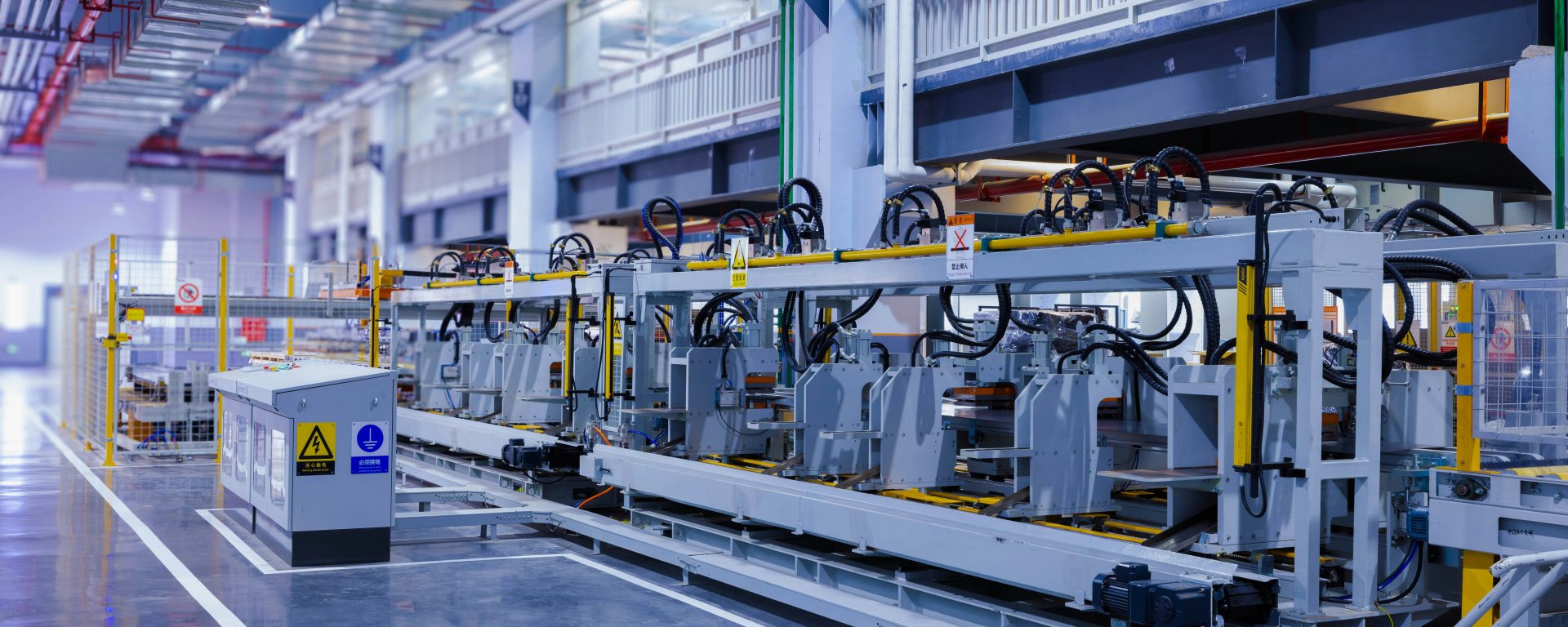
Class IIb (Higher-Risk) Device Production: The Manufacturing Insurance Guide (UK)
Introduction
If you manufacture Class IIb medical devices, you’re operating in the “higher-risk” end of the medical device spectrum. These products often sustain or support life, are used in invasive procedures, or carry a higher potential for harm if they fail. That means your risk profile is very different from a low-risk device maker—and insurers will treat you accordingly.
This guide explains the core insurance policies Class IIb manufacturers typically need, how underwriters assess your risk, common coverage gaps, and practical steps to strengthen your insurance submission. It’s written for UK manufacturers and device businesses selling into the UK and EU, but many principles apply globally.
What is a Class IIb medical device (and why insurers care)?
Under the EU Medical Device Regulation (MDR) and UK medical device framework, Class IIb devices are generally considered higher risk than Class IIa because they are often:
-
Long-term invasive devices
-
Devices that administer or remove medicines/fluids
-
Devices used in critical care or to monitor vital physiological processes
-
Devices where failure could cause serious deterioration in health
From an insurance perspective, the key issue is not the label “IIb” itself—it’s the severity of potential injury and the likelihood of a claim. A single defect allegation can trigger:
-
High-value bodily injury claims
-
Multi-jurisdiction litigation
-
Regulatory action and product seizure
-
Product recall and business interruption
-
Contractual disputes with OEMs, hospitals, and distributors
The core risks in Class IIb device production
Insurers underwrite Class IIb manufacturing by looking at the full lifecycle: design, sourcing, production, sterilisation, packaging, labelling, distribution, post-market surveillance, and complaint handling. The most common risk categories include:
1) Product liability and clinical harm
Even with strong quality systems, allegations can arise from:
-
Manufacturing defects (contamination, incorrect assembly, batch variation)
-
Design defects (inadequate safety margins, foreseeable misuse)
-
Labelling/IFU issues (unclear warnings, translation errors)
-
Sterilisation failures or packaging integrity failures
-
Software/firmware issues (if the device includes embedded software)
2) Product recall and field safety corrective actions (FSCA)
A recall is not always a “defective product” scenario. Many recalls are precautionary or triggered by:
The cost is often operational rather than legal: notifications, logistics, disposal, replacement, overtime, and reputational damage.
3) Regulatory and compliance exposure
Class IIb manufacturers are expected to operate robust quality management systems (often aligned to ISO 13485) and comply with regulatory obligations. Insurance doesn’t replace compliance, but underwriters will price based on how mature your systems are.
4) Supply chain disruption
Many Class IIb devices rely on specialist components, sterile packaging, cleanroom capacity, or contract manufacturers. A single supplier failure can halt production.
5) Property damage and contamination
Cleanrooms, controlled environments, and specialist equipment create unique property risks:
-
Fire and smoke contamination (even without direct flame damage)
-
Water damage affecting sterile stock
-
Power interruption damaging temperature-controlled inventory
-
Equipment breakdown stopping production lines
6) Cyber and data risk
Even if you’re not a “software company,” device manufacturing operations often depend on:
A ransomware event can stop production and compromise traceability—both of which can become regulatory issues.
The essential insurance policies for Class IIb manufacturers
There’s no single “medical device manufacturing insurance” policy. Most businesses build a programme combining several covers.
1) Product liability (and public liability)
For Class IIb production, product liability is usually the cornerstone.
What it typically covers
-
Third-party bodily injury or property damage caused by your product
-
Legal defence costs (often the most immediate expense)
-
Settlements/judgments (subject to policy terms)
Key points to check
-
Territory and jurisdiction: UK-only vs worldwide (especially if you sell into the EU/US)
-
Claims-made vs occurrence: many product liability policies are occurrence-based; professional indemnity is often claims-made
-
Retroactive date (if claims-made): crucial for legacy products
-
Contractual liability: whether the policy supports indemnities you sign in supply agreements
-
Clinical trials: often excluded unless specifically endorsed
Common gaps
-
Known defects or prior circumstances
-
Contractual penalties and liquidated damages
-
Pure financial loss without bodily injury/property damage
2) Professional indemnity (PI) / Errors & omissions
If you provide design services, consultancy, validation support, or technical documentation services—especially for OEMs—PI becomes important.
What it can cover
-
Negligent design advice or documentation errors
-
Failure to meet professional duty causing client financial loss
-
Defence costs for allegations of negligence
Why Class IIb manufacturers need it Even if you “only manufacture,” claims often allege failures in:
3) Product recall / contamination / remediation cover
Recall insurance can be a game-changer for Class IIb businesses because recall costs can be large even without a liability claim.
What it may cover
-
Recall logistics and shipping
-
Customer notification and call centre costs
-
Disposal/destruction
-
Replacement product costs (depending on wording)
-
Crisis management and PR support
What to clarify
-
Does it cover voluntary recalls or only regulator-mandated recalls?
-
Does it include field safety corrective actions (FSCA)?
-
Is there cover for loss of gross profit due to recall?
4) Employers’ liability (EL)
In the UK, EL is a legal requirement for most employers.
For Class IIb production, EL is especially relevant if you have:
5) Property insurance (buildings, contents, stock)
Standard property insurance can be insufficient if you have high-value stock or specialist environments.
Consider enhancements such as
-
Stock deterioration (temperature-sensitive inventory)
-
Contamination extension (smoke/particulate contamination)
-
Transit cover for high-value shipments
-
Exhibition and demonstration equipment
6) Business interruption (BI)
BI covers loss of gross profit following insured property damage.
For Class IIb manufacturers, BI should be aligned to:
-
Long lead times for specialist components
-
Validation rework and re-qualification time after an incident
-
Regulatory delays following contamination events
Key BI settings
-
Indemnity period: often needs to be longer than standard 12 months
-
Increased cost of working: overtime, alternative premises, outsourcing
7) Equipment breakdown (engineering)
If you rely on:
…equipment breakdown insurance can cover sudden mechanical/electrical failure and may include BI extensions.
8) Cyber insurance
Cyber cover can address:
-
Ransomware response and negotiation support
-
Business interruption from cyber events
-
Data breach costs (where relevant)
-
Incident response and forensic services
For regulated manufacturers, the ability to restore systems and maintain traceability can be as important as data privacy.
9) Directors’ & officers’ (D&O)
Higher-risk sectors attract higher scrutiny. D&O can help protect directors and officers against allegations such as:
How insurers underwrite Class IIb manufacturing
Underwriters typically want a clear, structured picture of your business. Expect questions on:
-
Device types, intended use, and patient impact
-
Countries sold into and distribution model
-
Quality management system (e.g., ISO 13485), audits, and CAPA process
-
Supplier controls and incoming inspection
-
Sterilisation method and validation
-
Batch traceability and complaint handling
-
Adverse incident reporting and post-market surveillance
-
Prior recalls, near-misses, and claims history
-
Contractual terms with OEMs/distributors (indemnities, limitation of liability)
The better your documentation and controls, the easier it is to secure broader cover at a fairer premium.
Common exclusions and “gotchas” to watch
Manufacturing insurance can look comprehensive until you hit an exclusion. Common issues include:
-
Known circumstances: anything you were aware of before inception
-
Clinical trials: often excluded unless declared
-
US/Canada exposure: may be excluded or heavily rated
-
Punitive damages: typically excluded
-
Fines and penalties: usually excluded
-
Contractual liability: may be limited to liability you would have had at law
-
Product guarantee/warranty: not the same as liability
Always review wording with a broker who understands medical device risk.
Practical steps to strengthen your insurance submission (and reduce premium pressure)
You can’t “market” your way out of Class IIb risk, but you can present it well.
1) Build a one-page device and process summary
Include:
-
Device categories and intended use
-
Manufacturing steps and where critical controls sit
-
Sterilisation and packaging approach
-
Annual turnover split by product line and territory
2) Show your quality system maturity
Underwriters like evidence of:
-
ISO 13485 certification (where applicable)
-
Regular internal audits and management review
-
CAPA metrics and closure times
-
Supplier qualification and monitoring
3) Demonstrate traceability and recall readiness
Be ready to explain:
-
Batch/serial traceability process
-
Time to identify affected units (hours/days)
-
Recall plan and communication templates
-
Mock recall testing frequency
4) Tighten contracts and distribution controls
Insurance and contracts should match. Consider:
-
Clear limitation of liability clauses where possible
-
Defined responsibilities for storage, transport, and installation
-
Distributor training and documentation control
5) Control change management
Many claims start with small changes:
-
Supplier substitutions
-
Material changes
-
Packaging changes
-
Software updates
Document change control rigorously and keep validation evidence accessible.
What limits of indemnity are typical?
There’s no universal “right” limit, but Class IIb manufacturers often buy higher limits than general manufacturers because injury severity can be high.
A sensible approach is to model:
-
Worst-case injury scenario and legal costs
-
Contractual requirements from OEMs/hospitals
-
Territory exposure (UK/EU vs US)
-
Volume of units in the field
Your broker should help you stress-test limits against realistic scenarios.
Claims examples (illustrative scenarios)
These examples show how claims can arise in real life:
-
Packaging integrity failure: a seal issue leads to sterility concerns, triggering a field safety corrective action and replacement programme.
-
Supplier component defect: a batch of valves fails tolerance checks after distribution; you must trace, notify, and replace.
-
Labelling error: an IFU translation error leads to misuse allegations and a liability claim.
-
Ransomware event: production stops for two weeks; batch records are inaccessible; regulators request evidence of traceability.
Choosing an insurer and broker: what “good” looks like
For Class IIb manufacturing, you want more than a cheap premium. Look for:
-
Demonstrated appetite for life science/medical device risks
-
Clear recall and contamination options
-
Claims handling experience in complex liability matters
-
Ability to structure worldwide cover if you export
A specialist broker can also help you present your risk properly—often the difference between restrictive terms and a workable programme.
Final checklist: Class IIb manufacturing insurance essentials
Use this as a quick internal checklist:
-
Product liability with correct territory/jurisdiction
-
Professional indemnity (if you design/advise/document)
-
Product recall/FSCA cover aligned to your risk
-
Employers’ liability (UK legal requirement)
-
Property + BI with contamination and long indemnity period considered
-
Equipment breakdown for critical plant
-
Cyber cover for operational resilience
-
D&O for governance and regulatory scrutiny
Next step
If you want, tell me:
-
What Class IIb devices you manufacture (broad category is fine)
-
Where you sell (UK only, UK/EU, worldwide)
-
Whether you sterilise in-house or via a contractor
…and I can tailor the blog to your exact audience (e.g., UK manufacturers, startups scaling production, or established OEM suppliers) and align it to your preferred Insure24 CTA style.


 My Account