

 My Account

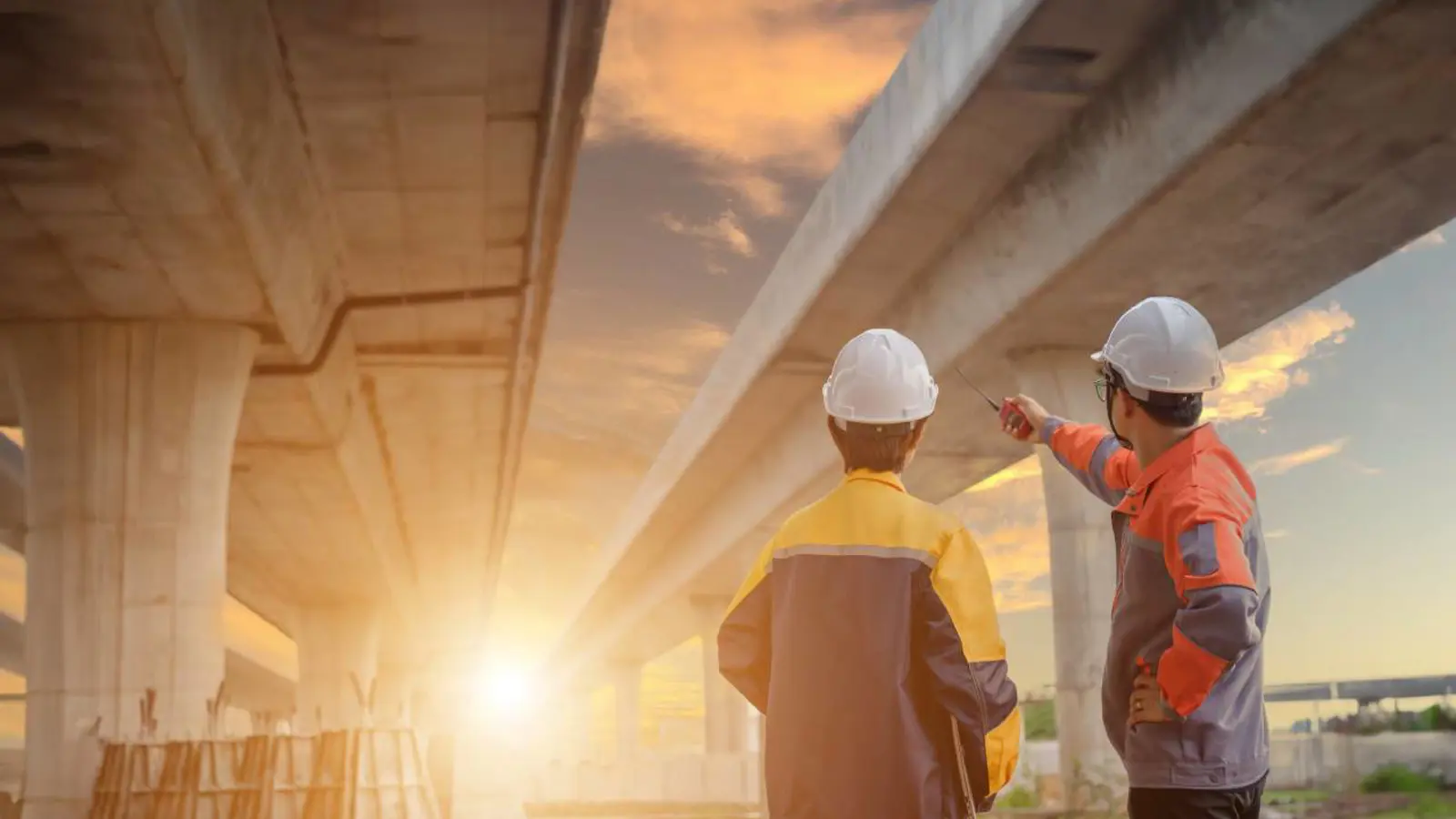
Civil Engineering: Technological Integration Risks & the Insurance Cover You Need
Introduction
Civil engineering is in the middle of a technology shift. BIM-led design, digital twins, drones, IoT sensors, AI scheduling, automated plant, cloud-based…
Civil engineering is changing fast. Digital design, drones, sensors, robotics, AI planning tools, modular methods, and low‑carbon materials are now normal on many projects. These innovations can reduce cost and improve safety, but they also create new risks that traditional construction insurance doesn’t always address clearly.
This guide explains what “technological innovation coverage” means in a civil engineering context, what can go wrong, and how to structure an insurance programme that protects your business, your contracts, and your balance sheet.
In civil engineering, innovation usually means new ways to design, build, monitor, and maintain infrastructure. Common examples include:
BIM and digital twins (model‑based design, clash detection, asset handover)
Drones and remote surveying (photogrammetry, LiDAR, inspections)
IoT sensors and structural health monitoring (bridges, retaining walls, tunnels)
AI and machine learning (planning, risk prediction, quality control)
Robotics and automation (rebar tying, bricklaying, autonomous plant)
Modular and off‑site manufacture (precast, MMC, DfMA)
New materials and methods (low‑carbon concrete, geopolymers, composites)
Smart infrastructure (connected lighting, traffic systems, EV charging)
Insurance doesn’t “cover innovation” as a single product. Instead, you build coverage across multiple policies so that the risks created by new tech are insured, not assumed.
Many civil engineering firms assume their existing policies automatically respond to innovation risks. The gaps usually appear in three places:
Contractual liability grows faster than cover (e.g., fitness for purpose obligations, design responsibility, liquidated damages)
Cyber and data risks are excluded or limited (especially for connected assets and digital delivery)
New tech introduces unclear ownership and responsibility (who is liable when a drone map is wrong, or a sensor system fails?)
If you’re delivering digital outputs (models, data, software‑enabled systems) alongside physical works, you need to treat insurance as part of your project governance.
A clash in the model is missed, resulting in misaligned reinforcement and costly remedial works. The client alleges design negligence.
Where cover may respond: Professional Indemnity (PI), sometimes Contract Works for physical damage (depending on cause and wording).
A drone survey produces an incorrect surface model. Earthworks quantities are wrong, causing budget overrun and delay.
Where cover may respond: PI (negligent professional service) and potentially Public Liability if third‑party property is damaged during drone operations.
A monitoring system on a bridge gives false readings, triggering unnecessary closures and reputational damage.
Where cover may respond: PI for design/specification; Product Liability if you supplied a product; Cyber if failure is linked to a cyber event.
A cyberattack locks access to BIM files, schedules, and procurement systems. The project misses milestones.
Where cover may respond: Cyber insurance (business interruption, incident response). Contractual penalties may not be covered unless specifically insured.
Modular units arrive and fail tolerance checks. Replacement and delay costs escalate.
Where cover may respond: Contract Works / CAR (depending on cause), Marine Cargo/Transit, and potentially PI if the issue is design/specification.
A strong “innovation‑ready” programme usually combines the following.
PI is often the most important policy for innovation risk because many technology failures are ultimately treated as design, advice, specification, or professional services issues.
Look for:
Civil engineering and design activity clearly declared (including BIM management, digital engineering, temporary works design if applicable)
Adequate limit of indemnity aligned to contract values and worst‑case rework scenarios
Retroactive cover (especially if you’ve been delivering digital outputs for years)
Contractual liability wording that doesn’t collapse if you accept higher obligations
Collateral warranties and duty of care extensions where required
Watch outs:
Fitness for purpose obligations can be uninsurable or excluded
BIM protocol obligations may create duties beyond standard negligence
Software / technology exclusions can appear in some PI wordings
CAR covers physical loss or damage to the works during construction (and often materials on site). Innovation increases the chance of:
Damage due to new methods
Complex interfaces between components
Higher value of pre‑fabricated items
Key points:
Ensure off‑site storage and transit are included if you use MMC
Confirm testing and commissioning cover where tech systems are installed
Review defective workmanship and LEG clauses (LEG 1/2/3) to understand what “defects” costs are covered
Innovation can change site risk:
Drones, autonomous plant, robotics, and new equipment introduce new hazards
More subcontractors and specialist tech suppliers increase interface risk
Key points:
Confirm drone operations are declared and covered (or insured separately)
Ensure bona fide subcontractor clauses and indemnity arrangements are aligned
Consider higher limits for public infrastructure projects
If your business relies on digital delivery, cyber is no longer optional.
A good cyber policy can include:
Incident response (forensics, legal, PR)
Ransomware negotiation and recovery
Business interruption and extra expense
Data restoration and system repair
Third‑party liability (data breach, network security)
For civil engineering, also consider:
Operational technology (OT) exposure where you install connected systems
Supply chain cyber risk (software vendors, managed service providers)
If you supply a “product” (e.g., sensor kits, control systems, proprietary components), you may need product liability beyond standard public liability.
This is especially relevant if you:
Manufacture or assemble components
Brand and supply monitoring systems
Provide software‑enabled devices
Robotics, drones, scanners, and specialist plant can be expensive and hard to replace quickly.
Consider:
Own plant cover (damage, theft)
Hired‑in plant cover
Tools and portable equipment
Business interruption from plant loss (where available)
Innovation often supports sustainability, but environmental exposures remain high in civil engineering.
Consider environmental cover if you face:
Fuel spills and contamination
Waste handling and disposal
Work near waterways
Brownfield remediation
To get the right cover, you need to disclose how innovation changes your operations. Useful topics:
What digital deliverables you provide (models, drawings, data sets, reports)
Who signs off designs and how design responsibility is allocated
Use of BIM protocols and contract forms (NEC, JCT, bespoke)
Testing and commissioning responsibilities for smart systems
Use of drones (in‑house vs subcontracted, flight logs, pilot qualifications)
Data governance (storage, access controls, backups, retention)
Software stack (cloud providers, licensing, third‑party tools)
Off‑site manufacture and quality assurance process
Subcontractor management for specialist tech suppliers
The more clearly you describe your process, the easier it is to negotiate policy wording that matches reality.
Insurance responds to negligence and defined insured events. Some contract clauses can create liabilities that are not covered.
Red flags include:
Fitness for purpose (instead of reasonable skill and care)
Uncapped liability or caps far above your PI limit
Liquidated damages for delay (often not insured)
Broad indemnities for third‑party technology failures
Performance guarantees that go beyond negligence
IP infringement obligations without matching cover
If you’re adopting new technology, contract review becomes even more important because the “unknown unknowns” are larger.
A practical approach is to map your project into four layers:
Physical works (insured mainly by CAR/Contract Works)
Professional services (insured mainly by PI)
Digital operations and data (insured mainly by Cyber)
Supplied products and systems (insured by Product/Tech Products Liability)
Then ask:
What is the worst‑case loss in each layer?
Who is contractually responsible?
What exclusions apply?
Are limits adequate and aligned across policies?
This approach avoids the common problem where everyone assumes “someone else’s policy” will respond.
When a claim involves innovation, insurers often focus on:
Documentation: scope, change control, approvals, sign‑offs
Competence: training records, qualifications, supervision
Testing evidence: commissioning plans, acceptance criteria
Data integrity: audit trails, version control, backups
Causation: was the loss due to negligence, defect, cyber event, or contractual assumption?
Strong project governance doesn’t just reduce risk; it makes claims easier to defend.
Insurers price uncertainty. If you can show control, you usually get better terms.
High‑impact steps include:
BIM execution plan with clear responsibilities and approvals
Version control and audit trails for models and drawings
Drone governance (pilot competence, maintenance, flight planning)
Cyber basics: MFA, backups, patching, least‑privilege access
Supplier due diligence for software and sensor vendors
Testing and commissioning plans for smart systems
Documented QA for off‑site manufacture and installation
Contract review to avoid uninsurable obligations
Often yes, if your PI policy covers your professional services and you have declared the activity. However, some policies may contain technology exclusions or limitations, so wording matters.
If you rely on cloud systems, BIM files, digital communications, or you install connected systems, cyber insurance is strongly recommended. Ransomware and supplier outages can cause major delays.
Contract Works mainly covers physical loss or damage. Defective design and pure rework costs are usually handled by PI, and defects cover depends on the policy wording (including LEG clauses).
You may still be liable to the client. Your insurance may respond, but insurers will also look at your subcontractor controls and contractual indemnities.
Usually not under standard policies. Some specialist solutions exist, but they are not common and depend on project specifics.
If you’re introducing new technology into civil engineering delivery, treat insurance as part of the innovation plan. Start by listing:
The technologies you use
The deliverables you provide (physical and digital)
Your contract obligations
Your worst‑case scenarios
Then align PI, Contract Works, Liability, Cyber, and any product/plant/environmental covers so there are no gaps.
If you want, share:
Your typical contract type (NEC/JCT/bespoke)
Whether you take design responsibility
The main innovations you’re using (BIM, drones, sensors, off‑site, AI)
…and I’ll tailor this into a sector‑specific version (e.g., highways, bridges, groundworks, utilities, rail) with stronger keyword targeting and UK‑specific compliance notes.
Civil engineering is in the middle of a technology shift. BIM-led design, digital twins, drones, IoT sensors, AI scheduling, automated plant, cloud-based…
Civil engineering firms run on data. Site surveys, BIM models, drone footage, geotechnical reports, tender pricing, subcontractor de…
Smart infrastructure is changing civil engineering fast: sensors embedded in bridges, IoT-enabled flood defences, smart highways, conn…
Civil engineering is changing fast. Digital design, drones, sensors, robotics, AI planning tools, modular methods, and low‑carbon materials are now normal on many projec…
Civil engineering sits at the intersection of design decisions, site realities, and public safety. A small error in calculations, specification, or supervision can c…
Civil engineering projects live or die by materials. A single batch of defective concrete, a substandard steel delivery, or a failed waterproofing membrane can trigger delays, …
Civil engineering is moving fast: modular and offsite manufacturing, advanced ground engineering,…
Civil engineering is moving fast, and 3D printed infrastructure is one of the bigges…
Civil engineering is changing fast. Alongside “traditional” projects (roads, bridges, drainage, foundations), firms are now delivering work that blends constru…
Civil engineering is moving from a “build–use–replace” model to a…
Civil engineering projects are under more environmental scrutiny than ever. Whether you’re building roads, bridges, drainage systems, utilities, groundworks, or remediation…
Waste processing plants are high-risk environments: heavy plant, moving vehicles, combustible materials, dust, fire load, pollution exposure, and strict regulatio…
Recycling facility construction projects sit at the sharp end of civil engineering risk. You’ve got heavy plant, complex groundworks, tight programmes, multiple contr…
Civil engineering, waste management, and environmental engineering sit right at the s…
Civil engineering projects can transform communities — but they can also disturb land, waterways, habitats, and contaminated ground. If something goes wrong, t…
Civil engineering sites are high-value, high-risk environments. You’ve got expensive plant and tools, materials stored in the open, multiple contractors coming and go…
Surface mining operations represent some of the most complex and high-risk civil engineering projects in the construction and extraction industries. From open-pit coal mines to q…
Civil engineering projects represent some of the most complex and high-value construction undertakings in the UK. From infrastructure development to large-scale commercial build…
The mining and extraction industry represents one of the most challenging sectors for civil engineering projects. From open-pit mines to underground tunnels, processing f…
Climate change is reshaping the landscape of civil engineering, bringing unprecedented challenges to infrastructure projects across the United Kingdom and bey…
Offshore construction projects represent some of the most challenging and high-risk endeavors in civil engineering. From oil and gas platforms to wind farms and subsea infrastruct…
Marine structures represent some of the most challenging and expensive civil engineering projects undertaken in the modern construction industry. From offshore wind farms and o…
Coastal defense and sea wall construction projects represent some of the most challenging and critical infrastructure work in civil engineering. As climate…
Coastal and marine engineering projects represent some of the most complex and high-risk undertakings in the civil engineering sector. From constructing sea defences and offsho…
Civil engineering encompasses a vast array of specialized domains, each presenting unique challenges, risks, and insurance requirements. From structural eng…
Civil engineering projects involve significant environmental risks that can result in costly contamination incidents, regulatory penalties, and long-term liability. Env…
Civil engineering projects rely heavily on sophisticated, expensive equipment to complete complex tasks on time and within budget. From excavators and bulldozers to…
Civil engineering process plants represent some of the most complex and high-value industrial facilities in the modern economy. From chemical processing facilities…
Civil engineering projects in hazardous environments present unique challenges that demand specialized insurance coverage. From contaminated land remediation to nuclear facility construct…

The construction of chemical and industrial plants represents one of the most complex and high-risk sectors within civil engineering. From petrochemical refineries …
The global transition to renewable energy has created unprecedented opportunities and challenges for civil engineering firms specializing in green energy infrastructure. Fr…
The offshore wind energy sector represents one of the most ambitious and rapidly expanding areas of renewable energy development in the UK and globally. As the i…
The renewable energy sector has experienced unprecedented growth in recent years, with solar installations becoming increasingly common across commercial, industrial, a…
The renewable energy sector is experiencing unprecedented growth, with wind farms becoming a cornerstone of the UK's commitment to sustainable power generation. However, constructing t…
The renewable energy sector represents one of the fastest-growing areas of civil engineering, with wind farms, solar installations, hydroelectric facilities, and biomass plants trans…
The civil engineering, industrial, and energy sectors form the backbone of modern infrastructure and economic development. From constructing bridges and power plants to manufac…
The civil engineering sector is undergoing a profound digital transformation. From Building Information Modelling (BIM) and drone surveying to AI-powered proje…
Civil engineering laboratories represent some of the most specialized and high-value commercial spaces in the modern business landscape. These facilities house …

Civil engineering research facilities represent some of the most complex and high-value construction projects in the modern built environment. These specialized s…
University campus expansion projects represent some of the most complex civil engineering undertakings in the construction sector. These developments combine educati…
Civil engineering educational institutions face unique insurance challenges that set them apart from traditional academic establishments. With specialized laboratories,…

As urban centres worldwide embrace digital transformation, smart cities are rapidly becoming the blueprint for modern urban development. These technologically advanced enviro…
The construction industry is experiencing a fundamental shift toward sustainability, with civil engineering projects increasingly incorporating green building practices, re…
Civil engineering projects commissioned by government bodies represent some of the most complex and high-stakes construction undertakings in the UK. From major infrastructure dev…
Civil engineering projects involving public facilities represent some of the most complex and high-stakes construction endeavors undertaken in the modern…
Municipal buildings form the backbone of local government infrastructure, serving communities as town halls, civic centres, libraries, community centres, and administrative o…
Urban development and public infrastructure projects represent some of the most complex and high-value undertakings in the construction sector. From roa…
Airport and aerospace infrastructure projects represent some of the most complex and high-value civil engineering undertakings in the construction industry.…
Civil engineering projects shape our infrastructure and communities, but they also carry significant environmental risks. From soil contamina…
Signal and communication systems form the critical nervous system of modern civil engineering infrastructure. From railway signalling networks and tra…
The civil engineering sector has undergone a digital transformation in recent years, with navigation systems and positioning technology becoming fundamental to proj…
Terminal development projects represent some of the most complex and high-value civil engineering undertakings in the modern construction landscape. Whether buil…
Runway construction represents one of the most complex and high-stakes civil engineering projects in the infrastructure s…
Traffic management during construction projects is a critical component of civil engineering that ensures the safety of workers, motorists, and pedestrians while maintaining efficient traffic flow…
Civil engineering projects represent some of the most complex and high-value construction undertakings in the UK, from motorway infrastr…
Road construction projects form the backbone of modern infrastructure, connecting communities and enabling economic growth across the United Kingdom. Whether build…
Highway and road development projects represent some of the most complex and high-value undertakings in the civil engineering sector. From major motorway expansions…
Cross-border infrastructure projects represent some of the most ambitious and complex undertakings in modern civil engineering. From transnational rail…
Civil engineering projects involving underground and elevated track systems represent some of the most complex and high-risk construction undertakings in the infrastructu…
High-speed rail projects represent some of the most ambitious and complex civil engineering undertakings in modern infrastructure development. With construction costs often…
Marine and coastal bridge construction represents one of the most challenging and risk-intensive sectors within civil en…
Civil engineering projects represent some of the most significant investments in modern infrastructure, from bridges and tunnels to commercial buildings and water …
Civil engineering projects represent some of the most significant investments in modern infrastructure, from bridges and roads to dams and drainage s…
Railway construction represents one of the most complex and high-value sectors within civil engineering. From high-speed rail networks to …
Civil engineering transportation infrastructure projects represent some of the most complex and high-value construction undertakings in t…
Civil engineering projects shape our infrastructure, from roads and bridges to water treatment facilities and commercial developments. However, these projects carry…
Water infrastructure projects represent some of the most critical and complex civil engineering undertakings in modern society. From water treatment plants and distribution n…
Civil engineering projects involving dams and hydroelectric facilities represent some of the most complex and high-value infrastructure developments in the modern world. Th…
Civil engineering projects represent some of the most complex and high-stakes undertakings in the construction industry. From bridges and tunnels t…
Historical restoration projects represent some of the most challenging and rewarding work in civil engineering. Whether restoring a Victorian railway sta…
Suspension bridges represent some of the most iconic and technically complex structures in civil engineering. From the Golden Gate Bridge to the Akashi Kaikyō Bridge, t…
Bridge engineering represents one of the most complex and high-stakes disciplines within civil engineering. From pedestrian footbridges to massive suspension st…
Tunnel construction represents one of the most complex and risk-intensive undertakings in civil engineering. Whether boring through mountain ranges for rural transportation…
Civil engineering projects demand sophisticated, high-value equipment that forms the backbone of infrastructure development across the UK. From excavators and bul…
Civil engineering projects face numerous challenges, but few are as unpredictable and potentially devastating as geological hazards. From landslides and subsidence to earthq…
Underground engineering projects represent some of the most complex and high-risk endeavours in the civil engineering sector. From tunnel construction and deep excavations to un…
Civil engin…
Civil engineering projects involving …
A Definitive Guide to Risk Management and Financial Protection for Tunnel Construction Professionals
Civil engineering is a …
As the United…
A Definitive Guide to Risk Management and Insurance Strategies for Civil Engineering Projects
Civil engineering road and highway…
Bridge construction represents one of the m…
Navigating Risk Management for Modern Engineering Teams
The civ…
Launching a civil engineeri…
The civil engineering sector has undergone a dramatic di…
In an increasingly complex and interconnected wo…
Civil engineering represents the back…
In the complex and high-stakes world of civ…
In the high-stakes world of civil en…
A Definitive Guide to Understanding, Managing, and Mitigating Risks in Construction Projects
Navigating Challenges, Minimizing Uncertainties, and Ensuring Project Success
In the complex and high…
A Definitive Guide to Risk Management in Complex Construction Ventures
Civil engineering represents …
In the complex world of civil enginee…
Civil engineering projects sh…
Civil engineering is a profession built on precision, e…