

 My Account

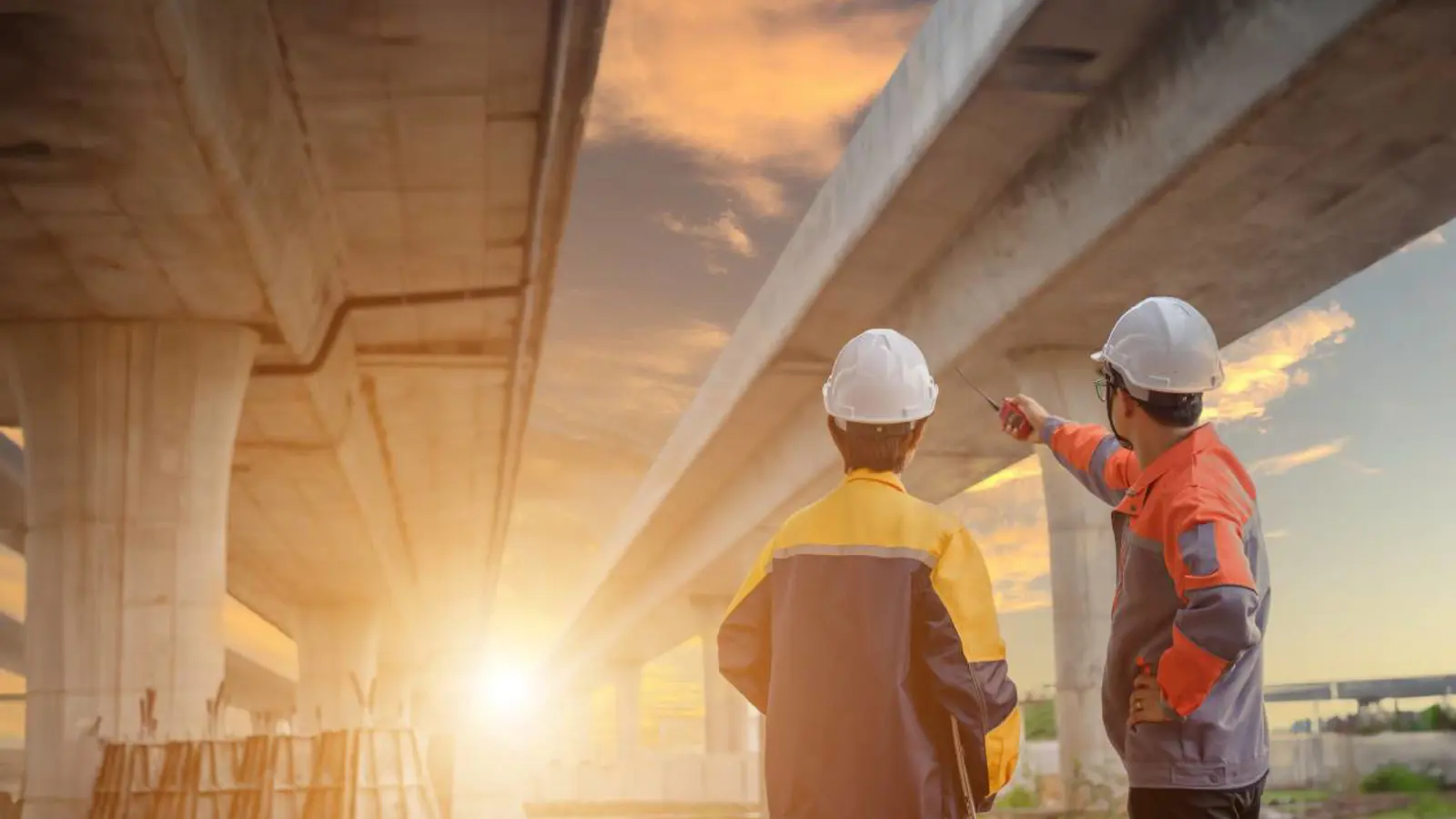
Civil Engineering: Technological Integration Risks & the Insurance Cover You Need
Introduction
Civil engineering is in the middle of a technology shift. BIM-led design, digital twins, drones, IoT sensors, AI scheduling, automated plant, cloud-based…
Suspension bridges represent some of the most iconic and technically complex structures in civil engineering. From the Golden Gate Bridge to the Akashi Kaikyō Bridge, these architectural marvels span vast distances and carry enormous traffic loads daily. However, the construction, maintenance, and operation of suspension bridges come with significant risks that require specialized insurance coverage and comprehensive risk management strategies.
Suspension bridges face unique challenges that distinguish them from other infrastructure projects. The engineering complexity, extended construction timelines, environmental exposures, and operational demands create a risk profile that requires careful assessment and tailored insurance solutions.
The construction of a suspension bridge typically spans several years and involves multiple high-risk activities. Foundation work often requires deep excavation or underwater construction for tower bases, exposing projects to ground condition uncertainties and water ingress risks. The erection of main towers, which can reach heights of several hundred meters, presents significant working-at-height hazards and requires specialized lifting equipment.
Cable spinning and installation represent particularly critical phases. The main cables, which support the entire bridge deck, must be precisely engineered and installed. Any defect in materials or workmanship during this phase could compromise the structural integrity of the entire bridge. Weather conditions, particularly high winds, can halt cable work and delay project timelines significantly.
Suspension bridges rely on the tensile strength of their cables and the compressive strength of their towers. Material defects, corrosion, fatigue, and stress concentration points can all lead to structural failures. The long-term performance of materials under constant load, temperature variations, and environmental exposure requires ongoing monitoring and maintenance.
Steel cables are susceptible to corrosion, particularly in marine or industrial environments. Even with protective coatings, moisture penetration can lead to internal wire deterioration that may not be visible during routine inspections. Concrete towers face risks from alkali-silica reaction, freeze-thaw cycles, and reinforcement corrosion.
Suspension bridges must withstand extreme environmental conditions throughout their operational life. Wind loading represents one of the most significant design considerations, as demonstrated by the catastrophic failure of the original Tacoma Narrows Bridge in 1940 due to aeroelastic flutter.
Seismic activity poses substantial risks, particularly for bridges in earthquake-prone regions. Modern suspension bridges incorporate seismic isolation bearings and flexible connection details, but the potential for damage during major seismic events remains significant. Tsunami, flooding, and storm surge can impact bridge foundations and approach structures.
Temperature variations cause expansion and contraction of bridge components, requiring sophisticated expansion joint systems. Extreme temperature events outside design parameters can lead to unexpected structural behavior or component failure.
Once operational, suspension bridges face risks from traffic loads, vehicle collisions, and overweight vehicles. Ship or barge strikes on bridge piers or towers represent catastrophic risk scenarios, particularly for bridges spanning navigable waterways. The collision of a large vessel with a suspension bridge tower could lead to progressive collapse.
Vandalism, terrorism, and sabotage represent security concerns that have increased in importance in recent decades. Critical infrastructure protection requires ongoing security measures and monitoring systems.
Given the complex risk landscape, suspension bridge projects require comprehensive insurance programs that address risks throughout the project lifecycle and operational period.
Contractors All Risks (CAR) insurance provides the foundation of construction phase coverage. This policy protects against physical loss or damage to the works, temporary works, construction plant, and equipment. For suspension bridges, CAR policies must be carefully structured to address the unique exposures.
Coverage should extend to all construction activities, including foundation work, tower erection, cable installation, deck construction, and finishing works. The policy should cover materials both on-site and in transit, as suspension bridge components often travel long distances from specialized manufacturers.
Sublimits and exclusions require careful review. Standard CAR policies may exclude or limit coverage for design defects, faulty workmanship, and gradual deterioration. For suspension bridges, where design complexity is extreme, enhanced coverage for design-related losses should be negotiated.
Professional indemnity insurance protects engineers, architects, and design consultants against claims arising from professional negligence, errors, or omissions. For suspension bridge projects, this coverage is absolutely critical given the specialized nature of the design work.
The policy should provide adequate limits to respond to potential claims, which could include the cost of redesign, reconstruction, and consequential losses. Coverage should extend throughout the design period and maintain run-off coverage for several years after project completion, as latent defects may not manifest immediately.
Key considerations include coverage for innovative design approaches, peer review processes, and the use of advanced computational modeling. The policy should clarify whether coverage extends to claims arising from the failure of design software or modeling assumptions.
Third-party liability coverage protects against claims for bodily injury or property damage to third parties during construction and operation. For suspension bridges, liability exposures can be substantial given the proximity to populated areas, navigation channels, and existing infrastructure.
Coverage limits should reflect worst-case scenarios, including multiple fatality events, vessel collisions, or damage to adjacent properties. The policy should address liability arising from falling objects, construction activities affecting traffic flow, and environmental pollution incidents.
Suspension bridge projects face significant schedule pressures and financial consequences from delays. Delay in Start-Up (DSU) insurance, also known as Advanced Loss of Profits insurance, covers the loss of anticipated revenue or additional financing costs resulting from delays in project completion.
This coverage is particularly valuable for toll bridges or projects with defined revenue streams. The policy responds when physical damage covered under the CAR policy causes a delay beyond the original completion date. Coverage can extend to include delays from non-damage events such as labor strikes or regulatory issues, though these extensions typically come at additional premium cost.
Suspension bridge components often travel internationally from specialized manufacturers. Main cables, tower sections, deck segments, and bearings may be fabricated in different countries and shipped to the construction site. Marine cargo insurance protects these valuable components during transit.
Coverage should extend from the manufacturer's facility through ocean or overland transport to the construction site. The policy should address risks specific to large, heavy components including loading and unloading operations, storage at intermediate locations, and installation activities.
Upon project completion, structural warranty insurance provides long-term protection against latent defects in design, materials, or workmanship. This coverage typically extends for 10 to 12 years after completion and protects project owners against the cost of repairing defects that manifest during the warranty period.
For suspension bridges, this coverage provides essential protection given the complexity of the structure and the potential for latent defects to remain undetected during initial operations. The policy should clearly define what constitutes a defect and the scope of repair obligations.
Effective insurance coverage must be complemented by robust risk management practices throughout the project lifecycle.
Comprehensive risk assessment should begin during the feasibility and design phases. Geotechnical investigations must thoroughly characterize foundation conditions, identifying potential issues such as weak soil layers, groundwater conditions, or seismic hazards. Wind tunnel testing of bridge models helps validate aerodynamic performance and identify potential flutter or vortex shedding issues.
Value engineering reviews should balance cost optimization with risk mitigation, ensuring that cost-saving measures do not compromise structural integrity or increase construction risks. Constructability reviews involving experienced contractors can identify practical construction challenges before they become costly problems.
Rigorous quality management systems are essential for suspension bridge construction. Material testing protocols should verify that all structural components meet specification requirements. Non-destructive testing techniques, including ultrasonic testing, radiography, and magnetic particle inspection, should be employed for critical welds and connections.
Independent third-party inspection provides additional assurance and can be a requirement of insurance policies. Inspectors should have specific experience with suspension bridge construction and understand the critical control points in the construction sequence.
Real-time monitoring systems track structural behavior during construction, providing early warning of unexpected conditions. Strain gauges, inclinometers, settlement monitors, and GPS positioning systems generate continuous data on structural performance.
Monitoring data should be reviewed by the design team to verify that the structure is behaving as predicted. Deviations from expected performance may indicate construction issues, design assumptions that require revision, or changing environmental conditions.
Given the sensitivity of suspension bridge construction to weather conditions, sophisticated weather forecasting and planning are essential. Wind speed thresholds should be established for different construction activities, with work stoppages required when conditions exceed safe limits.
Seasonal planning should account for periods of higher wind, precipitation, or temperature extremes. Critical activities such as cable installation may need to be scheduled during periods of historically favorable weather conditions.
The specialized nature of suspension bridge components creates supply chain vulnerabilities. Qualification of suppliers should verify technical capability, quality management systems, and financial stability. Dual sourcing strategies for critical components can provide backup options if primary suppliers encounter difficulties.
Contractual provisions should address supplier performance obligations, including schedule commitments, quality requirements, and liability for defective materials. Parent company guarantees or performance bonds may be appropriate for critical suppliers.
Once the bridge enters service, ongoing risk management focuses on maintenance, inspection, and operational safety. Comprehensive inspection programs should include visual inspections, non-destructive testing, and detailed engineering assessments at regular intervals.
Structural health monitoring systems can provide continuous data on bridge performance, including traffic loads, wind effects, temperature movements, and vibration characteristics. Advanced systems use artificial intelligence to identify anomalous behavior patterns that may indicate developing problems.
Traffic management systems should monitor vehicle weights and restrict overweight vehicles that could overstress structural components. Collision protection systems for bridge piers and towers in navigable waterways provide physical barriers against vessel strikes.
The specialized nature of suspension bridge insurance requires careful selection of insurance partners with relevant experience and financial strength.
Insurance companies underwriting suspension bridge risks should demonstrate technical understanding of civil engineering, construction processes, and the specific challenges of long-span bridges. Underwriters should have access to engineering consultants who can evaluate risk quality and provide technical input on coverage terms.
The insurer's claims handling capability is equally important. Complex construction claims require technical investigation, expert assessment, and sophisticated negotiation. The insurer should have a track record of fair and efficient claims resolution on major infrastructure projects.
Suspension bridge insurance programs require substantial capacity, often exceeding hundreds of millions of pounds. The insurance program typically involves multiple insurers participating in layers of coverage. The lead insurer should have strong financial ratings from agencies such as A.M. Best, Standard & Poor's, or Moody's.
Reinsurance arrangements provide additional security, ensuring that insurers can meet their obligations even in the event of catastrophic losses. Project owners should understand the reinsurance structure supporting their insurance program.
Specialist insurance brokers with infrastructure and construction expertise provide valuable services in structuring insurance programs, negotiating terms, and managing the insurance placement process. Brokers should have established relationships with insurers active in the infrastructure market and understand current market conditions and pricing trends.
The broker's role extends beyond initial placement to include policy administration, claims advocacy, and ongoing risk management advice. For multi-year construction projects, the broker should provide continuity and maintain relationships with insurers throughout the project lifecycle.
Insurance represents a significant cost component of suspension bridge projects, typically ranging from 1% to 3% of total project cost depending on risk factors and coverage scope.
Premium rates reflect the insurer's assessment of loss probability and potential severity. Key factors include project location and exposure to natural hazards, design complexity and use of innovative techniques, contractor experience and safety record, project duration, and the comprehensiveness of risk management programs.
Projects in seismically active regions or areas prone to hurricanes or typhoons face higher premiums due to increased natural catastrophe exposure. First-of-a-kind designs or innovative construction methods may attract premium loadings due to uncertainty about performance.
Project owners can optimize insurance costs through several strategies while maintaining appropriate coverage. Higher deductibles reduce premium costs by retaining smaller losses within the project budget. Self-insured retentions for professional indemnity coverage can significantly reduce premium costs for experienced design firms with strong quality management systems.
Competitive bidding among insurers can drive favorable pricing, particularly in soft market conditions when insurance capacity exceeds demand. However, price should be balanced against insurer quality, as the cheapest option may not provide the best long-term value.
Demonstrating strong risk management practices through detailed submissions can result in premium reductions. Insurers reward projects with comprehensive quality management systems, experienced teams, and proactive risk mitigation measures.
Suspension bridges represent extraordinary engineering achievements that require equally sophisticated risk management and insurance strategies. The complex interplay of design challenges, construction risks, environmental exposures, and operational demands creates a risk landscape that must be carefully navigated.
Comprehensive insurance coverage provides essential financial protection, but insurance alone is insufficient. Effective risk management requires integration of technical excellence, quality management, construction planning, and operational oversight. Project owners, designers, contractors, and insurers must work collaboratively to identify risks, implement mitigation measures, and ensure appropriate risk transfer mechanisms are in place.
As suspension bridge technology continues to evolve with longer spans, innovative materials, and advanced construction methods, risk management practices and insurance solutions must adapt accordingly. The successful delivery and operation of these iconic structures depends on the careful balance of engineering ambition, practical construction expertise, and prudent risk management.
For civil engineering firms, contractors, and project owners involved in suspension bridge projects, engaging with specialist insurance brokers and insurers early in the project lifecycle ensures that appropriate coverage is secured and risk management strategies are properly integrated into project planning and execution. The investment in comprehensive insurance and risk management ultimately protects not only the financial interests of project stakeholders but also the safety of workers, users, and the surrounding community.
Civil engineering is in the middle of a technology shift. BIM-led design, digital twins, drones, IoT sensors, AI scheduling, automated plant, cloud-based…
Civil engineering firms run on data. Site surveys, BIM models, drone footage, geotechnical reports, tender pricing, subcontractor de…
Smart infrastructure is changing civil engineering fast: sensors embedded in bridges, IoT-enabled flood defences, smart highways, conn…
Civil engineering is changing fast. Digital design, drones, sensors, robotics, AI planning tools, modular methods, and low‑carbon materials are now normal on many projec…
Civil engineering sits at the intersection of design decisions, site realities, and public safety. A small error in calculations, specification, or supervision can c…
Civil engineering projects live or die by materials. A single batch of defective concrete, a substandard steel delivery, or a failed waterproofing membrane can trigger delays, …
Civil engineering is moving fast: modular and offsite manufacturing, advanced ground engineering,…
Civil engineering is moving fast, and 3D printed infrastructure is one of the bigges…
Civil engineering is changing fast. Alongside “traditional” projects (roads, bridges, drainage, foundations), firms are now delivering work that blends constru…
Civil engineering is moving from a “build–use–replace” model to a…
Civil engineering projects are under more environmental scrutiny than ever. Whether you’re building roads, bridges, drainage systems, utilities, groundworks, or remediation…
Waste processing plants are high-risk environments: heavy plant, moving vehicles, combustible materials, dust, fire load, pollution exposure, and strict regulatio…
Recycling facility construction projects sit at the sharp end of civil engineering risk. You’ve got heavy plant, complex groundworks, tight programmes, multiple contr…
Civil engineering, waste management, and environmental engineering sit right at the s…
Civil engineering projects can transform communities — but they can also disturb land, waterways, habitats, and contaminated ground. If something goes wrong, t…
Civil engineering sites are high-value, high-risk environments. You’ve got expensive plant and tools, materials stored in the open, multiple contractors coming and go…
Surface mining operations represent some of the most complex and high-risk civil engineering projects in the construction and extraction industries. From open-pit coal mines to q…
Civil engineering projects represent some of the most complex and high-value construction undertakings in the UK. From infrastructure development to large-scale commercial build…
The mining and extraction industry represents one of the most challenging sectors for civil engineering projects. From open-pit mines to underground tunnels, processing f…
Climate change is reshaping the landscape of civil engineering, bringing unprecedented challenges to infrastructure projects across the United Kingdom and bey…
Offshore construction projects represent some of the most challenging and high-risk endeavors in civil engineering. From oil and gas platforms to wind farms and subsea infrastruct…
Marine structures represent some of the most challenging and expensive civil engineering projects undertaken in the modern construction industry. From offshore wind farms and o…
Coastal defense and sea wall construction projects represent some of the most challenging and critical infrastructure work in civil engineering. As climate…
Coastal and marine engineering projects represent some of the most complex and high-risk undertakings in the civil engineering sector. From constructing sea defences and offsho…
Civil engineering encompasses a vast array of specialized domains, each presenting unique challenges, risks, and insurance requirements. From structural eng…
Civil engineering projects involve significant environmental risks that can result in costly contamination incidents, regulatory penalties, and long-term liability. Env…
Civil engineering projects rely heavily on sophisticated, expensive equipment to complete complex tasks on time and within budget. From excavators and bulldozers to…
Civil engineering process plants represent some of the most complex and high-value industrial facilities in the modern economy. From chemical processing facilities…
Civil engineering projects in hazardous environments present unique challenges that demand specialized insurance coverage. From contaminated land remediation to nuclear facility construct…
The construction of chemical and industrial plants represents one of the most complex and high-risk sectors within civil engineering. From petrochemical refineries …
The global transition to renewable energy has created unprecedented opportunities and challenges for civil engineering firms specializing in green energy infrastructure. Fr…
The offshore wind energy sector represents one of the most ambitious and rapidly expanding areas of renewable energy development in the UK and globally. As the i…
The renewable energy sector has experienced unprecedented growth in recent years, with solar installations becoming increasingly common across commercial, industrial, a…
The renewable energy sector is experiencing unprecedented growth, with wind farms becoming a cornerstone of the UK's commitment to sustainable power generation. However, constructing t…
The renewable energy sector represents one of the fastest-growing areas of civil engineering, with wind farms, solar installations, hydroelectric facilities, and biomass plants trans…
The civil engineering, industrial, and energy sectors form the backbone of modern infrastructure and economic development. From constructing bridges and power plants to manufac…
The civil engineering sector is undergoing a profound digital transformation. From Building Information Modelling (BIM) and drone surveying to AI-powered proje…
Civil engineering laboratories represent some of the most specialized and high-value commercial spaces in the modern business landscape. These facilities house …
Civil engineering research facilities represent some of the most complex and high-value construction projects in the modern built environment. These specialized s…
University campus expansion projects represent some of the most complex civil engineering undertakings in the construction sector. These developments combine educati…
Civil engineering educational institutions face unique insurance challenges that set them apart from traditional academic establishments. With specialized laboratories,…
As urban centres worldwide embrace digital transformation, smart cities are rapidly becoming the blueprint for modern urban development. These technologically advanced enviro…
The construction industry is experiencing a fundamental shift toward sustainability, with civil engineering projects increasingly incorporating green building practices, re…
Civil engineering projects commissioned by government bodies represent some of the most complex and high-stakes construction undertakings in the UK. From major infrastructure dev…
Civil engineering projects involving public facilities represent some of the most complex and high-stakes construction endeavors undertaken in the modern…
Municipal buildings form the backbone of local government infrastructure, serving communities as town halls, civic centres, libraries, community centres, and administrative o…
Urban development and public infrastructure projects represent some of the most complex and high-value undertakings in the construction sector. From roa…
Airport and aerospace infrastructure projects represent some of the most complex and high-value civil engineering undertakings in the construction industry.…
Civil engineering projects shape our infrastructure and communities, but they also carry significant environmental risks. From soil contamina…
Signal and communication systems form the critical nervous system of modern civil engineering infrastructure. From railway signalling networks and tra…
The civil engineering sector has undergone a digital transformation in recent years, with navigation systems and positioning technology becoming fundamental to proj…
Terminal development projects represent some of the most complex and high-value civil engineering undertakings in the modern construction landscape. Whether buil…
Runway construction represents one of the most complex and high-stakes civil engineering projects in the infrastructure s…
Traffic management during construction projects is a critical component of civil engineering that ensures the safety of workers, motorists, and pedestrians while maintaining efficient traffic flow…
Civil engineering projects represent some of the most complex and high-value construction undertakings in the UK, from motorway infrastr…
Road construction projects form the backbone of modern infrastructure, connecting communities and enabling economic growth across the United Kingdom. Whether build…
Highway and road development projects represent some of the most complex and high-value undertakings in the civil engineering sector. From major motorway expansions…
Cross-border infrastructure projects represent some of the most ambitious and complex undertakings in modern civil engineering. From transnational rail…
Civil engineering projects involving underground and elevated track systems represent some of the most complex and high-risk construction undertakings in the infrastructu…
High-speed rail projects represent some of the most ambitious and complex civil engineering undertakings in modern infrastructure development. With construction costs often…
Marine and coastal bridge construction represents one of the most challenging and risk-intensive sectors within civil en…
Civil engineering projects represent some of the most significant investments in modern infrastructure, from bridges and tunnels to commercial buildings and water …
Civil engineering projects represent some of the most significant investments in modern infrastructure, from bridges and roads to dams and drainage s…
Railway construction represents one of the most complex and high-value sectors within civil engineering. From high-speed rail networks to …
Civil engineering transportation infrastructure projects represent some of the most complex and high-value construction undertakings in t…
Civil engineering projects shape our infrastructure, from roads and bridges to water treatment facilities and commercial developments. However, these projects carry…
Water infrastructure projects represent some of the most critical and complex civil engineering undertakings in modern society. From water treatment plants and distribution n…
Civil engineering projects involving dams and hydroelectric facilities represent some of the most complex and high-value infrastructure developments in the modern world. Th…
Civil engineering projects represent some of the most complex and high-stakes undertakings in the construction industry. From bridges and tunnels t…
Historical restoration projects represent some of the most challenging and rewarding work in civil engineering. Whether restoring a Victorian railway sta…
Suspension bridges represent some of the most iconic and technically complex structures in civil engineering. From the Golden Gate Bridge to the Akashi Kaikyō Bridge, t…
Bridge engineering represents one of the most complex and high-stakes disciplines within civil engineering. From pedestrian footbridges to massive suspension st…
Tunnel construction represents one of the most complex and risk-intensive undertakings in civil engineering. Whether boring through mountain ranges for rural transportation…
Civil engineering projects demand sophisticated, high-value equipment that forms the backbone of infrastructure development across the UK. From excavators and bul…
Civil engineering projects face numerous challenges, but few are as unpredictable and potentially devastating as geological hazards. From landslides and subsidence to earthq…
Underground engineering projects represent some of the most complex and high-risk endeavours in the civil engineering sector. From tunnel construction and deep excavations to un…
Civil engin…
Civil engineering projects involving …
A Definitive Guide to Risk Management and Financial Protection for Tunnel Construction Professionals
Civil engineering is a …
As the United…
A Definitive Guide to Risk Management and Insurance Strategies for Civil Engineering Projects
Civil engineering road and highway…
Bridge construction represents one of the m…
Navigating Risk Management for Modern Engineering Teams
The civ…
Launching a civil engineeri…
The civil engineering sector has undergone a dramatic di…
In an increasingly complex and interconnected wo…
Civil engineering represents the back…
In the complex and high-stakes world of civ…
In the high-stakes world of civil en…
A Definitive Guide to Understanding, Managing, and Mitigating Risks in Construction Projects
Navigating Challenges, Minimizing Uncertainties, and Ensuring Project Success
In the complex and high…
A Definitive Guide to Risk Management in Complex Construction Ventures
Civil engineering represents …
In the complex world of civil enginee…
Civil engineering projects sh…
Civil engineering is a profession built on precision, e…