

 My Account

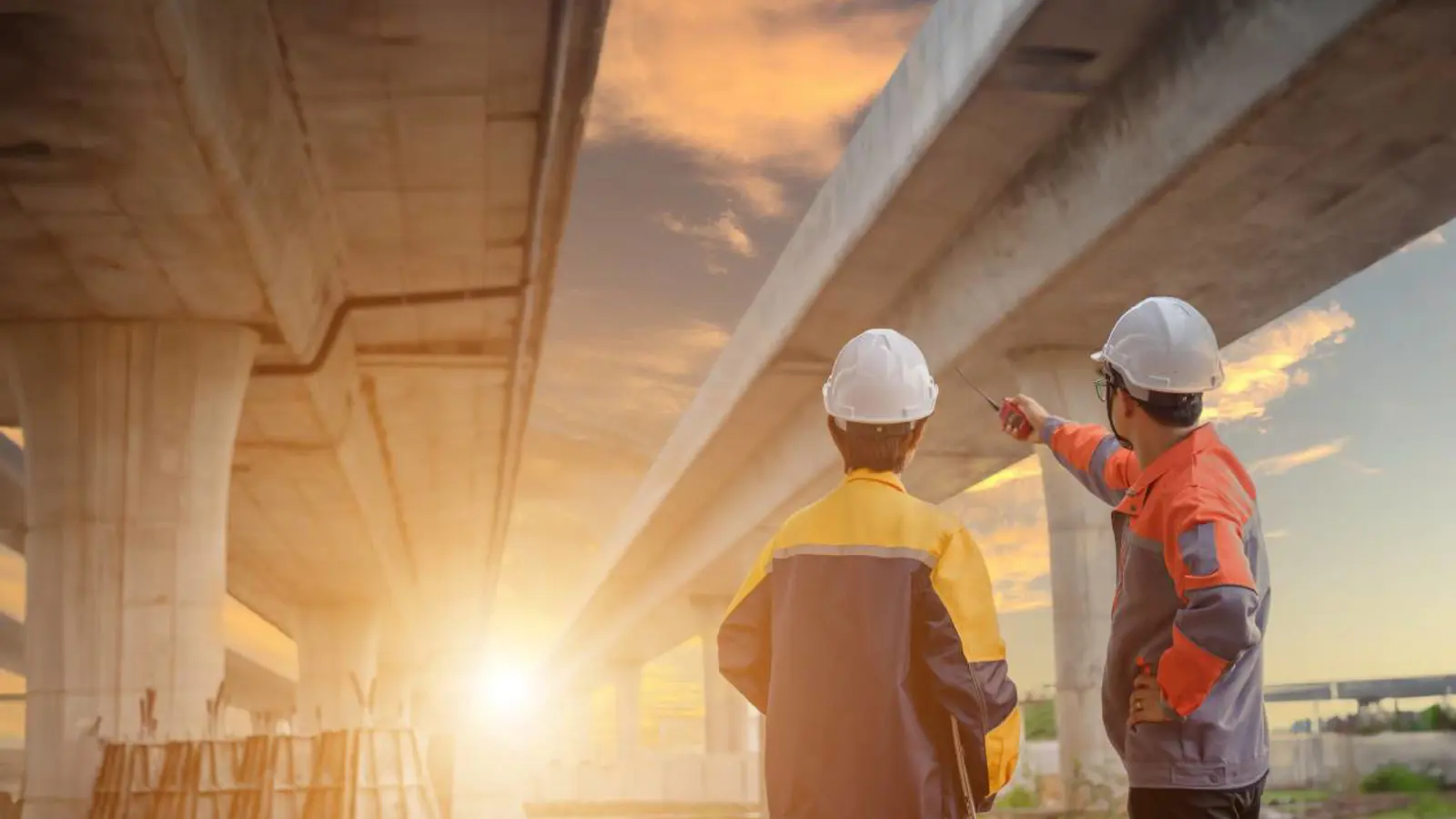
Civil Engineering: Technological Integration Risks & the Insurance Cover You Need
Introduction
Civil engineering is in the middle of a technology shift. BIM-led design, digital twins, drones, IoT sensors, AI scheduling, automated plant, cloud-based…
Civil engineering projects involving underground and elevated track systems represent some of the most complex and high-risk construction undertakings in the infrastructure sector. From metro systems and light rail networks to elevated monorails and underground railway tunnels, these projects demand specialized insurance coverage that addresses the unique challenges inherent in rail infrastructure development.
Underground and elevated track construction involves substantial financial investment, intricate engineering requirements, and significant public safety considerations. The risks associated with these projects extend far beyond typical construction hazards, encompassing ground stability issues, structural integrity concerns, environmental impacts, and the potential for catastrophic failures that could affect thousands of commuters and surrounding communities.
This comprehensive guide explores the essential insurance coverage required for civil engineering firms undertaking underground and elevated track projects, examining the specific risks, coverage options, regulatory requirements, and best practices that protect contractors, engineers, and project stakeholders throughout the construction lifecycle.
Underground track systems include metro lines, subway networks, underground light rail, and subterranean freight corridors. These projects require extensive tunneling, excavation, and underground construction techniques such as cut-and-cover, bored tunneling, and immersed tube methods.
Elevated track systems encompass elevated railways, monorails, light rail viaducts, and aerial guideway systems. These structures demand sophisticated structural engineering, foundation work, and elevated construction methodologies that present distinct risk profiles compared to ground-level or underground projects.
Modern underground and elevated track projects often span multiple years, involve hundreds of contractors and subcontractors, and require coordination across numerous engineering disciplines. Projects may traverse densely populated urban areas, pass beneath historic buildings, cross waterways, or navigate challenging geological conditions.
The scale of investment in these projects typically ranges from hundreds of millions to billions of pounds, making comprehensive insurance coverage not just advisable but essential for project viability and stakeholder protection.
Underground excavation and tunneling operations pose significant risks to ground stability. Subsidence can affect surface structures, utilities, and roadways, potentially causing damage to residential and commercial properties above the construction zone.
Settlement issues may emerge during excavation or manifest months or years after construction completion. Insurance coverage must address both immediate construction-related subsidence and long-term ground movement consequences.
Groundwater management represents a critical challenge in underground construction. Unexpected water ingress can flood tunnels, damage equipment, delay projects, and compromise structural integrity. Dewatering operations may affect surrounding aquifers and cause environmental damage.
The catastrophic risk of tunnel collapse during construction or operation demands comprehensive coverage. Structural failures can result from inadequate ground support, design errors, construction defects, or unforeseen geological conditions.
Underground construction frequently encounters existing utilities including gas mains, water pipes, electrical cables, telecommunications infrastructure, and sewerage systems. Accidental strikes can cause service disruptions, explosions, flooding, and significant third-party liability.
Underground work environments present confined space risks including oxygen deficiency, toxic gas accumulation, limited egress routes, and challenging rescue scenarios. These hazards increase the likelihood of serious injury or fatality claims.
Elevated structures must withstand significant loads, wind forces, seismic activity, and thermal expansion. Structural failure during construction or operation could result in catastrophic consequences including multiple fatalities and extensive property damage.
Construction of elevated track systems involves extensive work at height, increasing the risk of falls, dropped objects, and equipment failures. These hazards affect both construction workers and the public below.
Elevated track structures require substantial foundation systems. Inadequate ground investigation, foundation design errors, or construction defects can lead to settlement, tilting, or structural collapse.
Elevated tracks often pass over roads, railways, waterways, and buildings. Construction activities pose risks to existing infrastructure and require careful coordination to prevent disruption and damage.
Elevated structures face greater exposure to wind loading, lightning strikes, and extreme weather events. These factors increase construction risks and require specialized engineering and insurance considerations.
Contract works insurance provides comprehensive coverage for the physical works under construction, including materials, plant, equipment, and temporary works. This coverage protects against damage from fire, theft, vandalism, storm, flood, and accidental damage during the construction phase.
For underground and elevated track projects, contract works insurance should include adequate coverage limits reflecting the total project value, with provisions for design and specification errors, testing and commissioning, and extended maintenance periods.
Public liability coverage protects against third-party injury and property damage claims arising from construction activities. Given the proximity of track projects to populated areas and existing infrastructure, substantial coverage limits are essential.
Public liability insurance should address risks including falling objects, vibration damage to adjacent properties, noise pollution, dust and debris impacts, and access disruption affecting businesses and residents.
Employers liability insurance is a legal requirement in the UK, providing coverage for employee injury and illness claims. Underground and elevated track construction presents elevated risks requiring enhanced coverage limits and specialized provisions for confined space work, work at height, and hazardous operations.
Professional indemnity coverage protects civil engineers, designers, and consultants against claims arising from professional negligence, design errors, specification mistakes, and inadequate supervision. Given the technical complexity of track projects, comprehensive professional indemnity coverage is essential.
Coverage should extend throughout the design phase, construction period, and for an appropriate period post-completion to address latent defects and long-term performance issues.
Specialized tunneling equipment, cranes, piling rigs, and other construction plant represent significant capital investments. Plant and equipment insurance covers damage, theft, and breakdown of machinery essential to project delivery.
Project delays can result in substantial financial losses including extended preliminaries, liquidated damages, and lost revenue. Advanced loss of profits insurance (also known as delay in start-up coverage) protects against financial consequences of construction delays caused by insured perils.
Underground and elevated track construction can cause environmental damage including groundwater contamination, soil pollution, habitat destruction, and noise pollution. Environmental liability insurance addresses cleanup costs, third-party environmental damage claims, and regulatory penalties.
Tunneling operations require specialized coverage addressing risks unique to underground excavation including tunnel boring machine breakdown, ground treatment failures, compressed air working, and tunnel lining defects.
Design and build contracts transfer design responsibility to the contractor, requiring integrated professional indemnity and contract works coverage that addresses both design and construction risks without coverage gaps.
Large track projects often involve joint ventures or consortia of multiple contractors. Insurance programs must address the complex liability relationships, cross-indemnities, and shared risk allocations inherent in these arrangements.
Following practical completion, contractors remain responsible for defects during the defects liability period, typically 12 to 24 months. Insurance coverage should extend through this period to address latent defects and performance issues.
The CDM Regulations 2015 impose specific duties on clients, designers, principal designers, principal contractors, and contractors involved in construction projects. Compliance with CDM requirements influences insurance coverage and claims handling.
Track construction projects must comply with railway safety regulations including the Railways and Other Guided Transport Systems (Safety) Regulations 2006 (ROGS). Insurance coverage should address regulatory compliance requirements and potential enforcement actions.
Underground and elevated structures must meet building regulations, structural design standards (Eurocodes), and railway-specific technical standards. Insurance coverage should address the consequences of non-compliance with applicable regulations.
Track projects require numerous environmental permits including groundwater abstraction licenses, environmental permits, and planning consents. Insurance should address the consequences of permit breaches and environmental damage.
Thorough ground investigation reduces the risk of unforeseen geological conditions, groundwater issues, and contamination discoveries. Adequate site investigation supports accurate risk assessment and appropriate insurance coverage.
Engaging experienced designers and conducting thorough design reviews, value engineering, and buildability assessments reduces the likelihood of design errors and construction complications.
Selecting contractors with proven track records in underground and elevated track construction, appropriate financial stability, and adequate insurance coverage reduces project risk and supports successful delivery.
Implementing comprehensive monitoring systems including structural health monitoring, ground movement monitoring, and quality assurance processes enables early detection of issues and prompt corrective action.
Developing and testing emergency response plans for scenarios including tunnel flooding, structural collapse, utility strikes, and worker entrapment ensures effective incident management and minimizes consequences.
Insurance policies typically require prompt notification of circumstances that may give rise to claims. Understanding notification requirements and maintaining comprehensive project records supports effective claims management.
Complex claims involving underground or elevated track projects often require expert investigation by structural engineers, geotechnical specialists, and forensic consultants to establish causation and quantify losses.
Given the complexity and value of track project claims, alternative dispute resolution mechanisms including mediation, adjudication, and arbitration often provide more efficient resolution than litigation.
Insurance premiums reflect project value, technical complexity, construction methodology, and risk profile. Larger, more complex projects with challenging ground conditions or urban locations typically attract higher premiums.
Contractors with proven experience in similar projects, strong safety records, and effective risk management systems may secure more favorable insurance terms and premiums.
Higher coverage limits and lower deductibles increase premiums, while accepting higher deductibles and lower limits reduces costs but increases retained risk exposure.
Previous claims experience significantly influences insurance costs. Contractors with favorable claims histories benefit from lower premiums and better coverage terms.
Underground and elevated track projects require insurers with specialist construction expertise, experience in rail infrastructure projects, and adequate capacity for large, complex risks.
Engaging insurance brokers with specialist construction and infrastructure expertise ensures access to appropriate markets, comprehensive coverage, and competitive terms.
Thorough policy review comparing coverage scope, exclusions, limits, deductibles, and claims handling procedures ensures selection of appropriate insurance protection.
Civil engineering projects involving underground and elevated track construction present unique and substantial risks requiring comprehensive, specialized insurance coverage. From ground stability and tunneling hazards to structural integrity and public safety considerations, these projects demand insurance programs that address the full spectrum of construction, professional, and third-party liability risks.
Effective insurance protection for track projects requires understanding the specific risks associated with underground and elevated construction, selecting appropriate coverage types and limits, engaging specialist insurers and brokers, and implementing robust risk management practices throughout the project lifecycle.
By securing comprehensive insurance coverage tailored to the unique challenges of underground and elevated track construction, civil engineering firms protect their financial stability, fulfill contractual obligations, comply with regulatory requirements, and demonstrate their commitment to professional standards and public safety. In an infrastructure sector characterized by increasing project complexity, stringent safety requirements, and substantial financial stakes, appropriate insurance coverage represents not just a contractual necessity but a fundamental component of responsible project delivery and long-term business sustainability.
Whether undertaking metro extensions, elevated light rail systems, or complex underground railway networks, civil engineering firms must prioritize comprehensive insurance coverage as an essential element of project planning, risk management, and successful delivery of critical rail infrastructure that serves communities for generations to come.
Civil engineering is in the middle of a technology shift. BIM-led design, digital twins, drones, IoT sensors, AI scheduling, automated plant, cloud-based…
Civil engineering firms run on data. Site surveys, BIM models, drone footage, geotechnical reports, tender pricing, subcontractor de…
Smart infrastructure is changing civil engineering fast: sensors embedded in bridges, IoT-enabled flood defences, smart highways, conn…
Civil engineering is changing fast. Digital design, drones, sensors, robotics, AI planning tools, modular methods, and low‑carbon materials are now normal on many projec…
Civil engineering sits at the intersection of design decisions, site realities, and public safety. A small error in calculations, specification, or supervision can c…
Civil engineering projects live or die by materials. A single batch of defective concrete, a substandard steel delivery, or a failed waterproofing membrane can trigger delays, …
Civil engineering is moving fast: modular and offsite manufacturing, advanced ground engineering,…
Civil engineering is moving fast, and 3D printed infrastructure is one of the bigges…
Civil engineering is changing fast. Alongside “traditional” projects (roads, bridges, drainage, foundations), firms are now delivering work that blends constru…
Civil engineering is moving from a “build–use–replace” model to a…
Civil engineering projects are under more environmental scrutiny than ever. Whether you’re building roads, bridges, drainage systems, utilities, groundworks, or remediation…
Waste processing plants are high-risk environments: heavy plant, moving vehicles, combustible materials, dust, fire load, pollution exposure, and strict regulatio…
Recycling facility construction projects sit at the sharp end of civil engineering risk. You’ve got heavy plant, complex groundworks, tight programmes, multiple contr…
Civil engineering, waste management, and environmental engineering sit right at the s…
Civil engineering projects can transform communities — but they can also disturb land, waterways, habitats, and contaminated ground. If something goes wrong, t…
Civil engineering sites are high-value, high-risk environments. You’ve got expensive plant and tools, materials stored in the open, multiple contractors coming and go…
Surface mining operations represent some of the most complex and high-risk civil engineering projects in the construction and extraction industries. From open-pit coal mines to q…
Civil engineering projects represent some of the most complex and high-value construction undertakings in the UK. From infrastructure development to large-scale commercial build…
The mining and extraction industry represents one of the most challenging sectors for civil engineering projects. From open-pit mines to underground tunnels, processing f…
Climate change is reshaping the landscape of civil engineering, bringing unprecedented challenges to infrastructure projects across the United Kingdom and bey…
Offshore construction projects represent some of the most challenging and high-risk endeavors in civil engineering. From oil and gas platforms to wind farms and subsea infrastruct…
Marine structures represent some of the most challenging and expensive civil engineering projects undertaken in the modern construction industry. From offshore wind farms and o…
Coastal defense and sea wall construction projects represent some of the most challenging and critical infrastructure work in civil engineering. As climate…
Coastal and marine engineering projects represent some of the most complex and high-risk undertakings in the civil engineering sector. From constructing sea defences and offsho…
Civil engineering encompasses a vast array of specialized domains, each presenting unique challenges, risks, and insurance requirements. From structural eng…
Civil engineering projects involve significant environmental risks that can result in costly contamination incidents, regulatory penalties, and long-term liability. Env…
Civil engineering projects rely heavily on sophisticated, expensive equipment to complete complex tasks on time and within budget. From excavators and bulldozers to…
Civil engineering process plants represent some of the most complex and high-value industrial facilities in the modern economy. From chemical processing facilities…
Civil engineering projects in hazardous environments present unique challenges that demand specialized insurance coverage. From contaminated land remediation to nuclear facility construct…
The construction of chemical and industrial plants represents one of the most complex and high-risk sectors within civil engineering. From petrochemical refineries …
The global transition to renewable energy has created unprecedented opportunities and challenges for civil engineering firms specializing in green energy infrastructure. Fr…
The offshore wind energy sector represents one of the most ambitious and rapidly expanding areas of renewable energy development in the UK and globally. As the i…
The renewable energy sector has experienced unprecedented growth in recent years, with solar installations becoming increasingly common across commercial, industrial, a…
The renewable energy sector is experiencing unprecedented growth, with wind farms becoming a cornerstone of the UK's commitment to sustainable power generation. However, constructing t…
The renewable energy sector represents one of the fastest-growing areas of civil engineering, with wind farms, solar installations, hydroelectric facilities, and biomass plants trans…
The civil engineering, industrial, and energy sectors form the backbone of modern infrastructure and economic development. From constructing bridges and power plants to manufac…
The civil engineering sector is undergoing a profound digital transformation. From Building Information Modelling (BIM) and drone surveying to AI-powered proje…
Civil engineering laboratories represent some of the most specialized and high-value commercial spaces in the modern business landscape. These facilities house …
Civil engineering research facilities represent some of the most complex and high-value construction projects in the modern built environment. These specialized s…
University campus expansion projects represent some of the most complex civil engineering undertakings in the construction sector. These developments combine educati…
Civil engineering educational institutions face unique insurance challenges that set them apart from traditional academic establishments. With specialized laboratories,…
As urban centres worldwide embrace digital transformation, smart cities are rapidly becoming the blueprint for modern urban development. These technologically advanced enviro…
The construction industry is experiencing a fundamental shift toward sustainability, with civil engineering projects increasingly incorporating green building practices, re…
Civil engineering projects commissioned by government bodies represent some of the most complex and high-stakes construction undertakings in the UK. From major infrastructure dev…
Civil engineering projects involving public facilities represent some of the most complex and high-stakes construction endeavors undertaken in the modern…
Municipal buildings form the backbone of local government infrastructure, serving communities as town halls, civic centres, libraries, community centres, and administrative o…
Urban development and public infrastructure projects represent some of the most complex and high-value undertakings in the construction sector. From roa…
Airport and aerospace infrastructure projects represent some of the most complex and high-value civil engineering undertakings in the construction industry.…
Civil engineering projects shape our infrastructure and communities, but they also carry significant environmental risks. From soil contamina…
Signal and communication systems form the critical nervous system of modern civil engineering infrastructure. From railway signalling networks and tra…
The civil engineering sector has undergone a digital transformation in recent years, with navigation systems and positioning technology becoming fundamental to proj…
Terminal development projects represent some of the most complex and high-value civil engineering undertakings in the modern construction landscape. Whether buil…
Runway construction represents one of the most complex and high-stakes civil engineering projects in the infrastructure s…
Traffic management during construction projects is a critical component of civil engineering that ensures the safety of workers, motorists, and pedestrians while maintaining efficient traffic flow…
Civil engineering projects represent some of the most complex and high-value construction undertakings in the UK, from motorway infrastr…
Road construction projects form the backbone of modern infrastructure, connecting communities and enabling economic growth across the United Kingdom. Whether build…
Highway and road development projects represent some of the most complex and high-value undertakings in the civil engineering sector. From major motorway expansions…
Cross-border infrastructure projects represent some of the most ambitious and complex undertakings in modern civil engineering. From transnational rail…
Civil engineering projects involving underground and elevated track systems represent some of the most complex and high-risk construction undertakings in the infrastructu…
High-speed rail projects represent some of the most ambitious and complex civil engineering undertakings in modern infrastructure development. With construction costs often…
Marine and coastal bridge construction represents one of the most challenging and risk-intensive sectors within civil en…
Civil engineering projects represent some of the most significant investments in modern infrastructure, from bridges and tunnels to commercial buildings and water …
Civil engineering projects represent some of the most significant investments in modern infrastructure, from bridges and roads to dams and drainage s…
Railway construction represents one of the most complex and high-value sectors within civil engineering. From high-speed rail networks to …
Civil engineering transportation infrastructure projects represent some of the most complex and high-value construction undertakings in t…
Civil engineering projects shape our infrastructure, from roads and bridges to water treatment facilities and commercial developments. However, these projects carry…
Water infrastructure projects represent some of the most critical and complex civil engineering undertakings in modern society. From water treatment plants and distribution n…
Civil engineering projects involving dams and hydroelectric facilities represent some of the most complex and high-value infrastructure developments in the modern world. Th…
Civil engineering projects represent some of the most complex and high-stakes undertakings in the construction industry. From bridges and tunnels t…
Historical restoration projects represent some of the most challenging and rewarding work in civil engineering. Whether restoring a Victorian railway sta…
Suspension bridges represent some of the most iconic and technically complex structures in civil engineering. From the Golden Gate Bridge to the Akashi Kaikyō Bridge, t…
Bridge engineering represents one of the most complex and high-stakes disciplines within civil engineering. From pedestrian footbridges to massive suspension st…
Tunnel construction represents one of the most complex and risk-intensive undertakings in civil engineering. Whether boring through mountain ranges for rural transportation…
Civil engineering projects demand sophisticated, high-value equipment that forms the backbone of infrastructure development across the UK. From excavators and bul…
Civil engineering projects face numerous challenges, but few are as unpredictable and potentially devastating as geological hazards. From landslides and subsidence to earthq…
Underground engineering projects represent some of the most complex and high-risk endeavours in the civil engineering sector. From tunnel construction and deep excavations to un…
Civil engin…
Civil engineering projects involving …
A Definitive Guide to Risk Management and Financial Protection for Tunnel Construction Professionals
Civil engineering is a …
As the United…
A Definitive Guide to Risk Management and Insurance Strategies for Civil Engineering Projects
Civil engineering road and highway…
Bridge construction represents one of the m…
Navigating Risk Management for Modern Engineering Teams
The civ…
Launching a civil engineeri…
The civil engineering sector has undergone a dramatic di…
In an increasingly complex and interconnected wo…
Civil engineering represents the back…
In the complex and high-stakes world of civ…
In the high-stakes world of civil en…
A Definitive Guide to Understanding, Managing, and Mitigating Risks in Construction Projects
Navigating Challenges, Minimizing Uncertainties, and Ensuring Project Success
In the complex and high…
A Definitive Guide to Risk Management in Complex Construction Ventures
Civil engineering represents …
In the complex world of civil enginee…
Civil engineering projects sh…
Civil engineering is a profession built on precision, e…