Caravan Park Insurance: Parks with Private Owners vs Park‑Owned Units (UK Guide)
Introduction
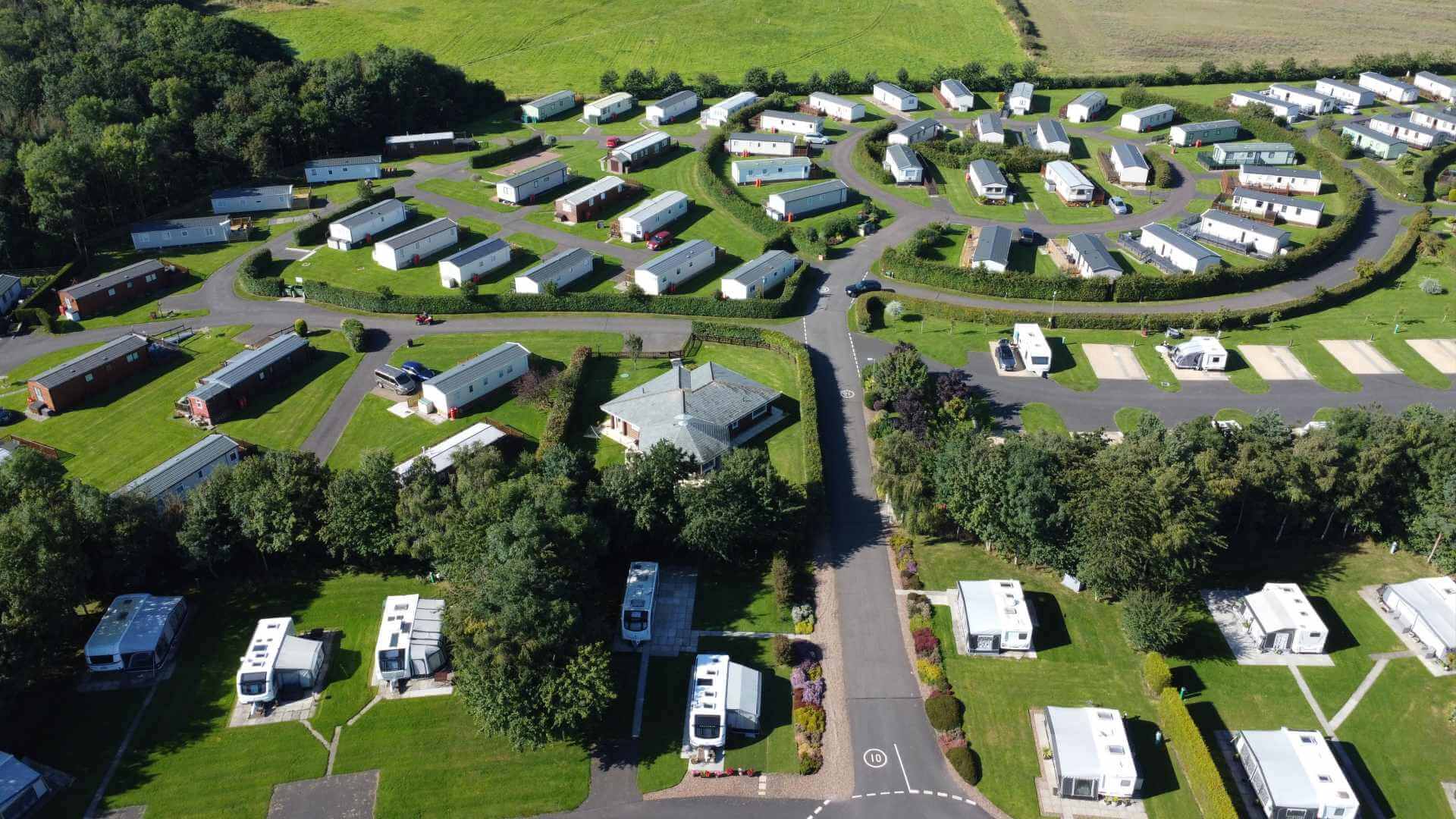
Running a caravan park is already a juggling act: guest experience, maintenance, compliance, utilities, seasonal staffing, and the constant British weather. Add in the way units are owned on your site and insurance gets more complex fast.
Two common models drive very different risk profiles:
-
Parks with private owners (often a mix of holiday homes and touring pitches, with owners paying pitch fees and using their own units)
-
Parks with park‑owned units (where the park owns some or all caravans/lodges and hires them out to guests)
This guide breaks down how insurance typically works for each model, what can fall through the cracks, and how to structure cover so you’re protected without paying for overlaps.
Why ownership structure changes the insurance picture
Insurance is about who owns what, who is responsible for what, and who could be sued when something goes wrong.
On a caravan park, you have multiple “assets” and exposures:
-
Land, roads, hardstanding, drainage, lighting, signage
-
Reception, shop, café/bar, leisure facilities, play areas
-
Utility infrastructure: electric hook‑ups, gas storage, water, sewage, EV charging
-
Staff and contractors
-
Visitors and members of the public
-
The caravans/holiday lodges themselves (and their contents)
When units are privately owned, the park’s main exposure is site infrastructure and liability. When units are park‑owned and hired out, you add property damage to your fleet, guest injury inside units, loss of income, and higher duty of care.
The core covers most caravan parks need
Even though every park is different, most UK caravan parks will consider these building blocks.
1) Public liability (PL)
Protects you if a third party (guest, visitor, delivery driver, owner) alleges injury or property damage due to your negligence.
Common caravan park PL claims:
-
Trips/slips on uneven paths, wet decking, potholes
-
Playground injuries
-
Falling branches, poorly maintained fencing
-
Burns or shocks linked to hook‑ups or faulty equipment
-
Dog incidents where the park is alleged to have failed in controls/signage
2) Employers’ liability (EL)
A legal requirement in most cases if you employ staff (including seasonal workers). Covers injury/illness claims from employees.
3) Property insurance (buildings and contents)
Covers your physical assets: reception, shop stock, maintenance sheds, plant, tools, furniture, signage, and sometimes fixed outdoor structures.
4) Business interruption (BI)
Covers loss of gross profit/revenue following an insured event (e.g., fire, storm damage) that prevents trading.
5) Money and theft
Useful if you handle cash, have a shop, or store equipment.
6) Legal expenses
Helps with employment disputes, contract disputes, and some regulatory defence costs (policy‑dependent).
7) Cyber insurance
If you take online bookings, store customer data, or run Wi‑Fi networks, cyber cover can help with breach response, liability, and business interruption.
8) Motor and plant (where relevant)
Parks often have tractors, buggies, mowers, and utility vehicles. Some need road risks, some need off‑road plant cover.
Model A: Parks with privately owned units
What this model looks like
In a private‑owner park:
-
Owners buy their own caravan/holiday home
-
They pay pitch fees / service charges
-
The park manages the site, rules, and infrastructure
-
Owners may let their unit out (sometimes via the park, sometimes privately) depending on site rules
The park’s main insurance priorities
Public liability is the cornerstone
Your biggest exposure is usually injury or damage arising from the site.
Pay attention to:
-
Paths, steps, decking, ramps, lighting
-
Play areas and leisure facilities
-
Water features, ponds, hot tubs (if any)
-
Snow/ice procedures and signage
-
Tree management and storm readiness
Property cover for communal assets
Even if you don’t own the caravans, you likely own:
-
Reception/shop/café buildings
-
Toilet/shower blocks (if touring)
-
Laundry rooms
-
Storage and maintenance buildings
-
Barriers, gates, CCTV, lighting
-
Utility infrastructure and plant
Business interruption still matters
A storm that damages your reception or knocks out power can stop bookings, reduce pitch fee collection (depending on contracts), and create refund pressure.
The big “gap risk”: who insures the caravan itself?
Privately owned caravans are usually insured by the owner under a static caravan/holiday home policy (or touring caravan policy where applicable). But parks should not assume this is always in place.
Practical steps to reduce gaps:
-
Include insurance requirements in your licence agreement (e.g., owners must maintain valid cover and provide evidence annually)
-
Clarify who is responsible for decking, awnings, sheds, and hot tubs (ownership and insurance can get messy)
-
Set rules around gas safety, electrical testing, and modifications
Liability complexity: owners, guests, and sub‑letting
If owners let their units out, you can end up with more footfall and higher claim frequency. Key questions:
-
Does the owner’s policy include public liability for letting?
-
Does your park’s PL policy treat owner‑letting as part of the risk?
-
Are you providing services (cleaning, key handover, maintenance) that increase your duty of care?
If the park facilitates letting, insurers may view you closer to an “operator of accommodation,” not just a site landlord.
Common claims on private‑owner parks
-
Guest trips on poorly lit paths
-
Storm damage causing falling trees onto units (liability disputes)
-
Fire spreading between units due to spacing or storage of LPG
-
Water damage from burst pipes affecting multiple pitches
-
Allegations of negligence after electric hook‑up incidents
How to structure insurance in this model
A typical approach is:
The key is clear contracts and evidence of owner cover.
Model B: Parks with park‑owned units (hire fleet)
What this model looks like
Here, the park owns some or all caravans/lodges and hires them to holidaymakers. That changes your risk profile significantly.
You now have:
-
Higher property sums insured (the units themselves)
-
More frequent occupancy turnover
-
Greater exposure to accidental damage, theft, and malicious damage
-
More liability exposure inside the accommodation
-
Stronger reliance on bookings (BI impact is bigger)
The park’s main insurance priorities
Property cover for units (and the right basis of cover)
You’ll want to confirm:
-
Are units covered on a reinstatement basis (new for old) or indemnity basis (wear and tear applied)?
-
Are decks, skirting, steps, awnings, and hot tubs included?
-
Are units treated as “buildings,” “contents,” or a separate schedule?
Because caravans and lodges can be bespoke, accurate valuations matter. Underinsurance can reduce claims payments.
Accidental damage and malicious damage
Hire fleets face higher accidental damage rates (spills, broken fixtures, TV damage, cracked shower trays). Some policies exclude or limit this unless added.
Theft and security conditions
Insurers often look for:
-
CCTV coverage and retention
-
Perimeter controls and lighting
-
Key control processes
-
Inventory checks between stays
-
Secure storage for maintenance tools and cleaning supplies
Business interruption tied to bookings
If a fire takes out a block of hire units in peak season, BI can be the difference between survival and a cashflow crisis.
Make sure BI:
-
Reflects seasonality (your peak months)
-
Includes realistic indemnity periods (often 12–24 months)
-
Covers increased cost of working (e.g., relocating guests, temporary units)
Liability inside units
You’re responsible for maintenance and safety of the accommodation. Common issues:
-
Burns/scalds, faulty heaters
-
Carbon monoxide concerns (where gas appliances exist)
-
Electrical faults
-
Balcony/decking failures
-
Hot tub hygiene allegations (if provided)
Additional covers often relevant
-
Goods in transit (moving stock/linen/equipment)
-
Deterioration of stock (if you have a shop/café with chilled goods)
-
Personal accident for key staff (optional)
-
Engineering inspection for certain plant (policy‑dependent)
Common claims on park‑owned hire fleets
-
Fire in a unit spreading to adjacent units
-
Escape of water causing multiple units to be uninhabitable
-
Guest injury from defective decking/steps
-
Theft of TVs or appliances
-
Malicious damage after parties
-
Storm damage to roofs, cladding, awnings
How to structure insurance in this model
A typical approach is a commercial combined style policy:
-
Property (buildings + hire units + contents)
-
PL + EL
-
BI
-
Theft/money
-
Legal expenses
-
Optional add‑ons (cyber, engineering, terrorism where relevant)
Mixed parks: private owners plus a hire fleet
Many parks are hybrid. That’s where misunderstandings happen.
Key points to clarify with your broker/insurer:
-
Which units are park‑owned vs privately owned (schedule them clearly)
-
Whether owner‑occupied units are excluded from your property section
-
How your PL responds to incidents involving:
-
Owners
-
Owner’s guests
-
Paying holiday guests
-
Contractors
-
Whether owner letting is permitted and how it’s managed
Hybrid parks benefit from a written “insurance map” that states:
Key risk factors insurers look at (and how to improve them)
Insurers price caravan park insurance based on risk controls as much as claims history.
Fire safety and spacing
Fire spread is a major concern.
-
Maintain safe spacing between units (and enforce storage rules)
-
Clear LPG storage rules and signage
-
Regular checks of extinguishers and alarms where required
-
Clear emergency access routes
Electrical and gas safety
-
Routine inspection of hook‑ups and distribution boards
-
PAT testing for portable appliances in hire units
-
Gas safety checks where gas appliances exist
Storm and flood resilience
-
Tree surveys and maintenance
-
Drainage maintenance and flood planning
-
Secure loose items and seasonal shutdown procedures
Slips, trips, and lighting
-
Documented inspection regime
-
Prompt repairs and temporary controls (cones, signage)
-
Adequate lighting and handrails
Water hygiene (if you have hot tubs or leisure facilities)
Record keeping
Good records can reduce claim disputes:
What to ask for when arranging caravan park insurance
Whether you’re private‑owner, park‑owned, or mixed, these questions help you buy the right cover.
-
What exactly is insured under property? (buildings, units, decks, awnings, hot tubs, signage, plant)
-
Are hire units covered for accidental and malicious damage?
-
What’s the BI indemnity period and does it reflect peak season?
-
Are owners’ units excluded and is that exclusion clearly defined?
-
Does PL cover owner letting and guest use?
-
Are there warranties/conditions (e.g., security, inspections, unoccupancy) that could affect claims?
-
Are sums insured adequate and updated annually?
-
Do you need separate cover for events (festivals, weddings, large gatherings)?
-
Do you provide watercraft, bikes, or other hire activities that need additional liability?
-
What’s the claims process and what evidence will be needed?
Quick comparison: private owners vs park‑owned units
|
Area
|
Private owners
|
Park‑owned hire units
|
|
Property exposure
|
Mainly communal buildings/plant
|
Communal + units + contents
|
|
Liability exposure
|
Site infrastructure and common areas
|
Site + inside accommodation + higher guest turnover
|
|
BI impact
|
Moderate to high (depends on contracts)
|
Often high (bookings drive revenue)
|
|
Key gap risk
|
Owners’ unit cover lapsing or inadequate
|
Underinsurance of units; accidental damage exclusions
|
|
Controls insurers value
|
Maintenance logs, spacing, hook‑up inspections
|
All of the left + cleaning/turnover processes, inventories, security
|
Practical next steps (without overcomplicating it)
-
Map ownership: list every unit and who owns it.
-
Map responsibility: who maintains decks, steps, gas, electrics, and any add‑ons.
-
Check contracts: licence agreements and letting rules should match your insurance.
-
Update valuations: buildings, plant, and (if applicable) hire units.
-
Document inspections: a simple checklist regime can pay for itself.
Conclusion
Caravan park insurance isn’t one‑size‑fits‑all. A park with privately owned units is typically about protecting the land, infrastructure, and liability exposures—while making sure owners carry the right cover for their caravans. A park with park‑owned hire units adds a bigger property schedule, higher guest turnover, and a stronger need for accidental damage and business interruption protection.
If you want a policy that responds properly when something goes wrong, the winning formula is simple: clear ownership, clear responsibility, and cover that matches how your park actually operates.
Call to action
If you run a caravan park in the UK and want to sense‑check your current cover—especially if you’re a mixed park with both private owners and a hire fleet—get in touch for a quick, practical review and a quote that fits your setup.


 My Account