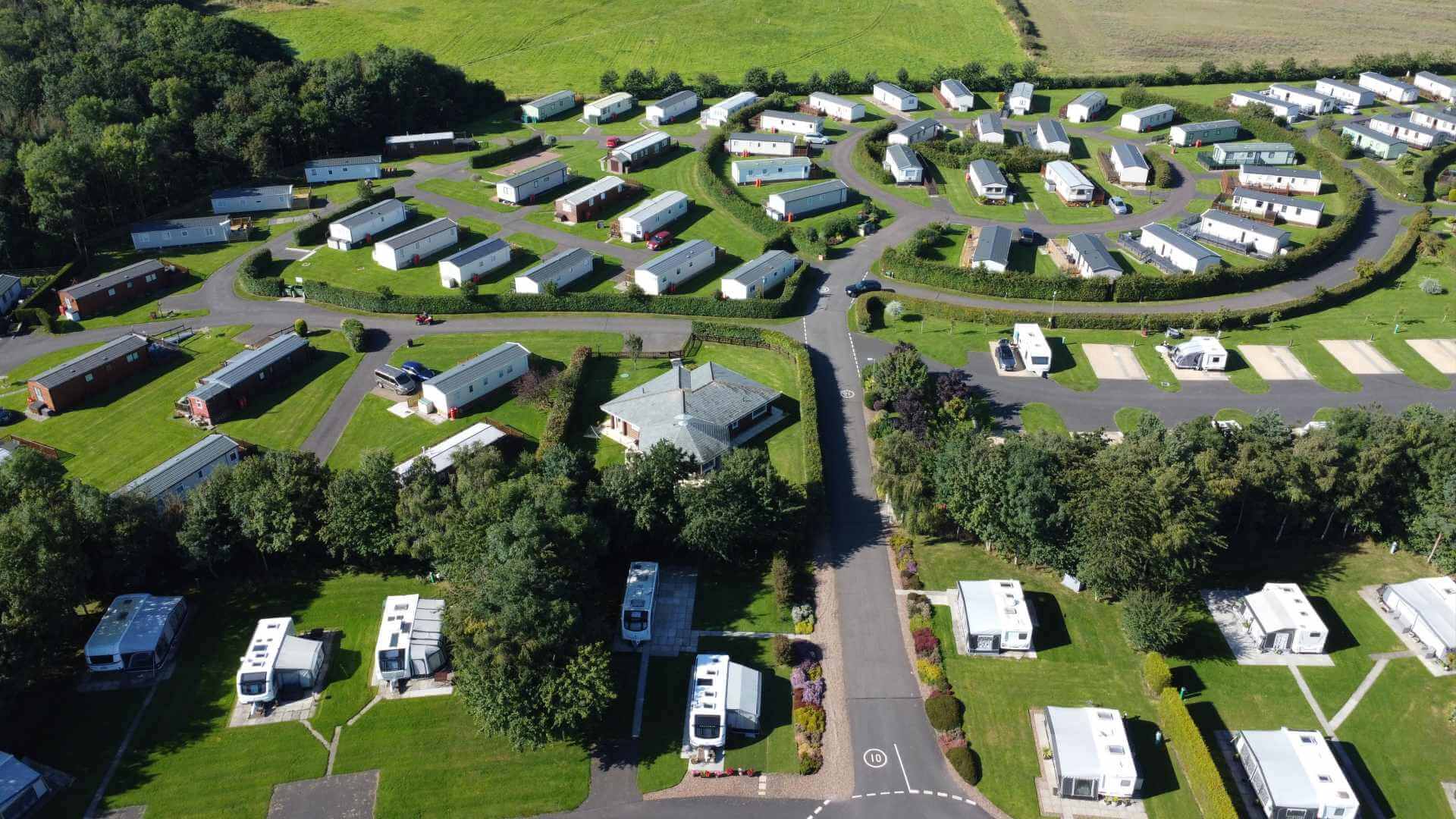
Caravan Park Insurance for Coastal Sites – Special Risks Explained
Introduction: why coastal caravan parks need specialist insurance
Running a caravan park by the sea is a brilliant business—high demand, repeat guests, and strong seasonal peaks. But coastal sites also come with a risk profile that’s very different to inland parks. Weather exposure is harsher, flood and storm-surge risk can be higher, and salt air accelerates wear on buildings, plant and electrics.
That’s why caravan park insurance for coastal sites needs to be built around the realities of your location, your layout, and the way your park earns money (pitches, seasonal touring, static hire, glamping, food and beverage, leisure facilities, and events).
This guide explains the special risks coastal parks face, what cover typically matters most, and the practical steps that can help you get better terms.
What is caravan park insurance (and what’s different for coastal sites)?
Caravan park insurance is usually a package of covers designed for park owners/operators. It commonly combines:
-
Property insurance for buildings and site infrastructure
-
Cover for park-owned static caravans/lodges (if you hire them out)
-
Public liability and employers’ liability
-
Business interruption (loss of income following insured damage)
-
Money, theft, and sometimes equipment breakdown
-
Optional extras for guest belongings, activities, and legal expenses
For coastal sites, the “difference” is not a separate product—it’s the underwriting focus. Insurers will look closely at:
-
Flood and storm-surge modelling for your postcode
-
Distance to the shoreline, elevation, and natural/engineered defences
-
Construction type and condition of buildings and sea-facing structures
-
Drainage, maintenance routines, and storm preparedness
-
Your claims history and risk management
If the cover isn’t designed around those factors, you can end up with gaps (or unpleasant surprises at claim time).
Special risk #1: coastal flooding and storm surge
Why it matters
Coastal flooding isn’t only about heavy rain. Storm surge (a rise in sea level driven by low pressure and strong winds) can push water inland quickly, especially during high tides. Even where flood defences exist, extreme events can overwhelm them.
What to check in your insurance
-
Flood included as standard: Some policies restrict flood cover in higher-risk postcodes.
-
Adequate sums insured: Buildings, contents, and infrastructure (roads, hardstanding, barriers, fencing, signage, and services).
-
Excesses and special conditions: Flood excesses can be much higher than standard.
-
Business interruption: Flood can close a park for weeks—BI cover can be the difference between recovery and long-term damage.
Practical steps that help underwriting
-
Document your flood plan (warnings, evacuation, shut-down procedures, and guest communications).
-
Maintain and evidence drainage (gullies, soakaways, ditches, pumps).
-
Keep records of defences (bunds, barriers, non-return valves).
Special risk #2: storm damage (wind, flying debris, and roof uplift)
Why it matters
Coastal winds can be stronger and more sustained. Storms can damage roofs, cladding, signage, awnings, and external structures. Flying debris can also damage guest vehicles and caravans.
Insurance considerations
-
Storm cover definitions: Some wordings define storm by wind speed or require evidence.
-
Outdoor property: Fences, gates, signs, lighting columns, and play equipment may need specific cover.
-
Tenants’/owners’ caravans: If you have a mix of privately owned statics and park-owned units, make sure responsibilities are clear.
Risk management tips
-
Regular roof inspections and maintenance logs.
-
Secure loose items and have a “storm checklist” for staff.
-
Tree management (especially near pitches and access roads).
Special risk #3: coastal erosion and land instability
Why it matters
Erosion can be gradual, but it can also accelerate after storms. Cliff-edge sites, dunes, and soft ground can shift. Erosion can affect access roads, pitch stability, and services.
Where insurance can be tricky
-
Erosion is often excluded as a gradual process.
-
Subsidence/landslip may be covered, but terms vary and can be restricted.
-
Insurers may ask for geotechnical reports, monitoring, or evidence of stabilisation.
What to do
-
Understand whether your risk is “sudden event” (e.g., landslip) versus gradual erosion.
-
Keep any coastal engineering reports and maintenance evidence.
-
If you’re planning works, tell your broker early—changes can affect cover.
Special risk #4: salt corrosion and accelerated wear
Why it matters
Salt air is relentless. It can corrode metalwork, degrade fixings, and shorten the life of electrics, HVAC, and external plant. Over time, this increases the chance of breakdowns and secondary damage.
Insurance angle
-
Wear and tear is not insurable, but resulting damage sometimes is.
-
Consider equipment breakdown cover for key plant (pumps, boilers, refrigeration, leisure equipment).
-
Keep strong maintenance schedules—insurers may ask for them after a claim.
Special risk #5: water ingress and damp in buildings and park-owned units
Why it matters
Coastal driving rain can find weak points in roofs, windows, and cladding. Water ingress can lead to mould, damage to furnishings, and long closures for drying and repairs.
What to check
-
Any exclusions around gradual ingress or poor maintenance.
-
Cover for contents in reception, shop, café, and on-site accommodation.
-
BI cover for closure of facilities (not just total park shutdown).
Special risk #6: business interruption from seasonal trading patterns
Why it matters
Many caravan parks earn a large share of annual revenue in a short window. A major storm in peak season can wipe out a year’s profit.
Key BI points (often overlooked)
-
Indemnity period: 12 months may not be enough if you miss peak season and need a full trading cycle to recover.
-
Seasonality: Your BI calculation should reflect peak months.
-
Additional increased cost of working (AICW): Useful for temporary facilities, alternative accommodation, or marketing to rebuild bookings.
Special risk #7: public liability (slips, trips, and coastal hazards)
Why it matters
Coastal parks can have extra hazards: uneven paths, wet surfaces, sea spray, steps to beaches, cliff paths, and shared access routes.
What good liability cover should reflect
-
High footfall in peak season.
-
Play areas and leisure facilities (soft play, pools, hot tubs, gyms).
-
Events (music nights, fireworks, food festivals).
-
Third-party contractors on site.
Risk management that supports claims defensibility
-
Documented inspections (paths, lighting, handrails, play equipment).
-
Clear signage and guest information.
-
Contractor management and permits-to-work.
Special risk #8: employers’ liability and staff safety
Why it matters
Coastal weather can make routine tasks riskier—grounds maintenance, roof work, waste handling, and emergency response.
What to consider
Special risk #9: on-site accommodation, glamping, and guest property
Many coastal parks diversify with glamping pods, lodges, and premium statics. This can change your risk profile.
Consider:
-
Letting accommodation: Are you insuring as a holiday let operation as well as a park?
-
Guest contents: Some policies include limited cover; others exclude.
-
Hot tubs and saunas: Higher liability and water damage exposure.
-
Fire risk: Cooking, heaters, and BBQ areas.
Special risk #10: marina, water sports, and coastal activities
If your park offers or is closely linked to activities like paddleboarding, kayaking, coasteering, or boat storage, you may need specialist extensions.
Check:
-
Are you simply providing access, or are you organising/supervising activities?
-
Do you store guest boats or equipment?
-
Do you have any formal partnerships with activity providers?
Liability can change dramatically depending on your role.
Special risk #11: utilities and site infrastructure
Caravan parks rely on infrastructure that isn’t always obvious until it fails:
-
Electrical distribution, hook-up points, and metering
-
Water supply, pumps, and treatment
-
Drainage and sewage systems
-
LPG storage and distribution (where applicable)
-
Roads, lighting, barriers, and CCTV
Insurance should reflect the replacement cost of these items, not just buildings.
Special risk #12: fire, arson, and emergency access
Coastal parks can be busy, with tight pitch spacing and a mix of cooking/heating methods.
Insurance and risk management considerations:
-
Fire breaks and pitch spacing (where applicable)
-
Fire extinguishers and alarms in park-owned units
-
Emergency vehicle access routes
-
Waste storage and recycling areas
-
Clear rules for BBQs, fire pits, and smoking
How insurers assess a coastal caravan park (what they’ll ask)
To get the best terms, expect detailed questions such as:
-
Exact location, elevation, and distance to shoreline
-
Flood history and any previous claims
-
Type and condition of buildings and sea-facing structures
-
Number of pitches (touring vs static), and any hire fleet
-
Facilities: bar/restaurant, shop, pool, playground, arcade
-
Security: gates, CCTV, lighting, patrols
-
Maintenance routines and inspection records
-
Fire safety measures and emergency planning
Having this information ready can speed up quotes and reduce back-and-forth.
Common cover gaps to avoid
Here are a few issues that regularly catch park owners out:
-
Underinsuring site infrastructure (services, roads, lighting, signage)
-
Too short a BI indemnity period for seasonal recovery
-
Unclear responsibility for privately owned statics versus park-owned units
-
Activities/events not declared (creating liability disputes)
-
Flood exclusions or high excesses not understood until a claim
-
Security conditions (e.g., locked gates, CCTV working) not consistently met
How to reduce premiums without stripping cover
Coastal risk can mean higher premiums, but there are practical ways to improve your position:
-
Provide a written storm/flood plan and evidence of drills
-
Improve drainage and document maintenance
-
Upgrade security (CCTV coverage, lighting, access control)
-
Keep detailed inspection logs (paths, play equipment, roofs)
-
Review sums insured with a proper rebuild assessment
-
Consider higher voluntary excesses only if cashflow allows
A good broker should help you balance premium, excess, and the real-world cost of downtime.
Quick checklist: what to ask for in coastal caravan park insurance
Use this as a conversation starter when you’re reviewing cover:
-
Buildings and contents (including outdoor property and infrastructure)
-
Flood and storm surge cover (and clear excesses)
-
Storm cover (including outdoor structures and signs)
-
Subsidence/landslip terms (and clarity on erosion)
-
Business interruption with an adequate indemnity period
-
Public liability suitable for peak footfall and facilities
-
Employers’ liability for seasonal staffing
-
Equipment breakdown for key plant
-
Cover for park-owned hire units and glamping accommodation
-
Money/theft and optional legal expenses
Final thoughts (and next step)
Coastal caravan parks are a fantastic business, but the risk profile is unique. The right insurance isn’t just about ticking boxes—it’s about protecting your income, your reputation, and your ability to reopen quickly after a major event.
If you want a faster, more accurate quote, gather your pitch counts, facility list, claims history, and any flood/storm risk information you already have. The more clearly your risk is presented, the easier it is to negotiate sensible terms.
CTA: If you run a coastal caravan park in the UK and want a policy built around your actual risks, speak to a specialist broker who understands seasonal trading, site infrastructure, and coastal exposures.


 My Account